Source Commercial Catering Cake Press for Bakery and Pizza
Find and compare 30 Commercial Catering Cake Press options for bakery, pizza, and biscuit production. Evaluate models like APD-40 and RCX-10 based on voltage, power, and automatic features to find the right equipment for your business.
Key considerations
Products List


Baking Machine Commercial Restaurant Equipment Kitchen Machine Commercial Catering Equipment
$352.00 - $3439.00
MOQ: 5 Pieces


Baking Equipment Restaurant Equipment Commercial Kitchen Equipment Kitchen Machine
$352.00 - $3439.00
MOQ: 10 Pieces


Commercial Manual Rectangle Pan Chiffon Cake Press Mold Cutting Cutter Machine
$3400.00 - $3600.00
MOQ: 1 Pieces

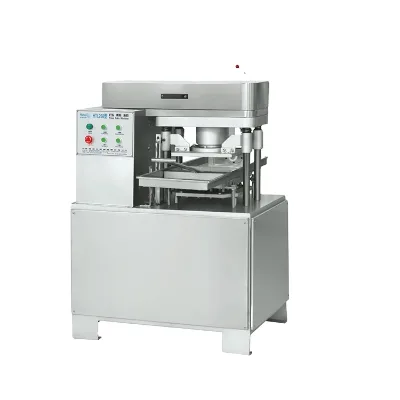

New Design Thin Pancake Press Machine for Restaurant Cake Maker Machine
$5500.00 - $6500.00
MOQ: 1 Pieces

Fully Automatic Mini Home Cake Machine Pancake Press Machines Cake Pancake Machine
$5500.00 - $6500.00
MOQ: 1 Pieces

Multifunctional Cake Pancake Making Machine Pancake Press Making Machine
$5500.00 - $6500.00
MOQ: 1 Pieces


Bean Cake Maker Rice Cake Press Almond Cookie Peanut Cake Making Machine
$4900.00 - $5300.00
MOQ: 1 Pieces


Comprehensive Sourcing Guide
Commercial Catering Cake Press Sourcing Guide
Navigating the market for commercial catering cake presses requires a clear understanding of the diverse machinery available, ranging from simple manual formers to fully automated systems designed for high-volume production. The observed product landscape includes units specifically engineered for dough moulding in bakery and commercial catering environments, as well as specialized machines capable of processing meat pies and burger patties. Buyers must distinguish between these functional categories, as a machine optimized for bread and pizza dough may not possess the necessary pressure mechanisms or material compatibility for heavy-duty meat processing applications.
Procurement decisions should be grounded in the specific operational needs of the facility, such as whether the primary requirement is for uniform cake shaping, biscuit formation, or automated meat patty production. The market data indicates a wide variance in product models, with some units featuring timing devices for precise cycle control while others operate without them, relying on manual intervention or fixed mechanical cycles. Understanding these distinctions is critical before engaging with suppliers, as the presence or absence of automation features directly impacts labor requirements, throughput speed, and the overall return on investment for the catering operation.
Product Scope and Observed Listing Signals
When evaluating product listings, buyers should look for specific signals regarding the intended application, such as the explicit mention of usage for bread, pizza, cake, or biscuit production. The available data highlights machines with functions dedicated to dough moulding and patty forming, suggesting that the term "cake press" in a commercial context often encompasses a broader range of forming equipment. It is essential to verify if the listed machine is designed for the specific texture and density of the product being pressed, as the mechanical force required for a dense meat patty differs significantly from that needed for a light cake or bread dough.
Another critical signal to observe is the level of automation, which ranges from fully automatic systems to semi-automatic or manual units. Listings often specify whether the equipment includes a timing device, a feature that is crucial for maintaining consistency in large-scale production runs. Buyers should also note the material composition, with stainless steel being a prevalent standard for food contact surfaces to ensure hygiene and durability. The presence of specific packing methods, such as wooden cases or shrink film, can also indicate the intended shipping distance and the robustness required for the machinery during transit.
Technical Specifications to Verify
Voltage and power requirements are among the most critical technical specifications to verify before finalizing a purchase, as commercial catering equipment often operates on different electrical standards. The observed market includes units designed for 220V and 380V power sources, with power ratings varying from 0.37kW to higher capacities depending on the machine's function. A mismatch between the facility's electrical infrastructure and the machine's voltage requirement can lead to operational failures or the need for costly electrical upgrades, making this the first technical parameter to confirm with the supplier.
Dimensional constraints and weight are equally important for facility planning, as commercial presses can be substantial pieces of equipment. Specifications found in the market range from compact units measuring approximately 950mm in length to larger industrial models exceeding 5 meters in length, with weights reaching up to 37kg or more. Buyers must ensure that the physical footprint of the machine fits within their designated production area and that the floor can support the weight of the unit, especially when it is fully loaded with ingredients. Additionally, verifying the productivity rate, such as outputs of 1800 pieces per hour, helps in aligning the machine's capacity with the expected demand of the catering service.
Compliance and Safety Documentation
Food safety compliance is a non-negotiable aspect of sourcing commercial catering equipment, requiring verification that all food-contact surfaces meet relevant hygiene standards. The use of stainless steel is a common indicator of compliance with basic food safety requirements, as this material resists corrosion and is easy to clean. However, buyers should request specific documentation confirming that the materials used in the machine's construction are food-grade and suitable for the specific types of ingredients being processed, whether they are flour-based doughs or raw meat products.
Safety certifications and operational manuals are essential for ensuring that the equipment can be operated without risk to staff. While specific certification names may vary by region, the presence of clear safety features and comprehensive documentation is a strong indicator of a reputable supplier. Buyers should verify that the machine includes necessary safety guards, emergency stop mechanisms, and that the supplier provides detailed instructions for safe operation and maintenance. This documentation is also vital for training staff and ensuring that the equipment is used within its designed parameters to prevent accidents or mechanical failure.
Cost Drivers and Commercial Terms
The cost of commercial cake presses is influenced by several factors, including the level of automation, the complexity of the forming mechanism, and the materials used in construction. Fully automatic units with timing devices and high productivity rates typically command a higher price point compared to semi-automatic or manual models. Buyers should be prepared for a wide price range, as the market data suggests costs can vary significantly based on the specific model and its capabilities, from basic formers to advanced, multi-function processing machines.
Commercial terms such as Minimum Order Quantity (MOQ) and payment conditions are also key drivers in the procurement process. The observed market indicates that MOQs can range from a single unit to larger quantities, offering flexibility for small businesses while potentially offering volume discounts for larger operations. Buyers should clarify the packaging requirements, as options like wooden crates or neutral packing can affect shipping costs and the condition of the equipment upon arrival. Understanding these terms upfront helps in budgeting accurately and negotiating favorable conditions that align with the buyer's financial constraints and operational scale.
Supplier Qualification and Quality Control
Supplier qualification involves assessing the manufacturer's ability to deliver consistent quality and provide reliable after-sales support. The market data highlights that suppliers often offer services such as online support, spare parts availability, and video technical assistance, which are crucial for maintaining operational continuity. Buyers should prioritize suppliers who demonstrate a commitment to quality control through their production processes and who can provide evidence of their manufacturing capabilities, such as factory audits or quality assurance certificates.
Quality control extends to the physical inspection of the equipment upon delivery, ensuring that the machine matches the agreed-upon specifications and is free from defects. Buyers should establish a clear protocol for inspecting the product, including checking the dimensions, material quality, and the functionality of key components like the timing device and motor. It is also advisable to verify the supplier's track record in handling similar orders and their ability to meet delivery timelines, as delays in receiving critical equipment can disrupt the entire catering operation.
Long-Term Procurement Checks
Long-term procurement success depends on the availability of spare parts and the supplier's capacity to provide ongoing technical support. The observed market indicates that suppliers offer various levels of after-warranty service, including video technical support and spare parts delivery, which are essential for minimizing downtime. Buyers should ensure that the supplier has a robust supply chain for critical components, such as motors and forming dies, to prevent extended periods of inactivity if a part fails.
Regular maintenance and performance monitoring are also vital for extending the lifespan of the equipment. Buyers should develop a maintenance schedule based on the manufacturer's recommendations, which may include regular cleaning, lubrication, and inspection of mechanical parts. Keeping detailed records of maintenance activities and any repairs performed can help in troubleshooting future issues and ensuring that the machine continues to operate at peak efficiency. Additionally, staying informed about potential upgrades or new models from the supplier can help in making informed decisions about future equipment replacements or expansions.
FAQs
What is the voltage requirement for this machine?
The machine operates on 220V or 380V depending on the specific model configuration. This ensures compatibility with various commercial power standards in different regions for bakery and catering applications.
Can the machine handle different dough weights?
Yes, the equipment supports a dough weight range from 50 to 500 grams. This flexibility allows it to process various product sizes for bread, pizza, and cake production efficiently.
Is the machine fully automatic or semi-automatic?
The system is available in both fully automatic and semi-automatic versions. Buyers can select the level of automation that best fits their production volume and operational workflow requirements.
What materials are used to construct the machine?
The main body is constructed from stainless steel to ensure durability and hygiene. This material choice meets commercial catering standards and simplifies cleaning processes in busy bakery environments.
Does the machine include a timing device?
Some models come equipped with a timing device while others do not. Buyers should verify the specific model features, such as the APD-40 or RCX-10, to confirm timing capabilities.
What is the after-warranty service support available?
Support includes online assistance, spare parts availability, and video technical support. These services ensure continuous operation and quick resolution of technical issues for commercial users.
How is the machine packaged for shipping?
Packaging options include shrink film with carton boxes or wooden cases and crates. The specific packaging method depends on the model and shipping requirements to ensure safe delivery.