Source Commercial Helmet Steel Cable Lock for Bikes, Roads, and Storage
Find 20 Commercial Helmet Steel Cable Lock options from verified Chinese manufacturers. Compare alloy and steel models with varying lengths, theft-proof cores, and customization services for road bikes and commercial use; compare the available evidence and request quotations based on your requirements.
Key considerations
Products List


Comprehensive Sourcing Guide
Commercial Helmet Steel Cable Lock Sourcing Guide
Sourcing commercial-grade helmet steel cable locks requires a disciplined approach to balancing security performance with cost efficiency. These locking mechanisms are primarily designed for bicycle and motorcycle applications, where the cable serves as the primary restraint against theft. Buyers must distinguish between general-purpose locks and those engineered for specific commercial environments, such as bike-sharing fleets or high-traffic retail parking areas. The core keyword highlights the material composition and intended use, signaling a need for durable, high-tensile steel cables that can withstand environmental stress and physical tampering.
The procurement process begins with defining the exact technical requirements for the lock core and cable assembly. Observed market data indicates a wide range of models, from simple wire locks to complex clamp-type wheel locks, each serving different security tiers. Buyers should focus on verifying the lock core type, such as copper or zinc alloy, and the theft-proof performance class, which often ranges from B Class to Ultra B Class. Understanding these distinctions is critical for selecting a product that meets the specific security needs of the end-user without over-engineering the solution for low-risk environments.
Product Scope and Observed Listing Signals
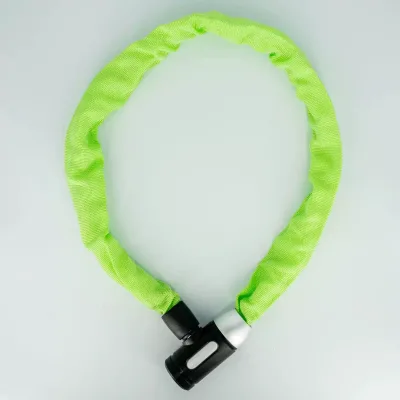
The current market landscape for commercial helmet steel cable locks reveals a diverse array of product configurations and packaging options. Listings frequently highlight customization availability, allowing buyers to tailor the lock’s appearance and functionality to their brand identity. Common attributes include black or colorful finishes, with diameters typically around 2mm and lengths extending up to 1.2 meters. These specifications suggest a focus on versatility, enabling the locks to be used on various helmet types and bicycle frames. Buyers should carefully review the listed dimensions to ensure compatibility with their specific inventory requirements.
Packaging and origin details provide additional context for supply chain planning. Products are often supplied in OPP bags, blister cards, or clam shells, with some bulk orders utilizing carton packaging. The observed origins include Cixi, Wenzhou, and Xingtai in China, indicating a concentrated manufacturing hub for these components. Buyers should note that while some listings specify a single piece per OPP bag, others may offer bulk packing solutions. Understanding these packaging variations is essential for calculating landed costs and ensuring that the product arrives in a condition suitable for immediate retail or commercial deployment.
Technical Specifications to Verify
Verifying technical specifications is paramount to ensuring the lock meets performance expectations. Buyers must confirm the material composition of both the cable and the lock body, with steel and alloy being common choices. The lock core type, whether copper, zinc alloy, or fire-proof, directly impacts durability and resistance to picking. Additionally, the key material, often brass, should be assessed for wear resistance and smooth operation. These material choices influence the lock’s lifespan and its ability to withstand frequent use in commercial settings, making detailed verification a critical step in the sourcing process.
Dimensional accuracy and model numbers are equally important for inventory management and compatibility. Observed models such as SL9002, SL5615, and HC-PJ-183 indicate a variety of designs, each with specific standards like 10x1000mm or 12x1000mm. Buyers should cross-reference these model numbers with their technical requirements to ensure the cable length and diameter are appropriate for their application. Furthermore, the shape of the lock, whether wire or clamp type, should be evaluated based on the intended use case. Accurate specification verification prevents costly mismatches and ensures that the procured locks function as intended in real-world scenarios.
Compliance and Safety Documentation
Compliance and safety documentation are essential for mitigating legal and operational risks in the procurement of commercial locks. Buyers should request evidence of relevant certifications, such as ISO standards, which indicate adherence to quality management systems. While specific test results may not always be publicly listed, verifying that the supplier maintains a certified production process is crucial. This documentation ensures that the locks meet baseline safety and quality expectations, reducing the likelihood of product failures or safety hazards in the field.
In addition to certifications, buyers should inquire about the lock’s theft-proof performance ratings. Attributes like B Class or Ultra B Class provide a standardized measure of security, helping buyers compare products objectively. It is important to verify that these ratings are based on recognized testing methodologies rather than manufacturer claims alone. By prioritizing suppliers with robust compliance documentation, buyers can ensure that their procurement decisions are backed by verifiable data, enhancing the overall reliability and trustworthiness of the supplied products.
Cost Drivers and Commercial Terms
Cost drivers for commercial helmet steel cable locks include material prices, manufacturing complexity, and packaging requirements. Steel and alloy costs fluctuate based on global market conditions, directly impacting the final price of the lock. Additionally, the complexity of the lock core and the type of key mechanism can influence production costs. Buyers should also consider packaging options, as custom blister cards or clam shells may incur higher costs compared to standard OPP bags. Understanding these factors allows for more accurate budgeting and negotiation with suppliers.
Commercial terms such as MOQ and sample times are critical for supply chain planning. Observed MOQs range from 2 to 10,000 units, offering flexibility for both small and large orders. Sample times are typically around three days, enabling quick evaluation of product quality before committing to bulk purchases. Buyers should negotiate clear terms regarding payment methods, shipping responsibilities, and return policies. Transparent commercial terms help avoid hidden costs and ensure a smooth procurement process, allowing buyers to focus on value rather than administrative complexities.
Supplier Qualification and Quality Control
Supplier qualification is a key step in ensuring the reliability of the supply chain. Buyers should assess the supplier’s production capabilities, quality control processes, and track record in the industry. Suppliers originating from established manufacturing hubs like Cixi and Wenzhou often have mature supply chains and experienced workforces. However, buyers should verify these claims through site audits or third-party inspections. A qualified supplier will demonstrate consistent quality and the ability to meet specified technical requirements, reducing the risk of supply disruptions.
Quality control measures should be integrated into the procurement process to maintain product standards. Buyers should request detailed quality reports and conduct random sampling inspections upon receipt. Key quality indicators include the smoothness of the lock mechanism, the integrity of the cable coating, and the accuracy of dimensions. Establishing clear quality acceptance criteria with the supplier ensures that any deviations are identified and addressed promptly. Proactive quality control helps maintain brand reputation and customer satisfaction, making it an indispensable part of the sourcing strategy.
Long-Term Procurement Checks
Long-term procurement checks involve continuous monitoring of supplier performance and market trends. Buyers should regularly review supplier delivery times, product quality, and responsiveness to issues. Establishing a performance scorecard can help track these metrics over time, identifying areas for improvement or potential risks. Additionally, staying informed about market trends, such as new lock technologies or material innovations, allows buyers to adapt their sourcing strategies proactively. This ongoing evaluation ensures that the procurement process remains efficient and aligned with business objectives.
Building a resilient supply chain requires diversifying suppliers and maintaining strong relationships with key partners. Buyers should avoid over-reliance on a single supplier, instead cultivating a network of qualified vendors. Regular communication and feedback loops with suppliers foster collaboration and continuous improvement. By implementing long-term procurement checks, buyers can mitigate risks, optimize costs, and ensure a steady supply of high-quality commercial helmet steel cable locks. This strategic approach supports sustainable growth and enhances the overall competitiveness of the business.
FAQs
What materials are used for commercial helmet steel cable locks?
These locks typically use alloy or steel materials for the cable and zinc or copper for the lock core. The specific model determines the exact composition, with some featuring brass keys and zinc alloy cores. This ensures durability and resistance to theft while maintaining a lightweight profile for bicycle security applications.
Can I customize the packaging for these bicycle locks?
Yes, customization is available for packaging. Options include OPP bags, blister cards, clam shells, or cartons. The standard packing is often one piece per OPP bag, but buyers can request specific configurations like bound cards or custom blister designs to suit their retail needs and branding requirements effectively.
What is the sample time for these commercial locks?
The sample time is generally three days. This allows buyers to evaluate the product quality, material, and locking mechanism before placing a bulk order. It is a standard lead time for most manufacturers to provide physical samples for verification of the alloy construction and cable specifications.
Which certifications apply to these steel cable locks?
Certifications such as ISO and SGS are commonly associated with these products. These standards ensure quality management and safety compliance. Buyers should verify specific certification documents with the supplier, as compliance may vary by model and production batch, ensuring the locks meet international commercial usage requirements.
What are the typical specifications for the cable diameter?
Common specifications include a 2mm diameter for the cable. Some models may feature different dimensions, such as 12mm diameter variants. The length often ranges around 1.2 meters or 1000mm. These dimensions provide a balance between security strength and portability for various bicycle types.
Where are these commercial locks typically manufactured?
These locks are primarily manufactured in China, with origins in cities like Cixi, Wenzhou, and Xingtai in Hebei province. These regions are known for producing bicycle accessories and hardware. Buyers can source directly from factories in these locations to ensure competitive pricing and reliable supply chain logistics.