Source Master Key Safe Lock Cylinder for Doors, Gates, and Cabinets
Compare 30 Master Key Safe Lock Cylinder options from verified Chinese manufacturers. Buyers can evaluate brass and aluminum models with varying bolt structures and key levels for household, industrial, and commercial applications; compare the available evidence and request quotations based on your requirements.
Key considerations
Products List


Secure Lock Cylinder Designed for Maximum Home Defense Anti Theft Manage Key
$1.50 - $3.00
MOQ: 100 Pieces

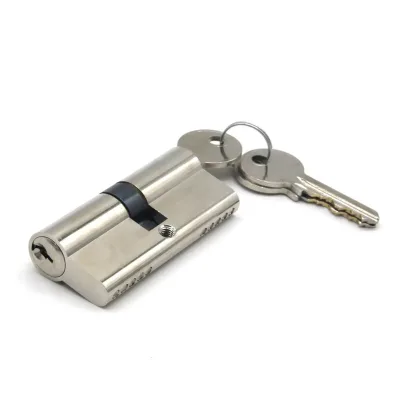
Manage Key High-Security Lock Cylinder for Ultimate Home Protection Solutions
$1.50 - $3.00
MOQ: 100 Pieces


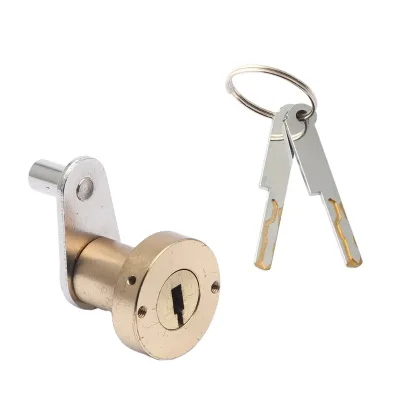
Safe Open Door Lock Cylinder Aluminum Door Lock Cylinder with Master Key
$0.50 - $1.00
MOQ: 1000 Pieces


Comprehensive Sourcing Guide
Master Key Safe Lock Cylinder Sourcing Guide
Procuring master key safe lock cylinders requires a disciplined approach to aligning mechanical security features with specific operational needs. Buyers must first distinguish between standard pin tumbler mechanisms and advanced anti-dialing systems, as the latter offer superior resistance to picking and drilling attacks. The observed market includes products ranging from basic brass cylinders to complex aluminum alloy units with electronic key integration, necessitating a clear definition of the required security level before engaging with suppliers.
Understanding the distinction between key levels is critical for risk management. While some listings indicate Level B or C keys, others reference En1303 standards with specific warranty lifespans, such as 100,000 cycles. Buyers should verify whether the cylinder supports a hierarchical master key system or operates as a single-key unit. This decision impacts both the initial hardware cost and the long-term administrative burden of key distribution and rekeying across multiple facilities or safe installations.
Product Scope and Observed Listing Signals
The current market landscape for master key safe lock cylinders exhibits significant variation in material composition and structural design. Listings frequently highlight brass and aluminum alloy bodies, with surface treatments like electroplating and nickel wire drawing to enhance corrosion resistance. Buyers should note that product models such as A627, A357, and SPL-1 represent distinct mechanical configurations, each tailored to different door thicknesses or safe door requirements. Observing these model numbers helps in identifying suppliers who specialize in specific cylinder geometries rather than generic hardware.
Packaging and customization options also vary widely, influencing logistics and branding strategies. Some suppliers offer standard paper box packaging, while others support custom packaging requirements to meet specific retail or industrial standards. The presence of features like triplex row anti-dialing keys or multiple row crescent quantum keys suggests a focus on high-security applications. Buyers must carefully review these attributes to ensure the selected cylinder meets the physical and security demands of the intended safe or door application.
Technical Specifications to Verify
Verifying the lock cylinder level and key type is essential for ensuring compatibility and security. Buyers should confirm whether the cylinder adheres to European style dimensions or other regional standards, as this affects the physical fit within the safe door. The lock body type, whether single, quad, or triple, determines the number of bolts engaged and the overall stability of the locking mechanism. Additionally, the structure, such as multiple bolt or double bolt configurations, must align with the safe’s design to prevent forced entry attempts.
Key functionality and anti-pinning features are critical technical differentiators. Products featuring four anti-pins or cross keys offer enhanced protection against common attack methods. Buyers must also verify the outline dimensions, such as 171033 mm, to ensure the cylinder fits the pre-drilled holes in the safe door. The standard lengths, ranging from 60mm to 120mm, must be matched to the door thickness to ensure proper engagement of the locking bolts. Misalignment in these specifications can lead to operational failures or compromised security.
Compliance and Safety Documentation
While specific certification statuses are not universally listed, buyers should request documentation that verifies compliance with relevant international standards. The reference to En1303 suggests a potential alignment with European security norms, which often include rigorous testing for durability and resistance to manipulation. Buyers must ask suppliers to provide test reports or certificates that confirm the cylinder’s ability to withstand specified cycles, such as the 100,000-time warranty life mentioned in some listings. This documentation is crucial for insurance purposes and regulatory compliance in certain jurisdictions.
Safety and warranty terms also play a significant role in the procurement decision. Buyers should clarify whether the lifetime guarantee covers workmanship and material defects only or extends to functional failures due to normal wear. Understanding the scope of the warranty helps in assessing the long-term cost of ownership. Additionally, verifying the origin of the product, whether from Wenzhou, Zhejiang, or other regions in China, can provide insights into the manufacturing quality and supply chain reliability. Clear documentation ensures that buyers have recourse in case of product failures.
Cost Drivers and Commercial Terms
The price range for master key safe lock cylinders varies significantly based on material, complexity, and customization. Observed prices range from $0.5 to $10 USD, reflecting the diversity from basic components to high-security electronic keys. Buyers should consider that higher key levels, such as Level C, or specialized features like anti-dialing mechanisms, may command a premium. The choice between brass and aluminum alloy also impacts cost, with brass often offering better durability but at a higher price point.
Minimum order quantities (MOQ) and lead times are critical commercial factors. MOQs can range from 1 to 5,000 units, allowing for flexibility in procurement scale. Buyers should negotiate terms that align with their inventory management strategies, considering whether bulk purchases offer sufficient cost savings to justify higher upfront investment. Additionally, the transport port, typically Shanghai, and packaging requirements influence logistics costs. Clear communication of these terms ensures accurate total cost of ownership calculations and prevents unexpected expenses during the procurement process.
Supplier Qualification and Quality Control
Evaluating supplier capabilities is essential for ensuring consistent product quality. Buyers should verify the supplier’s experience in manufacturing lock cylinders and their ability to meet specific customization requests. The availability of customization options, such as specific key types or packaging, indicates a supplier’s flexibility and responsiveness. Buyers should also assess the supplier’s quality control processes, including inspection protocols for material integrity and functional testing of the locking mechanisms.
Communication and support are key indicators of supplier reliability. Buyers should engage with suppliers to clarify technical specifications and request samples for testing. The ability to provide detailed product information, such as model numbers and standard lengths, demonstrates professionalism and transparency. Additionally, verifying the supplier’s location and production capacity helps in assessing their ability to meet delivery schedules. Building a relationship with a qualified supplier ensures a smoother procurement process and reduces the risk of receiving substandard products.
Long-Term Procurement Checks
Establishing a robust long-term procurement strategy involves regular audits of product performance and supplier reliability. Buyers should monitor the durability of the lock cylinders in real-world applications, tracking any issues related to key wear, bolt engagement, or surface corrosion. Feedback from end-users can provide valuable insights into the product’s performance and highlight areas for improvement. Regularly reviewing warranty claims and return rates helps in assessing the overall quality and reliability of the supplied products.
Continuous engagement with suppliers for product updates and improvements is also crucial. As security technologies evolve, suppliers may introduce new features or materials that enhance the security and longevity of the lock cylinders. Buyers should stay informed about these developments and consider upgrading their procurement specifications accordingly. Additionally, maintaining a diverse supplier base can mitigate risks associated with supply chain disruptions. By prioritizing long-term relationships and continuous improvement, buyers can ensure a secure and efficient procurement process for master key safe lock cylinders.
FAQs
What key functions does this lock cylinder offer?
This lock cylinder offers master key functionality and anti-theft electronic key features. It utilizes a triplex row anti-dialing key or multiple row crescent quantum key depending on the model. The design ensures high security for household, industrial, and commercial applications while supporting customization for specific needs.
Which lock cylinder levels are available for purchase?
Available lock cylinder levels include Level A and Level C, with specific models meeting En1303 standards. Some units provide a warranty service life of 100,000 times. These levels ensure varying degrees of security suitable for different door and gate applications across global markets.
Can I customize the packaging and specifications?
Yes, customization is available for packaging and specifications. Buyers can request paper boxes, cartons, or custom requirements. Standard lengths range from 60mm to 120mm, allowing flexibility for various installation needs while maintaining the structural integrity of the brass or aluminum alloy bodies.
What materials are used in the lock body construction?
The lock bodies are constructed from brass, aluminum, or alloy materials. They feature electroplating surface treatments with nickel wire drawing colors. The structure includes single, triple, or quad body types with multiple or double bolt mechanisms to ensure durability and resistance against forced entry attempts.
How many anti-pins are included in the design?
The design includes four pieces of anti-pins to enhance security. This feature is part of the pin tumbler structure found in key lock models. It helps prevent picking and drilling, ensuring the lock remains secure for long-term use in residential or commercial settings.
Which models support the European style lock cylinder?
Models such as A627, A357, A350, A822, A1998, A045, and SPL-1 support the European style lock cylinder. These models vary in outline dimensions and key types but maintain consistent quality. They are sourced from manufacturers in China, specifically Wenzhou and Zhejiang regions.
What is the lead time and transport port for orders?
Orders are shipped from the Shanghai transport port. While specific lead times vary by supplier, customization and packaging support are standard. Buyers should verify individual supplier capacity and delivery schedules to ensure timely receipt of the lock cylinders for their specific project requirements.