Source Commercial Home Weighted Sandbag for Gym, Flood, and Fitness
Find 30 verified options for the Commercial Home Weighted Sandbag suitable for gymnasium training, flood barriers, and body building. Compare specifications like material, size, and certification from multiple suppliers to select the right equipment.
Key considerations
Products List
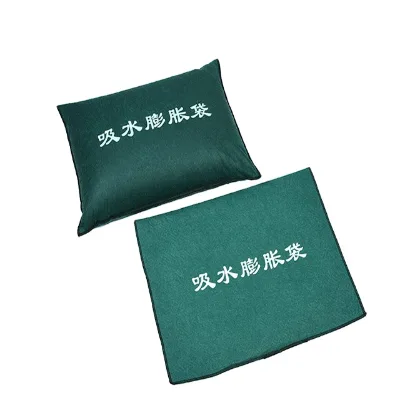


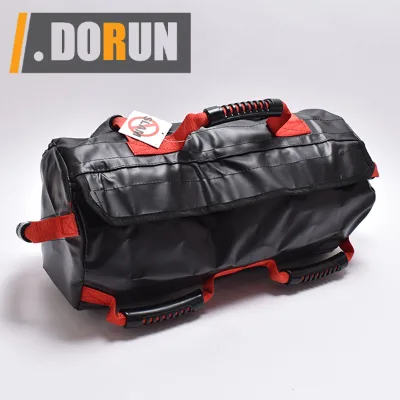
Sandbags-Heavy Duty Sandbags for Fitness Weighted Power Training Sandbag Sand Bag
$8.30 - $8.50
MOQ: 120 Pieces
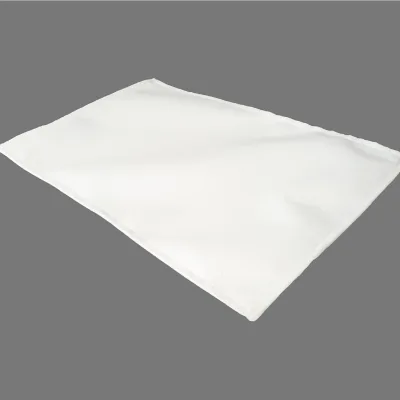
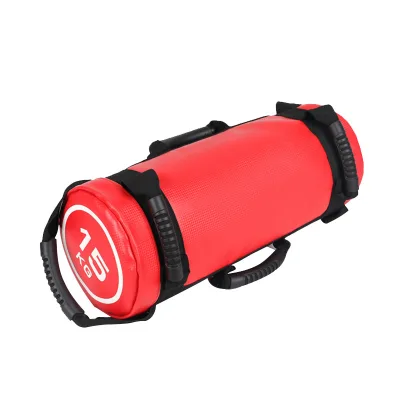


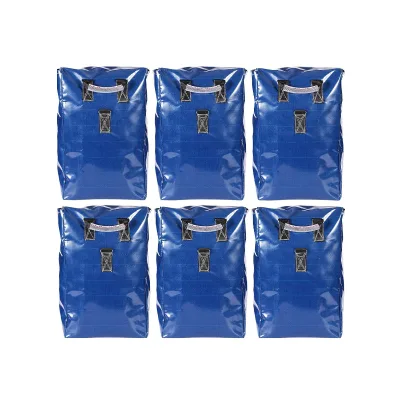




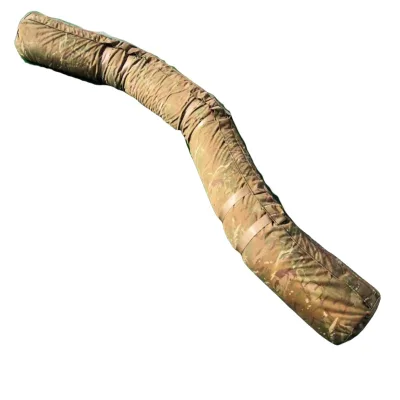


$0.10 - $0.12
MOQ: 50000 Pieces


Comprehensive Sourcing Guide
Strategic Sourcing Guide for Commercial Home Weighted Sandbags
Understanding Product Variants and Technical Specifications
When sourcing weighted sandbags for commercial or home applications, buyers must first distinguish between the two primary categories observed in the market: fitness-grade expansion bags and emergency flood control sandbags. These products share a common name but serve diametrically opposed functions. Fitness sandbags are designed for resistance training, body building, and gymnasium use, often featuring adjustable weight mechanisms and durable, recyclable materials. In contrast, flood barrier sandbags are engineered for rapid deployment in emergency scenarios, prioritizing lightweight portability and water retention capabilities.
The technical specifications for fitness-grade sandbags typically include an ellipse or rectangular shape with dimensions such as 30*70 cm. These units often come in a single package size of 30x35x1 cm and weigh approximately 0.500 kg when empty. The material composition for high-quality fitness bags frequently involves PP non-woven fabric combined with absorbent materials to ensure durability and shape retention. Some models, such as those designated with model numbers like ZHZ-0130 or ZHZ-0127, offer specific dimensions and are packaged in paper boxes. The color palette for these fitness units often includes green, though black and white options exist for other variants.
Conversely, flood control sandbags, such as those with model numbers DP400 or HV-219, utilize PVC or similar synthetic materials. These products are characterized by their "self-inflated" or rapid-fill capabilities, often described as having a "light weight easy to deploy" feature. The dimensions for these emergency units can vary significantly, with some standards listing sizes around 28 x 10 x 10 inches or 7.36 x 6.93 x 2.68 inches. The packaging for these items is typically carton-based, and they are designed for single-item sale units. Buyers must verify the specific application, as the "Application" field in product data may list "Gymnasium" for fitness models and "flood barrier" for emergency models. Confusing these two categories during procurement can lead to significant operational failures, as a flood bag lacks the structural integrity for high-impact exercise, and a fitness bag may not seal effectively against water.
Compliance and Certification Verification
In the B2B procurement of weighted sandbags, verifying compliance with international standards is critical for both safety and liability management. The market data indicates that reputable suppliers often provide certifications such as CE, ISO, and RoHS. These certifications serve as evidence that the product meets specific safety, environmental, and quality management requirements. For instance, the presence of ISO 9001:2000 certification suggests that the manufacturer adheres to a quality management system that ensures consistent product quality. However, buyers should not assume that every listed product automatically possesses these certifications; they must be explicitly confirmed in the supplier's documentation.
The RoHS (Restriction of Hazardous Substances) certification is particularly relevant for products intended for close human contact, such as fitness sandbags used in home gyms. This certification ensures that the materials used, including the PP non-woven fabric or PVC components, do not contain restricted hazardous substances like lead, mercury, or cadmium. Similarly, the CE mark indicates conformity with health, safety, and environmental protection standards for products sold within the European Economic Area. For commercial buyers importing from regions like Jiangsu or Hebei in China, verifying that the supplier's production facility holds valid ISO 9001:2000 certification is a prudent step to mitigate the risk of receiving substandard goods.
Buyers should also investigate the "Standard" field in product specifications, which may reference specific dimensional standards or material grades. For example, some product listings reference a standard dimension of 28 x 10 x 10 inches or 7.36 x 6.93 x 2.68 inches. While these numbers represent specific product sizes, they highlight the need for buyers to verify that the manufacturer's internal standards align with the claimed specifications. It is essential to request test reports or certification documents directly from the supplier rather than relying solely on the product page summary. This verification process ensures that the product meets the regulatory requirements of the destination market and reduces the risk of customs delays or product recalls.
Cost Drivers and Pricing Dynamics
The pricing of weighted sandbags is influenced by a complex interplay of factors, including material costs, manufacturing complexity, and order volume. The observed price range in the market spans from $0.02 to $170, a wide variance that reflects the diversity of product types and quality levels. The lower end of this spectrum typically corresponds to basic flood control sandbags or simple fitness bags with minimal customization. These products often utilize standard PVC or PP materials and are sold in high volumes with minimal value-added features. The higher end of the price range, reaching up to $170, is generally associated with premium fitness sandbags that offer advanced features such as adjustable weight mechanisms, custom branding, and high-quality packaging.
Minimum Order Quantity (MOQ) is a significant driver of unit cost. The observed MOQ range extends from 1 to 50,000 units. Suppliers often offer lower unit prices for orders that meet or exceed specific thresholds, such as 100 or 1000 pieces. For example, some product listings indicate an MOQ of 100 pieces, while others may require 1000 pieces. Buyers with smaller volume requirements may face higher per-unit costs or may need to negotiate with suppliers who offer lower MOQs at a premium. Additionally, the availability of customization options, such as customized logos or specific color schemes, can increase the overall cost. Customization typically requires additional setup fees and longer lead times, which are factored into the final price.
Material costs also play a crucial role in pricing. Products made from high-grade, recyclable materials or those with specialized features like "light weight easy to deploy" mechanisms may command a higher price. The "Value for Money" attribute, often cited as "High" in product descriptions, suggests that buyers should look beyond the sticker price and consider the product's durability and longevity. A slightly more expensive sandbag that is "Durable" and "Stable" may offer better long-term value than a cheaper alternative that requires frequent replacement. Buyers should analyze the total cost of ownership, including shipping, customization, and potential replacement costs, rather than focusing solely on the initial purchase price.
Typical Applications and Use Cases
The application of weighted sandbags varies significantly depending on the product design and intended use. In the fitness sector, these bags are primarily used for body building, gymnasium workouts, and general fitness training. The "Sport Type" is often categorized as "Fitness," and the "Application" is explicitly listed as "Gymnasium" or "Body Building." These products are designed to provide versatile resistance training, allowing users to perform a wide range of exercises. The "Function" is described as "Versatile," indicating that the bags can be used for various training modalities. The "Age" group for these products is typically "Adult," and the "Condition" is "New," ensuring that they are ready for immediate use in commercial or home gyms.
In the emergency management sector, weighted sandbags serve a critical role as flood barriers. The "Application" for these products is listed as "flood barrier," and they are designed for rapid deployment in disaster scenarios. These bags are often "Light Weight" and "easy to deploy," making them ideal for situations where speed is essential. The "Feature" of being "Recyclable" is also relevant for environmental considerations in emergency response. The "Shape" of these bags may be "Ellipse" or rectangular, and the "Color" options often include black or white to blend with various environments. The "Suitable" attribute, marked as "Yes," indicates that these products are appropriate for their intended emergency use.
Buyers must carefully match the product specifications to their specific use case. A fitness sandbag with a "Fixed" weight adjustment may not be suitable for a training program requiring variable resistance, while a flood barrier bag may lack the structural integrity needed for high-impact exercises. The "Style" of the product, often described as "Simple," should also align with the aesthetic requirements of the intended environment. For commercial gyms, a "High Quality" and "Stable" product is essential to withstand frequent use, whereas for emergency services, the "Capacity" being "Big" and the "Weight Adjustable" feature being "Fixed" may be less critical than the speed of deployment.
Supplier Evaluation and Quality Control
Evaluating suppliers for weighted sandbags requires a thorough assessment of their production capabilities, quality control processes, and track record. Buyers should prioritize suppliers who provide clear documentation of their certifications, such as CE, ISO, and RoHS, and who can demonstrate adherence to standards like ISO 9001:2000. The "Place of Origin" is another important factor, with major manufacturing hubs like Jiangsu and Hebei in China being common sources. Buyers should verify the specific location of the supplier's facility to ensure it aligns with their logistics and compliance requirements.
Quality control is paramount, especially for products intended for commercial use. Buyers should request samples to test the "Durability," "Stability," and "Quality" of the sandbags before placing large orders. The "Single gross weight" and "Single package size" should be verified to ensure they match the product specifications. For fitness sandbags, the "Logo" customization options should be evaluated for print quality and durability. For flood control sandbags, the "Material" composition, such as PP non-woven or PVC, should be tested for water resistance and strength. The "Condition" of the product should be "New," and the "Age" suitability should be confirmed for the target demographic.
Buyers should also assess the supplier's ability to handle customization requests. The "Customization" attribute being "Available" suggests that suppliers can accommodate specific branding or design requirements. However, the "MOQ" for customized orders may be higher than for standard products. The "Packing" method, whether "Paper Box" or "Carton," should be evaluated for its ability to protect the product during shipping. The "Single volume" and "Capacity" of the packaging should be sufficient to prevent damage during transit. By conducting a comprehensive supplier evaluation, buyers can ensure that they partner with a reliable manufacturer capable of delivering high-quality weighted sandbags that meet their specific needs.
Long-Term Procurement Considerations
Long-term procurement of weighted sandbags involves more than just securing a one-time purchase; it requires building a sustainable supply chain that can adapt to changing market demands. Buyers should consider the "Value for Money" aspect, ensuring that the products they source offer a balance of cost and quality that justifies long-term investment. The "Feature" of being "Recyclable" is increasingly important as environmental regulations become stricter and corporate sustainability goals become a priority. Suppliers who can demonstrate a commitment to eco-friendly materials and manufacturing processes may offer a competitive advantage in the long run.
The "Customization" capability of suppliers is another key consideration for long-term procurement. As brands evolve, the need for customized logos, colors, and packaging may increase. Buyers should seek suppliers who can scale their customization services to meet growing demand without compromising quality. The "MOQ" flexibility is also crucial, as buyers may need to adjust order volumes based on seasonal fluctuations or market trends. Suppliers who can accommodate a wide range of MOQs, from 1 to 50,000 units, provide greater flexibility in managing inventory and cash flow.
Finally, buyers should establish clear communication channels with their suppliers to ensure timely delivery and prompt resolution of any issues. The "Lead time" and "Production capacity" should be monitored regularly to prevent supply chain disruptions. By focusing on these long-term considerations, buyers can build a resilient supply chain that supports their business growth and meets the evolving needs of their customers. The "Quality" and "Durability" of the products should be continuously evaluated to ensure they remain fit for purpose over time, maintaining the trust and satisfaction of end-users.
FAQs
What certifications do commercial home weighted sandbags typically have?
Reputable products often carry CE, ISO, and RoHS certifications to ensure safety and environmental compliance. Buyers should verify these explicitly in supplier documentation rather than assuming they apply to every listing. Some manufacturers also adhere to ISO 9001:2000 standards for consistent quality management during production.
How do fitness sandbags differ from flood control sandbags?
Fitness sandbags are designed for body building and gymnasium use with durable materials like PP non-woven fabric. Flood control bags prioritize rapid deployment for barriers and often use PVC. Confusing these categories can lead to operational failures as each lacks the structural integrity required for the other's specific application.
What is the typical minimum order quantity for these sandbags?
The observed minimum order quantity ranges from 1 to 50,000 units depending on the supplier and customization needs. Specific listings indicate MOQs of 100 or 1000 pieces for standard orders. Buyers with smaller volume requirements may face higher per-unit costs or need to negotiate with suppliers offering lower thresholds.
Can buyers request customized logos on these products?
Yes, customization is available for many models, allowing for branded logos on the product surface. This option often requires meeting a higher minimum order quantity and may involve additional setup fees. The style is typically simple, and the condition remains new upon delivery to the buyer.
Where are these weighted sandbags primarily manufactured?
Major manufacturing hubs for these products are located in Jiangsu and Hebei, China. Buyers should verify the specific place of origin to align with logistics and compliance requirements. The products are generally exported globally with packaging designed to protect the goods during transit.
What materials are used to construct these sandbags?
Fitness variants often use PP non-woven fabric combined with absorbent materials for durability. Flood control models frequently utilize PVC for water retention and rapid deployment. The material choice impacts the product's weight, recyclability, and suitability for either gymnasium workouts or emergency barrier applications.