Source Commercial Indoor Magnetic Exercise Bike for Home Gym and Community
Compare 30 Commercial Indoor Magnetic Exercise Bike options from verified Chinese manufacturers. Buyers can evaluate specifications like flywheel weight, resistance mechanisms, and dimensions for home gym, gymnasium, and community fitness applications.
Key considerations
Products List


Home Gym Commercial Indoor Training Fitness Magnetic Spinning Exercise Bike
$21.00 - $25.00
MOQ: 100 Pieces


Commercial Indoor Upright Sports Body Building Bicycle Magnetic Exercise Spinning Bike
$21.00 - $25.00
MOQ: 100 Pieces


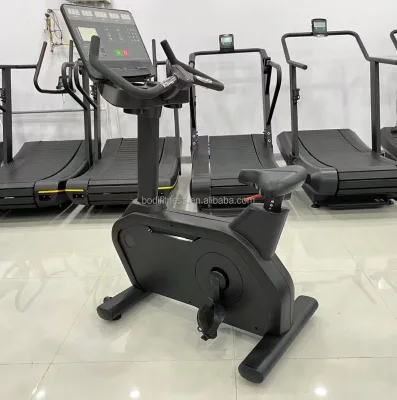


Commercial Magnetic Resistance Exercise Bike Cardio Training Fitness Gym
$58.00 - $128.00
MOQ: 1 Pieces

Exercise Bike Cardio Gym Equipment Magnetic Commercial Home spinning Bike
$230.00 - $310.00
MOQ: 1 Pieces



Comprehensive Sourcing Guide
Commercial Indoor Magnetic Exercise Bike Sourcing Guide
Sourcing commercial-grade indoor magnetic exercise bikes requires a disciplined approach to verifying technical specifications, compliance documentation, and supplier capabilities. These machines are designed for high-frequency use in gyms, hotels, and fitness centers, where durability and consistent resistance are paramount. Buyers must distinguish between consumer-grade equipment and true commercial units by examining material thickness, flywheel mass, and the robustness of the magnetic resistance mechanism. The following guide outlines the critical verification steps and commercial considerations necessary to secure reliable inventory.
Product Scope and Observed Listing Signals
The Commercial Indoor Magnetic Exercise Bike market encompasses a range of models designed for home gyms, community centers, and professional gymnasiums. Observed listings indicate a diverse product portfolio with varying dimensions, weights, and resistance technologies. For instance, specific models such as the A10 and HQ-708 are explicitly marketed for gymnasium and home fitness applications, highlighting the versatility of these units across different facility types. The presence of customization options, including logo printing and color variations, suggests that many suppliers cater to branded retail or corporate wellness programs rather than just generic wholesale distribution.
Listing signals reveal significant variation in physical attributes and packaging standards, which directly impact logistics and installation costs. Products are observed with weights ranging from 52 kg to 72 kg, indicating substantial build quality suitable for heavy usage. Packaging methods vary from wooden boxes with assembly packages to plywood cases, reflecting different supplier preferences for protection during transit. Buyers should note that while some listings mention "wooded boxes," others specify "plywood cases," and these distinctions are critical for determining freight volume and handling requirements at the destination port.
Technical Specifications to Verify
Flywheel mass and resistance mechanism are the primary determinants of ride quality and durability in magnetic exercise bikes. High-performance commercial units typically feature flywheels exceeding 20 kg, providing smooth inertia and momentum that mimic outdoor cycling dynamics. In contrast, lighter models with flywheels between 10-20 kg may suffice for low-intensity or residential use but might lack the stability required for high-traffic commercial environments. The resistance mechanism itself is predominantly magnetic, utilizing magnets to create frictionless braking, which ensures quiet operation and minimal maintenance compared to traditional friction-pad systems.
Frame construction and material specifications are equally critical for ensuring long-term structural integrity. Commercial bikes often utilize Q235 steel with a minimum thickness of 3mm to withstand repeated stress and heavy user loads. The maximum user weight capacity is a key specification, with observed models supporting up to 150 kg, which aligns with standard commercial safety margins. Additionally, the transmission mode, often described as a leather belt, contributes to the smoothness of the pedal stroke and reduces noise levels, a vital feature for open-plan gym floors or hotel fitness rooms where noise disturbance must be minimized.
Compliance and Safety Documentation
Certification requirements vary by region but generally include CE and RoHS marks for European markets, ensuring electrical and material safety standards are met. Some listings also reference ISO certifications, which indicate adherence to international quality management systems, though buyers must verify the specific ISO standard applicable to the manufacturing process. The presence of multiple certification labels, such as CE, RoHS, and ISO, on different product models suggests that suppliers may offer varying levels of compliance depending on the target market or specific product line. Buyers should request valid certificates for each model they intend to import to avoid customs clearance issues.
Safety and operational standards also encompass user interface durability and emergency stop mechanisms, although these are not always explicitly detailed in basic product listings. Buyers should verify that the bike’s electronic components, if any, are protected against moisture and dust, especially in humid gym environments. Furthermore, the stability of the bike under maximum load must be confirmed through structural testing reports. While specific test results are not provided in general listings, reputable suppliers should be able to provide third-party lab reports confirming that the frame and components meet relevant safety thresholds for commercial fitness equipment.
Cost Drivers and Commercial Terms
Pricing for commercial indoor magnetic exercise bikes is influenced by material costs, flywheel weight, and the level of customization requested. Observed price ranges span from approximately $9.50 to $820, reflecting a wide spectrum of quality tiers and feature sets. Lower-priced items may correspond to basic models with thinner steel or smaller flywheels, while higher-priced units likely offer enhanced durability, advanced magnetic resistance systems, and premium finishes. Buyers must align their budget with the intended application, recognizing that cheaper units may incur higher maintenance costs over time in a commercial setting.
Minimum Order Quantities (MOQ) and warranty terms are significant factors in the total cost of ownership. MOQs typically range from 1 to 200 sets, offering flexibility for small boutique gyms as well as large-scale distributors. A standard warranty of one year is commonly observed, which is typical for fitness equipment but may be insufficient for high-traffic commercial use. Buyers should negotiate extended warranty periods or comprehensive spare parts packages, particularly for high-wear components like belts, magnets, and bearings. Additionally, the "factory price" advantage mentioned in some listings should be evaluated against the total landed cost, including shipping, insurance, and import duties.
Supplier Qualification and Quality Control
Supplier location and manufacturing capability are key indicators of reliability, with many producers based in regions like Dezhou and Shandong in China, known for their fitness equipment manufacturing clusters. Buyers should verify the supplier’s production capacity and quality control processes, including in-line inspections and final random inspections. The use of specific steel grades like Q235 and standardized dimensions, such as 16006301200mm or 10305801140mm, suggests a degree of standardization in production, which can facilitate easier replacement of parts and consistent assembly.
Quality control should also extend to packaging and labeling standards to prevent damage during transit. Observed packaging methods, including wooden cases and carton boxes, must be evaluated for their ability to protect the bike during long-distance shipping. Buyers should request photos of actual packaging and, if possible, conduct pre-shipment inspections to ensure that components are securely fastened and that the finish is free from scratches or defects. Customization requests, such as logo printing, should be approved with physical samples before mass production to ensure brand consistency and quality.
Long-Term Procurement Checks
Establishing a long-term procurement strategy involves monitoring supplier performance and product consistency over time. Buyers should track defect rates, warranty claims, and customer feedback to identify any recurring issues with specific models or batches. Regular audits of the supplier’s quality management system can help ensure that they maintain the same standards of material and workmanship. Additionally, staying informed about changes in international trade regulations and certification requirements is essential to avoid disruptions in supply chains.
Building a strong relationship with the supplier can lead to better pricing, priority production, and access to new product innovations. Buyers should engage in regular communication regarding market trends and user feedback to guide future purchasing decisions. By focusing on durable, well-certified models with clear technical specifications, buyers can minimize operational downtime and enhance the user experience in their fitness facilities. Continuous evaluation of the total cost of ownership, including maintenance and replacement parts, will ensure that the procurement strategy remains cost-effective and aligned with business goals.
FAQs
What certifications do these bikes have?
The products hold CE, RoHS, and ISO certifications. These standards ensure safety and compliance for gymnasium and home gym fitness exercise applications.
How is the resistance adjusted on the bike?
Resistance is adjusted via a magnetic mechanism using magnets. This system provides smooth operation without the need for manual friction adjustments.
Can I customize the logo on the equipment?
Yes, customized logos are available for these units. Buyers can request specific branding to be applied to the Commercial Indoor Magnetic Exercise Bike.
What is the maximum user weight capacity?
The maximum user weight capacity is 150 kilograms. This limit ensures safe operation for adults using the equipment in community or gym settings.
How is the product packed for shipping?
Items are packed in wooden cases, plywood cases, or cartons. This sturdy packaging protects the steel and ABS construction during transit.
What is the warranty period for the bike?
The standard warranty period is one year. This coverage applies to the new condition units manufactured in Dezhou or Shandong, China.
Which flywheel weight options are available?
Flywheel weights range from over 20 kg to between 10 and 20 kg. These heavy flywheels contribute to the durable and stable riding experience.