Source Commercial Hydro Dermabrasion Machine for Salon, Home, and Clinic
Find 30 Commercial Hydro Dermabrasion Machine options from verified Chinese suppliers. Compare models like SPA608 PLUS and Z400, featuring oxygen jet and Hydra-Dermabrasion tech for salon, home, and clinic use. View specs, pricing, and MOQs to streamline your sourcing process.
Updated
Key considerations
Products List


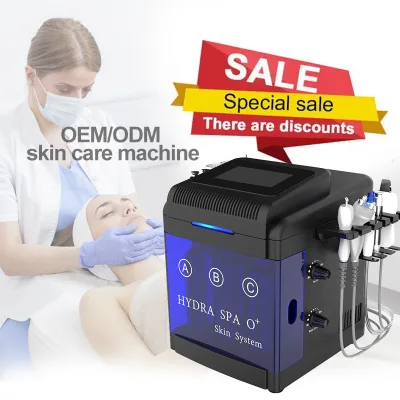
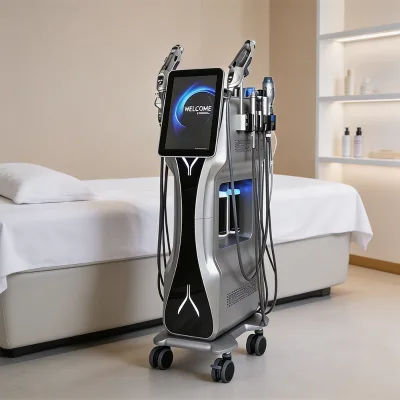
Hydro Microdermabrasion Machine Facial Lifting Skin Dermabrasion Beauty Equipment
$1050.00 - $1600.00
MOQ: 1 Pieces


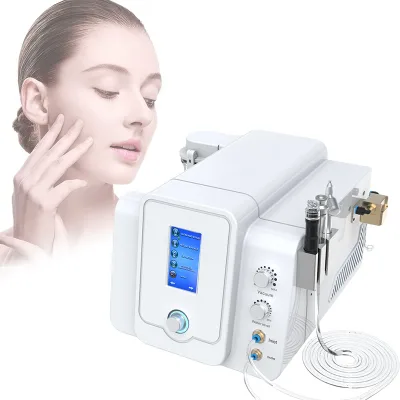
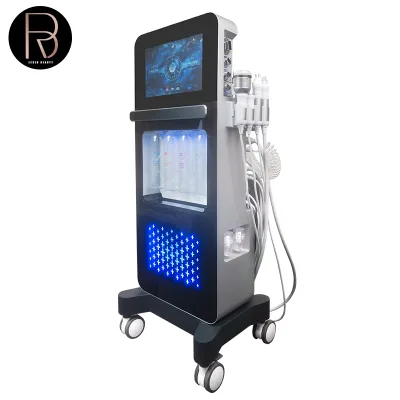
Professional Skin Scrubber Tighten Pores Blackheads Removal Hydro Dermabrasion Machine
$1037.00 - $1276.00
MOQ: 1 Pieces

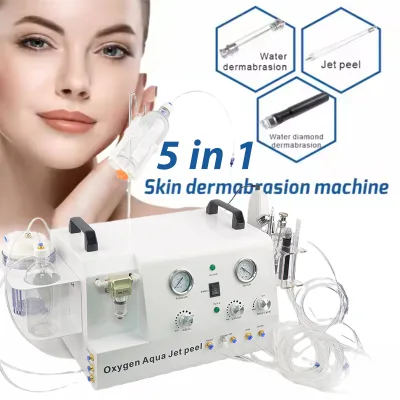
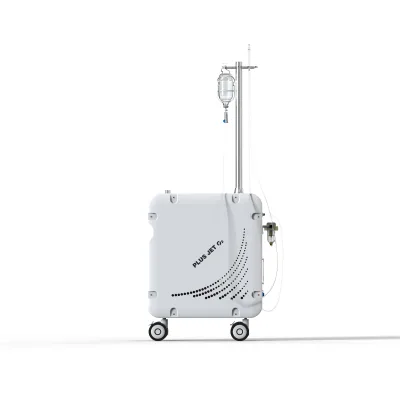
Multifunctional Removes Dead Skin Professional Hydro Dermabrasion Machine
$1037.00 - $1276.00
MOQ: 1 Pieces
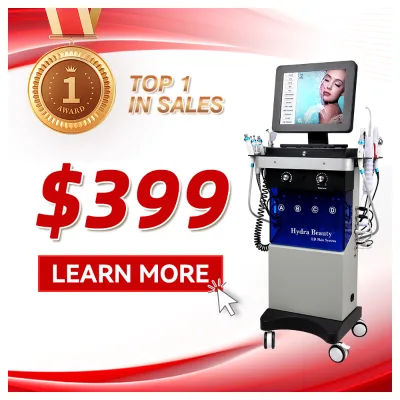

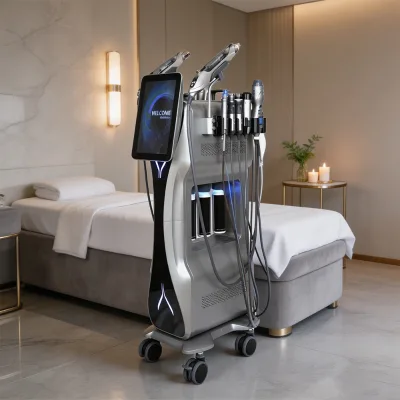
Professional Hydra Dermabrasion Machine / Hydro Microdermabrasion Facial Machine
$1600.00 - $2500.00
MOQ: 1 Pieces


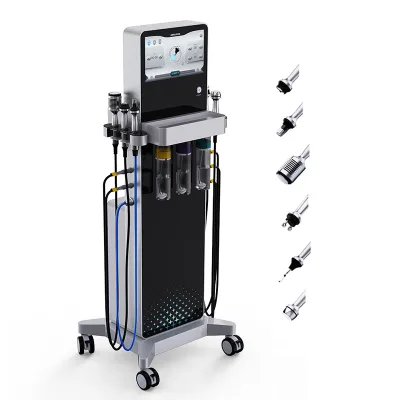
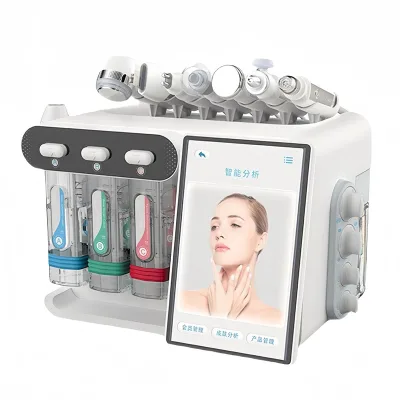
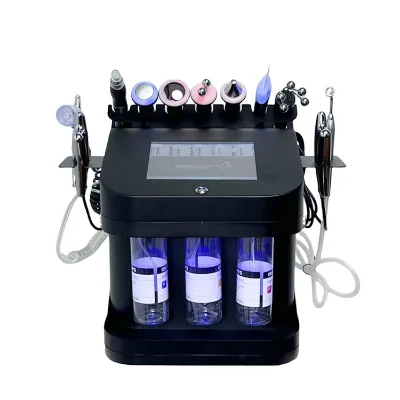


Comprehensive Sourcing Guide
Commercial Hydro Dermabrasion Machine Sourcing Guide
Procuring commercial hydro dermabrasion machines requires a disciplined approach to verifying technical capabilities and supplier reliability. Buyers must distinguish between basic oxygen jet systems and multi-function spa units that integrate hydrafacial technologies. The market offers devices ranging from simple oxygen infusion tools to complex systems featuring vacuum suction, RF, and ultrasound capabilities. Understanding these distinctions is critical for aligning equipment with specific clinic service menus and patient treatment protocols.
This guide focuses on evidence-based verification steps for sourcing these devices from international manufacturers, primarily those based in China. It emphasizes the importance of validating technical specifications such as oxygen concentration, vacuum pressure, and power output against actual product data. By adhering to strict verification protocols, procurement teams can mitigate risks associated with performance discrepancies and ensure that the acquired equipment meets the rigorous demands of professional beauty and dermatological applications.
Product Scope and Observed Listing Signals
The current market landscape for commercial hydro dermabrasion equipment reveals a diverse range of product models, including the SPA608 PLUS, SPA990, spa909H, and Z400. These devices are generally categorized by their primary function, such as oxygen jet peeling or multi-function skin spa systems. Listings indicate that these machines are designed for both salon and home use, though commercial buyers should prioritize models explicitly marketed for commercial durability and higher output capacities. The observed price range spans from $85 to $3,000, reflecting significant variations in component quality, screen size, and integrated technologies.
Observed minimum order quantities (MOQ) are consistently listed as one unit, suggesting that suppliers are flexible for initial procurement trials. However, buyers must scrutinize the specific model attributes to ensure they match commercial needs. For instance, some models feature a 12-inch touch screen and multiple handpieces, while others may have simpler interfaces. The packaging varies from wooden cases to aviation aluminum boxes, which impacts shipping costs and product protection. Understanding these listing signals helps buyers filter out low-specification units that may not withstand high-volume commercial use.
Technical Specifications to Verify
Technical verification must begin with core performance metrics, particularly oxygen concentration and vacuum pressure. High-quality units should deliver an oxygen concentration of 98%, ensuring effective infusion during facial treatments. Vacuum capabilities are equally important, with some models specifying a maximum output of 90kpa or negative pressure of 96kpa for deep cleansing. Buyers should also verify the power consumption, which ranges from 180W to 300W, and ensure the voltage compatibility matches the local electrical infrastructure, typically 100-240VAC.
Additional technical features often include RF, ultrasound, and PDT light therapies. For example, the SPA990 model integrates 5MHz RF and 1MHz ultrasound, while the spa909H offers cold and hot scope functions ranging from 0-6°C to 36-46°C. The number of handpieces and probes is a critical differentiator, with some units providing up to 10 handpieces or 15 probe heads. Buyers must confirm the screen size, such as 12.1-inch displays, and the physical dimensions of the machine to ensure it fits the intended treatment room space.
Compliance and Safety Documentation
Compliance verification is a non-negotiable step in the procurement process, particularly for devices that interact directly with human skin. Buyers must request valid CE certification documents for all proposed models, as this is a standard requirement for market access in many regions. The certification should cover the main machine and all attached accessories, including handpieces and probes. It is essential to verify that the certification is current and issued by a recognized notified body, ensuring that the device meets European safety and health standards.
Beyond CE marking, buyers should inquire about other relevant safety standards and electrical compliance certificates. Documentation should include detailed user manuals, maintenance guides, and warranty terms that clearly define coverage periods. For instance, some suppliers offer a one-year warranty for the main machine and three months for spare parts. Buyers must ensure that these terms are explicitly stated in the contract and that the supplier provides clear procedures for claiming warranty support, including the shipment of replacement parts.
Cost Drivers and Commercial Terms
Several factors influence the final cost of commercial hydro dermabrasion machines, including the complexity of integrated technologies and the quality of components. Models featuring multiple therapies, such as RF, ultrasound, and oxygen jet functions, command higher prices due to the additional engineering and manufacturing costs. The size of the touch screen and the number of included handpieces also contribute to the overall price. Buyers should request detailed quotations that break down the cost of the main unit, accessories, and any optional upgrades to avoid hidden fees.
Commercial terms, including payment methods, shipping arrangements, and lead times, must be clearly defined before placing an order. While MOQs are often low, bulk purchases may offer discounts, so buyers should negotiate based on projected volume. Shipping costs can vary significantly depending on the packaging type, such as wooden cases or aviation aluminum boxes, and the final destination. Buyers should also consider the total cost of ownership, including potential maintenance costs and the availability of spare parts, to make an informed financial decision.
Supplier Qualification and Quality Control
Supplier qualification requires a thorough assessment of the manufacturer’s production capabilities and quality control processes. Buyers should verify the supplier’s business license, factory audit reports, and history of exporting similar medical or beauty equipment. It is advisable to request video tours of the production line to observe assembly processes and testing procedures. Suppliers based in regions like Guangzhou often have established supply chains, but buyers must still validate their specific quality management systems.
Quality control checks should include pre-shipment inspections to verify that the delivered units match the agreed specifications. Buyers should confirm that each machine undergoes functional testing for oxygen output, vacuum pressure, and electrical safety before packaging. Requesting sample units or visiting the factory during production can provide valuable insights into the supplier’s attention to detail. Establishing a clear communication channel for addressing any defects or discrepancies ensures that issues are resolved promptly, protecting the buyer’s investment and reputation.
Long-Term Procurement Checks
Long-term success in sourcing hydro dermabrasion machines depends on establishing a reliable supply chain for spare parts and technical support. Buyers should confirm the availability of critical components such as handpieces, probes, and screens, which may wear out over time. Suppliers should provide a comprehensive list of spare parts with pricing and lead times for delivery. Ensuring that replacement parts are readily available minimizes downtime and maintains service continuity for end-users.
Regular performance audits of the installed equipment are also essential to ensure ongoing compliance and safety. Buyers should schedule periodic maintenance checks and verify that the machines continue to meet specified technical parameters. Keeping detailed records of maintenance activities and warranty claims helps in tracking the lifecycle of the equipment. By maintaining strong relationships with suppliers and staying informed about technological advancements, buyers can optimize their procurement strategies and deliver consistent, high-quality services to their clients.
FAQs
What certifications do commercial hydro dermabrasion machines have?
Commercial hydro dermabrasion machines typically hold CE certification to ensure compliance with safety standards. This certification is a key indicator of quality for buyers sourcing equipment from China. It verifies that the device meets essential health and safety requirements for operation in various international markets.
Can these machines be customized for specific salon needs?
Yes, customization is available for many commercial hydro dermabrasion systems. Buyers can often request specific configurations to suit their clinic's workflow. This flexibility allows businesses to tailor the equipment to their unique operational requirements and branding preferences effectively.
What is the typical warranty period for this equipment?
The standard warranty period is usually 12 months for the main machine. Some suppliers offer extended coverage for specific components, such as three months for spare parts. This warranty structure helps protect your investment against manufacturing defects during the initial operational phase.
How much does a Commercial Hydro Dermabrasion Machine cost?
Prices for these machines generally range from 85 to 3000 USD. The cost varies based on features, power output, and included handpieces. Buyers should compare specifications to find the best value that aligns with their budget and functional requirements for their business.
What is the minimum order quantity for these devices?
The minimum order quantity is typically one unit for most suppliers. This low MOQ allows businesses to test the equipment before committing to larger purchases. It provides flexibility for clinics looking to upgrade their existing beauty treatment offerings without significant initial inventory risk.
Where are commercial hydro dermabrasion machines manufactured?
These machines are primarily manufactured in China, with many factories located in Guangzhou. This region is known for its robust manufacturing infrastructure for beauty equipment. Buyers can expect efficient production capabilities and established supply chains when sourcing from these specific geographic origins.