Source Commercial Kitchen Donut Maker for Cafes, Bakeries, and Retail
Find and compare 30 Commercial Kitchen Donut Maker options for your business needs. Evaluate features like automatic grade, capacity, and heating sources to select the right equipment for your production volume.
Key considerations
Products List


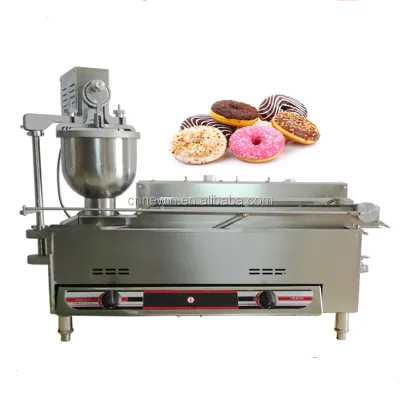


Automatic Donut Machine Doughnut Yellow Donut Maker Commercial Donut Making Machines
$923.07 - $1230.76
MOQ: 5 Pieces

Commercial Kitchen Bagel Moulder Forming Machine Bread Dough Moulder Yellow Donut Maker
$2382.35 - $2941.85
MOQ: 1 Pieces

Kitchen Equipment Automatic Donuts Machine Electric Mini Donut Maker
$923.07 - $1230.76
MOQ: 10 Pieces

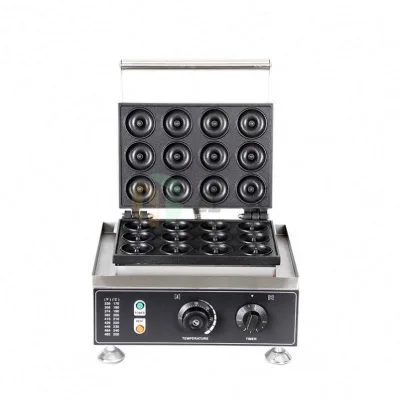
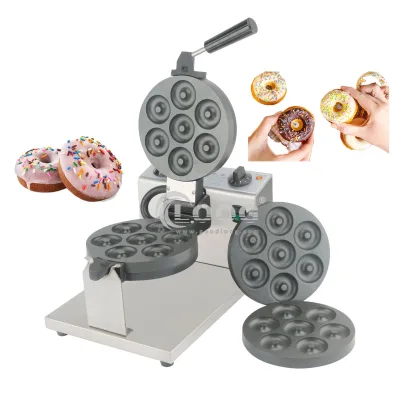
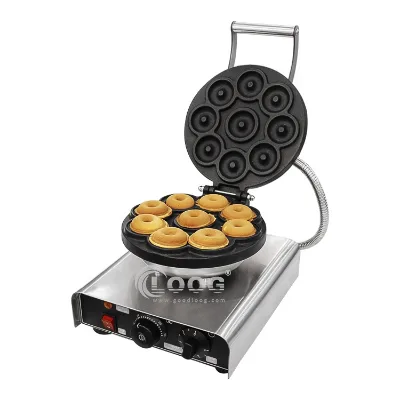


Commercial Donut Maker Machine Automatic High Quality Donut Making Machine
$1050.00 - $1450.00
MOQ: 1 Pieces




Comprehensive Sourcing Guide
Commercial Kitchen Donut Maker Sourcing Guide
Sourcing a Commercial Kitchen Donut Maker requires a careful balance between production capacity, equipment durability, and operational efficiency. The market offers a diverse range of machines, from semi-automatic units designed for small bakeries to fully automatic systems capable of high-volume output. Buyers must first define their specific production needs, such as the desired donut diameter and hourly output, to narrow down the available options. The observed product landscape includes models with varying specifications, such as the MLP-Q5, which features a rectangular shape and stainless steel construction, and the Newin brand machines like the JW-T100 and T-100A, which offer different levels of automation and capacity. Understanding these distinctions is crucial for selecting a machine that aligns with your business scale and menu requirements.
The decision-making process also involves evaluating the power source and heating mechanisms, as these factors directly impact operational costs and installation requirements. Available options range from electric-only systems to those that support both electric and gas heating, providing flexibility based on the kitchen’s existing infrastructure. For instance, some models specify a power consumption of 6kw with a 220V/50Hz voltage requirement, while others may rely on gas or electric heat sources. Buyers should assess their facility’s electrical capacity and utility availability to ensure compatibility. Additionally, the physical dimensions and weight of the equipment, which can vary significantly from compact units to heavy-duty machines weighing up to 60kg, must be considered in relation to the available kitchen space and floor load capacity.
Product Scope and Observed Listing Signals
The current market listings reveal a wide spectrum of commercial donut makers, characterized by distinct material compositions and functional attributes. Stainless steel is a prevalent material choice, offering durability and ease of cleaning, which is essential for commercial environments. Some units are explicitly described as non-disposable and dishwasher safe, although others may have specific care instructions that preclude dishwasher use. The observed price range spans from approximately $6.95 to $500,000, reflecting the vast difference between simple accessories or small-scale devices and large, fully automated industrial production lines. This disparity underscores the importance of clearly defining budget constraints and production volume expectations before engaging with suppliers.
Listing signals also highlight significant variations in customization options and packaging standards. Many suppliers offer customization services, allowing buyers to tailor machines to specific brand requirements or operational workflows. Packaging details vary from standard carton boxes to more robust wood box or plywooden case packing, which is critical for protecting the equipment during international shipping. For example, certain models are packed in dimensions of 1100680900mm, while others may have different packing carton sizes. Buyers should verify the packaging method to ensure the machine arrives undamaged and to plan for appropriate storage and handling procedures upon delivery. The presence of customization options can add value but may also extend lead times, so this should be factored into the procurement timeline.
Technical Specifications to Verify
Verifying technical specifications is paramount to ensuring the selected donut maker meets operational demands. Key parameters to confirm include the machine’s capacity, which can range from 300 to 1200 pieces per hour for some models, to 800-1000 pieces per hour for others. Buyers must align this capacity with their peak production hours to avoid bottlenecks. Additionally, the automatic grade of the machine, whether semi-automatic or fully automatic, dictates the level of labor required. Fully automatic units, such as the T-100A, reduce manual intervention, while semi-automatic models may require more hands-on operation. Understanding these differences helps in planning staffing needs and training requirements for kitchen personnel.
Other critical technical details include the heating source, voltage requirements, and physical dimensions. Some machines support both electric and gas heating, offering versatility, while others are strictly electric. Voltage specifications, such as 220V/50Hz, must match the local power supply to prevent equipment damage. The physical footprint of the machine, with dimensions like 1050600850mm for certain models, must fit within the designated kitchen area. Buyers should also consider the weight of the equipment, which can impact installation and maintenance logistics. For instance, a machine weighing 58kg or 60kg may require specific handling equipment for relocation. Confirming these details with the supplier before purchase is essential to avoid costly modifications or returns.
Compliance and Safety Documentation
Compliance with safety and quality standards is non-negotiable for commercial kitchen equipment. Buyers should request certification documents, such as CE certification, which indicates conformity with health, safety, and environmental protection standards for products sold within the European Economic Area. Some listings mention ISOCE certification, which may refer to specific quality management standards. It is crucial to verify the validity and scope of these certifications with the issuing body. Additionally, buyers should inquire about any local regulatory requirements in their country of operation, as standards can vary significantly between regions. Ensuring that the equipment meets these regulatory benchmarks protects the business from legal liabilities and ensures safe operation.
Safety features and documentation should also be thoroughly reviewed. This includes user manuals, maintenance guides, and safety warnings specific to the machine’s operation. Buyers should confirm that the supplier provides comprehensive documentation in a language they understand. Furthermore, it is important to verify the warranty terms, which typically cover defects in materials and workmanship for a specified period, such as one year. Understanding the warranty coverage and the process for making claims is essential for long-term cost management. Buyers should also check if the supplier offers after-sales service, including technical support and spare parts availability, to minimize downtime in case of equipment failure.
Cost Drivers and Commercial Terms
Several factors influence the total cost of ownership for a commercial donut maker, beyond the initial purchase price. The automatic grade, capacity, and material quality are primary drivers of cost. Fully automatic, high-capacity machines made from premium stainless steel typically command higher prices. Buyers should also consider the power source, as gas-powered machines may have different installation costs compared to electric ones. Additionally, customization options can increase the upfront cost but may offer long-term benefits in terms of brand consistency and operational efficiency. It is advisable to request detailed quotes that break down the cost of the machine, accessories, and any customization fees.
Commercial terms, including payment methods, shipping costs, and lead times, also impact the overall procurement cost. The observed minimum order quantity (MOQ) ranges from 1 to 300 units, which can affect pricing tiers. Buyers should negotiate favorable payment terms, such as partial upfront payment and the remainder upon delivery or inspection. Shipping costs can be significant, especially for heavy equipment, so buyers should clarify whether the quoted price includes freight and insurance. Lead times can vary based on customization and production schedules, so it is important to align the delivery date with business needs. Understanding these commercial terms helps in budgeting accurately and avoiding unexpected expenses.
Supplier Qualification and Quality Control
Evaluating supplier qualification is a critical step in mitigating procurement risks. Buyers should assess the supplier’s experience, production capacity, and reputation in the market. Information such as supply ability, for example, 100 sets per month, can indicate the supplier’s capacity to handle large orders. Buyers should also verify the supplier’s location, as some listings mention origins in Jiangmen, Guangdong, or Henan, China. Proximity to manufacturing hubs can sometimes indicate better access to raw materials and skilled labor. Additionally, buyers should request references or case studies from previous clients to gauge the supplier’s reliability and product quality.
Quality control measures should be clearly defined and agreed upon before placing an order. This includes inspections during production and before shipment. Buyers should specify the quality standards and acceptance criteria for the donut makers. It is also important to verify the supplier’s ability to provide pre-shipment inspection reports. Some suppliers may offer third-party inspection services, which can provide an unbiased assessment of the product’s quality. Buyers should also consider the supplier’s after-sales service policy, including the availability of technical support and spare parts. A reliable supplier will have a robust quality control system and a commitment to customer satisfaction.
Long-Term Procurement Checks
Long-term procurement success depends on establishing a sustainable relationship with the supplier and ensuring ongoing support. Buyers should monitor the supplier’s performance over time, tracking metrics such as delivery punctuality, product quality consistency, and responsiveness to issues. Regular communication and feedback can help identify potential problems early and foster a collaborative partnership. Buyers should also stay informed about industry trends and technological advancements in donut making equipment, which may offer opportunities for upgrades or improvements. This proactive approach ensures that the business remains competitive and efficient.
Maintenance and spare parts availability are crucial for minimizing downtime and extending the lifespan of the equipment. Buyers should confirm the availability of spare parts and the lead time for their delivery. It is also important to establish a preventive maintenance schedule based on the manufacturer’s recommendations. Regular maintenance can prevent costly breakdowns and ensure consistent product quality. Buyers should also consider training their staff on proper operation and maintenance procedures to maximize the equipment’s performance. By focusing on long-term checks and relationship management, buyers can secure a reliable supply of high-quality donut makers and support their business growth.
FAQs
What is the heat resistance of the commercial donut maker?
The machine offers heat resistance above 200 degrees Celsius. This capability ensures safe operation during high-temperature frying cycles required for commercial donut production without damaging the unit.
Can the donut maker be customized for specific needs?
Yes, customization is available for this equipment. Buyers can request tailored specifications to match their production requirements while maintaining the core functionality of the stainless steel commercial unit.
Which certification does the donut maker hold?
The product holds ISOCE and CE certifications. These standards verify that the machine meets specific safety and quality requirements for commercial kitchen environments and international trade compliance.
How is the donut maker powered and heated?
The unit operates with an electric power source and supports electric or gas heating. This dual capability allows flexibility in installation depending on the available utilities at the commercial kitchen site.
What is the production capacity of the donut maker?
Production capacity ranges from 300 to 1200 pieces per hour. This output level supports high-volume commercial operations while accommodating different donut specifications with diameters between 1 and 10 centimeters.
Where is the donut maker manufactured and shipped from?
The product originates from Jiangmen, Guangdong, and Henan, China. Major dispatch ports include Guangzhou, Shenzhen, Shanghai, Qingdao, and Tianjin to facilitate efficient international logistics for buyers.