Source Commercial Lateral Raise Machine for Gym, Home, and Club
Find and compare 30 Commercial Lateral Raise Machine options from verified suppliers. Evaluate integrated gym trainers with steel construction, CE and ISO certifications, and customizable features for home gyms, fitness centers, and community clubs.
Key considerations
Products List


Hot Sell Commercial Fitness Equipment Standing Machine Side Lateral Raises
$378.00 - $398.00
MOQ: 1 Pieces


Premium Lateral Raise Machine with Adjustable Shoulder Side Raise Equipment
$799.00 - $870.00
MOQ: 2 Pieces


fitness equipment,gym machine,gym equipment,New Best Lateral Raise Machine-DF-8007
$669.00 - $729.00
MOQ: 1 Pieces



Comprehensive Sourcing Guide
Commercial Lateral Raise Machine Sourcing Guide
Sourcing a Commercial Lateral Raise Machine requires a disciplined approach to verifying technical specifications, compliance documentation, and supplier reliability. This guide provides evidence-based procurement strategies for buyers seeking to integrate lateral raise equipment into fitness facilities, focusing on the critical decision points that impact long-term operational success and user safety.
The following sections outline the essential verification steps, from understanding product scope and technical parameters to evaluating commercial terms and long-term maintenance requirements. Buyers are advised to use this framework to ensure that selected equipment meets the rigorous demands of commercial environments while aligning with specific facility needs and budget constraints.
Product Scope and Observed Listing Signals
The commercial fitness equipment market presents a diverse range of lateral raise machines, often categorized under broader classifications such as integrated gym trainers or specialized strength training units. Buyers should note that observed listings frequently include models with varying dimensions, weights, and load capacities, indicating that "lateral raise" may be a functional subset within larger multi-station equipment or standalone units. It is crucial to distinguish between machines designed for home use and those built for high-traffic commercial environments, as the latter typically feature more robust construction and higher weight limits.
Observed product attributes reveal significant variation in customization options, with many suppliers offering customized logos, colors, and packaging solutions. This flexibility allows buyers to align equipment aesthetics with their brand identity, but it also necessitates careful verification of lead times and minimum order quantities (MOQs). Some listings indicate an MOQ of just one piece, suggesting that sample orders or small-batch procurement are feasible, while others may require larger commitments for custom configurations.
Technical Specifications to Verify
When evaluating technical specifications, buyers must prioritize structural integrity and load capacity to ensure the machine can withstand frequent commercial use. Key parameters to verify include the machine's overall dimensions, weight, and maximum load capacity, as these factors directly impact installation requirements and user safety. For instance, observed specifications indicate that some units have a maximum load capacity of 60kg to 70kg, while others support up to 200kg, highlighting the importance of matching the equipment's capabilities to the target user demographic and intended usage intensity.
Material quality and construction details are equally critical, with steel being a common material for frame construction due to its durability and stability. Buyers should inquire about the thickness of the steel components, as thicker materials generally offer greater resistance to wear and tear. Additionally, the type of power source, whether manual or motorized, and the presence of features like adjustable seats or resistance mechanisms should be clearly defined to ensure the machine meets the specific exercise requirements of the facility.
Compliance and Safety Documentation
Compliance with international safety and quality standards is non-negotiable for commercial fitness equipment, as it protects both the facility and its users from potential liabilities. Buyers should request certification documents such as CE and ISO marks, which indicate that the product has undergone rigorous testing for safety and performance. These certifications are essential for ensuring that the equipment meets the regulatory requirements of the destination market and provides a baseline level of quality assurance.
In addition to certifications, buyers should verify that the supplier provides comprehensive safety documentation, including user manuals, maintenance guides, and warning labels. These documents are crucial for proper installation, operation, and upkeep of the equipment, helping to prevent accidents and extend the machine's lifespan. It is also advisable to confirm that the supplier adheres to recognized industry standards for fitness equipment, which can provide additional confidence in the product's reliability and safety.
Cost Drivers and Commercial Terms
Understanding the cost drivers associated with commercial lateral raise machines is essential for effective budgeting and negotiation. Factors such as material quality, customization options, and certification status can significantly influence the final price, with higher-end models featuring advanced features and robust construction commanding premium prices. Buyers should also consider the impact of packaging and shipping costs, as these can vary depending on the size and weight of the equipment and the chosen delivery method.
Commercial terms, including minimum order quantities, payment terms, and lead times, play a crucial role in the procurement process. Buyers should negotiate favorable terms that align with their cash flow and inventory management strategies, while also ensuring that the supplier can meet delivery deadlines to avoid disruptions in facility operations. It is advisable to request detailed quotes that break down costs for the equipment, shipping, and any additional services, such as installation or training, to ensure transparency and avoid hidden fees.
Supplier Qualification and Quality Control
Supplier qualification is a critical step in the sourcing process, as it ensures that the chosen partner has the capability and reliability to deliver high-quality products. Buyers should conduct thorough due diligence on potential suppliers, including verifying their business credentials, production capacity, and quality control processes. This may involve requesting factory audits, product samples, or references from existing clients to assess the supplier's track record and commitment to quality.
Quality control measures should be clearly defined and agreed upon before placing an order, including inspection protocols, testing procedures, and acceptance criteria. Buyers should also establish clear communication channels with the supplier to address any issues that may arise during production or delivery. By maintaining a proactive approach to quality control, buyers can minimize the risk of receiving defective or non-compliant equipment and ensure that their investment is protected.
Long-Term Procurement Checks
Long-term procurement checks are essential for maintaining the performance and safety of commercial lateral raise machines over time. Buyers should establish a regular maintenance schedule that includes routine inspections, cleaning, and lubrication of moving parts to prevent wear and tear. This proactive approach helps to extend the lifespan of the equipment and reduce the likelihood of costly repairs or replacements.
Additionally, buyers should monitor the supplier's after-sales support capabilities, including warranty terms, spare parts availability, and technical assistance. A reliable supplier should provide timely and effective support to address any issues that may arise, ensuring that the equipment remains in optimal condition. By prioritizing long-term maintenance and support, buyers can maximize the return on their investment and provide a safe and enjoyable experience for their users.
FAQs
What are the standard dimensions for this lateral raise machine?
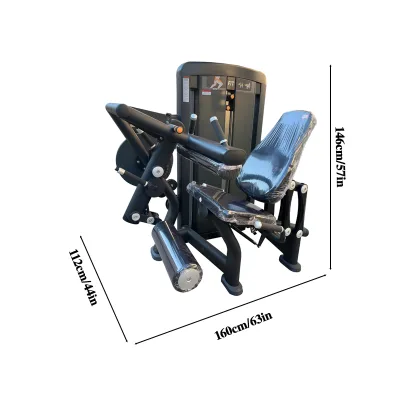
The standard size is 1050 by 1400 by 1220 mm. This footprint fits professional gyms and clubs. Some models measure 1275 by 850 by 1670 mm. Customizable standards are also available for specific facility layouts. Buyers should verify the exact model requirements before installation.
Can I customize the logo and color of the equipment?
Yes, customized logos and colors are available. The machine supports optional color selections to match brand identity. Customization is explicitly listed as an available feature. This allows fitness centers to maintain consistent visual branding. Buyers can request specific design preferences during the ordering process.
What certifications does the Commercial Lateral Raise Machine hold?
The equipment holds CE and ISO certifications. These standards ensure compliance with international safety and quality requirements. The product is designed for both home and commercial use. Certified manufacturing supports reliable performance in high-traffic gym environments. Buyers can request certification documents for verification during procurement.
What is the maximum load capacity for this trainer?
The maximum load capacity varies by model. One variant supports up to 60 kg, while another handles 70 kg. A different integrated trainer model lists a max loaded weight of 200 kg. Buyers must check the specific model specifications to determine the appropriate weight limit for their training needs.
Is the machine suitable for both home and commercial use?
Yes, the equipment is designed for home, gymnasium, and community applications. It is also suitable for commercial fitness centers and clubs. The durable steel construction supports regular use. The product is labeled for both home and commercial exercise. This versatility makes it ideal for diverse facility types.
What is the minimum order quantity for this product?
The minimum order quantity is one piece or one set. This low MOQ allows for easy trial purchases. Buyers can order single units for testing or small facilities. The flexible ordering policy supports various business scales. This makes the equipment accessible for individual gyms or home users.