Source Commercial Keratin Straightening for Salons, Homes, and Stylists
Find 30 Commercial Keratin Straightening options for salon use, home care, and professional styling. Compare OEM/ODM services, certifications like GMPC and ISO22716, and bulk pricing to select the right hair treatment for your business needs.
Key considerations
Products List


Private Label Straightening Hair Salon Use Hair Keratin Treatment 1000ml
$6.80 - $7.50
MOQ: 100 Pieces


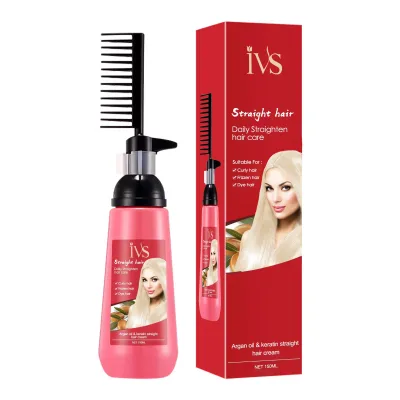

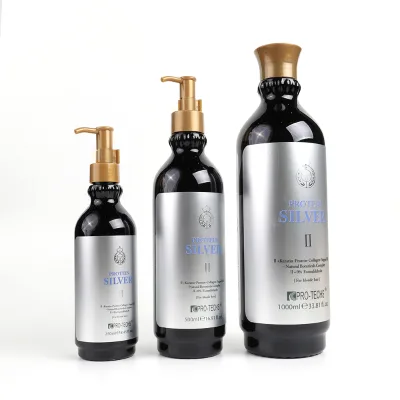
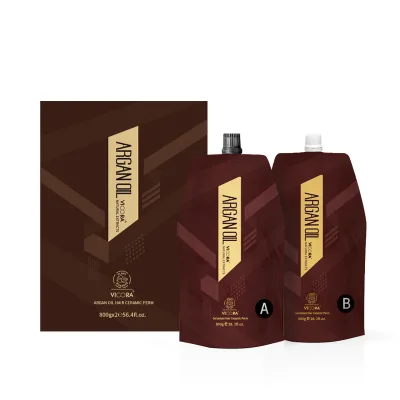
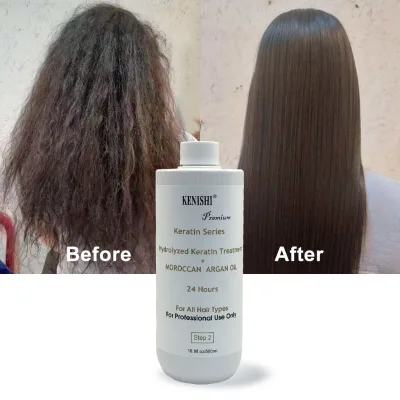

Best Ionic Electric Hair Straightener Portable Keratin Treatment Hair Straightener
$9.99 - $15.50
MOQ: 500 Pieces

Professional Keratin Repair Hair Straightener Hair Mask for Hair Treatment
$1.12 - $2.21
MOQ: 3000 Pieces
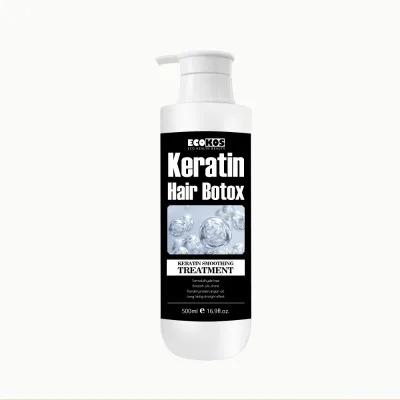


Lightweight High-Speed Hair Straightener Hair Straightening Two-in-One
$29.00 - $36.00
MOQ: 1000 Pieces



Fully Keratin Hair Building Fiber Private Label Keratin Treatment Hair Fiber
$0.29 - $2.98
MOQ: 240 Pieces
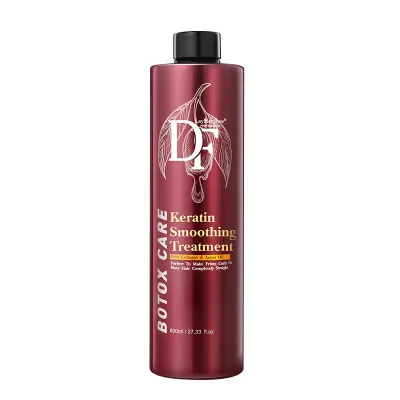


Comprehensive Sourcing Guide
Commercial Keratin Straightening Sourcing Guide
Sourcing Commercial Keratin Straightening products requires a disciplined approach to balancing chemical efficacy with safety compliance. The market for these treatments is diverse, ranging from salon-grade professional kits to bulk industrial formulations designed for high-volume distribution. Buyers must navigate a landscape where product claims often overlap, making it essential to distinguish between temporary smoothing agents and permanent structural alterations. This guide provides a structured framework for evaluating suppliers, verifying technical specifications, and ensuring that procurement decisions align with both regulatory requirements and end-user expectations. By focusing on observable listing signals and verifiable documentation, purchasers can mitigate risks associated with inconsistent product quality and non-compliant manufacturing practices.
The following sections outline the critical steps for building a reliable supply chain for keratin-based hair treatments. We will examine the typical product scope observed in current listings, identify key technical parameters that define product performance, and detail the necessary compliance documentation. Furthermore, we will analyze the commercial factors that influence pricing and lead times, establish criteria for supplier qualification, and provide long-term checks to ensure sustained product integrity. This approach ensures that buyers are equipped with the knowledge to make informed decisions that protect their brand reputation and customer satisfaction.
Product Scope and Observed Listing Signals
The current market for Commercial Keratin Straightening products exhibits a wide range of formulations, primarily categorized by their application method and intended hair type. Listings frequently highlight products designed for specific hair textures, such as curly or all hair types, indicating a segmented approach to product development. Common product types observed include cream-based treatments, hot perm solutions, and specialized protein treatments. These variations suggest that suppliers offer tailored solutions for different salon needs, from gentle smoothing for delicate hair to robust straightening for resistant textures. Buyers should carefully review product descriptions to match the formulation with their target demographic, ensuring that the chosen product aligns with the specific requirements of their clientele.
Observations from supplier listings reveal significant variability in packaging and unit quantities, which directly impacts logistics and inventory management. Standard packaging often involves cartons containing multiple units, with common configurations including 12 or 48 pieces per carton. Volume specifications vary widely, with products available in 100ml, 1000ml, and bulk industrial sizes such as 20kg, 50kg, or 100kg. This diversity allows buyers to select packaging that suits their operational scale, whether for small boutique salons or large-scale distribution networks. Additionally, some listings indicate customization options, including private labeling and OEM/ODM services, which are crucial for brands seeking to establish a unique market identity. Buyers should verify these customization capabilities early in the sourcing process to ensure alignment with their branding strategies.
Technical Specifications to Verify
Technical verification is paramount when sourcing keratin straightening products, as the efficacy and safety of the treatment depend heavily on precise chemical composition and manufacturing standards. Buyers must confirm the specific model or formulation code provided by the supplier, such as "Keratin Treatment 7" or "Hair Protein Treatment-02," to ensure consistency in future orders. These codes often correspond to specific chemical profiles and application protocols that are critical for achieving the desired results. It is essential to request detailed technical data sheets that outline the active ingredients, pH levels, and recommended application temperatures. Without this information, buyers risk procuring products that may not perform as expected or could cause adverse reactions in users.
The physical properties of the product, including its color, texture, and volume, should also be rigorously verified. Listings often specify attributes such as "white" color for cream-based treatments and volumes of 1000ml for standard bottles. However, these details can vary between batches or product lines, so buyers should insist on sample testing before committing to large orders. Sample lead times, typically ranging from 3 to 5 days, provide an opportunity to evaluate the product's consistency, scent, and ease of application. Additionally, buyers should inquire about the product's shelf life and storage requirements, as improper storage can degrade the efficacy of keratin-based treatments. Ensuring that the product meets the specified standards, such as 1000ml/1000ml*12pcs configurations, is crucial for maintaining inventory accuracy and customer satisfaction.
Compliance and Safety Documentation
Compliance with international safety and manufacturing standards is non-negotiable in the hair care industry, particularly for chemical treatments like keratin straightening. Buyers must verify that suppliers hold relevant certifications, such as GMPC, ISO22716, and Sedex, which indicate adherence to good manufacturing practices and ethical sourcing. These certifications are critical for ensuring that the production environment is clean, controlled, and consistent, reducing the risk of contamination or product variability. Additionally, certificates like ISO, GMP, MSDS, and COA provide further assurance of product safety and quality. Buyers should request copies of these documents and verify their validity with the issuing bodies to avoid fraudulent claims.
The Material Safety Data Sheet (MSDS) is a particularly important document that outlines the hazardous components of the product and provides guidance on safe handling, storage, and disposal. Buyers must ensure that the MSDS is up-to-date and accurately reflects the product's composition. This document is essential for compliance with local regulations in the destination market and for informing salon professionals about proper usage protocols. Furthermore, buyers should check for any specific regulatory requirements in their target markets, such as FDA registration in the United States or EU compliance for cosmetics. Failure to meet these regulatory standards can result in product seizures, legal liabilities, and damage to brand reputation.
Cost Drivers and Commercial Terms
Understanding the cost drivers and commercial terms is essential for effective budgeting and negotiation in the sourcing of keratin straightening products. Prices for these products can vary significantly based on factors such as formulation complexity, packaging quality, and order volume. Observed price ranges in the market can be quite broad, reflecting the diversity of product types and supplier capabilities. Buyers should request detailed quotations that break down costs for the product, packaging, shipping, and any additional services such as customization or private labeling. This transparency allows for accurate cost comparisons and helps identify potential hidden fees.
Commercial terms, including minimum order quantities (MOQs) and delivery lead times, also play a crucial role in procurement planning. MOQs can range from small quantities for testing to large volumes for bulk orders, with observed ranges extending up to 5000 units. Lead times for samples are typically short, around 3-5 days, while production and delivery can take up to 15 days or more, depending on the order size and supplier capacity. Buyers should negotiate clear terms regarding payment methods, shipping responsibilities, and return policies. Additionally, understanding the supplier's production capacity, such as 10000 sets per day, can help assess their ability to meet large or urgent orders. Establishing strong commercial relationships with reliable suppliers can lead to better pricing and more flexible terms over time.
Supplier Qualification and Quality Control
Supplier qualification is a critical step in ensuring the reliability and consistency of the keratin straightening products. Buyers should assess suppliers based on their experience, production capabilities, and quality control processes. Suppliers with extensive factory experience, such as 24 or 25 years, may offer greater stability and expertise in product formulation. However, experience alone is not sufficient; buyers must also verify the supplier's ability to maintain consistent quality across batches. This can be done by reviewing their quality management systems, inspecting their production facilities, and requesting references from existing clients.
Quality control measures should be integrated into the procurement process to minimize the risk of receiving defective or non-compliant products. Buyers should implement a rigorous sampling and testing protocol before approving large orders. This includes checking the product's physical attributes, such as color and texture, as well as its chemical properties and efficacy. Additionally, buyers should consider third-party inspection services to verify that the products meet the agreed-upon specifications and standards. Establishing clear quality expectations and communication channels with the supplier can help resolve issues quickly and maintain a high standard of product quality. Regular audits and performance reviews can further ensure that the supplier continues to meet the buyer's requirements over time.
Long-Term Procurement Checks
Long-term procurement success depends on continuous monitoring and evaluation of supplier performance and product quality. Buyers should establish key performance indicators (KPIs) to track metrics such as on-time delivery, product defect rates, and customer satisfaction. Regular reviews of these metrics can help identify potential issues early and allow for proactive corrective actions. Additionally, buyers should stay informed about changes in regulatory requirements and market trends that may impact the sourcing of keratin straightening products. This includes monitoring updates to safety standards, ingredient restrictions, and consumer preferences.
Building a resilient supply chain involves diversifying suppliers and maintaining strong relationships with multiple vendors. This strategy can mitigate risks associated with supply chain disruptions, such as production delays or quality issues. Buyers should also invest in ongoing training for their procurement teams to ensure they are equipped with the latest knowledge and skills. This includes understanding the technical aspects of keratin treatments, compliance requirements, and negotiation strategies. By adopting a proactive and informed approach to procurement, buyers can ensure the long-term success of their business and maintain a competitive edge in the market.
FAQs
What certifications do Commercial Keratin Straightening products have?
Products typically hold GMPC, ISO22716, Sedex, ISO, GMP, MSDS, and COA certifications. These standards ensure safety and quality for salon use and international trade compliance.
Can I customize the packaging for Commercial Keratin Straightening orders?
Yes, customization is available for private label and OEM services. Buyers can request specific carton quantities like 12 or 48 pieces per carton based on their distribution needs.
How long is the sample lead time for Commercial Keratin Straightening?
The sample lead time is typically 3 to 5 days. This allows buyers to test product quality before committing to larger orders with standard delivery times of 15 days.
Which specifications are available for Commercial Keratin Straightening bulk orders?
Available specifications include 100ml, 1000ml, and bulk standards of 20, 50, 100, or 125kg. Models range from Hair Treatment 1 to Keratin Treatment 7 depending on the formula.
Where are Commercial Keratin Straightening manufacturers located?
Manufacturers are located in China, specifically in Guangdong. These factories often have a daily capacity of 10,000 sets and offer extensive experience in hair treatment production.
What functions do Commercial Keratin Straightening products perform?
Products perform straightening, rebonding, and hot perm functions. They are designed to be mild to hair while making it straight and are suitable for all hair types including curly hair.