Source Commercial Kitchen UV Light and Electrostatic Filter for Hotels, Restaurants, and Cafes
Find 26 Commercial Kitchen UV Light and Electrostatic Filter units with varying capacities and certifications. Buyers can compare models like BS-216 and KL-25V, noting features such as automatic cleaning, stainless steel construction, and HEPA filtration options for diverse food service environments.
Key considerations
Products List


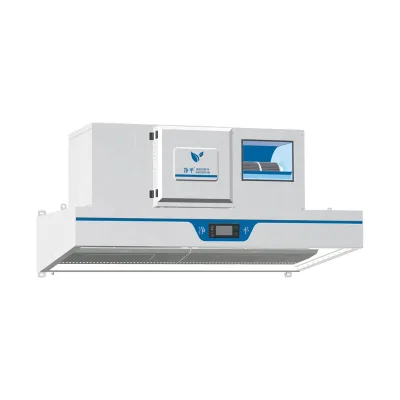
UV and Electrostatic Smoke Purifier for Commercial Kitchen Exhaust Systems
$589.00 - $989.00
MOQ: 1 Pieces


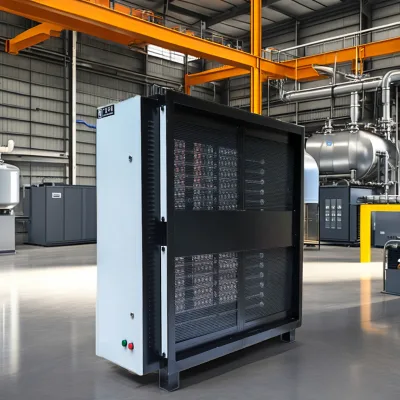
Low Maintenance Electrostatic Air Filter Commercial Kitchen Fume Purifier
$600.00 - $7000.00
MOQ: 1 Sets

Reliable Electrostatic Kitchen Fume Purifier Commercial Kitchen Air Cleaner System
$600.00 - $6000.00
MOQ: 1 Sets


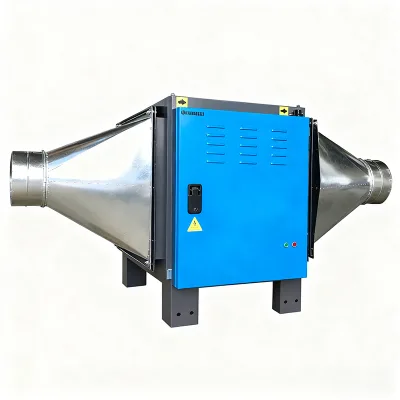
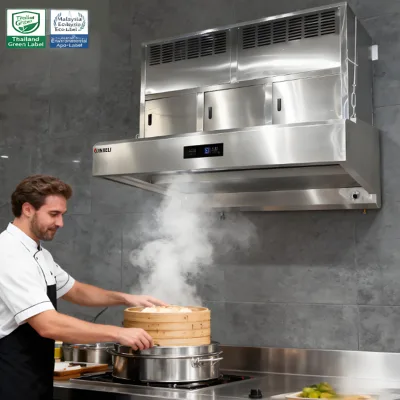
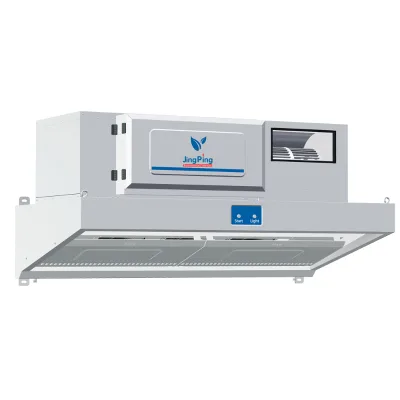

Comprehensive Sourcing Guide
Commercial Kitchen UV Light and Electrostatic Filter Sourcing Guide
Procuring Commercial Kitchen UV Light and Electrostatic Filter systems requires a precise understanding of how these technologies integrate to manage grease, smoke, and odors in high-volume environments. The observed product landscape includes specialized units designed for commercial and hotel applications, where the primary function is fume filtration through a combination of electrostatic precipitation and ultraviolet sterilization. Buyers must recognize that these systems are not generic air purifiers but engineered solutions for industrial cooking exhaust, often featuring stainless steel construction to withstand harsh, humid, and corrosive kitchen atmospheres.
The decision to source these units hinges on matching specific operational needs with the available customization options and technical configurations. While some models operate manually, others offer semiautomatic or fully automatic cleaning cycles, which significantly impacts labor costs and maintenance schedules. The presence of UV components in models like the BS-216Q series indicates a dual-stage approach where electrostatic precipitation captures particulate matter while UV light targets biological contaminants and volatile organic compounds, a critical distinction for facilities aiming to meet strict indoor air quality standards.
Product Scope and Observed Listing Signals
The market for these filtration systems presents a wide range of operational types, from manual units to fully automatic models with optional cleaning features. Buyers will encounter products with varying air flow capacities, ranging from 2,000 to 56,000 cubic meters per hour, which dictates the suitability of a unit for different kitchen sizes and exhaust volumes. The physical dimensions of the units also vary significantly, with standard models measuring approximately 640x765x690mm and larger integrated units reaching dimensions like 907x1815x724mm, requiring careful spatial planning during the installation phase.
Material composition is a key signal of durability and performance, with stainless steel and metal fiber mesh being the predominant materials observed in the supply chain. These materials are selected for their resistance to corrosion and their ability to maintain structural integrity under high-temperature conditions typical of commercial cooking. The packaging methods, ranging from wooden cases to plywood crates with polyfoam lining, suggest that these are heavy-duty industrial assets requiring robust protection during transit, which buyers should factor into their logistics and handling protocols.
Technical Specifications to Verify
When evaluating technical specifications, the removal efficiency and filtration grade are paramount metrics that determine the system's ability to meet health and safety requirements. Observed data indicates removal efficiencies of up to 95% for certain models, while others specify HEPA filtration grades, which are essential for capturing fine particulates that standard filters might miss. Buyers must verify the specific air volume ratings against their kitchen's exhaust fan capacity to ensure the system does not create backpressure that could compromise the overall ventilation strategy.
The installation method and cleaning mechanisms are equally critical for long-term operational success. Most units are designed for horizontal installation, but the presence of automatic cleaning options versus manual washing schedules (such as monthly washing times) requires a clear assessment of the facility's maintenance capabilities. Additionally, the inclusion of fire protection features and the specific model numbers, such as the BS-216J-30K or KL-25V, serve as unique identifiers for verifying that the purchased unit matches the exact engineering requirements of the specific kitchen layout and exhaust system.
Compliance and Safety Documentation
Compliance with international standards is a non-negotiable aspect of sourcing commercial kitchen filtration equipment, particularly regarding electrical safety and environmental impact. The observed product listings frequently cite certifications such as CE, ISO, and specific standards like Ashrae 52.2-2017, which validate the filtration efficiency and safety of the air handling components. Buyers should request current certification documents to ensure that the units meet the regulatory requirements of their specific region, as standards can vary significantly between markets.
Safety documentation must also address the electrical and fire safety aspects of the equipment, given the high-risk environment of a commercial kitchen. The presence of fire protection features in the product attributes suggests that these units are designed to mitigate ignition risks associated with grease accumulation, but buyers must verify the specific testing protocols and compliance with local fire codes. Furthermore, certifications like RoHS and ISO14001 indicate adherence to environmental regulations regarding hazardous substances and management systems, which are increasingly important for facilities seeking sustainability credentials.
Cost Drivers and Commercial Terms
The cost of Commercial Kitchen UV Light and Electrostatic Filter systems is driven by several factors, including the complexity of the filtration technology, the materials used, and the level of automation. The observed price range of 70 to 7,000 USD reflects the diversity of the market, from basic manual units to advanced, fully automated systems with integrated UV sterilization and touch controls. Buyers should understand that higher costs often correlate with increased air flow capacity, superior filtration grades, and more durable construction materials like stainless steel mesh.
Commercial terms such as minimum order quantities (MOQ) and lead times are critical variables that affect procurement planning and budgeting. The observed MOQ ranges from 1 to 300 units, offering flexibility for both small-scale renovations and large-scale chain installations, while a standard lead time of 30 days should be anticipated for production and delivery. Warranty terms, typically observed as one year, provide a baseline for risk management, but buyers should negotiate extended coverage or service level agreements for critical commercial operations where downtime is not an option.
Supplier Qualification and Quality Control
Supplier qualification should focus on the manufacturer's ability to provide consistent quality and adherence to the specified standards and certifications. The origin of these products is predominantly China, and buyers should verify the supplier's track record in exporting to their specific market, ensuring they have experience with the necessary compliance documentation and after-sales support. The availability of customization options suggests that suppliers are capable of tailoring units to specific client needs, but this requires a rigorous quality control process to ensure that custom modifications do not compromise the unit's safety or performance.
Quality control measures must extend beyond the initial inspection to include verification of the manufacturing standards and material integrity. Buyers should request evidence of the production standards, such as the SUS (Stainless Steel) specifications observed in the listings, to confirm that the materials used are of the grade required for food service environments. Additionally, the presence of specific model numbers and standardized dimensions indicates a level of manufacturing consistency, but buyers should insist on pre-shipment inspections to verify that the delivered units match the ordered specifications regarding air flow, filtration efficiency, and physical dimensions.
Long-Term Procurement Checks
Long-term procurement success depends on establishing a clear maintenance schedule and verifying the availability of replacement parts and consumables. The observed washing times and automatic cleaning options highlight the importance of a proactive maintenance strategy to prevent grease buildup and maintain filtration efficiency over time. Buyers should ensure that the supplier provides detailed maintenance manuals and that the system design allows for easy access to filters and UV lamps for routine servicing without requiring specialized tools or extensive downtime.
Finally, buyers must plan for the lifecycle of the equipment, considering the potential need for upgrades or replacements as technology evolves or operational demands change. The warranty period of one year is a starting point, but long-term contracts should include provisions for extended support, spare parts availability, and technical assistance. By monitoring the performance of the installed units against the initial specifications, such as air flow rates and removal efficiency, buyers can make data-driven decisions about when to replace or upgrade their filtration systems to maintain optimal kitchen air quality and operational efficiency.
FAQs
What certifications do these electrostatic precipitators hold?
These units typically hold ISO and CE certifications, ensuring compliance with international safety and quality standards. Some models also feature Ashrae 52.2-2017 certificates for filtration performance. Additional certifications like ISO9001, ISO14001, and RoHS may be available depending on the specific manufacturer and model configuration selected for your commercial kitchen.
How is the installation method configured for these purifiers?
The installation method is generally horizontal, allowing for straightforward integration into existing ductwork systems. This design supports efficient airflow management within commercial and hotel environments. The units are designed for easy mounting, with options for customization to fit specific spatial constraints and ventilation requirements in professional kitchen settings.
Can the cleaning process be automated for these filters?
Automatic cleaning is available as an optional feature for many models, enhancing operational efficiency. While some units require monthly washing, others offer semiautomatic or fully automatic cleaning cycles. This flexibility allows buyers to choose between manual maintenance for cost savings or automated systems for reduced labor and consistent performance in high-volume commercial kitchens.
What materials are used in the construction of these units?
The primary construction material is stainless steel, providing durability and resistance to corrosion in harsh kitchen environments. The medium material often includes metal fiber or stainless steel mesh for effective filtration. These materials ensure long-term performance and ease of cleaning, which is critical for maintaining hygiene standards in commercial and hotel fume purification systems.
What is the typical lead time for ordering these purifiers?
The standard lead time for these electrostatic precipitators is approximately 30 days. This timeframe allows for manufacturing and quality checks before shipment. Buyers should note that lead times may vary based on customization requests, order volume, and specific model requirements, so early planning is recommended for timely project completion in commercial installations.
Which air volume capacities are available for these systems?
Available air volumes range from 1,000 M/H to 56,000 M3/H, catering to various kitchen sizes. Specific models offer capacities like 2,000 M/H or 4,000-56,000 M3/H. This wide range ensures that buyers can select a unit that matches their specific ventilation needs, from small commercial kitchens to large hotel facilities requiring high-efficiency fume extraction.