Source commercial seated iso-lateral rowing machine for gyms, fitness centers, and community centers
Find 30 commercial seated iso-lateral rowing machine options from verified Chinese manufacturers. Compare specifications, certifications, and pricing for gymnasium, fitness center, and community center applications.
Key considerations
Products List








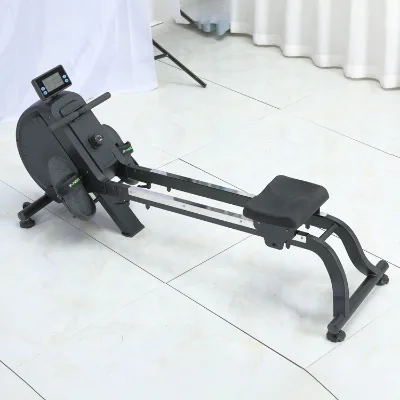
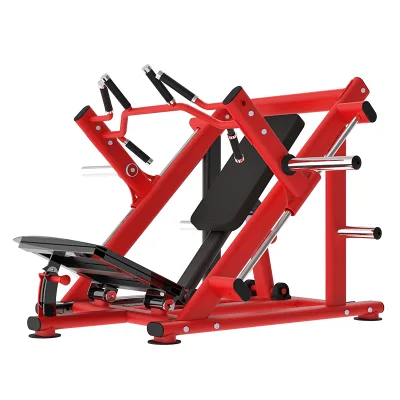
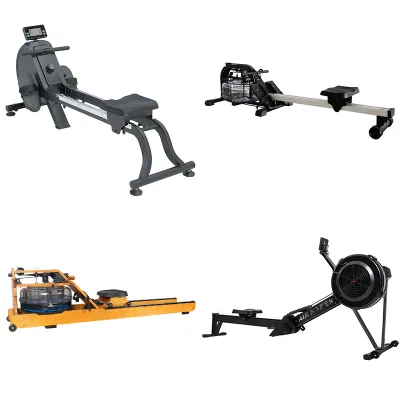
Comprehensive Sourcing Guide
Commercial Seated Iso-Lateral Rowing Machine Sourcing Guide
Sourcing commercial-grade strength equipment requires a disciplined approach to verifying mechanical integrity, spatial fit, and regulatory compliance. The commercial seated iso-lateral rowing machine is a specialized piece of fitness infrastructure designed to target the back musculature through a guided, single-arm or dual-arm movement pattern. Unlike free-weight rows, this equipment isolates the latissimus dorsi, rhomboids, and posterior deltoids while minimizing shear stress on the spine. Procurement teams must prioritize machines that offer true iso-lateral functionality, allowing users to train each side of the body independently to correct muscular imbalances. This guide outlines the critical verification steps for sourcing these units, focusing on the technical, commercial, and operational factors that determine long-term value and safety in high-traffic environments.
The procurement landscape for this equipment is characterized by a wide variance in build quality, material specifications, and certification standards. Buyers often encounter listings with overlapping model numbers and inconsistent technical data, making direct verification of supplier claims essential. Observed market signals indicate that prices can range significantly, reflecting differences in steel gauge, bearing quality, and upholstery durability. Furthermore, minimum order quantities (MOQs) vary, with some suppliers requiring bulk purchases while others accommodate single-unit orders for testing or small facility setups. Understanding these market dynamics allows buyers to negotiate more effectively and set realistic expectations regarding lead times and customization options.
Product Scope and Observed Listing Signals
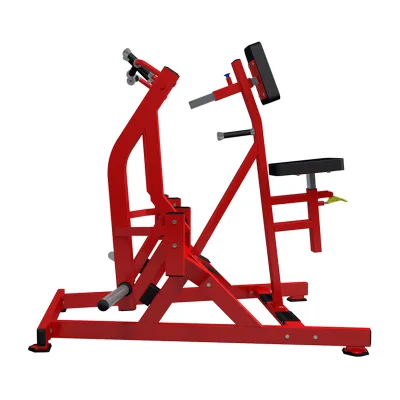
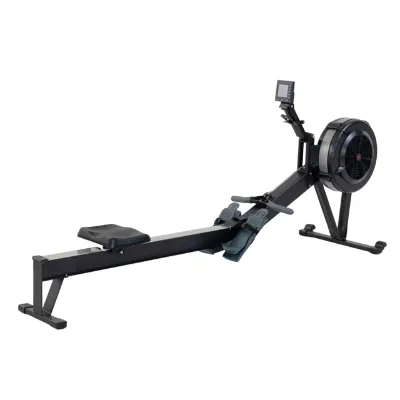
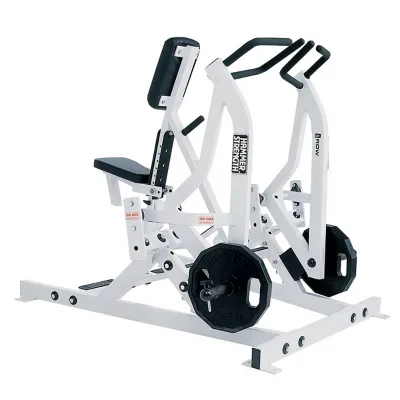
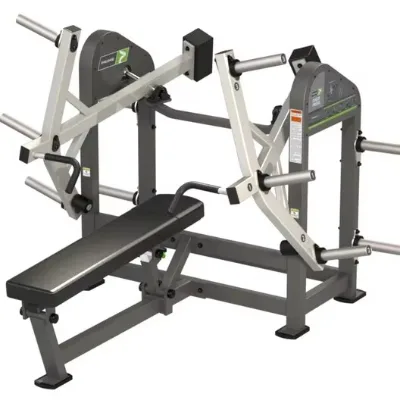
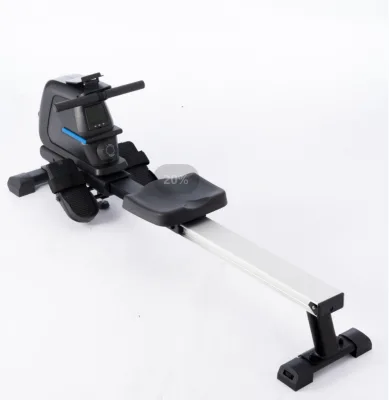
The product scope for commercial seated iso-lateral rowing machines encompasses a variety of configurations, primarily distinguished by their exercise focus and structural dimensions. Market listings frequently categorize these machines by their primary target area, such as back, chest, or arm exercises, though the core keyword specifically targets back-focused rowing variants. Buyers should note that some listings may include related equipment, such as chest press units or arm-specific machines, under similar model prefixes. For instance, observed data includes models like DH02 for arm exercises, DH64 for chest presses, and DH13 for back exercises. It is crucial to distinguish between these distinct units to ensure the procurement aligns with the specific training goals of the facility. The iso-lateral rowing machine, often identified by names such as "Iso lateral rowing machine" or model numbers like CM-1618, is designed for commercial use and typically features a robust steel frame.
Observed listing signals reveal significant variability in physical specifications and packaging details. Machine sizes differ substantially across models, with dimensions ranging from compact units like 130011501750mm for chest presses to larger back-focused units measuring up to 170417671092mm. Buyers must verify the exact footprint of the iso-lateral rowing machine to ensure it fits within the designated gymnasium space, considering both the machine's dimensions and the required user clearance. Additionally, packaging methods vary, with some units shipped in plywood boxes without timber, while others use wooden cases. The weight of the equipment is also a critical factor, with some units weighing up to 110kg, which impacts shipping costs and installation requirements. These physical attributes directly influence logistics planning and facility layout decisions.
Technical Specifications to Verify
Verifying the technical specifications of the commercial seated iso-lateral rowing machine is paramount to ensuring durability and user safety. The primary structural component is the steel frame, which must be of sufficient gauge to withstand high-impact commercial use. Buyers should request detailed engineering drawings or material specifications to confirm the steel thickness and welding quality. The machine's dimensions, such as the 165011002050mm size observed for arm exercises or the 1558X1426X1467mm size for back exercises, must be cross-referenced with the specific iso-lateral rowing model. Discrepancies in listed dimensions can lead to installation failures or spatial conflicts within the gymnasium. Furthermore, the power source for these machines is typically manual, relying on weight stacks or resistance mechanisms that require precise mechanical alignment to function smoothly.
The customization options available from suppliers can significantly impact the final product's suitability for a specific brand identity. Many manufacturers offer customized logos and optional color schemes, allowing facilities to align the equipment with their interior design and branding guidelines. However, buyers must confirm whether these customizations affect the lead time or minimum order quantity. The condition of the equipment is generally listed as new, but buyers should verify the origin of the components, particularly if the machine is assembled in regions like Shandong, China. Understanding the supply chain transparency helps in assessing the reliability of spare parts availability and long-term maintenance support. Additionally, the single package size and gross weight, such as 16X14X14 cm and 110.000 kg respectively for some units, are critical for calculating freight costs and handling requirements.
Compliance and Safety Documentation
Compliance with international safety and quality standards is non-negotiable for commercial fitness equipment. Buyers must verify that the commercial seated iso-lateral rowing machine holds valid certifications, such as CE and ISO marks, which indicate adherence to European safety directives and international quality management systems. Some listings may specify ISO9001 or RoHS compliance, which further validates the manufacturer's commitment to quality control and environmental standards. However, certification claims should be treated as observations rather than guaranteed facts until verified through official certification bodies. Buyers should request copies of the certificates and check their validity dates to ensure they are current and applicable to the specific model being purchased.
Safety documentation extends beyond certifications to include user manuals, maintenance guides, and warning labels. The equipment must be designed to minimize pinch points and ensure stable operation during intense workouts. Buyers should inquire about the testing protocols used by the manufacturer to validate the machine's structural integrity and load-bearing capacity. While specific test results may not be publicly listed, reputable suppliers should be able to provide evidence of rigorous quality control processes. The commercial use standard implies that the machine is built to withstand higher frequencies of use compared to home gym equipment. Verifying that the supplier adheres to these commercial standards helps mitigate the risk of premature wear and potential liability issues associated with equipment failure.
Cost Drivers and Commercial Terms
The cost of commercial seated iso-lateral rowing machines is influenced by several key drivers, including material quality, customization requirements, and order volume. The use of high-grade steel and durable upholstery increases the base cost but ensures longevity in a commercial setting. Customization options, such as branded logos and specific color schemes, may incur additional fees or require higher minimum order quantities. Buyers should analyze the total cost of ownership, which includes not only the purchase price but also shipping, installation, and maintenance expenses. The observed price range of 1-29999 USD reflects this variability, with higher-end models featuring advanced engineering and premium materials commanding higher prices.
Commercial terms, including minimum order quantities (MOQ) and payment conditions, play a significant role in the procurement process. MOQs can range from single units to bulk orders of 140 pieces, depending on the supplier's production capacity and business model. Buyers with smaller facilities may need to negotiate for lower MOQs or consider joining a group purchase to achieve better pricing. Payment terms should be clearly defined, with options such as letters of credit or escrow services providing additional security for international transactions. Lead times are another critical factor, as they impact the facility's opening schedule or equipment upgrade timeline. Buyers should establish clear communication channels with the supplier to monitor production progress and address any potential delays proactively.
Supplier Qualification and Quality Control
Supplier qualification is a critical step in mitigating procurement risks. Buyers should conduct thorough due diligence on potential suppliers, verifying their business licenses, manufacturing capabilities, and export history. Suppliers located in established manufacturing hubs, such as Shandong, China, often have access to robust supply chains and skilled labor. However, buyers must assess the supplier's ability to maintain consistent quality across large production runs. Requesting references from existing clients, particularly those in the commercial fitness sector, can provide valuable insights into the supplier's reliability and after-sales support. It is also advisable to visit the manufacturing facility or hire a third-party inspection service to verify production standards and quality control processes.
Quality control measures should be integrated into the procurement contract to ensure that the delivered equipment meets the specified requirements. Buyers should define clear acceptance criteria, including dimensional tolerances, material specifications, and functional performance tests. Pre-shipment inspections are recommended to identify and rectify any defects before the equipment leaves the factory. The supplier should provide a comprehensive warranty policy that covers structural components, upholstery, and mechanical parts. Understanding the warranty terms and the process for claiming repairs or replacements is essential for long-term operational continuity. Buyers should also inquire about the availability of spare parts and the supplier's responsiveness to technical support inquiries.
Long-Term Procurement Checks
Long-term procurement success depends on establishing a sustainable relationship with the supplier and ensuring ongoing support for the equipment. Buyers should monitor the supplier's performance over time, tracking metrics such as on-time delivery, product quality, and customer service responsiveness. Regular communication with the supplier can help identify emerging issues and foster a collaborative partnership. Additionally, buyers should stay informed about industry trends and technological advancements in fitness equipment, which may influence future procurement decisions. The commercial fitness market is dynamic, and staying ahead of these trends can provide a competitive advantage in attracting and retaining members.
Maintenance and lifecycle management are crucial for maximizing the return on investment in commercial seated iso-lateral rowing machines. Buyers should develop a preventive maintenance schedule that includes regular inspections, lubrication, and part replacements as needed. Training facility staff on proper equipment usage and basic maintenance procedures can extend the lifespan of the machines and reduce downtime. Furthermore, buyers should consider the end-of-life disposal or recycling options for the equipment, ensuring compliance with environmental regulations. By adopting a proactive approach to procurement and asset management, facilities can ensure that their commercial fitness equipment remains safe, functional, and aligned with their strategic goals.
FAQs
What certifications do the commercial seated iso-lateral rowing machines have?
The machines carry CE and ISO certifications, with some models also meeting ISO9001 and RoHS standards. These certifications ensure compliance with international safety and quality requirements for commercial gymnasium and fitness center use.
Can I get a customized logo on the commercial seated iso-lateral rowing machine?
Yes, a customized logo is available for these machines. This customization option allows gym owners and fitness centers to brand the equipment with their own identity while maintaining the standard commercial-grade construction and functionality.
What is the typical MOQ for ordering commercial seated iso-lateral rowing machines?
The minimum order quantity varies by model, with some requiring as few as five sets. Other listings indicate an MOQ range starting from one unit up to 140 units depending on the specific supplier and product configuration selected.
How are the commercial seated iso-lateral rowing machines packed for shipping?
The machines are packed in plywood boxes or wooden cases, often without timber to meet shipping regulations. This packaging ensures the equipment remains protected during transit from the origin in China to the destination fitness facility.
Which dimensions are standard for the commercial seated iso-lateral rowing machine models?
Machine sizes vary by model, with dimensions such as 1650*1100*2050mm or 1558*1426*1467mm observed. These specifications define the footprint required for installation in commercial gymnasiums or community fitness centers.
What material is used to construct the commercial seated iso-lateral rowing machine frame?
The frames are constructed from steel to ensure durability and stability during intense workouts. This material choice supports the commercial use standard and allows the equipment to withstand heavy daily usage in fitness centers.
Can the commercial seated iso-lateral rowing machine be used by both men and women?
Yes, the equipment is designed as unisex and suitable for all adult users. The adjustable features accommodate different body types, making it an inclusive choice for commercial gyms serving diverse populations.