Source Commercial Shelving for Warehouse, Supermarket, and Industrial Use
Source 30 Commercial Shelving units designed for warehouse, supermarket, and industrial applications. Buyers can compare boltless racking, pallet racking, and mobile shelving options with varying heights, depths, and steel deck thicknesses to find the right storage solution.
Key considerations
Products List

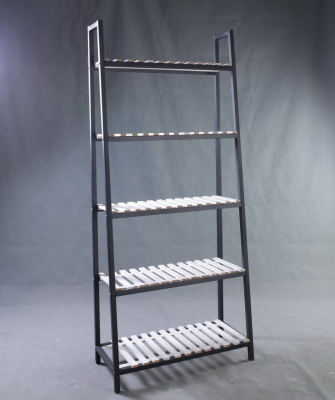


$0.90 - $1.20
MOQ: 1000 kg


Comprehensive Sourcing Guide
Strategic Sourcing Guide for Commercial Shelving Systems
The global market for Commercial Shelving has evolved into a complex ecosystem where structural integrity, material composition, and logistical adaptability define procurement success. For buyers operating in warehouse, industrial, and retail environments, the selection of shelving systems is not merely a matter of storage capacity but a critical decision impacting operational efficiency and safety compliance. The current landscape presents a diverse array of options ranging from boltless rivet racking to heavy-duty pallet racking, each serving distinct functional requirements. This guide synthesizes observed market data and technical specifications to provide a disciplined framework for evaluating Commercial Shelving solutions, ensuring that procurement decisions are grounded in verifiable facts rather than marketing assertions.
Technical Specifications and Structural Configurations
Understanding the technical parameters of shelving units is the foundational step in any sourcing strategy. The market offers a wide spectrum of configurations, primarily distinguished by their structural design and mobility. A primary observation in the current supply base is the prevalence of two distinct structural types: boltless or rivet racking systems and pallet racking systems. The boltless variants often feature a shelf structure with specific dimensions, such as a depth ranging from 400mm to 1000mm and a height capacity that can extend from 0 to 5 meters. These units typically utilize a pitch of 50mm or 75mm, allowing for precise adjustment of shelf levels. In contrast, pallet racking systems are designed for higher vertical utilization, with height specifications extending from 5 to 15 meters, catering to high-density storage needs in large-scale industrial facilities.
Material composition is another critical technical differentiator. The majority of Commercial Shelving units in the observed market are constructed from steel, specifically utilizing grades such as Q235, Q355, or Q345. These steel grades provide the necessary tensile strength to support varying load capacities. The thickness of the structural components varies significantly based on the intended load; specifications indicate steel thickness options ranging from 1.2mm to 2.3mm for the primary frame elements. Furthermore, the steel deck thickness, which directly influences the load-bearing surface, is available in 0.7mm, 1.0mm, and 1.2mm variants. The upright frames themselves come in various column dimensions, including 55x47mm, 60x50mm, 80x60mm, and 90x70mm, allowing buyers to match the frame size to the specific load requirements of their inventory.
| Feature | Boltless/Rivet Racking | Pallet Racking | Mobile Shelving |
|---|---|---|---|
| Primary Structure | Shelf | Rack | Layer Frame |
| Height Range | 0-5m | 5-15m | 1-3m |
| Depth Range | 400-1000mm | Customizable | Variable |
| Mobility | Fixed or Adjustable | Fixed | Mobile |
| Typical Pitch | 50/75mm | Custom | Automatic |
| Steel Deck | 0.7-1.2mm | Standard Export Pack | Iron |
Compliance, Certification, and Safety Standards
While the supply base offers products with varying specifications, the verification of compliance and safety standards remains a paramount responsibility for the buyer. The provided data indicates that certain products adhere to specific dimensional standards, such as a standard size of 2000x600x2000mm, while others offer full customization. However, explicit certification status, such as ISO or specific safety ratings, is not uniformly listed across all product entries. Consequently, buyers must not assume that every listed product meets international safety standards without direct verification.
When evaluating compliance, the focus should be on the structural integrity of the steel components and the manufacturing process. The use of specific steel grades like Q235/Q355/Q345 suggests a baseline of material quality, but the actual performance under load depends on the welding quality, the precision of the punching process, and the surface treatment applied. Buyers should request mill test certificates for the steel used to confirm the chemical composition and mechanical properties align with the claimed grades. Additionally, the standard for the product itself, whether it is a fixed dimension or a custom design, must be clearly defined in the contract to ensure that the delivered units match the engineering requirements of the facility. Safety checks should also include an assessment of the bracing for the upright frames, which are specified in dimensions such as 30x17x1.2mm or 40x24x1.2-1.5mm, to ensure they provide adequate lateral stability.
Cost Drivers and Pricing Dynamics
The pricing of Commercial Shelving is influenced by a complex interplay of material costs, manufacturing complexity, and logistical factors. The observed price range in the market spans from $0.5 to $1188, a variance that reflects the diversity of product types, from small accessory components to complete racking systems. Several key drivers dictate where a specific product falls within this range. The primary cost driver is the volume of steel used, which is a function of the unit's dimensions, thickness, and the number of layers. Products with higher thickness specifications, such as 2.3mm steel, will inherently cost more than those with 1.2mm thickness due to the raw material weight.
Another significant factor is the level of customization. While many products are available in standard configurations, the market also supports "New Type" developments and fully customized solutions. Customization typically incurs additional costs due to the need for specialized tooling, unique engineering designs, and smaller production runs. The minimum order quantity (MOQ) also plays a role in the unit price, with observed MOQs ranging from 1 to 1000 units. Buyers purchasing at the lower end of the MOQ spectrum may face higher per-unit costs compared to those placing bulk orders. Furthermore, the packaging method, whether it is bulk packing with steel strips and plastic film or standard export pallet racking cargo packages, adds to the overall cost. Buyers should analyze the total landed cost, including packaging and potential shipping expenses, rather than focusing solely on the base unit price.
Typical Applications and Usage Scenarios
Commercial Shelving systems are deployed across a wide array of industries, each with unique storage requirements. The observed usage categories include warehouse racks, industrial applications, supermarkets, tool storage, clothing storage, beverage storage, and general tool racks. The versatility of these systems is evident in the variety of structural types available. For instance, boltless racking with a depth of 400-1000mm is particularly well-suited for light to medium-duty applications in supermarkets or workshops where manual loading and unloading are frequent. The adjustable nature of these shelves allows for flexibility in storing items of varying heights.
In contrast, pallet racking systems, with heights reaching up to 15 meters, are designed for heavy-duty industrial and warehouse environments where forklifts are used to move large quantities of goods. The "New Type" developments in this category often focus on maximizing vertical space and improving load distribution. Mobile shelving units, often found in archives or high-density storage areas, offer a solution for maximizing floor space by allowing the shelves to move on tracks, though they require specific floor conditions. The selection of the appropriate shelving type must align with the specific usage scenario, considering factors such as the weight of the stored items, the frequency of access, and the available floor space. For example, a beverage storage facility might require a system with a specific pitch to accommodate standard pallet sizes, while a clothing retailer might prioritize the aesthetic appeal of the color options, such as Royal Blue, Orange-Red, or Light Gray.
Supplier Evaluation and Origin Verification
When evaluating potential suppliers, buyers must look beyond the product specifications to the operational capabilities and geographic origins of the manufacturer. The data indicates that a significant portion of the supply originates from China, with specific locations mentioned such as Nanjing and Dongtai City in Jiangsu Province. These regions are known for their manufacturing clusters, but the proximity to the port and the local supply chain infrastructure can impact lead times and shipping costs. Buyers should verify the specific origin of the product to ensure it aligns with their logistical strategy and to assess any potential geopolitical or trade-related risks.
Supplier evaluation should also include an assessment of their development capabilities. The market includes both "Conventional" development models and "New Type" innovations. Suppliers offering new types of shelving may provide better solutions for unique storage challenges but might have less established track records. Conversely, suppliers with conventional models may offer more predictable lead times and proven reliability. The condition of the product, whether "New" or refurbished, is another critical factor. All observed products in the provided data are listed as "New," but buyers should confirm the manufacturing date and storage conditions to ensure the steel has not degraded or been exposed to corrosive environments prior to shipment. Additionally, the serviceability of the product for "Common Use" suggests that the design is robust enough for general industrial applications, but buyers should verify the specific maintenance requirements and the availability of spare parts for long-term support.
Quality Control and Long-Term Procurement Considerations
Ensuring the long-term reliability of Commercial Shelving requires a robust quality control (QC) process that extends beyond the initial inspection. The structural integrity of the shelving units is paramount, especially given the weight ranges of 150-500kg observed in some configurations. Buyers should implement a QC protocol that includes visual inspections for surface defects, verification of dimensional accuracy, and load testing of sample units. The packing method, whether it is bulk packing or customized packaging, must be sufficient to prevent damage during transit. Steel strips and plastic films are commonly used, but the adequacy of these materials should be confirmed to prevent rust or deformation during shipping.
Long-term procurement considerations also involve the scalability and modularity of the shelving systems. The availability of starter shelves, which typically consist of two upright frames, beams, and steel decks, and add-on shelves, which require one upright frame, beams, and steel decks, allows for flexible expansion. This modularity is crucial for businesses that anticipate growth or changes in storage needs. Buyers should ensure that the components from different batches are compatible and that the supplier can provide consistent quality over time. The color options, such as Royal Blue, Orange-Red, and Light Gray, while aesthetic, should also be considered for their durability and resistance to fading in industrial environments. Finally, the development of the product, whether conventional or new, should be aligned with the buyer's long-term strategic goals, ensuring that the shelving system remains relevant and efficient as operational requirements evolve. By adhering to these disciplined sourcing practices, buyers can secure Commercial Shelving solutions that meet their technical, financial, and operational needs effectively.
FAQs
What steel grades are used for Commercial Shelving frames?
Commercial Shelving frames are constructed from Q235, Q355, or Q345 steel grades. These materials provide the necessary tensile strength to support varying load capacities, with thickness options ranging from 1.2mm to 2.3mm for primary structural elements.
How high can Commercial Shelving units be built?
Height specifications vary by type, with boltless racking reaching up to 5 meters and pallet racking extending from 5 to 15 meters. Mobile shelving units typically range between 1 and 3 meters in height to suit specific storage needs.
Which customization options are available for shelving systems?
Customization is available for dimensions, colors, and structural configurations. Buyers can select from Royal Blue, Orange-Red, or Light Gray colors, and request specific column dimensions like 80x60mm to match their inventory requirements.
Can Commercial Shelving be used in supermarkets and warehouses?
Yes, these systems are designed for warehouse racks, industrial use, supermarkets, and tool storage. They support applications for clothing, beverages, and general tools, with depth options from 400mm to 1000mm for versatile placement.
What is the minimum order quantity for purchasing shelving?
The minimum order quantity ranges from 1 to 1000 units depending on the supplier and product type. Bulk orders often reduce per-unit costs, while smaller quantities may incur higher prices due to specialized packaging and handling.
How are Commercial Shelving units packed for shipment?
Packaging methods include bulk packing with steel strips and plastic film or standard export pallet racking cargo packages. Some suppliers offer customized packaging to ensure units arrive without rust or deformation during transit.
Where are Commercial Shelving products typically manufactured?
Products originate from manufacturing clusters in China, specifically Nanjing and Dongtai City in Jiangsu Province. These locations offer established supply chains, though buyers should verify specific origins to align with their logistical strategies.