Source Commercial Shaved Ice Machines for Hotels, Retail, and Events
Source 30 commercial shaved ice machines from verified Chinese suppliers. Compare models with varying power, voltage, and ice shape options to find the right unit for your business needs; compare the available evidence and request quotations based on your requirements.
Updated
Key considerations
Products List
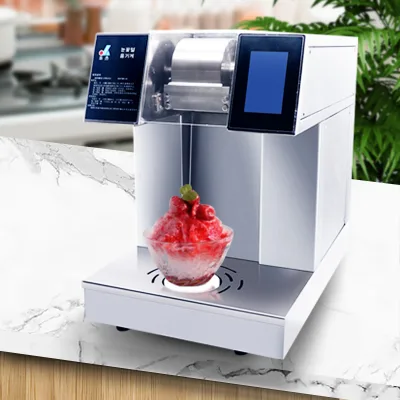


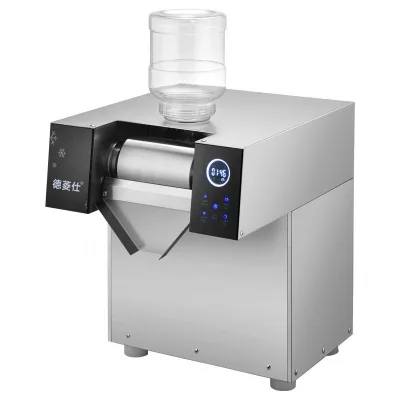
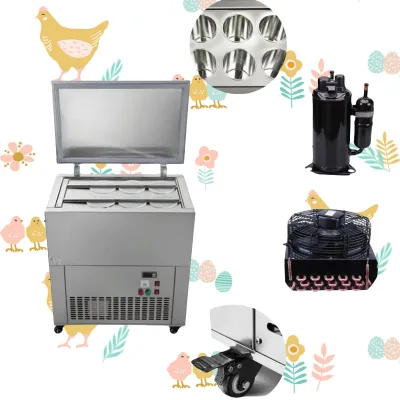
Ice Shaver Commercial Ice Shaver Machine Block Shaved Ice Machine for Sale
$280.00 - $360.00
MOQ: 1 Pieces

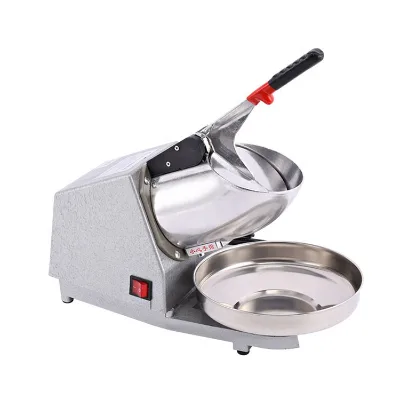


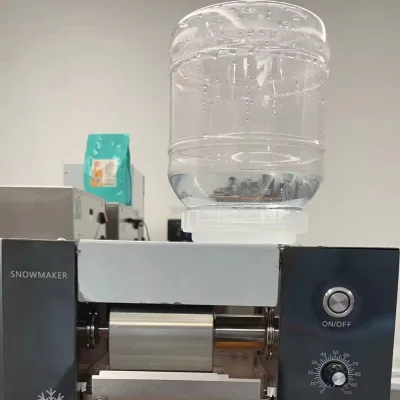
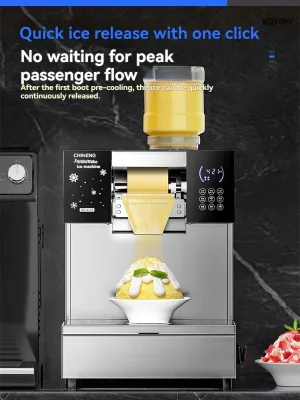
High-Performance Commercial Shaved Ice Machine for Delicious Smoothies
$120.00 - $150.00
MOQ: 1 Pieces

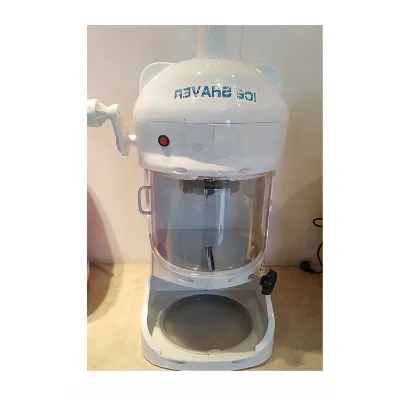
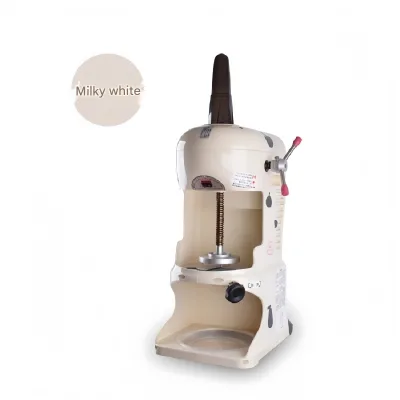
110V/60Hz-120W 0.1-3mm Commercial Shaved Ice Machine Block Shaving Machine
$130.00 - $160.00
MOQ: 10 Pieces




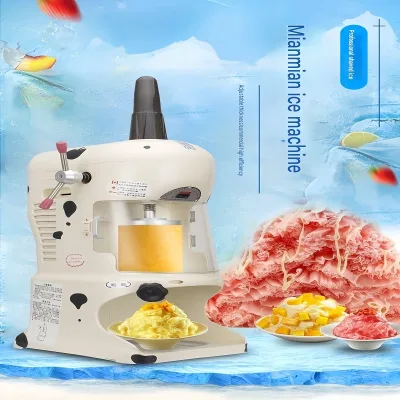
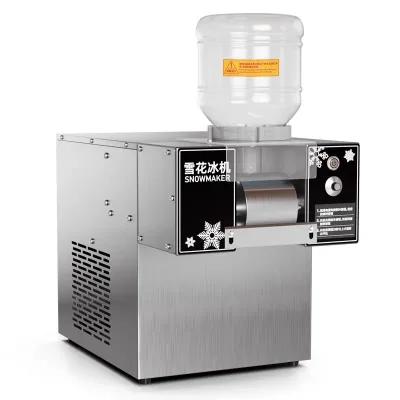
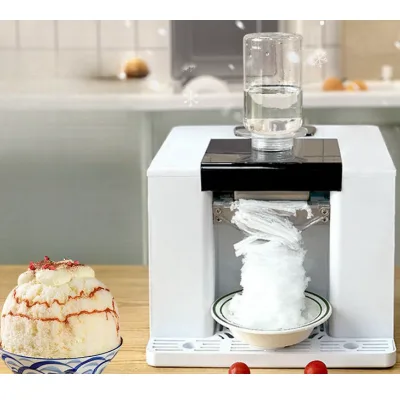
Comprehensive Sourcing Guide
Commercial Shaved Ice Machine Sourcing Guide
Sourcing a Commercial Shaved Ice Machine requires careful evaluation of production capacity, ice shape consistency, and operational durability. Buyers must distinguish between flake ice and slice ice technologies, as each serves distinct market needs. The observed product range indicates a strong presence of units originating from Guangdong, China, with brands like LeJie offering both household and commercial variants. Understanding these distinctions is critical for aligning equipment capabilities with specific business models, whether for high-volume retail or specialized dessert preparation.
Procurement decisions should also account for voltage compatibility and power consumption, which vary significantly across listings. Observed specifications include 110V/60Hz and 220V options, with power ratings spanning from 120W to over 400W. These technical differences directly impact installation requirements and energy efficiency. Buyers must verify that the selected machine’s electrical profile matches their facility’s infrastructure to avoid costly retrofits or operational failures during peak service hours.
Product Scope and Observed Listing Signals
The current market landscape for commercial shaved ice machines reveals a diverse array of configurations tailored to different operational scales. Listings indicate a price range of $100 to $1,300 USD, suggesting significant variation in build quality and feature sets. Minimum order quantities (MOQ) typically range from 1 to 100 units, providing flexibility for both individual retailers and large-scale distributors. This variability allows buyers to scale their procurement strategy based on immediate demand and long-term growth projections without committing to excessive inventory.
Key selling points frequently highlighted include automatic operation and integral type structures, which simplify user training and maintenance. Some models feature automatic cleaning devices, while others rely on manual upkeep, a distinction that affects labor costs over time. The observed ice shapes include both flake and slice varieties, catering to different customer preferences. Buyers should prioritize machines with robust condensing modes, such as air-cooled systems, which are generally more reliable in environments with limited ventilation or high ambient temperatures.
Technical Specifications to Verify
Dimensional accuracy and physical footprint are paramount when integrating shaved ice machines into existing kitchen layouts. Observed dimensions vary, with some units measuring 600500560mm and others as compact as 360480520mm. Buyers must ensure that the selected model fits within designated spaces while allowing adequate clearance for airflow and maintenance access. The gross weight of these machines, often around 20kg, influences floor load requirements and mobility options, necessitating sturdy shelving or wheeled bases for frequent repositioning.
Performance metrics such as hourly capacity and rotational speed directly impact service throughput. Listings show capacities up to 80kg/hour and speeds ranging from 1420r/min to 230rpm for shaved ice output. These figures should be cross-referenced with peak business hours to ensure the machine can meet demand without overheating or jamming. Additionally, verifying the refrigeration type, such as R22 or R404A, is essential for environmental compliance and long-term maintenance availability, as older refrigerants may face regulatory restrictions in certain markets.
Compliance and Safety Documentation
Electrical safety certifications are non-negotiable for commercial equipment operating in public-facing environments. Buyers must request proof of compliance with relevant regional standards, such as UL 60335-2-89 for household and similar appliances, to ensure protection against electrical hazards. Although specific certification status for every listing may not be explicitly stated, verifying this documentation is crucial for insurance purposes and regulatory audits. Machines lacking proper certification pose significant liability risks and may fail to meet local health department requirements.
Material safety and hygiene standards also play a critical role in food processing equipment selection. Observed materials include ABS plastic and stainless steel, each offering distinct advantages in terms of durability and cleanability. Stainless steel components are generally preferred for food-contact surfaces due to their resistance to corrosion and ease of sanitization. Buyers should confirm that all raw materials, including various icicles used in processing, meet food-grade standards to prevent contamination and ensure product quality.
Cost Drivers and Commercial Terms
Pricing structures for commercial shaved ice machines are influenced by material quality, automation level, and customization options. Units with automatic cleaning devices and advanced control systems typically command higher prices within the observed $100-$1,300 range. Buyers should evaluate the total cost of ownership, including energy consumption and potential maintenance expenses, rather than focusing solely on the initial purchase price. OEM and ODM services are available, allowing for brand customization, which may incur additional setup fees but enhances market differentiation.
Warranty terms and after-sales support are critical components of the commercial agreement. Most observed listings offer a one-year warranty, which serves as a baseline for manufacturer confidence in product reliability. Buyers should negotiate extended warranty options or service level agreements to mitigate downtime risks. Additionally, packaging methods, such as honeycomb boxes or wooden frames, affect shipping costs and damage prevention, so logistics planning should account for these variables to ensure safe delivery and timely installation.
Supplier Qualification and Quality Control
Supplier verification is essential to ensure consistent product quality and reliable supply chains. Buyers should prioritize manufacturers with established origins in regions known for appliance manufacturing, such as Guangdong, China. Requesting detailed product specifications, including voltage options and power ratings, helps confirm that the supplier can meet specific technical requirements. Transparency in production processes and material sourcing is a strong indicator of a supplier’s commitment to quality and regulatory compliance.
Quality control measures should be explicitly defined in the procurement contract. Buyers must verify that outgoing inspections are conducted, although some listings indicate that video outgoing inspections are not available. In such cases, third-party inspection services can provide objective verification of product condition before shipment. Establishing clear acceptance criteria for dimensions, performance, and cosmetic defects ensures that delivered units meet the agreed-upon standards, reducing the risk of receiving subpar equipment that could disrupt business operations.
Long-Term Procurement Checks
Sustainability and regulatory changes will increasingly impact the procurement of commercial shaved ice machines. Buyers should monitor shifts in refrigerant regulations, particularly regarding R22 and R404A, to ensure future-proofing of their equipment investments. Selecting models with eco-friendly refrigerants or those that can be easily retrofitted may provide long-term advantages. Additionally, staying informed about energy efficiency standards can help buyers identify models that reduce operational costs and align with corporate sustainability goals.
Maintenance and spare parts availability are critical for minimizing downtime over the machine’s lifecycle. Buyers should confirm that the supplier provides a steady supply of replacement parts, such as blades and filters, to keep the equipment running smoothly. Establishing a relationship with a reliable service provider for routine maintenance can extend the machine’s lifespan and maintain optimal performance. Regularly reviewing supplier performance and product feedback ensures that procurement strategies remain aligned with evolving business needs and technological advancements.
FAQs
What voltage options are available for commercial shaved ice machines?
Commercial shaved ice machines typically support 110V/60Hz or 220V power inputs, with some models offering customized voltage settings to match local electrical standards. This flexibility ensures safe operation in various regions. Buyers should verify the specific voltage requirement of their chosen model, such as the BP-288 or BP-180, to ensure compatibility with their facility's power supply before placing an order.
How much ice can a Commercial Shaved Ice Machine produce per hour?
Production capacity varies by model, with some commercial units capable of producing up to 80kg of ice per hour. Other smaller units may have lower capacities, such as 2.4kg storage. The actual output depends on the machine's power rating, which ranges from 120W to over 400W. Buyers should select a model that matches their daily volume requirements to maintain consistent service during peak hours.
What materials are used in Commercial Shaved Ice Machine construction?
Commercial shaved ice machines are commonly constructed using ABS plastic for the shell and stainless steel for critical components to ensure durability and hygiene. Some models feature integral structures with honeycomb box or wooden frame packaging for safe transport. The choice of material affects the machine's weight, with some units weighing around 20kg, and influences its resistance to corrosion and wear in high-use environments.
Can commercial shaved ice machines be customized for specific needs?
Yes, many manufacturers offer customization options for commercial shaved ice machines, including voltage adjustments and specific design features. OEM and ODM services are often provided to tailor the product to brand requirements. Buyers can request modifications to meet particular operational standards or aesthetic preferences, ensuring the machine integrates seamlessly into their existing commercial kitchen or retail setup while maintaining performance reliability.
What warranty is typically provided for commercial shaved ice machines?
Most commercial shaved ice machines come with a standard one-year warranty covering manufacturing defects and component failures. This warranty ensures that buyers receive support for any initial issues arising from production quality. It is important to review the specific terms provided by the supplier, as coverage may vary. Regular maintenance and proper usage are often required to keep the warranty valid and ensure long-term machine performance.
What is the typical power consumption of a Commercial Shaved Ice Machine?
Power consumption for commercial shaved ice machines generally ranges from 120W to over 400W, depending on the model and ice production speed. Lower power units, such as those rated at 120W, are suitable for light use, while higher power models support faster ice shaving. Buyers should consider the energy efficiency of the machine relative to its output capacity to optimize operational costs and ensure adequate power supply in their facility.