Buffet Bain Marie Food Warmer Suppliers and Manufacturers
Source 28 verified suppliers for Buffet Bain Marie Food Warmer units. Compare key dimensions including location, lead time, MOQ, response time, and certifications to identify suitable partners. Review product specifications and request quotes directly from the listed factories; review the available evidence before requesting comparable quotations from suitable candidates.
Suppliers List
Shandong Wilk Kitchen Equipment Co., Ltd
- Verified by SGS
- Trading Company
- China Shandong
- Lead time15 days
- Avg. response≤ 2h
Main productsStainless Steel Worktable, Stainless Steel Sink, Stainless Steel Shelf, Commercial Rice Steamer, Commercial Gas Stove, Refrigeration Equipment, Western Kitchen Equipment, Bakery Equipment, Cleaning&Sterilizing Equipment, Changing Room Equipment
Main marketsSoutheast Asia/ Mideast

Catering Buffet Warmer Stainless Steel Steam Table Bain Marie Food Warmer
$245.00 - $325.00
MOQ: 10 Pieces

Hot Sale Fast Food Electric Food Warmer Commercial Display Bain Marie Buffet Food Warmer
$245.00 - $325.00
MOQ: 10 Pieces

Fast Food Electric Food Warmer Display Bain Marie Buffet Food Warmer with Full Closed Cover
$425.00 - $500.00
MOQ: 10 Pieces

Electric Stainless Steel Food Warmer Restaurant Food Steam Bain Marie
$245.00 - $325.00
MOQ: 10 Pieces

Restaurant Food Steam Warmer Cabinet Counter Buffet Bain Marie with Sneeze Guard
$350.00 - $500.00
MOQ: 10 Sets

Guangzhou Foodsense Catering Equipment Co., Ltd.
- Trading Company,Manufacturer/Factory
- China Guangdong
- Lead time23 days
- Avg. response≤ 5h
Main productsWestern Kitchen Equipment, Food Processing Machine, Bakery Equipment, Refrigeration Equipment, Bar Beverage Equipment, Stainless Steel Series
Main marketsSouth America,Eastern Europe,Mid East,North America,Southeast Asia,Eastern Asia,Oceania,Western Europe,Africa


Popular Electric Hot Food Display Bain Marie Catering Bain Marie Food Warmer
$118.00 - $127.00
MOQ: 1 Pieces

Buffet Equipment Commercial Kitchenware Stainless Steel Food Machine Bain Marie
$78.00 - $93.00
MOQ: 1 Pieces

Commercial Standing Bain Marie Restaurant Equipment Bain Marie with Cover
$338.00 - $349.00
MOQ: 1 Pieces

Guangzhou Junjian Kitchen Appliances & Refrigeration Equipment Co., Ltd.
- Verified by BV
- Combined
- China Guangdong
- Lead time15 days
- Avg. response≤ 5h
Main productsKitchen Refrigerator, Commercial Freezer, Cake Showcase, Ice Maker, Ice Cream Machine, Salad Bar, Beverage Cooler, Working Table, Juice Dispenser, Stainless Steel Kitchen Equipment
Main marketsOthers(foreignTradeCapacity.exportBusinessCapacityMarketOther)

Ancheng Hardware Manufacturing Co., Ltd.
- Verified by SGS
- Trading Company
- China Guangdong
- Lead time30 days
- Avg. response≤ 5h
Main productsKitchenware, Restaurant Equipment, Catering Equipment
Main marketsAfrica,Southeast Asia/ Mideast,Europe,Australia,North America
Guangzhou Pullte Catering Equipment Co., Ltd.
- Verified by Intertek
- Manufacturer, Trading Company
- Lead time15 days
- Avg. response≤ 2h
Main productsDeep fryer, Oven, Griddle, Grill, Range
Main marketsSouth America(17%), Africa(17%), Mid East(17%)
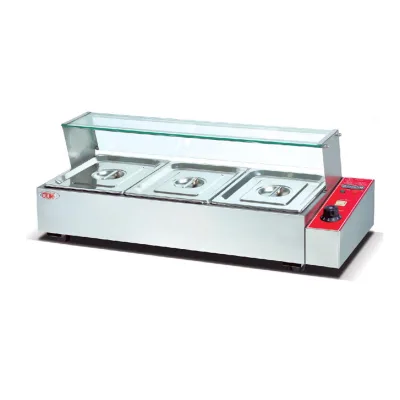
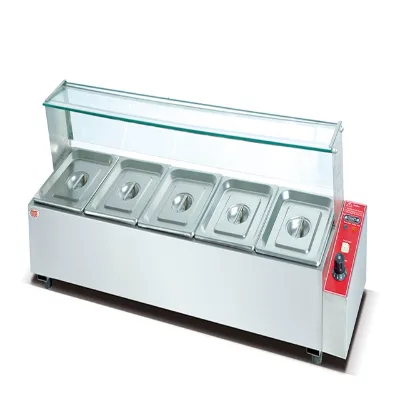
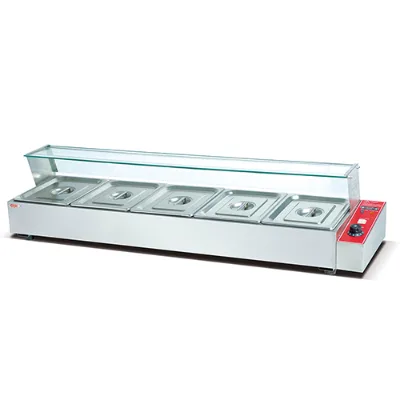
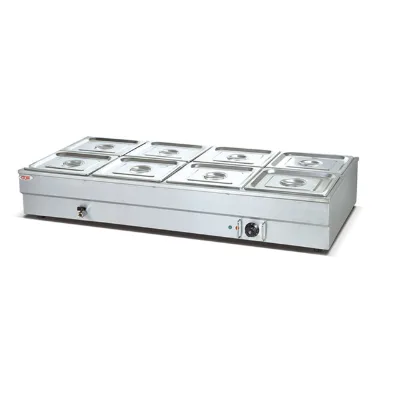
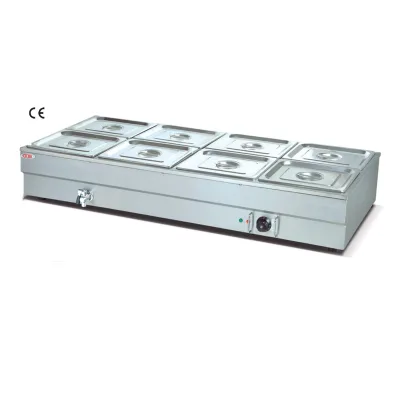
Hotel and Restaurant Service Equipment High Quality Bain Marie Hot Food Warmer(OT-8B)
$208.40 - $312.60
MOQ: 5 Minimum

Guangzhou Sunrry Kitchen Equipment Co., Ltd.
- Verified by CTI
- Trading Company,Manufacturer/Factory
- China Guangdong
- Lead time30 days
- Avg. response≤ 4h
Main productsCommercial Kitchen Solutions, Turnkey Kitchen Solutions, Catering Equipment, Restaurant Equipment, Commercial Refrigeration Equipment, Commercial Bakery Equipment, Commercial Cooking Equipment, Stainless Steel Equipment, Commercial Food Prep Equipment, Commercial Kitchen Equipment
Main marketsSouth America,Eastern Europe,Mid East,North America,Southeast Asia,Eastern Asia,Oceania,Western Europe,Africa

Guangzhou ETON Import & Export Co., Ltd.
- Verified by SGS
- Combined
- China Guangdong
- Lead time30 days
- Avg. response≤ 14h
Main productsCandy Floss Machine, Popcorn Machine, Cup Sealing Machine, BBQ Roaster, Electric Fryer, Hot-Dog Roller, Ice Blender, Ice Crusher, Juice Extrctor, Slush Machine
Main marketsSouth America,Europe

Stainless Steel Buffet Warmer Kitchen Buffet Catering Food Warmer Display Electric Bain Marie
$99.00 - $119.00
MOQ: 20 Pieces


Jiangsu Xinyuehai Commercial Kitchenware Co., Ltd
- Verified by SGS
- Combined
- China Jiangsu
- Lead time15 days
- Avg. response≤ 3h
Main productsCatering Equipment, Chinese Stove, Kitchen Equipment, Kitchen Appliance, Gas Stove, Ice Maker Machine, Stainless Steel Shelf, Kitchen Workbench, Refrigerator, Induction Cooker
Main marketsDomestic,Europe


Commercial Electric Food Warmer Stainless Steel Bain Marie for Restaurant
$546.00 - $746.00
MOQ: 1 Pieces

$83.00 - $93.00
MOQ: 1 Pieces
Binzhou Greater Kitchen Equipment Co., Ltd.
- Manufacturer, Trading Company
- Shandong, China
- Lead time15 days
- Avg. response≤ 15h
Main productskitchen equipment,stainless steel work table,Display cabinet,Environmental protection equipment,Supermarket equipment
Main marketsNorth America(20.00%), Domestic Market(15.00%), Oceania(10.00%), South America(5.00%), South Asia(5.00%), Southern Europe(5.00%), Northern Europe(5.00%), Central America(5.00%), Western Europe(5.00%), Eastern Asia(5.00%), Mid East(5.00%), Eastern Europe(5.00%), Africa(5.00%), Southeast Asia(5.00%)
Guangzhou Jinfeng Catering Equipment Co., Ltd.
- Manufacturer, Trading Company
- Guangdong, China
- Lead time15 days
- Avg. response≤ 3h
Main productsBaking oven,pizza oven,dough mixer,fermenting box,waffle makers
Main marketsSoutheast Asia(10.00%), Domestic Market(10.00%), South America(10.00%), North America(10.00%), Central America(8.00%), South Asia(8.00%), Eastern Asia(8.00%), Mid East(8.00%), Oceania(8.00%), Africa(8.00%), Eastern Europe(3.00%), Western Europe(3.00%), Southern Europe(3.00%), Northern Europe(3.00%)
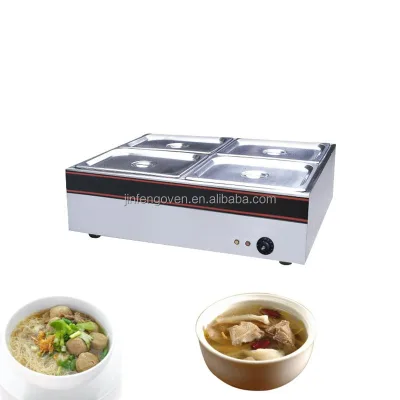
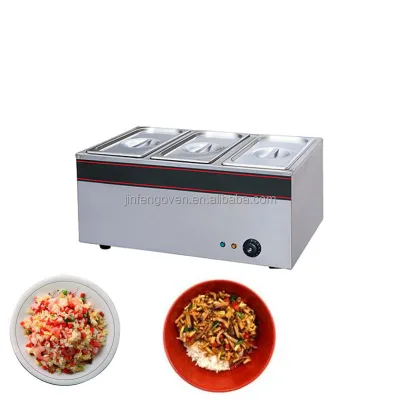
Commercial Hotel Restaurant Kitchen Equipment 4 Pans Electric Baine Marie Food Warmer
$65.00 - $80.00
MOQ: 1 sets

Guangzhou Tailang Industrial Co., Ltd.
- Verified by TUVRHEINLAND
- Combined
- China Guangdong
- Lead time15 days
- Avg. response≤ 1h
Main productsDeep Fryer, Popcorn Machine, Crepe Maker, Cotton Candy Machine, Panini Grill, Griddle, Waffle Maker, Fishball Grill, Bain Marie
Main marketsSouth America

Affordable Commercial Bain Marie - Stainless Steel Soup & Buffet Food Warmer
$55.00 - $63.00
MOQ: 10 Pieces

Commercial Catering Buffet Equipment Supplies Stainless Steel Food Warmer Bain Marie
$32.00 - $42.00
MOQ: 10 Sets


Guangzhou Foodsense Catering Equipment Co., Ltd.
- Trading Company
- Lead time旺季: "1 - 10":90,"> 10":"To be negotiated", 淡季: "1 - 10":90,"> 10":"To be negotiated"
- Avg. response≤ 3h
Main productsFood Processing Machine, Bakery Equipment, Western Kitchen Equipment, Refrigeration Equipment, Bar Beverage Equipment
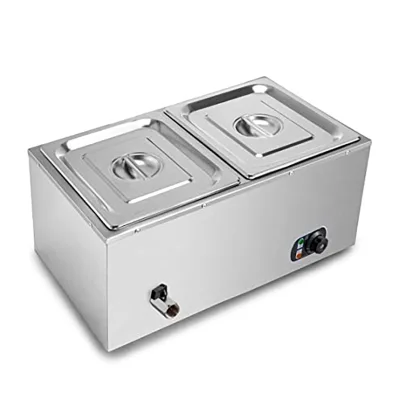
Catering Equipment Counter Top Bain Marie Glass Stainless Steel Buffet Hot Food Display Warmer
$48.00 - $58.00
MOQ: 1 pieces

Zibo KING-TRADING Int'l Co., Ltd.
- Verified by SGS
- Trading Company
- China Shandong
- Lead time15 days
- Avg. response≤ 1h
Main productsbain marie
Main marketsEast Asia(Japan/ South Korea),Australia,North America
Guangzhou Zhuolin Restaurant Supplies Limited
- Verified by Intertek
- Trading Company
- Lead time15 days
- Avg. response≤ 6h
Main productsChafing Dish
Main marketsMid East(42%), Southeast Asia(16%), Eastern Asia(10%)

Jiangmen Xinxin Houseware Co., Ltd.
- Verified by BV
- Trading Company,Manufacturer/Factory
- China Guangdong
- Lead time30 days
- Avg. response≤ 5h
Main productsLunch Box, Coffeeware, Kitchenware, Chafing Dishes, Gn Pan, Juice Dispenser, Trolley, Stock Pot, Bar Sets, Storages Box
Main marketsEastern Europe,Mid East,North America,Southeast Asia,Eastern Asia,Oceania,Western Europe


Stainless Steel Wedding Buffet Food Warmer for Restaurant and Hotel Chafing Dish
$244.00
MOQ: 10 Pieces


$45.00 - $65.00
MOQ: 100 Pieces


- Verified by SGS
- Trading Company,Manufacturer/Factory
- China Guangdong
- Lead time45 days
- Avg. response≤ 2h
Main productsStainless Steel Cookware, Stainless Steel Untensil, Stainless Steel Kitchenware, Stainless Steel Colander Bowl, Stainless Steel G. N Pan, Stainless Steel Pressure Cooker, Stainless Steel Buckets, Stainless Steel Dishes Rack, Stainless Steel Chafing Dishes, Stainless Steel Fittings
Main marketsSouth America,Eastern Europe,Mid East,North America,Southeast Asia,Eastern Asia,Oceania,Western Europe,Africa
Guangzhou Berman Restaurant Supply Limited
- Manufacturer
- Guangdong, China
- Lead time10 days
- Avg. response≤ 11h
Main productsRestaurant Equipment Supply,Catering Equipment Supply,Buffet Equipment Supply,Hotel Equipment Supply,Wedding Equipment
Main marketsMid East(49.00%), Eastern Asia(29.00%), Southeast Asia(6.00%), South America(5.00%), Western Europe(3.80%), Eastern Europe(2.90%), Northern Europe(1.70%), Southern Europe(1.40%), Africa(1.20%)
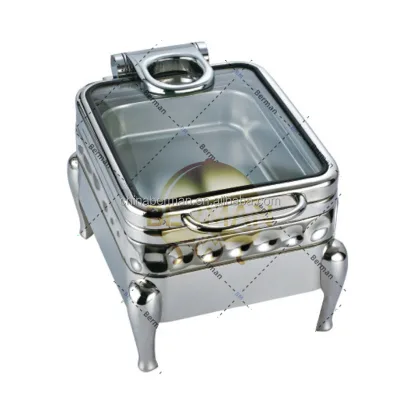
$234.55 - $246.89
MOQ: 1 pieces
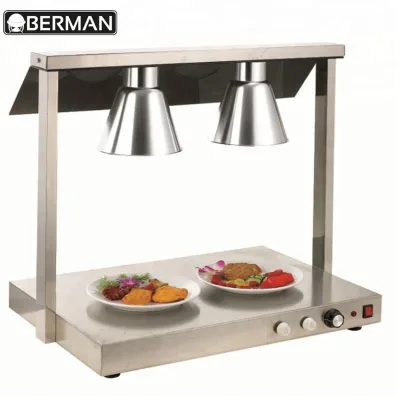
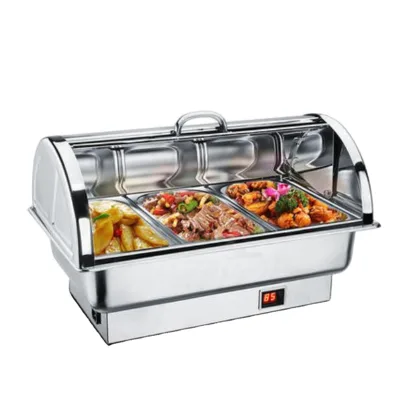
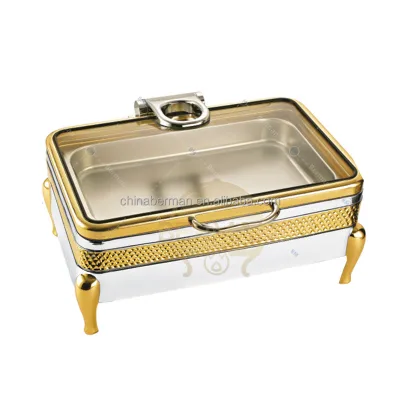

GGMGASTRO (QINGDAO) INTERNATIONAL CO., LTD.
- Verified by BV
- Trading Company,Manufacturer/Factory
- China Shandong
- Lead time23 days
- Avg. response≤ 4h
Main productsCommercial Refrigerator, Kitchen Equipment, Catering Equipment, Bakery Eqipment, Ice Maker, Stainless Steel Sink, Meat Slicer, Fryer, Induction Cooker, Contact Grill
Main marketsSouth America,Eastern Europe,Mid East,Southeast Asia,Western Europe

Commercial Restaurant Catering Equipment Bain Marie Electric Buffet Food Warmer on Sale
$160.00 - $220.00
MOQ: 1 Pieces

Binzhou Daweite Import And Export Co., Ltd.
- Trading Company
- Shandong, China
- Lead time0 days
- Avg. response≤ 2h
Main productsgas cooker,Single-head Low Soup Stove,Electromagnetic oven,Electromagnetic seafood steaming cabinet,stainless steel work table
Main marketsSoutheast Asia(15.00%), Western Europe(10.00%), Mid East(10.00%), Oceania(10.00%), Africa(10.00%)
Guangzhou Foodsense Catering Equipment Co., Ltd.
- Verified by SGS Group
- Trading Company
- Lead time20 days
- Avg. response≤ 2h
Main productsFood Processing Machine, Bakery Equipment, Western Kitchen Equipment, Refrigeration Equipment, Bar Beverage Equipment
Main marketsAfrica(15%), South America(10%), Southeast Asia(10%)
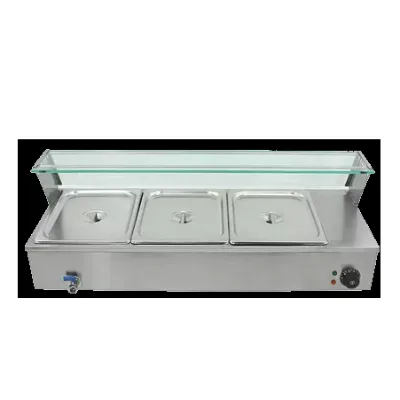
Saudia Food Warmer Display showcase Prices for Food Warmers Kitchen Equipment Gas Bain Marie
$107.31 - $112.42
MOQ: 1

Heavybao Commercial Kitchenware Co., Ltd.
- Verified by SGS
- Combined
- China Guangdong
- Lead time30 days
- Avg. response≤ 3h
Main productsRestaurant Equipment / Catering Equipment, Kitchen Equipment / Fast Food Equipment, Cooking Equipment / Bakery Equipment, Coffee Urn / Coffee Maker / Coffee Percolator, Electric Grill / Deep Fryer / Electric Fryer, Gn Pan/Toaster / Salamander / Waffle Maker, Dog Wash / Dog Cage / Pet Bathtub / Pet Dryer, Workbench / Working Table / Folding Table, Trolley Cart / Trolley / Service Trolley / Cart, Buffet Chafing Dish / Food Warmer / Chafing Dish
Main marketsSouth America,Europe,North America

Heavybao Food Warmer Soup Electric Commerical Buffet Bain Marie Warmer with CE
$92.99 - $102.99
MOQ: 10 Pieces


Heavybao OEM Commercial Electric Catering Buffet Energy-Saving 4L Soup Bain Marie
$41.99 - $45.99
MOQ: 10 Pieces

Heavybao Commercial Electric Buffet Restaurant Food Countertop Bain Marie for Soup
$77.99 - $86.99
MOQ: 10 Pieces


Guangzhou Fuqi Food Machinery Co., Ltd.
- Verified by CTI
- Combined
- China Guangdong
- Lead time15 days
- Avg. response≤ 4h
Main productsFryer, Griddle, Shawarma Machine, Electric Bain Marie, Waffle Machine, Crepe Maker
Main marketsSoutheast Asia/ Mideast,Europe,Australia,North America


$101.47 - $117.71
MOQ: 10 Pieces

Guangzhou Icook Catering Equipment Co., Ltd
- Verified by TUVRHEINLAND
- Trading Company,Manufacturer/Factory
- China Guangdong
- Lead time15 days
- Avg. response≤ 3h
Main productsElectric Fryer, Ice Maker, Deep Fryer, Snake Machine, Gas Fryer, Griddle, Contact Grill, Gas Range, Fryer, Kitchen Equipment
Main marketsSouth America,Eastern Europe,Mid East,North America,Southeast Asia,Eastern Asia,Oceania,Western Europe,Africa
Huizhou Huaruicheng Industry Company Ltd
- Trading Company
- Guagndong, China
- Lead time20 days
- Avg. response≤ 6h
Main productsRestaurant cooking equipment,Bakery equipment,Fast food Equipment,Food processor machinery,Refrigeration equipment
Main marketsMid East(30.00%), Oceania(20.00%), North America(15.00%), Africa(10.00%), Southeast Asia(5.00%), Central America(3.00%), Eastern Asia(3.00%), Eastern Europe(3.00%), South America(3.00%), Southern Europe(2.00%), Northern Europe(2.00%), Western Europe(2.00%), Domestic Market(1.00%), South Asia(1.00%)

Shandong Lonyu Import and Export Co., Ltd
- Verified by SGS
- Trading Company
- China Shandong
- Lead time15 days
- Avg. response≤ 15h
Main productsCatering Equipment, Griddle, Stove, Bakery Equipment, Grill, Oven, Dough Mixer, Fryer, Workbench, Fridge
Main marketsEurope,Australia,North America

Commercial Food Warmer Electric Stainless Steel Bain Marie Buffet Capacity for Restaurant
$50.00 - $60.00
MOQ: 1 Pieces

Commercial 4 Pans Stainless Steel Buffet Food Warmer Bain Marie for Restaurant
$50.00 - $60.00
MOQ: 1 Pieces
Guangzhou Wan Chef Metal Products Co., Ltd.
- Verified by TüVRheinland
- Manufacturer, Trading Company
- Lead time10 days
- Avg. response≤ 3h
Main productsStainless Steel Sink Table, Work Table, Bench Cabient, Storage Shelf, Storage Cabinet
Main marketsNorth America(20%), Southeast Asia(20%), Mid East(20%)

- Trading Company,Manufacturer/Factory
- China Guangdong
- Lead time45 days
- Avg. response≤ 5h
Main productsStainless Steel Trolley, Mobile Trolley, Flatform Trolley, Bakery Trolley, Trash Bag Holder, Insulated Container, Stock Pot, Worktable, Kitchen Sink, Buffet
Main marketsSouth America,Eastern Europe,Mid East,North America,Southeast Asia,Eastern Asia,Oceania,Western Europe,Africa

Catering Equipment Stainless Steel Electric Food Warmer 4 Pans Bain Marie Buffet
$75.87 - $78.65
MOQ: 10 Pieces

Commercial Restaurant Food Warmer Electric Commercial Bain Marie for Soup
$63.00 - $70.00
MOQ: 50 Pieces
Zhengzhou Newslly Kitchen Equipment Co., Ltd.
- Trading Company
- Henan, China
- Lead time10 days
- Avg. response≤ 2h
Main productsBakery Equipment,Food Processing Machinery,Refrigeration Series,Snack Machinery,Western Kitchen Equipment
Main marketsAfrica(15.00%), Oceania(10.00%), Eastern Asia(10.00%), Mid East(10.00%), South Asia(10.00%), Western Europe(10.00%), North America(7.00%), Northern Europe(7.00%), Southeast Asia(5.00%), Eastern Europe(5.00%), South America(5.00%), Central America(3.00%), Southern Europe(3.00%)








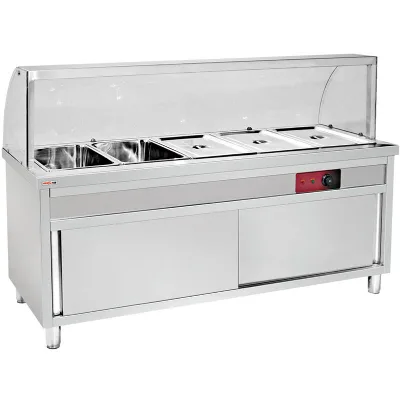
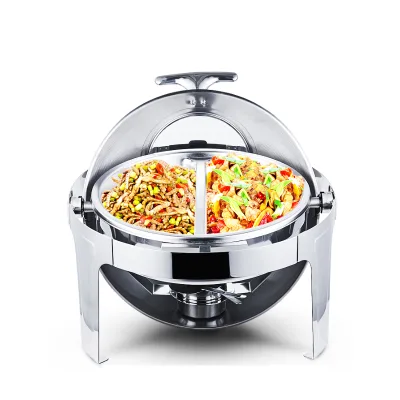
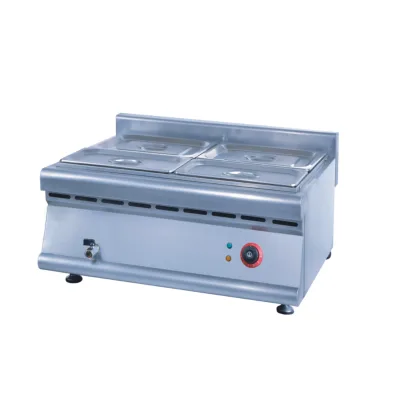
Comprehensive Sourcing Guide
Buffet Bain Marie Food Warmer Supplier Concentration and Factory Types
The sourcing landscape for commercial kitchen equipment reveals distinct manufacturing clusters that influence production capabilities and supply chain efficiency. Current data indicates that suppliers are concentrated in specific Chinese provinces, with notable presence in Shandong and Guangdong regions. These geographic concentrations are not arbitrary; they reflect established industrial ecosystems where specialized labor, raw material access, and logistical infrastructure converge to support the mass production of stainless steel appliances. Buyers evaluating potential partners should recognize that location is a primary indicator of a supplier’s operational maturity. For instance, facilities in Shandong often specialize in heavy-duty stainless steel fabrication, leveraging local steel industry advantages to produce robust worktables, sinks, and warming units. Conversely, suppliers in Guangdong may benefit from a broader ecosystem of electronic components and precision manufacturing, which is critical for electrically heated bain marie units that require reliable heating tubes and temperature control systems. Understanding these regional distinctions allows buyers to align their procurement strategy with the specific technical requirements of their order. A supplier located in a region with a strong history in metalworking may offer superior structural integrity for their steam tables, while those in electronics-heavy zones might provide more advanced digital controls or energy-efficient heating elements. This geographic insight serves as a foundational filter, helping buyers narrow down their search to suppliers who are geographically positioned to meet their volume and quality expectations without unnecessary logistical friction.
Beyond geography, the type of entity behind the product significantly impacts the buying experience and product customization options. The current supplier pool includes both Trading Companies and Manufacturer/Factory entities, each offering distinct advantages. Trading companies often act as intermediaries, aggregating products from multiple factories to offer a wider variety of styles, such as open steam tables, closed cabinets, or portable units, under a single procurement interface. This model can simplify communication for buyers who need diverse SKUs but may introduce layers of markup and potential communication delays. On the other hand, Manufacturer/Factory entities, particularly those with OEM and ODM capabilities, provide direct access to production lines. These suppliers can offer greater flexibility in customization, such as adjusting tray sizes, modifying voltage frequencies for different markets, or altering dimensions to fit specific counter spaces. Some manufacturers also hold their own brands, indicating a commitment to long-term market presence and quality consistency. Buyers must carefully distinguish between these entity types to determine whether they prioritize product variety and service convenience or direct manufacturing control and cost efficiency. The presence of both types in the search results suggests a mature market where buyers can choose based on their specific operational needs, whether that involves standard off-the-shelf units or bespoke solutions tailored to their restaurant’s unique layout and service style.
How to Verify Buffet Bain Marie Food Warmer Suppliers
Verification is the critical step that separates reliable sourcing from risky procurement, especially when dealing with commercial kitchen equipment that must withstand high-volume daily use. Buyers should prioritize suppliers who have undergone third-party verification processes, such as SGS certification, which provides an objective assessment of the company’s operational legitimacy and product quality standards. This verification acts as a baseline trust signal, confirming that the supplier exists as a registered entity and adheres to certain operational norms. However, verification alone is not sufficient; buyers must also scrutinize the specific certifications attached to the products themselves. For electrical appliances like electric bain marie warmers, certifications such as CE are essential, indicating compliance with European safety, health, and environmental protection standards. These certifications are not merely decorative; they are legal requirements for importing into many markets and serve as proof that the heating elements, electrical wiring, and materials meet rigorous safety thresholds. Buyers should request copies of these certificates and verify their validity through the issuing bodies. Additionally, the presence of ISO 9001 system certification for a supplier indicates a structured quality management system, suggesting that the factory has consistent processes for production, inspection, and continuous improvement. This is particularly important for manufacturers who produce complex units with multiple components, as it reduces the risk of defects arising from inconsistent manufacturing practices. By focusing on these verifiable credentials, buyers can mitigate the risk of partnering with unverified entities that may lack the technical competence or ethical standards required for long-term business relationships.
In addition to formal certifications, buyers should assess the supplier’s responsiveness and transparency as indicators of their reliability. Response time is a measurable metric that reflects the supplier’s operational efficiency and customer service commitment. A supplier with a rapid response time, such as under two hours, is likely to have dedicated sales teams and streamlined internal processes, which is crucial for resolving issues quickly during the procurement cycle. Conversely, slower response times may indicate understaffing or disorganized operations, which could lead to delays in communication and problem resolution. Buyers should also examine the supplier’s willingness to provide detailed product information, including material specifications, warranty terms, and after-sales service policies. For instance, a supplier that clearly states their warranty period, such as twelve months, and offers specific after-sales support like free spare parts and video technical support, demonstrates confidence in their product quality and a commitment to customer satisfaction. This level of detail is a strong indicator of a professional supplier who understands the importance of long-term customer relationships. Furthermore, buyers should verify the supplier’s ability to provide customized solutions, as indicated by their ODM and OEM capabilities. A supplier that openly discusses customization options, such as adjusting tray sizes or voltage frequencies, is likely to be more flexible and responsive to unique buyer requirements. By combining formal verification with an assessment of operational responsiveness and transparency, buyers can build a comprehensive profile of each potential supplier, ensuring they partner with entities that are not only legitimate but also capable of delivering high-quality products and reliable service.
What to Compare Across Buffet Bain Marie Food Warmer Suppliers
When evaluating multiple suppliers, buyers must systematically compare key operational metrics to identify the best fit for their specific needs. Lead time is a critical factor that impacts inventory management and market readiness. Suppliers may offer varying lead times, ranging from fifteen days to twenty-three days, depending on their production capacity, current order backlog, and the complexity of the requested customization. Buyers should align their procurement timeline with the supplier’s stated lead time to avoid stockouts or excess inventory costs. Similarly, the Minimum Order Quantity (MOQ) is a decisive factor for businesses of different scales. Some suppliers may have an MOQ of ten units, which is suitable for mid-sized restaurants or distributors, while others may offer an MOQ of just one piece, catering to small businesses or those testing new product lines. Understanding these MOQ variations allows buyers to negotiate terms that match their purchasing power and storage capabilities. Additionally, response speed should be compared across suppliers, as it reflects their ability to handle inquiries and resolve issues efficiently. A supplier with a response time of under two hours is likely to provide a smoother procurement experience, reducing the administrative burden on the buyer’s team. By comparing these operational metrics, buyers can create a weighted scoring system that prioritizes the factors most important to their business, whether that is speed to market, cost efficiency, or flexibility in order size.
Price and product specifications are equally important dimensions for comparison, as they directly impact the total cost of ownership and product performance. The price range for buffet bain marie food warmers can vary significantly, from approximately $137 to $500, depending on the material quality, size, and features. Buyers should not simply choose the lowest price but rather evaluate the value proposition, considering factors such as material grade (e.g., SS201 vs. SS304 stainless steel), heating efficiency, and warranty coverage. For instance, a unit made with SS304 stainless steel may have a higher upfront cost but offers better corrosion resistance and longevity, reducing long-term replacement costs. Similarly, buyers should compare the technical specifications, such as voltage compatibility, heating tube material, and temperature control mechanisms, to ensure the product meets their operational requirements. A supplier that offers manual temperature control with a range of 20-80°C may be suitable for basic warming needs, while those with more advanced controls may be better for precise culinary applications. Additionally, buyers should consider the packaging and shipping costs, as these can add to the total landed cost. A supplier that uses sturdy plywood boxes may offer better protection during transit, reducing the risk of damage and associated returns. By systematically comparing price, specifications, and logistical details, buyers can make informed decisions that balance cost, quality, and performance, ensuring they select suppliers who offer the best overall value for their specific business needs.
Common Buffet Bain Marie Food Warmer Sourcing Risks
Sourcing commercial kitchen equipment involves several inherent risks that buyers must proactively manage to ensure a successful procurement outcome. One significant risk is the variability in material quality, particularly regarding the grade of stainless steel used in construction. Suppliers may list materials as SS201 or SS304, but without rigorous verification, there is a risk of receiving units with lower-grade steel that is more prone to corrosion and rust, especially in high-humidity kitchen environments. This can lead to premature product failure, increased maintenance costs, and potential health code violations. Buyers must insist on clear material specifications and, if possible, request samples or third-party material testing reports to verify the actual steel grade. Another risk is the reliability of electrical components, which are critical for the safe and efficient operation of electric bain marie units. Defective heating tubes or faulty temperature controllers can lead to uneven heating, energy inefficiency, or even safety hazards such as electrical fires. Buyers should prioritize suppliers who provide detailed technical specifications and warranty coverage for these components, as this indicates a higher level of quality control and manufacturer confidence. Additionally, the risk of communication breakdowns is heightened when dealing with international suppliers, particularly if there are language barriers or time zone differences. Misunderstandings regarding product specifications, packaging requirements, or shipping instructions can lead to costly errors, such as receiving the wrong voltage configuration or improperly packaged goods that are damaged in transit. To mitigate this risk, buyers should establish clear communication protocols, use detailed purchase orders, and maintain regular contact with their suppliers throughout the production and shipping process.
Logistical and compliance risks are also prevalent in the sourcing of commercial kitchen equipment. Shipping heavy stainless steel appliances can be expensive and complex, with risks of damage during transit if packaging is inadequate. Buyers must ensure that suppliers use robust packaging, such as plywood boxes or reinforced cartons, to protect the units during long-distance shipping. Furthermore, buyers must navigate the regulatory requirements of their target markets, including safety certifications and import duties. Failure to comply with these regulations can result in customs delays, fines, or product seizures. For example, importing electrical appliances into the European Union requires CE certification, while other markets may have different standards. Buyers must verify that their suppliers can provide the necessary documentation and certifications to ensure smooth customs clearance. Additionally, the risk of supplier insolvency or operational disruption is a concern, particularly for smaller trading companies that may lack the financial stability of larger manufacturers. Buyers should assess the supplier’s financial health and operational history to minimize the risk of order cancellation or delivery delays. By identifying and addressing these common risks through thorough due diligence, clear contracts, and proactive communication, buyers can protect their investments and ensure a smooth sourcing process for their buffet bain marie food warmers.
Buffet Bain Marie Food Warmer Regional Sourcing and Logistics
The geographic location of suppliers plays a pivotal role in determining logistics costs, lead times, and overall supply chain resilience. Suppliers located in China’s Shandong and Guangdong provinces offer distinct logistical advantages based on their proximity to major ports and industrial hubs. Shandong, being a major industrial base, often provides efficient access to raw materials like stainless steel, which can reduce production costs and lead times for metal-intensive products. Buyers sourcing from this region may benefit from shorter domestic transit times to ports like Qingdao or Tianjin, facilitating faster export processes. On the other hand, Guangdong, particularly the Pearl River
FAQs
What is the price range for stainless steel buffet warmers?
Prices for stainless steel buffet warmers typically range from $137 to $500 depending on the model and specifications. Basic countertop units start around $137, while larger commercial steam tables with full covers can cost up to $500. Buyers should check specific product listings for exact pricing based on material grade and capacity.
What materials are used in these food warmers?
Most commercial buffet warmers are constructed from SS201 or SS304 stainless steel. The heating tubes and recommended food trays are often specified as SS304 for better durability and corrosion resistance. Buyers can choose between these material grades based on their budget and hygiene requirements for their specific kitchen environment.
What is the minimum order quantity for these items?
The minimum order quantity varies significantly by supplier and product type. Some suppliers offer a low MOQ of just one piece for standard models, while others require a minimum of ten units for certain commercial steam tables. Buyers should verify the specific MOQ for their desired model before placing an order.
How long does delivery usually take?
Lead times for these commercial kitchen equipment items generally range from 15 to 23 days. The exact delivery duration depends on the supplier's location, production capacity, and whether the order requires customization. Buyers should confirm the specific lead time with the supplier to ensure it aligns with their operational schedule.
Are these warmers certified for safety and quality?
Many suppliers provide products with CE certification and ISO 9001 system certification. Additionally, some trading companies hold SGS verification for their business operations. Buyers should request specific certification documents for the models they intend to purchase to ensure compliance with local safety and quality standards in their destination market.
What warranty and after-sales support is provided?
Standard warranty periods for these electric food warmers are typically 12 months. After-sales support often includes free spare parts and video technical assistance. Buyers should confirm the specific warranty terms and the availability of replacement components like heating tubes and temperature controllers before finalizing their purchase agreement.