Source Compostable Wood Spoon for Hotels, Picnics, and Catering
Find and compare 30 listings for Compostable Wood Spoon options suitable for hotels, picnics, and catering. These eco-friendly utensils are available in various sizes and materials, including bamboo and birchwood, with customization and certification options.
Key considerations
Products List


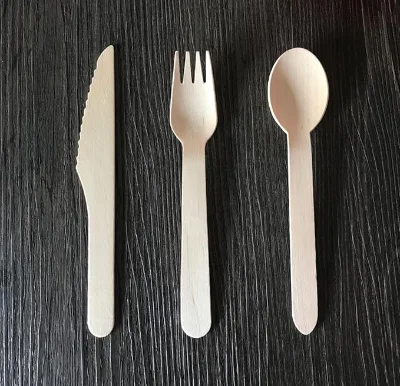


Biodegradable Disposable Mini Wooden Dessert Eco-Friendly Wood Tasting Spoon
$0.02 - $0.02
MOQ: 50000 Pieces
Comprehensive Sourcing Guide
Compostable Wood Spoon Sourcing Guide
The global shift toward sustainable packaging has elevated the demand for compostable wood spoons, positioning them as a critical alternative to single-use plastics in the food service industry. Based on observed market listings, these products are primarily manufactured from natural materials such as bamboo, birchwood, and composite wood blends, offering a rigid and smooth surface suitable for hot and cold food applications. Buyers should recognize that while the core material is consistent, the specific sourcing strategy must account for variations in wood type, which directly influences the spoon's durability, texture, and end-of-life composting profile.
Procurement decisions for this category require a clear understanding of the product's intended environment, ranging from hotel and restaurant service to home parties and picnics. The observed product attributes indicate that these spoons are designed for food contact and are often marketed with advantages such as being eco-friendly, food-grade, and biodegradable. However, buyers must distinguish between general "wood" claims and specific material compositions like compostable birchwood or bamboo, as these distinctions affect both the mechanical strength of the utensil and its certification eligibility for industrial composting facilities.
Product Scope and Observed Listing Signals
When evaluating product listings, buyers will encounter a range of specifications that define the physical scope of the Compostable Wood Spoon. Observed data indicates that standard sizes vary significantly, with common lengths including 6-inch, 7-inch, 160mm, and specific metric measurements like 95mm, 100mm, 110mm, and 140mm. Some suppliers offer fully customized sizes to meet unique branding or functional requirements, while others provide standard models such as the TC07W. This variability necessitates a precise definition of the required dimensions before initiating a request for quotation to ensure the utensil fits the specific serving vessels and food types intended for use.
The commercial scope of these listings also reveals distinct packaging and customization patterns that impact logistics and branding. Products are frequently supplied in poly bags containing 100 pieces, with bulk cartons holding 5,000 units or specific configurations like 100 bags per carton. Customization is a prominent feature, with many suppliers accepting customer logos and offering tailored branding options, though some listings specify non-customized stock items. Buyers must verify whether the "customized" attribute applies to the physical dimensions, the surface finish, or merely the branding, as this distinction determines the complexity of the production run and the associated lead times.
Technical Specifications to Verify
Dimensional accuracy and material integrity are the primary technical specifications that must be verified to ensure the spoon performs adequately in service. The observed standards list specific lengths ranging from 70mm to 160mm, but buyers should confirm that the selected model maintains structural rigidity and a smooth surface finish without splinters or rough edges. Since the material is described as wood and bamboo, the density and grain structure are critical; a spoon intended for heavy soups or hot beverages requires a denser wood like birchwood, whereas lighter bamboo may suffice for dry foods or cold drinks. Verification of the "unfolded" state and the absence of folding mechanisms is also essential, as these are rigid, single-use items rather than collapsible tools.
Surface treatment and finish quality are secondary but vital technical parameters that affect user experience and safety. The product attributes highlight features such as a "natural," "healthy," and "dry" surface, which implies a lack of chemical coatings or synthetic varnishes that could compromise the compostability of the item. Buyers should request samples to physically inspect the texture and ensure the spoon is free from defects that could cause breakage during use. Additionally, the "food grade" advantage suggests that the wood has been processed to meet safety standards for direct food contact, but this must be confirmed through the supplier's quality control records rather than assumed from marketing descriptions.
Compliance and Safety Documentation
Regulatory compliance is a non-negotiable aspect of sourcing compostable wood spoons, particularly for markets with strict food safety and environmental regulations. The observed product data lists a robust array of certifications, including FDA, CE/EU, LFGB, SGS, CIQ, and EEC, which indicate that the products are tested for food contact safety and chemical migration. Buyers must ensure that the specific batch they are purchasing carries the relevant certificates for their target market, as a product certified for the EU may not automatically satisfy FDA requirements without specific testing documentation. The presence of these certifications is a strong indicator that the supplier adheres to international safety protocols, but the validity of the certificates for the specific production run must be verified.
Environmental compliance and end-of-life claims require careful scrutiny to avoid greenwashing and ensure the product meets local waste management standards. While the listings emphasize that the spoons are "biodegradable," "compostable," and "eco-friendly," buyers should verify if the products meet specific industry standards such as EN13432 or ASTM D6400, which define the criteria for industrial compostability. Although these specific standard numbers appear in the background context, the supplier must provide test reports confirming that the wood or bamboo material breaks down within the required timeframe under composting conditions. Without this documentation, the "compostable" claim may not hold up in regulated markets where waste disposal is strictly monitored.
Cost Drivers and Commercial Terms
The cost structure for compostable wood spoons is heavily influenced by the raw material source, the level of customization, and the scale of the order. The observed Minimum Order Quantity (MOQ) ranges from 50,000 pieces to 100,000 pieces, indicating that this is a volume-driven market where unit costs decrease significantly with larger orders. Buyers should anticipate that customized orders, which require specific logos, sizes, or packaging configurations, will carry a higher price point and potentially longer lead times compared to standard stock items. The material composition, such as the use of premium birchwood versus standard bamboo, also acts as a primary cost driver that must be factored into the total landed cost calculation.
Commercial terms regarding samples and shipping are critical components of the procurement negotiation process. Many suppliers offer free samples, though some may require the buyer to pay for shipping costs on a collect basis, which is a standard practice for verifying product quality before committing to a large order. The packaging specifications, such as 100 pieces per poly bag and 5,000 pieces per carton, directly impact shipping efficiency and storage requirements. Buyers should clarify whether the quoted price includes the cost of the poly bags and cartons or if these are separate line items, as this affects the overall budget and the logistics planning for warehousing and distribution.
Supplier Qualification and Quality Control
Supplier qualification for compostable wood spoons requires a thorough assessment of their manufacturing capabilities and quality assurance processes. The observed data indicates that suppliers are based in China and often possess a range of certifications, but buyers must verify the supplier's ability to maintain consistent quality across large production runs. This includes checking their capacity to handle the high MOQs observed in the market and their track record for delivering products that meet the specified material and dimensional standards. A supplier's willingness to provide samples and their responsiveness to technical queries are strong indicators of their reliability and commitment to the partnership.
Quality control measures should extend beyond the final inspection to include raw material sourcing and in-process checks. Since the product is made from natural materials like wood and bamboo, variability in the raw stock can lead to inconsistencies in color, grain, and strength. Buyers should inquire about the supplier's protocols for sorting and grading the wood to ensure that only high-quality, defect-free pieces are used in the final product. Additionally, the supplier should have a clear process for handling customer complaints and returns, particularly regarding issues like breakage or contamination, to ensure that the final product meets the "food grade" and "healthy" expectations set by the market.
Long-Term Procurement Checks
Establishing a long-term procurement relationship for compostable wood spoons requires ongoing monitoring of supply chain stability and material consistency. Buyers should regularly audit the supplier's ability to source raw materials sustainably, ensuring that the wood and bamboo are harvested in compliance with environmental regulations and do not contribute to deforestation. This is particularly important given the "eco-friendly" and "compostable" nature of the product, as any deviation in sourcing practices could undermine the brand's sustainability claims and lead to reputational damage. Maintaining a dialogue with the supplier about their sourcing strategies is essential for ensuring the long-term viability of the product line.
Performance tracking and market adaptation are also critical for long-term success in this category. As consumer preferences and regulatory landscapes evolve, the specifications for compostable cutlery may change, requiring suppliers to adapt their production processes accordingly. Buyers should establish a schedule for periodic product reviews to ensure that the spoons continue to meet the required standards for size, strength, and safety. Furthermore, staying informed about new certifications or standards that may emerge in the compostable materials sector will allow buyers to proactively update their specifications and maintain a competitive edge in the market.
FAQs
What certifications do compostable wood spoons have?
Compostable wood spoons typically hold FDA, CE/EU, LFGB, and SGS certifications. These ensure the products meet strict food safety and environmental standards for international trade. Buyers should verify specific certificates with suppliers to confirm compliance with local regulations in their target markets.
Can I customize the size of compostable wood spoons?
Yes, customized sizes are available for compostable wood spoons. Standard dimensions include 160mm, 95mm, 100mm, 110mm, and 140mm. Suppliers accept custom size requests to meet specific packaging or usage requirements, allowing brands to tailor the product to their unique operational needs.
What is the minimum order quantity for these spoons?
The minimum order quantity is generally 50,000 pieces. Some suppliers may accept orders starting from 50 pieces for samples, but bulk production requires higher volumes. Buyers should confirm the exact MOQ with the manufacturer, as it can vary based on customization and packaging preferences.
Are compostable wood spoons eco-friendly and biodegradable?
Yes, these spoons are eco-friendly and biodegradable. Made from wood, bamboo, or birchwood, they are designed to decompose naturally. The material is often described as natural, healthy, and food-grade, making them a sustainable alternative to plastic cutlery for restaurants and events.
How are compostable wood spoons packaged for shipping?
Packaging typically involves 100 pieces per poly bag, with 5,000 pieces per carton. Some suppliers offer 100 pieces per pack and 5,000 per carton. The outer carton ensures safe transport, while individual poly bags maintain hygiene and convenience for end-users in food service settings.
What materials are used to make compostable wood spoons?
These spoons are made from wood, bamboo, or birchwood. The materials are selected for their natural properties, ensuring the cutlery is rigid, smooth, and healthy for food contact. The use of renewable resources like bamboo and wood supports the product's compostable and biodegradable characteristics.