Source Compression Cycling Socks for running, training, and racing
Compare 30 Compression Cycling Socks from verified suppliers offering custom sizes, breathable materials, and anti-bacterial features. Buyers can evaluate options based on thickness, elasticity, and OEM service availability for professional or recreational use.
Key considerations
Products List


Unisex Men Custom Wholesale Compression Cotton Sport Cycling Women Socks
$0.80 - $1.30
MOQ: 1000 Pairs


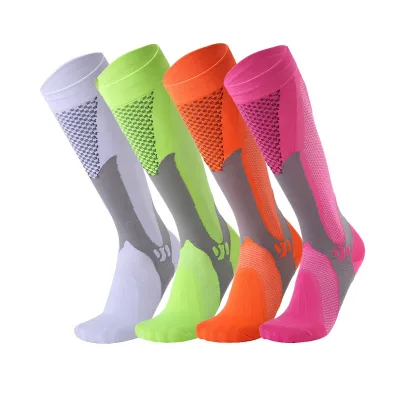

Comprehensive Sourcing Guide
Compression Cycling Socks Sourcing Guide
Sourcing Compression Cycling Socks requires a precise understanding of the intersection between athletic performance and supply chain reliability. The market offers a diverse range of options, from standard crew lengths to specialized knee-high designs, each tailored to specific cycling disciplines and rider preferences. Buyers must navigate a landscape where product attributes like breathability, anti-bacterial properties, and moisture-wicking capabilities are critical for rider comfort during extended periods of exertion. The availability of customization services allows brands to differentiate their offerings through unique patterns, logos, and specific compression levels, making the selection process a strategic decision rather than a simple commodity purchase.
The procurement strategy must account for the variability in material composition and manufacturing techniques observed across listings. While some products utilize nylon for its durability and elasticity, others rely on polyester or cotton blends to achieve specific tactile and functional outcomes. The presence of features such as quick-dry technology, thermal regulation, and anti-slip grips indicates a mature supply chain capable of meeting high-performance demands. However, the diversity in specifications, including variations in thickness from normal to thick and length from ankle to knee, necessitates a rigorous verification process to ensure the selected inventory aligns with the intended use case and target demographic.
Product Scope and Observed Listing Signals
The observed product scope for Compression Cycling Socks encompasses a wide array of styles, including crew, ankle, and knee-high variations, catering to both unisex and specific gender requirements. Listings frequently highlight customization options for color, size, and logo placement, suggesting that many suppliers operate on an OEM basis to support brand-specific needs. The presence of features like eco-friendly materials, disposable options, and anti-bacterial treatments reflects a market responding to both sustainability trends and hygiene concerns in the sports apparel sector. Buyers should note that while some products are marketed as football or general sports socks, the specific compression and cycling applications require careful filtering of these broader categories to find true performance gear.
Listing signals indicate a significant variation in minimum order quantities (MOQ), ranging from as low as 2 pairs to 3,000 pairs, which presents a challenge for buyers with different scale requirements. The price range observed spans from $0.45 to $9.03, reflecting differences in material quality, compression technology, and production complexity. Some suppliers offer standard models with fixed specifications, while others provide fully custom solutions with lead times extending up to 35 days for bulk production. This variability means that buyers must clearly define their volume needs and quality expectations early in the sourcing process to avoid mismatches between supplier capabilities and procurement goals.
Technical Specifications to Verify
Verifying the technical specifications of Compression Cycling Socks is essential to ensure they meet the rigorous demands of athletic performance. Buyers must confirm the specific compression level, as listings indicate options ranging from medium to high elasticity, which directly impacts blood flow and muscle support. The material composition is another critical factor; while nylon and polyester are common for their moisture management and durability, the inclusion of cotton or specific knitting techniques can alter the sock's breathability and fit. It is vital to request detailed material breakdowns to ensure the product possesses the necessary quick-dry and thermal properties required for cycling in varying weather conditions.
Length and thickness specifications must be aligned with the intended cycling discipline, as the market offers everything from ankle socks for casual riding to knee-high compression socks for professional endurance events. The thickness of the fabric, described in listings as normal, medium, or thick, influences the sock's cushioning and protection against road vibration and friction. Additionally, the knitting technique, such as jacquard or embroidery, affects the durability of patterns and the structural integrity of the compression zones. Buyers should verify that the product's height and style, whether labeled as compression, sport, or football socks, accurately reflect the functional requirements of the specific cycling application.
Compliance and Safety Documentation
Compliance and safety documentation for Compression Cycling Socks often revolve around material safety and manufacturing standards rather than complex regulatory certifications. Buyers should verify that the materials used, particularly those claiming to be eco-friendly or anti-bacterial, meet relevant textile safety standards for human contact. The presence of features like non-slip grips and anti-bacterial treatments implies a need for testing data that validates these functional claims, ensuring they do not degrade over time or cause skin irritation. While specific certification names may not be universally listed, the expectation is that suppliers can provide evidence of compliance with general textile safety regulations applicable to the destination market.
Documentation regarding the production process and origin is equally important for maintaining supply chain transparency. Listings indicate that products originate from China, and buyers should request detailed information on the manufacturing facilities to ensure ethical labor practices and consistent quality control. The ability to provide custom sizes and patterns suggests a flexible production environment, but this flexibility must be backed by robust quality assurance protocols. Buyers should insist on documentation that confirms the consistency of the compression levels and the durability of the anti-slip features, ensuring that the final product performs safely and effectively under the stress of cycling activities.
Cost Drivers and Commercial Terms
Cost drivers for Compression Cycling Socks are primarily influenced by material selection, customization complexity, and order volume. The use of specialized materials like high-elasticity nylon or polyester, combined with advanced knitting techniques and features such as thermal regulation, can significantly increase the unit cost. Customization options, including specific colors, logos, and packaging, add layers of complexity to the production process, often resulting in higher prices and longer lead times. Buyers must balance the desire for premium features with budget constraints, understanding that the observed price range of $0.45 to $9.03 reflects these varying levels of sophistication and customization.
Commercial terms and payment structures play a crucial role in the overall cost of procurement. Listings indicate that suppliers accept various payment methods, including T/T, LC, and Western Union, each carrying different implications for cash flow and risk management. The bulk production time of 25 to 35 days is a significant factor that buyers must account for in their inventory planning, as delays can disrupt supply chains and affect market responsiveness. Additionally, the MOQ requirements, which can range from 500 pairs to 3,000 pairs, may necessitate a strategic approach to inventory management to avoid overstocking or underutilizing capital.
Supplier Qualification and Quality Control
Supplier qualification for Compression Cycling Socks requires a thorough assessment of their manufacturing capabilities and quality control systems. Buyers should prioritize suppliers who demonstrate a clear understanding of compression technology and the ability to maintain consistent elasticity and fit across large production runs. The availability of OEM services and customization options indicates a supplier's flexibility, but this must be paired with rigorous quality checks to ensure that every pair meets the specified standards for thickness, length, and material composition. Verifying the supplier's track record in producing similar athletic wear can provide valuable insights into their reliability and consistency.
Quality control processes should be explicitly defined and agreed upon before production begins. Buyers must ensure that the supplier has mechanisms in place to test for key attributes such as breathability, anti-bacterial efficacy, and the durability of anti-slip features. The use of specific packing methods, such as individual PP bags or custom packaging, should be verified to prevent damage during transit and maintain product integrity. Regular inspections and the requirement for pre-shipment samples are essential steps to mitigate the risk of receiving substandard goods. Establishing a clear communication channel for addressing quality issues is also critical for maintaining a productive long-term relationship with the supplier.
Long-Term Procurement Checks
Long-term procurement checks for Compression Cycling Socks involve monitoring the consistency of product quality and the supplier's ability to adapt to changing market demands. Buyers should regularly review the performance of the socks in real-world cycling conditions to ensure that features like quick-dry capabilities and compression levels remain effective over time. Tracking the supplier's adherence to agreed-upon lead times and MOQs is essential for maintaining a stable supply chain, as delays or inconsistencies can impact brand reputation and customer satisfaction. Continuous feedback loops between the buyer and supplier can help identify areas for improvement and drive innovation in product design.
Sustainability and ethical sourcing should be ongoing considerations in the long-term procurement strategy. As the market increasingly values eco-friendly materials and responsible manufacturing practices, buyers must ensure that their suppliers remain compliant with evolving environmental standards. Regular audits of the supplier's production processes and material sourcing can help verify that the claimed eco-friendly attributes are genuine and not merely marketing claims. By maintaining a proactive approach to supplier management, buyers can secure a reliable source of high-quality Compression Cycling Socks that aligns with their brand values and long-term business objectives.
FAQs
Can Compression Cycling Socks be customized with logos?
Yes, customization is available for these socks, including custom logos and colors. Buyers can request specific designs to match their brand identity. The service supports OEM requirements, allowing for tailored production. This ensures that the final product aligns with specific marketing or team needs while maintaining quality standards.
What materials are used in these sports socks?
These socks are primarily made from Nylon, Polyester, and Cotton blends. These materials are selected for their durability, breathability, and moisture-wicking properties. The combination ensures comfort during extended wear. The fabric choice supports thermal regulation and anti-bacterial features, making them suitable for various athletic activities and seasons.
What is the minimum order quantity for these socks?
The minimum order quantity varies, typically ranging from 500 pairs to 3000 pairs depending on the specific model and customization level. Some options may start at lower quantities like 100 pairs. Buyers should confirm the exact MOQ with the supplier based on their selected product specifications and design requirements.
How long does bulk production take?
Bulk production time is generally between 25 to 35 days. This timeframe allows for proper manufacturing, quality control, and customization processes. Lead times may vary based on order volume and specific design complexities. Buyers should plan their procurement schedule accordingly to ensure timely delivery for their events or retail needs.
Are these socks suitable for unisex use?
Yes, these socks are designed for unisex use, catering to both men and women. They are available in various sizes, including custom options, to ensure a proper fit. The design focuses on functionality and comfort for all users. This versatility makes them ideal for team sports, casual wear, or professional athletic applications.
What features do these compression socks offer?
These socks offer features such as breathability, anti-slip properties, and thermal regulation. They are designed to be eco-friendly and often include anti-bacterial treatments. The compression level is typically medium, supporting muscle performance. Additional features may include quick-dry capabilities and deodorization, enhancing comfort and hygiene during physical activities.