Source Compression Mesh Breathable Sport Socks for running, gym, and tennis
Explore 30 listings of Compression Mesh Breathable Sport Socks designed for running, gym workouts, and tennis. Buyers can compare features like anti-bacterial properties, eco-friendly materials, and customization options from verified suppliers in China.
Key considerations
Products List


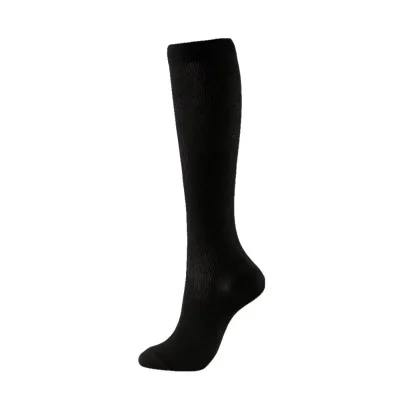
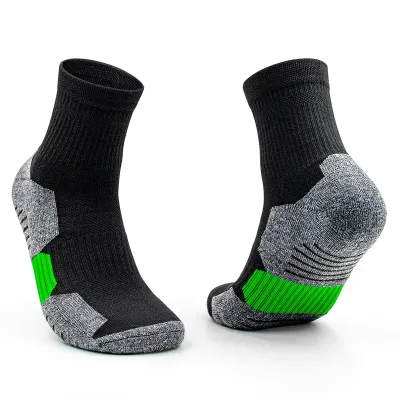
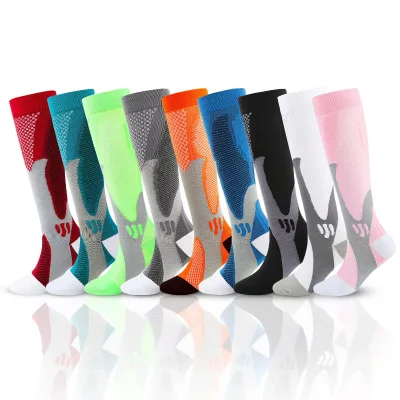


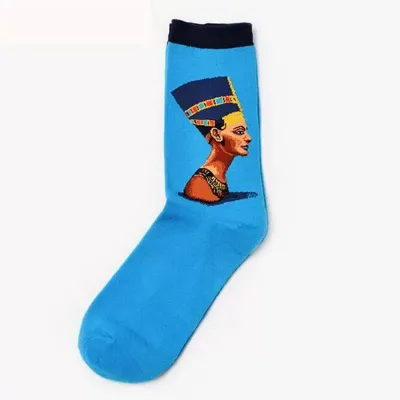
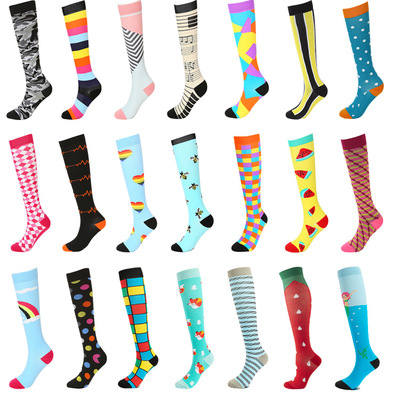


Breathable and Anti-Slip Sports Running Compression Socks Unisex Short Socks
$0.20 - $1.50
MOQ: 200 Pairs


Comprehensive Sourcing Guide
Strategic Sourcing Guide for Compression Mesh Breathable Sport Socks
Understanding Product Architecture and Technical Specifications
When sourcing Compression Mesh Breathable Sport Socks, the primary objective is to identify products that balance mechanical support with thermal regulation. The market offers a diverse array of configurations, ranging from ankle-length variants to mid-calf and full-length compression styles. Based on observed product data, the "Height" attribute is a critical differentiator, with listings explicitly categorizing options as Low, Middle, Tall, or specifically as Ankle Socks. Buyers must align these height specifications with the intended athletic application, as compression levels often vary by leg coverage.
Material composition is the second pillar of technical specification. While traditional cotton blends are common for daily wear, sport-specific compression socks frequently utilize synthetic blends to achieve elasticity and moisture management. The supplied data indicates the presence of materials such as Cotton, Spandex, and Nylon. The inclusion of Spandex is particularly relevant for compression functionality, as it provides the necessary tensile strength to maintain pressure on the leg muscles. Nylon contributes to durability and abrasion resistance, which is essential for high-friction activities like running or gym training.
Thickness and weight are often overlooked but vital for performance. Specifications in the market range from "Normal" thickness to specific weight classes, with observed unit weights varying between 0.08 kg and 0.300 kg depending on the package configuration. The "Single gross weight" of 0.300 kg suggests a multi-pair or bulk packaging scenario, whereas the 0.08 kg figure likely represents a single unit. Buyers should verify the weight per pair to ensure accurate freight cost calculations and to confirm that the sock density matches the desired compression level. Thicker socks may offer more cushioning for high-impact sports, while thinner mesh variants prioritize breathability for endurance events.
Compliance, Certification, and Material Standards
In the B2B procurement of sport textiles, verifying compliance with safety and environmental standards is non-negotiable. The core keyword "breathable" implies a need for specific fabric constructions that allow air permeability, but "Eco-Friendly" claims require substantiation. While the provided context mentions "Eco-Friendly" as a feature and references "OEKO-TEX" in background notes, it is crucial to note that specific certification status for individual SKUs cannot be assumed without direct verification from the supplier.
Buyers should request current test reports for any product claiming to meet OEKO-TEX standards or similar chemical safety benchmarks. The supplied data lists "Standard" attributes such as "cotton/polyester" and "1 pcs/PE polybag," which describe packaging and basic composition but do not constitute a safety certification. A robust procurement strategy involves demanding third-party laboratory results that confirm the absence of harmful substances, such as azo dyes or formaldehyde, which are common concerns in textile manufacturing.
Furthermore, the "Disposable" feature observed in several product listings introduces a unique compliance dimension. Disposable sport socks are typically single-use items designed for hygiene in specific settings like gyms or hospitals. If the procurement intent is for reusable athletic wear, the "Disposable" attribute must be filtered out to avoid purchasing low-durability inventory. Conversely, if the target is for event giveaways or medical use, this feature is a key selection criterion. Buyers must explicitly clarify the intended lifecycle of the product to ensure the material properties align with the usage scenario.
Cost Drivers and Pricing Dynamics
The pricing structure for Compression Mesh Breathable Sport Socks is influenced by a complex interplay of material costs, customization levels, and order volume. The observed price range in the market spans from $0.20 to $9.03 USD per unit. This wide variance indicates that the final cost is heavily dependent on the specific configuration of the order. The lower end of the spectrum likely corresponds to basic, non-customized ankle socks with standard packaging, while the higher end reflects premium compression models with custom designs, specialized materials, or complex packaging requirements.
Order Volume is a primary driver of unit cost. The Minimum Order Quantity (MOQ) observed ranges from 2 to 1500 units. This flexibility suggests that suppliers are willing to accommodate both small trial orders and large-scale production runs. However, the relationship between MOQ and price is inverse; as the order quantity increases, the unit price typically decreases due to economies of scale in production and logistics. Buyers should calculate the total landed cost, including shipping and duties, rather than focusing solely on the unit price, as the MOQ threshold can significantly impact the initial capital outlay.
Customization is another significant cost factor. The data confirms that "Custom Design Available," "OEM Service Available," and "Custom Package Available" are standard offerings. Implementing custom designs, such as specific logos, unique colorways, or proprietary compression patterns, incurs additional setup fees and potentially higher per-unit costs. Similarly, switching from standard "1 PCS/PE Polybag" packaging to "Carton" or custom-branded packaging adds to the overall expense. Buyers must weigh the marketing value of customization against the budget constraints, ensuring that the incremental cost aligns with the expected return on investment.
Typical Applications and Usage Scenarios
The versatility of Compression Mesh Breathable Sport Socks allows them to serve a wide array of applications, from high-intensity athletics to daily comfort. The supplied product attributes explicitly list applications such as "Badminton," "Running," "Tennis," "Baseball," "Gymnastics," and "Dancing." These activities demand specific sock characteristics, including anti-slip properties, breathability, and moisture-wicking capabilities to prevent blisters and maintain performance.
The "Feature" attributes highlight "Anti-slip," "Anti-Bacterial," and "Deodorization" as key selling points. These features are particularly critical for sports involving prolonged physical exertion where foot hygiene and stability are paramount. For instance, in gymnastics or dance, the "Anti-slip" feature ensures the sock grips the floor or shoe, reducing the risk of injury. In running and baseball, the "Breathable" and "Deodorization" features help manage sweat and odor, enhancing comfort over long durations.
Beyond sports, the "Application" data also includes "Daily/Sport" and "Outdoor" occasions. This suggests that these socks are suitable for general athletic wear, hiking, or casual use. The "Season" attributes, ranging from "Spring / Autumn" to "All Seasons," "Winter," and "Summer," indicate that the product line is designed to be year-round. Buyers should verify the specific thermal properties of the socks intended for winter use, as "Thermal" is listed as a feature for some models. Ensuring the sock's thermal regulation matches the seasonal demand is essential for customer satisfaction.
Supplier Evaluation and Operational Capabilities
Selecting the right supplier requires a thorough evaluation of their operational capabilities, particularly regarding customization and production flexibility. The data indicates that suppliers offer "OEM ODM Service," "Custom Design Available," and "Service Available" for branding. This suggests a high degree of adaptability, allowing buyers to create private-label products or modify existing designs to meet specific market needs.
Geographic origin is another critical factor in supplier evaluation. The observed locations include "Zhejiang, China" and "Haining," both of which are established hubs for textile manufacturing. These regions are known for their supply chain efficiency and expertise in sock production. However, buyers should verify the specific factory capabilities rather than relying solely on the regional reputation. Inquire about the supplier's production capacity, quality control processes, and ability to handle rush orders.
The "Single package size" of 15x5x5 cm and the "prod_packing" details provide insight into the logistical efficiency of the supplier. Compact packaging reduces shipping volume and costs, which is beneficial for buyers with limited storage space or those shipping internationally. However, if the buyer requires bulk packaging for retail display, the standard "1 PCS/PE Polybag" may need to be upgraded to "Carton" or custom packaging. Confirming the supplier's willingness to accommodate these packaging changes is essential for a smooth procurement process.
Quality Control and Long-Term Procurement Considerations
Maintaining consistent quality is paramount in the sport sock industry, where performance and durability are key differentiators. The "Feature" list includes "Eco-Friendly," "Disposable," "Breathable," "Anti-slip," and "Anti-Bacterial," but these claims must be validated through rigorous quality control (QC) checks. Buyers should implement a QC protocol that includes visual inspections for stitching defects, testing for compression retention after multiple washes, and verifying the effectiveness of anti-bacterial treatments.
Long-term procurement considerations involve building a sustainable supply chain. This includes establishing clear communication channels with suppliers, defining quality standards in contracts, and conducting regular audits. The "Customization" and "OEM" capabilities of suppliers suggest a partnership model where the buyer and supplier work closely to refine products over time. Buyers should plan for product iterations, ensuring that the supplier can scale production as demand grows without compromising quality.
Finally, buyers must consider the environmental impact of their procurement decisions. With "Eco-Friendly" being a recurring attribute, there is a market trend toward sustainable materials and processes. While specific certifications like OEKO-TEX are mentioned in background notes, buyers should actively seek suppliers who can provide verifiable data on their environmental practices. This includes inquiries about water usage, dyeing processes, and waste management. By prioritizing suppliers with strong sustainability credentials, buyers can align their procurement strategy with broader corporate social responsibility goals and meet the growing consumer demand for eco-conscious products.
FAQs
What materials are used for Compression Mesh Breathable Sport Socks?
Common materials include cotton, spandex, and nylon blends. Spandex provides the necessary elasticity for compression, while nylon ensures durability and abrasion resistance for high-friction activities like running or gym training.
Which height options are available for compression sport socks?
Available height options include low, middle, tall, and ankle sock styles. Buyers should align these height specifications with the intended athletic application, as compression levels often vary by leg coverage and activity type.
Can suppliers offer custom design and packaging for these socks?
Yes, custom design and custom package options are available. Suppliers provide OEM and ODM services, allowing buyers to create private-label products with specific logos, unique colorways, or proprietary compression patterns.
What is the typical MOQ range for ordering compression socks?
The minimum order quantity ranges from 2 to 1500 units. This flexibility accommodates both small trial orders and large-scale production runs, with unit prices typically decreasing as order quantities increase due to economies of scale.
How do I verify the eco-friendly and safety standards of these socks?
Buyers should request current test reports for any product claiming to meet eco-friendly standards. While OEKO-TEX is a relevant benchmark, specific certification status cannot be assumed without direct verification from the supplier regarding chemical safety.
Where are the primary manufacturing locations for these sport socks?
Primary manufacturing locations include Zhejiang and Haining in China. These regions are established hubs for textile manufacturing, known for their supply chain efficiency and expertise in sock production and customization services.