Source Compression Breathable Sports Socks for running hiking gym
Find 30 verified options for Compression Breathable Sports Socks designed for athletes. Compare features like antibacterial properties, thermal protection, and customization to select the right pair for running, hiking, or gym workouts.
Key considerations
Products List


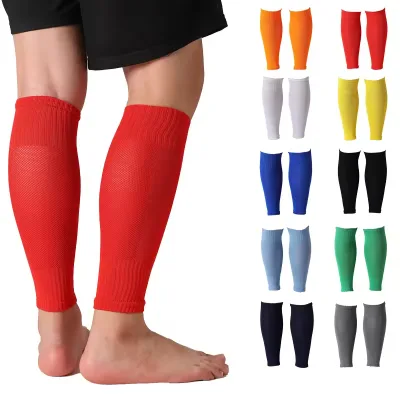

Breathable and Anti-Slip Sports Running Compression Socks Unisex Short Socks
$0.20 - $1.50
MOQ: 200 Pairs

Men's Breathable Compression Socks - Ultimate Anti-Slip Sports Performance
$0.30 - $1.50
MOQ: 200 Pairs


High-Performance Compression Socks for Men - Perfect for Sports Activities
$0.30 - $1.50
MOQ: 200 Pairs


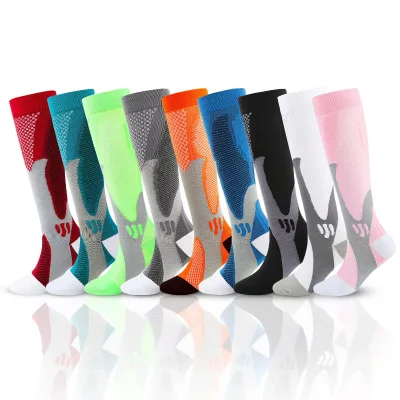
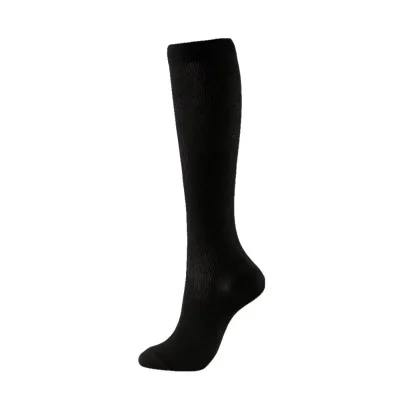
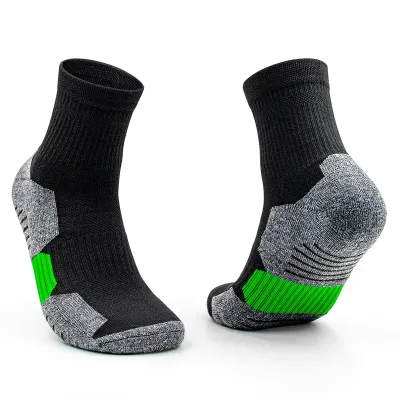
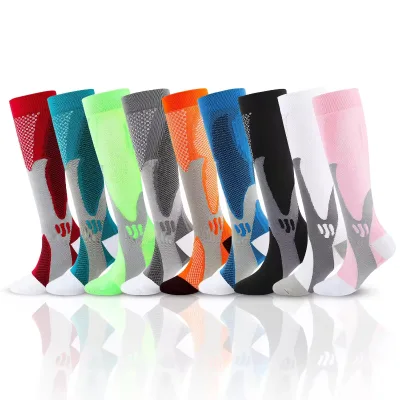
Comprehensive Sourcing Guide
Compression Breathable Sports Socks Sourcing Guide
Sourcing Compression Breathable Sports Socks requires a clear understanding of the diverse product attributes currently available in the global market, ranging from ankle-length designs to knee-high and tall variations. Buyers must recognize that while the core keyword emphasizes compression and breathability, the observed product listings reveal a wide spectrum of styles including running socks, crew socks, and ankle socks, each serving specific athletic needs. The material composition varies significantly across suppliers, with some products utilizing nylon for flexibility and others adhering to cotton/polyester blends, necessitating a careful review of material specifications to ensure the selected socks meet the intended performance criteria for moisture management and foot support.
The commercial landscape for these items is characterized by flexible customization options, allowing buyers to tailor products through ODM/OEM services, custom logos, and unique packaging solutions. However, the variability in product features such as thermal properties, antibacterial treatments, and anti-slip designs means that a single specification sheet cannot cover all potential inventory. Procurement teams must therefore approach each supplier inquiry with a detailed requirement matrix, verifying that the specific combination of height, thickness, and functional attributes like foot support aligns with the target demographic, which includes unisex and adult markets across spring, autumn, and winter seasons.
Product Scope and Observed Listing Signals
The current market signals indicate a broad inventory range where product models such as JS-F769, 9475, and T015 represent different iterations of sports socks with varying heights and styles. Buyers should observe that while some listings explicitly mention "compression" in the context of foot support, others focus on general athletic features like being lightweight, breathable, and anti-bacterial. The observed price range of 0.2 to 20 USD suggests a tiered market structure where cost correlates with material quality, customization depth, and specific functional claims, requiring buyers to distinguish between basic commodity socks and specialized performance gear.
Listing signals also highlight significant diversity in packaging and production standards, with options ranging from standard poly bags and cartons to fully customized packaging solutions. The presence of features like thermal insulation alongside breathable fabrics indicates that suppliers often cater to seasonal variations, offering winter-specific thermal socks as well as standard spring and autumn options. Procurement teams must verify that the "compression" aspect of the product is genuine and not merely a marketing term, as the observed data includes standard thicknesses and thin variants that may not provide the same level of muscle support or circulation enhancement as dedicated compression gear.
Technical Specifications to Verify
When evaluating technical specifications, the primary focus must be on the material composition and structural integrity, as the observed data lists materials such as nylon and cotton/polyester blends, which offer different performance characteristics. Buyers need to confirm the exact fiber content to ensure the socks provide the necessary elasticity for compression while maintaining breathability, as the presence of flexible fibers and light weight are critical for running and high-intensity sports. Additionally, the thickness specification, which ranges from thin to normal, must be aligned with the intended use case, as thicker socks may offer better cushioning for winter activities while thinner variants are preferable for summer running to prevent overheating.
The physical dimensions and style attributes are equally critical, with observed listings covering ankle, middle, knee, and tall heights, as well as specific lengths like crew and ankle socks. Verification should extend to the craftsmanship methods employed, such as embroidery, jacquard, woven labels, heat transfer, 3D digital printing, and DIP dye, as these processes affect the durability of the logo and the overall aesthetic quality. Buyers must ensure that the selected model, whether it is JS-F769 or another variant, includes the specific functional attributes required, such as anti-slip properties and antibacterial treatments, to guarantee the product performs as expected during athletic activities.
Compliance and Safety Documentation
Compliance and safety documentation for sports socks often involves verifying certifications that attest to ethical manufacturing practices and quality management systems, with observed listings citing BSCI and ISO9001 as relevant standards. While these certifications indicate a supplier's commitment to social responsibility and operational consistency, buyers should not assume that every product listed automatically meets these standards without requesting current, valid certificates for the specific production batch. The presence of these certifications is a strong indicator of a supplier's capability to maintain consistent quality, but they do not replace the need for product-specific safety testing regarding skin irritation or chemical residues in the dyes and fibers used.
Safety verification also extends to the material standards and production origins, with the majority of observed products originating from China and China Mainland. Buyers must ensure that the "Made to order" or "Customize" standards mentioned in the listings are backed by rigorous quality control protocols that prevent defects in the final product. It is essential to request test reports that confirm the antibacterial and anti-slip claims are not merely marketing assertions but are backed by laboratory results, especially since the product is designed for direct skin contact and high-movement scenarios where hygiene and traction are paramount.
Cost Drivers and Commercial Terms
Cost drivers for Compression Breathable Sports Socks are heavily influenced by the level of customization, material selection, and order volume, with observed MOQs ranging from 10 to 1500 units. The price variance between 0.2 and 20 USD reflects the complexity of the design, the inclusion of advanced features like thermal insulation or 3D digital printing, and the choice of packaging, which can range from simple poly bags to custom cartons. Buyers should anticipate that higher customization levels, such as ODM/OEM services with unique logos and specific color requirements, will incur additional costs and potentially longer lead times, necessitating a clear budget allocation for these value-added services.
Commercial terms must be carefully negotiated to account for the variability in production standards and the potential for made-to-order configurations. The observed data indicates that suppliers offer flexible packing options and customization, which can impact the final unit cost and shipping logistics. Procurement teams should clarify whether the quoted price includes the cost of custom packaging and logo application, as these elements are often listed as separate line items or included only in specific volume tiers. Understanding the relationship between the MOQ and the unit price is crucial, as larger orders may unlock lower per-unit costs but require a higher initial capital outlay.
Supplier Qualification and Quality Control
Supplier qualification for this category requires a thorough assessment of their production capabilities, particularly their ability to handle diverse styles and customization requests while maintaining consistent quality. The observed listings show a mix of standard and customized products, indicating that suppliers must have robust systems in place to manage different production runs, from basic cotton/polyester blends to complex nylon-based compression socks. Buyers should verify the supplier's track record in delivering on time and their ability to adhere to the specified standards, such as the BSCI and ISO9001 certifications, to ensure that the production process is reliable and ethical.
Quality control measures must be explicitly defined in the procurement agreement, focusing on the verification of key attributes like fiber flexibility, weight, and the effectiveness of antibacterial and anti-slip treatments. Since the product is intended for athletic use, any failure in these areas could lead to customer dissatisfaction and returns, making pre-shipment inspections essential. Buyers should request samples that match the exact specifications of the final order, including the chosen height, thickness, and craftsmanship details, to validate that the supplier can consistently deliver products that meet the required performance benchmarks before committing to a large-scale order.
Long-Term Procurement Checks
Long-term procurement checks should focus on the supplier's ability to maintain product consistency and adapt to changing market demands over time. Given the wide range of observed features, from thermal properties to specific craftsmanship techniques like jacquard and heat transfer, buyers must ensure that the supplier has the capacity to replicate these qualities in future production runs without degradation. Regular audits of the production line and material sourcing are necessary to confirm that the cotton/polyester or nylon blends used remain of high quality and that the customization processes, such as logo application and packaging, remain precise and durable.
Sustainability and ethical compliance should also be monitored as long-term priorities, especially given the presence of eco-friendly claims in the product listings. Buyers should verify that the "Eco-Friendly" attributes are substantiated by the materials and processes used, ensuring that the supplier continues to adhere to environmental standards and ethical labor practices as defined by certifications like BSCI. Establishing a feedback loop with the supplier to address any quality issues or changes in material availability will help maintain a stable supply chain and ensure that the Compression Breathable Sports Socks continue to meet the evolving needs of the target market.
FAQs
What certifications do the Compression Breathable Sports Socks have?
The products hold BSCI and ISO9001 certifications to ensure quality and ethical manufacturing standards. These credentials verify that the suppliers adhere to recognized international protocols for production safety and management systems.
Can I customize the packaging for these ankle socks?
Yes, customization is available for the packaging, including options like poly bags or carton boxes. Buyers can request specific packing arrangements to meet their branding or logistical requirements during the ordering process.
Which materials are used to make these breathable socks?
The socks are constructed from materials such as nylon, cotton, and polyester blends. These fibers provide the necessary breathability, flexibility, and durability required for active sports and outdoor occasions.
How does the thickness vary across different sock models?
Thickness varies by model, with options available in both normal and thin specifications. This allows buyers to select the appropriate level of cushioning and warmth for spring, autumn, or winter conditions.
What is the minimum order quantity for these custom socks?
The minimum order quantity ranges from 10 to 1500 units depending on the specific product model and customization level. Buyers should confirm the exact MOQ with the supplier before finalizing their purchase order.
Which features make these socks suitable for outdoor use?
These socks feature anti-slip, anti-bacterial, and thermal properties designed for outdoor activities. The breathable fabric and foot support functions ensure comfort and hygiene during extended wear in various weather conditions.