Source Compression Waste Bin for Outdoor, Recycling, and Municipal Use
Find and compare 30 Compression Waste Bin options from Chinese manufacturers. Evaluate capacities ranging from 50L to over 15,000L, including HDPE dustbins and heavy-duty trucks, to find the right solution for outdoor, home, and industrial recycling needs.
Key considerations
Products List
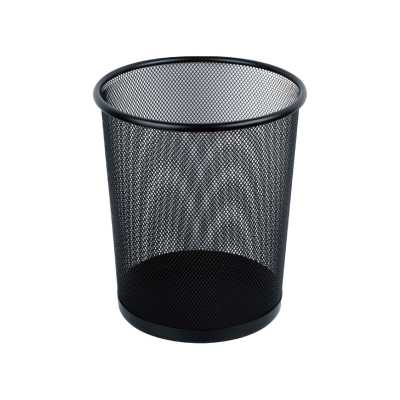


Outdoor Trash Bin Outdoor Plastic Storage Medical Garbage Bin Heavy Duty Garbage Bin
$65.00 - $78.00
MOQ: 100 Pieces

Comprehensive Sourcing Guide
Compression Waste Bin Sourcing Guide
Procuring compression waste bins requires a nuanced understanding of the distinction between standard stationary receptacles and mechanized collection units. The market offers a wide spectrum of products, ranging from simple plastic pedal bins for residential use to heavy-duty, truck-mounted compression systems designed for municipal waste management. Buyers must first clarify whether their operational needs involve manual collection at the point of disposal or automated mechanical compression to maximize haulage efficiency. This distinction dictates the entire sourcing strategy, from material selection to the verification of mechanical components and compliance with vehicle safety standards.
The supply chain for these products is heavily concentrated in manufacturing hubs such as China, where a variety of capacities and configurations are available. Listings often indicate a broad range of standard volumes, including 50L, 100L, 120L, 240L, 360L, 660L, and 1100L, catering to different waste generation densities. However, the term "compression" can also refer to specialized large-scale units with significant payload capacities, such as those rated for 20 tons, which operate as integrated vehicles rather than simple bins. Understanding this variance is critical to avoiding miscommunication with suppliers and ensuring that the procured equipment aligns with the specific logistical and operational constraints of the end-user environment.
Product Scope and Observed Listing Signals
The observed product landscape includes distinct categories that serve different functional purposes within the waste management ecosystem. On one end of the spectrum, there are stationary plastic dustbins, often made from High-Density Polyethylene (HDPE), which feature pedal mechanisms for hands-free operation and are suitable for outdoor, home, or recycling applications. These units typically come in multicolor options and may offer customization features such as free logo printing via silk screen or stickers. These products are generally lighter, with weights around 4.2 kg for smaller models, and are designed for manual handling or collection by standard refuse vehicles without integrated compression mechanisms.
On the other end of the spectrum, the scope expands to include mechanized compression units and large-scale waste collection vehicles. These systems are characterized by substantial dimensions, such as a standard size of 688025502100 mm, and are built for high-volume industrial or municipal use. Some listings describe units with a volume exceeding 15,000 liters and a payload capacity of 20 tons, indicating a shift from simple storage to active waste processing and transport. These larger units may be associated with specific brands like Dongfeng and feature complex mechanical attributes, including diesel drive wheels, manual transmission, and emission standards like Euro, reflecting their integration into broader vehicle fleets rather than standalone bin usage.
Technical Specifications to Verify
When evaluating stationary plastic bins, the wall thickness and material integrity are paramount for durability in outdoor environments. Buyers should verify that the HDPE construction meets specific thickness requirements, such as 2.5 mm for smaller models or 4.5 mm for larger 240L units, to ensure resistance to impact and weathering. The structural integrity is further supported by the use of stainless steel fasteners for all screws and nuts, which prevents corrosion and extends the lifespan of the product in humid or corrosive conditions. Additionally, the availability of spare parts, including wheels, lids, and pedals, should be confirmed to facilitate long-term maintenance and reduce downtime.
For compression units and larger waste collection systems, technical verification shifts toward mechanical performance and vehicle compatibility. Key specifications to validate include the total mass, curb weight, and rated load capacity, which determine the legal and operational limits of the equipment. For instance, a unit with a total mass of 18,000 kg and a curb weight of 4,680 kg must be evaluated against local road regulations and bridge weight limits. Furthermore, the drive system, including the emission standard and maximum speed, must be assessed to ensure compatibility with the existing fleet infrastructure and environmental regulations of the deployment region.
Compliance and Safety Documentation
Certification plays a crucial role in verifying the quality and safety of waste bins, particularly for products intended for public or commercial use. Standard plastic bins often carry certifications such as ISO9001 for quality management, ISO14001 for environmental management, and SGS for material safety. These documents provide assurance that the manufacturing processes adhere to international standards and that the materials used are safe for their intended purpose. Buyers should request copies of these certificates and verify their validity with the issuing bodies to ensure that the supplier maintains consistent quality control practices.
For larger compression units and vehicle-integrated waste systems, compliance extends to vehicle safety and operational standards. Certifications such as En840 may be relevant for specific mechanical safety aspects, while broader vehicle certifications ensure that the equipment meets national or regional transport regulations. It is essential to verify that the product documentation includes all necessary safety data sheets and operational manuals, particularly for units with complex mechanical systems like diesel engines and hydraulic compression mechanisms. Ensuring that the supplier provides comprehensive compliance documentation helps mitigate legal risks and ensures that the equipment can be legally deployed in the target market.
Cost Drivers and Commercial Terms
The cost of waste bins is influenced by several factors, including material volume, wall thickness, and the complexity of the mechanical components. For plastic bins, the price varies significantly based on the capacity, with larger units like 240L or 360L commanding higher prices due to increased material usage and manufacturing time. Customization options, such as logo printing or specific color requirements, may also add to the unit cost. Buyers should be aware that the observed price range spans from low-cost individual items to high-value industrial units, reflecting the vast difference in material and engineering requirements between a simple 50L bin and a 20-ton compression vehicle.
Commercial terms, including Minimum Order Quantity (MOQ) and packaging, are critical for budgeting and logistics planning. MOQs can range from single items for small-scale purchases to thousands of units for large municipal contracts. Packaging methods, such as bulk packing or specific requests for unpackaged delivery, impact shipping costs and handling requirements. For large vehicles or compression units, the packaging may be minimal or non-existent, requiring specialized logistics arrangements. Buyers should negotiate clear terms regarding payment schedules, delivery lead times, and responsibility for shipping costs to avoid unexpected expenses during the procurement process.
Supplier Qualification and Quality Control
Supplier qualification is essential to ensure that the procured waste bins meet the required quality and durability standards. Buyers should assess the supplier’s manufacturing capabilities, including their production capacity and quality control processes. For plastic bins, this involves verifying the consistency of the HDPE material and the precision of the molding process to ensure uniform wall thickness and structural integrity. For larger compression units, the supplier’s experience in vehicle manufacturing and assembly is crucial, as is their ability to provide after-sales support and spare parts.
Quality control measures should be established before placing orders, including pre-shipment inspections and sample testing. For plastic bins, this may involve checking for defects such as cracks, warping, or uneven coloring, as well as testing the functionality of pedals and wheels. For compression units, functional testing of the mechanical systems, including the compression mechanism and drive train, is necessary to ensure reliable operation. Buyers should also verify the supplier’s warranty terms, which may cover defects in materials and workmanship for a specified period, such as three years for certain products, to protect against early failures.
Long-Term Procurement Checks
Long-term procurement success depends on the ability to maintain consistent supply and quality over time. Buyers should establish regular communication channels with suppliers to monitor production updates and address any emerging issues promptly. For large contracts, periodic audits of the supplier’s facilities and quality control processes can help ensure that standards are maintained. Additionally, buyers should track the performance of the procured units in the field, collecting feedback on durability, ease of maintenance, and user satisfaction to inform future purchasing decisions.
Sustainability and regulatory changes also impact long-term procurement strategies. As environmental regulations become stricter, buyers may need to consider the recyclability of the materials used in the bins and the efficiency of the compression mechanisms in reducing waste volume. Staying informed about industry trends and technological advancements can help buyers identify opportunities for cost savings and operational improvements. By maintaining a proactive approach to supplier management and market monitoring, buyers can ensure that their waste management infrastructure remains efficient, compliant, and cost-effective over the long term.
FAQs
What materials are used for compression waste bins?
Compression waste bins are typically made from high-density polyethylene (HDPE) plastic. This material ensures durability and resistance to environmental factors. The bins often feature stainless steel fasteners for longevity. Some models include wheels, lids, and pedals as spare parts. The plastic construction supports eco-friendly usage in various settings.
Can compression waste bins be customized with logos?
Yes, customization is available for these waste bins. Buyers can opt for free printing logos, silk printing, or stickers. The brand name can be applied to the product surface. This feature allows businesses to maintain brand visibility in public or commercial spaces. Customization options help in identifying specific waste streams or corporate branding.
What certifications do these plastic dustbins hold?
These bins hold several key certifications including En840, ISO9001, ISO14001, and SGS. These standards verify quality management and environmental compliance. Some models also carry ISOCCC certification. These credentials assure buyers of the product's safety and manufacturing standards. Certifications are crucial for international trade and regulatory compliance in various markets.
How much payload can a large Compression Waste Bin handle?
Large compression waste bins can handle a payload of up to 20 tons. The total mass of such units is approximately 18,000 kg. The rated load capacity is around 14,000 kg. The curb weight is about 4,680 kg. These specifications support heavy-duty industrial and municipal waste collection needs.
What is the warranty period for these waste bins?
The warranty period for these waste bins is three years. This coverage applies to the structural integrity and functional components. Buyers receive assurance against manufacturing defects during this period. The warranty supports long-term investment in waste management infrastructure. It covers essential parts like the lid, pedal, and wheels.
Which sizes are available for plastic outdoor garbage bins?
Available sizes include 50L, 100L, 120L, 240L, 360L, 660L, and 1100L. Wall thickness varies by size, with 2.5mm for smaller bins and 4.5mm for larger ones. The 240L model is a common eco-friendly option. These sizes cater to diverse waste volume requirements. Buyers can select based on specific collection frequency and space constraints.