Source Compression Wrist Wraps for Gym, Lifting, and Sports
Compare 30 Compression Wrist Wraps from verified suppliers. Buyers can evaluate materials like nylon and polyester, customization options, and pricing to find the right support for weightlifting, gym fitness, and general sports activities; compare the available evidence and request quotations based on your requirements.
Key considerations
Products List


Ultra-Thin Elastic Wrist Brace Wrist Wraps Compression Wrist Straps Brace
$1.10 - $1.59
MOQ: 100 Pieces


High Quality Comfortable Wrist Support Wholesale Sport Compression Wrist Wrap
$0.48 - $0.74
MOQ: 1000 Pieces


Compression Wrist Brace Strap with Adjustable Strap Wrist Wraps for Sports
$1.40 - $1.60
MOQ: 500 Pieces


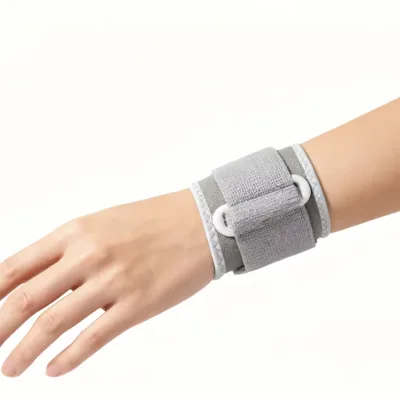

Hot Sale Unisex Fitness Weightlifting Compression Power Strap Wrist Wraps Hand Support
$2.11 - $2.31
MOQ: 440 Pieces

OEM Unisex Fitness Weightlifting Compression Power Strap Wrist Wraps Hand Support
$0.50 - $0.57
MOQ: 1800 Pieces

Wholesale Unisex Fitness Weightlifting Compression Power Strap Wrist Wraps Hand Support
$0.30 - $0.39
MOQ: 2600 Pieces






Comprehensive Sourcing Guide
Compression Wrist Wraps Sourcing Guide
Sourcing Compression Wrist Wraps requires a clear understanding of the distinct product categories available in the current market. Buyers must differentiate between rigid support structures designed for heavy weightlifting and softer, elastic sleeves intended for general pain relief and circulation. The observed product landscape includes items labeled as "Weightlifting Wrist Bands" constructed from nylon, which offer medium thickness and are specifically engineered for gym fitness applications. These products typically feature a one-size-fits-all design and are packaged in OPP bags, indicating a focus on cost-effective logistics for high-volume retail distribution.
Conversely, the market also presents softer wrist braces made from polyester and cotton blends, which prioritize comfort and pressure support over rigid stabilization. These items are often marketed for relieving wrist pain and are suitable for both men and women across all seasons. Procurement teams must carefully evaluate the intended end-use to select the appropriate material composition and structural integrity. Misidentifying the required level of compression can lead to inventory mismatches, where rigid bands are purchased for medical recovery needs or soft sleeves are bought for competitive powerlifting, resulting in customer dissatisfaction and increased return rates.
Product Scope and Observed Listing Signals
The current supply base demonstrates significant variability in product specifications, which serves as a critical signal for buyers assessing supplier capabilities. Observed listings indicate a wide range of material compositions, including pure nylon, polyester, and mixed cotton-polyester fabrics, each offering different levels of durability and breathability. Buyers should note that while some products are explicitly described as non-waterproof, others may offer varying degrees of moisture resistance depending on the weave density and treatment processes. This diversity suggests that suppliers are catering to niche markets, from professional athletic performance to everyday ergonomic support, requiring precise specification alignment during the sourcing phase.
Packing and branding flexibility are prominent features in the observed data, with many suppliers offering customized logo acceptance and OEM/ODM services. Standard packaging often involves individual OPP bags or plastic bags placed into cartons, but customized packing options are available to meet specific retail or logistical requirements. The presence of multiple product models, such as WX-WR003 and WX-WS010, indicates that suppliers maintain diverse inventories to address different thickness and size preferences. Buyers must verify whether the observed "one size fits all" claims apply universally or if specific sizing charts are necessary for certain product lines to ensure proper fit and compression levels for end-users.
Technical Specifications to Verify
Verifying technical specifications is paramount to ensuring the wrist wraps meet the functional requirements of the target market. Buyers must confirm the exact material composition, as nylon offers high tensile strength suitable for heavy lifting, while polyester-cotton blends provide superior comfort and elasticity for daily wear. The thickness of the material, ranging from thin to medium, directly impacts the level of compression and support provided. It is essential to request physical samples to assess the hand feel, stretch recovery, and seam durability, as these attributes are not always apparent from product descriptions alone and significantly influence user satisfaction.
Dimensional accuracy and sizing consistency are other critical technical factors that require rigorous verification. While many products claim a "one size fits all" standard, actual measurements can vary significantly between manufacturers and even between batches from the same supplier. Buyers should insist on detailed size charts that include circumference and length measurements for each product model. Additionally, the structural design, such as the presence of Velcro closures or seamless knitting, must be evaluated for ease of use and longevity. Ensuring that the product dimensions align with the stated standards, such as the observed 12x10x2.0CM or 20x15x5 cm packaging dimensions, helps in planning efficient storage and shipping logistics.
Compliance and Safety Documentation
Compliance and safety documentation form the backbone of a responsible procurement strategy, particularly for products that come into direct contact with human skin. Buyers must ensure that all materials used in the manufacturing of wrist wraps comply with relevant textile safety regulations in their target markets. This includes verifying that the fabrics are free from harmful substances such as azo dyes, formaldehyde, and heavy metals. Although specific certification statuses like CE were mentioned in background data, buyers should not assume compliance without requesting valid test reports from accredited laboratories, as these documents provide the necessary proof of safety for regulatory audits and consumer trust.
Labeling and care instruction compliance are equally important aspects of the documentation process. Products must carry accurate fiber content labels, country of origin markings, and care instructions that align with local consumer protection laws. Buyers should verify that the supplier provides clear guidance on washing and maintenance to preserve the elasticity and integrity of the compression features over time. Additionally, any claims regarding pain relief or medical support must be substantiated by appropriate documentation to avoid misleading advertising regulations. Ensuring that all safety and labeling requirements are met protects the buyer from legal liabilities and enhances the brand's reputation for quality and responsibility.
Cost Drivers and Commercial Terms
Understanding the cost drivers associated with Compression Wrist Wraps is essential for accurate budgeting and margin planning. The primary cost factors include the type and quality of raw materials, such as the difference between standard nylon and premium cotton blends, as well as the complexity of the manufacturing process. Customization options, including logo printing and specialized packaging, will inevitably increase the unit price. Buyers should also consider the impact of order volume on pricing, as observed MOQs range from 50 to 2600 pieces, with larger orders typically benefiting from economies of scale. Negotiating tiered pricing structures can help optimize costs for varying order sizes.
Commercial terms, including lead times and payment conditions, significantly influence the overall procurement strategy. Observed delivery times range from 7 to 15 working days, with sample times averaging 7 to 10 days. Buyers must account for these timelines when planning inventory replenishment to avoid stockouts. Payment terms should be negotiated to balance risk and cash flow, with common practices including deposits and balance payments upon shipment. Additionally, buyers should clarify who bears the cost of shipping and insurance, as well as the procedures for handling defective goods or returns. Clear commercial terms help prevent unexpected expenses and ensure a smooth transaction process.
Supplier Qualification and Quality Control
Supplier qualification is a critical step in mitigating supply chain risks and ensuring consistent product quality. Buyers should conduct thorough due diligence on potential suppliers, verifying their business licenses, manufacturing capabilities, and past performance records. Assessing the supplier's quality control processes is equally important, including their procedures for raw material inspection, in-process monitoring, and final product testing. Suppliers that offer OEM/ODM services should be evaluated on their ability to maintain design integrity and meet specific technical requirements. Building a relationship with a reliable supplier ensures that the Compression Wrist Wraps meet the expected standards of durability and comfort.
Implementing a robust quality control plan is essential for maintaining product consistency across production batches. Buyers should define clear acceptance criteria for key attributes such as material strength, colorfastness, and dimensional accuracy. Conducting pre-shipment inspections can help identify and rectify defects before the goods are dispatched, reducing the risk of receiving substandard products. Additionally, establishing a feedback loop with end-users can provide valuable insights into product performance and areas for improvement. Regular audits and performance reviews of suppliers help ensure that they continue to meet the required quality standards and adapt to changing market demands effectively.
Long-Term Procurement Checks
Long-term procurement checks involve continuous monitoring and evaluation of the supply chain to ensure sustained performance and value. Buyers should regularly review supplier performance metrics, including on-time delivery rates, product quality consistency, and responsiveness to issues. Tracking market trends and competitor offerings can help identify opportunities for product differentiation and innovation. Additionally, maintaining open communication with suppliers fosters collaboration and problem-solving, leading to improved product designs and more efficient processes. Regularly updating procurement strategies based on these insights ensures that the sourcing of Compression Wrist Wraps remains competitive and aligned with business objectives.
Sustainability and ethical sourcing practices are increasingly important considerations for long-term procurement success. Buyers should assess suppliers' commitments to environmental responsibility and fair labor practices, as these factors can impact brand reputation and consumer loyalty. Implementing sustainability initiatives, such as using eco-friendly materials or reducing packaging waste, can enhance the product's appeal in the growing market of conscious consumers. Furthermore, diversifying the supplier base can mitigate risks associated with single-source dependencies and supply disruptions. By prioritizing long-term relationships and ethical standards, buyers can build a resilient and responsible supply chain that supports sustainable business growth.
FAQs
How customizable are Compression Wrist Wraps for my brand?
Customization is available, including customized logos, and OEM/ODM service is offered on listed models. You can typically choose materials such as nylon or polyester and cotton blends, adjust packaging, and request branded packing like OPP bags. Confirm your logo artwork, color preference such as black, and quantity with the supplier, since sample production usually takes 7 to 10 days before bulk orders.
What is the typical minimum order quantity for Compression Wrist Wraps?
The listed MOQ is 100 pieces for a wrist support model, while overall offers range from 50 to 2600 pieces depending on the specific wrap. Lower MOQs often apply to simpler stock designs, and customized logo orders may require higher quantities. Always confirm the exact MOQ for your chosen model, material, and customization level before requesting a formal quotation.
What materials are commonly used for these wrist wraps?
Listed Compression Wrist Wraps use materials such as nylon, polyester, and polyester with cotton blends. Nylon versions are medium or thin thickness and marketed as non-waterproof sports wrist supports for weight lifting and exercise. Cotton-polyester blends are often softer and more comfortable for longer wear. Choose the material based on whether you need firmer pressure support or flexible comfort during gym fitness sessions.
How long does production and delivery take?
The listed delivery time is 7 to 15 working days after order confirmation, and sample production takes 7 to 10 days. Actual lead time depends on order quantity, customization requirements such as logo printing, and the chosen packing method. Plan your schedule to include sampling before bulk production, and confirm the exact timeline with the supplier for your specific order size and specification.
Which sizes are available for Compression Wrist Wraps?
Most listed models follow a one size fits all standard, with a typical product size around 12 x 10 x 2.0 cm or a band length of 33.5 by 7 cm. This universal sizing suits both women and men for gym fitness and weight lifting applications. If you need specific sizing for your market, discuss adjustable designs or custom dimensions with the supplier during the inquiry stage.
Can I get samples before placing a bulk order?
Yes, samples are available, and the listed sample time is 7 to 10 days. Ordering a sample first lets you verify material feel, thickness, compression level, and logo printing quality before committing to a bulk purchase. Factor the sample period into your timeline, then combine it with the 7 to 15 working day production window when planning your delivery date.