Source Computerized Chocolate Coating Pan Machine for Candy, Biscuit, and Popcorn
Find and compare 30 computerized chocolate coating pan machines from verified manufacturers. Evaluate specifications such as automatic grade, stainless steel construction, and electrostatic spraying options to select the right equipment for your production line.
Key considerations
Products List

$1900.00 - $2500.00
MOQ: 1 Pieces


Lst Chocolate Machinery Peanut Chocolate Coating Machine Coating Pan Machine
$1000.00 - $4700.00
MOQ: 1 Pieces


Chocolate Panning Machine Sugar Pan Peanut Nut Chocolate Coating Machine
$2300.00 - $4900.00
MOQ: 1 Pieces

Nut Peanut Chocolate Sugar Coating Pan Machine Ice Cream Chocolate Coater
$2300.00 - $4900.00
MOQ: 1 Pieces
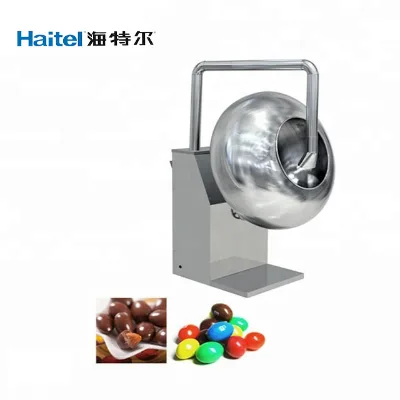
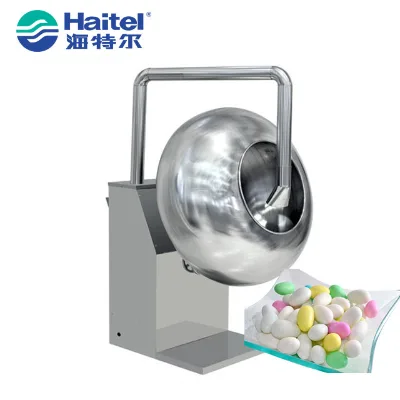
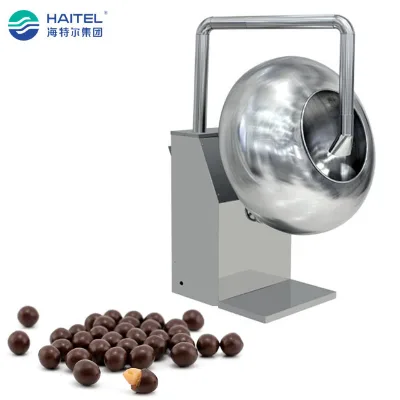

Stainless Steel Automatic Chocolate Coating Machine Chocolate Panning Machine
$1000.00 - $3000.00
MOQ: 1 Pieces

Chocolate Candy Machine Chocolate Polishing Machine Nuts Coating Pan
$2700.00 - $3000.00
MOQ: 1 Pieces


Stainless Steel Automatic Chocolate Sugar Coating Machine Chocolate Panning Machine
$3000.00 - $10000.00
MOQ: 1 Sets


Industrial Chocolate Spraying Pan Machine for Commercial Chocolate Coating
$800.00 - $9000.00
MOQ: 1 Pieces

Professional Full Line Handles All Chocolate Coating Production Pan Machine
$800.00 - $9000.00
MOQ: 1 Pieces

Comprehensive Sourcing Guide
Computerized Chocolate Coating Pan Machine Sourcing Guide
Selecting the right Computerized Chocolate Coating Pan Machine requires a careful balance between automated precision and operational flexibility. Modern procurement teams must evaluate how digital controls integrate with mechanical drum systems to ensure consistent coating thickness and temperature stability. This guide provides evidence-based insights for sourcing these specialized industrial units, focusing on verified technical attributes, compliance requirements, and commercial terms observed in current market listings. Buyers should approach this category with an understanding that while the core function remains consistent, the underlying engineering and software capabilities vary significantly across manufacturers.
The decision to invest in a computerized system often hinges on the need for repeatability and reduced manual intervention. Automated features allow for precise control over drum rotation speed, spray timing, and air flow, which are critical for high-volume production environments. However, buyers must also consider the maintenance implications of complex electronic components versus simpler mechanical setups. This guide outlines the key verification steps necessary to ensure that the selected machine aligns with both current production demands and future scalability needs, minimizing the risk of operational downtime or quality inconsistencies.
Product Scope and Observed Listing Signals
The market for chocolate coating equipment includes a diverse range of machines, from simple manual pans to fully automated, computerized systems. Observed listings indicate a price range of $410 to $10,000 USD, reflecting significant variations in capacity, automation level, and material construction. Minimum Order Quantities (MOQ) typically range from 1 to 850 units, suggesting that many suppliers offer flexible purchasing options for small to medium-sized enterprises. Buyers should note that lower price points often correlate with basic mechanical controls, while higher-end models feature advanced digital interfaces and integrated sensors for real-time monitoring.
Product attributes observed in current listings highlight a strong emphasis on customization and material quality. Many suppliers offer customized solutions, allowing buyers to tailor drum dimensions, spray configurations, and control panel layouts to specific production lines. The primary material cited is stainless steel, often specified as SS304 or SS316, which is essential for food safety and corrosion resistance in humid coating environments. Additionally, the power source is predominantly electric, with voltage options such as 220V, 380V, and 410V available to accommodate different regional electrical standards. These signals suggest that buyers should prioritize suppliers who provide detailed technical specifications and material certifications to ensure compatibility with existing infrastructure.
Technical Specifications to Verify
When evaluating technical specifications, buyers must verify the core components that drive the coating process. Key components often include the gearbox and motor, which determine the torque and speed capabilities of the drum. The power consumption is a critical factor for operational cost analysis, with observed models citing power ratings around 2.2 kW. Buyers should confirm the voltage compatibility and ensure that the electrical requirements match their facility’s infrastructure to avoid costly retrofitting. Additionally, the weight of the machine, observed at approximately 500 kg for certain models, impacts installation logistics and floor load requirements.
The coating process itself involves thermal processing and liquid application, requiring precise control over temperature and spray dynamics. Buyers should verify the machine’s ability to maintain consistent temperatures across the drum surface, which is crucial for achieving uniform chocolate coverage. The model specifications, such as BY-600 or BY-1000, often indicate capacity and size variations, with some models featuring dust removal systems for enhanced cleanliness. It is also important to check the production capacity, with some listings citing speeds up to 250 kg/hour, to ensure the machine meets throughput requirements. Buyers should request detailed technical drawings and control system manuals to assess the level of automation and ease of use.
Compliance and Safety Documentation
Compliance with international standards is non-negotiable for food processing equipment. Observed listings frequently cite CE certification, indicating adherence to European health, safety, and environmental protection standards. Some suppliers also provide SGS certificates, which offer additional verification of product quality and safety. Buyers should request copies of these certifications and verify their validity with the issuing bodies. Additionally, GMP (Good Manufacturing Practice) compliance is often mentioned, ensuring that the machine meets hygiene requirements for food production environments.
Safety features are another critical aspect of compliance. Buyers should verify that the machine includes emergency stop buttons, protective guards, and interlock systems to prevent accidental operation during maintenance. The key selling points observed, such as high safety levels, should be substantiated by detailed safety documentation and risk assessments. It is also important to check for compliance with local electrical and mechanical safety regulations in the buyer’s region. Suppliers should provide comprehensive user manuals that include safety instructions, troubleshooting guides, and maintenance procedures to ensure safe and efficient operation.
Cost Drivers and Commercial Terms
Several factors influence the total cost of ownership for a Computerized Chocolate Coating Pan Machine. The primary cost drivers include the level of automation, material quality, and customization options. Machines with advanced digital controls and stainless steel construction typically command higher prices but offer greater long-term value through improved efficiency and durability. Buyers should also consider the cost of installation, training, and ongoing maintenance when evaluating the total investment. Suppliers often provide warranty coverage for core components, such as a one-year warranty, which can reduce initial risk.
Commercial terms vary widely among suppliers, with delivery times typically ranging from 20 days to faster expedited options. Buyers should negotiate clear terms regarding payment schedules, shipping responsibilities, and after-sales service support. The packing method, often described as standard exporting packing or wooden case packing, impacts shipping costs and protection during transit. It is advisable to clarify who bears the risk of loss or damage during shipping and to ensure that the packing method is suitable for the chosen mode of transport. Additionally, buyers should inquire about the availability of spare parts and the cost of routine maintenance services to budget for long-term operational expenses.
Supplier Qualification and Quality Control
Supplier qualification is a critical step in mitigating procurement risk. Buyers should verify the supplier’s business type, with many listing themselves as machine manufacturers, which can indicate greater control over quality and customization. It is important to assess the supplier’s experience in the food processing equipment industry and their track record of delivering reliable machines. Requesting references from existing customers and conducting site visits, if possible, can provide valuable insights into the supplier’s manufacturing capabilities and quality control processes.
Quality control measures should be clearly defined and documented. Buyers should inquire about the testing procedures used before shipment, including functional tests, safety checks, and performance validations. Suppliers should provide detailed inspection reports and certificates of conformity for each machine. Additionally, buyers should verify the supplier’s after-sales service capabilities, including the availability of technical support, training programs, and repair services. A robust quality control system ensures that the machine meets specified standards and performs reliably in the buyer’s production environment.
Long-Term Procurement Checks
Long-term procurement success depends on establishing a sustainable relationship with the supplier and ensuring ongoing support. Buyers should negotiate service level agreements (SLAs) that define response times for technical issues and availability of spare parts. Regular maintenance schedules should be established to prevent unexpected downtime and extend the machine’s lifespan. Buyers should also monitor changes in technology and industry standards to ensure that their equipment remains competitive and compliant.
Continuous improvement initiatives should be encouraged through feedback loops with the supplier. Buyers should share performance data and operational challenges to facilitate product enhancements and customizations. Additionally, staying informed about market trends and new technologies can help buyers make informed decisions about future upgrades or expansions. By maintaining a proactive approach to supplier management and equipment maintenance, buyers can maximize the return on investment and ensure consistent production quality over the long term.
FAQs
What is the typical lead time for delivery?
The typical delivery time is 20 days. This timeline applies to standard automatic models such as the BY-600 and BY-1000. Buyers should confirm specific schedules with the manufacturer, as production volume and customization requests may affect the final dispatch date.
Which certifications do these machines hold?
These machines hold CE, SGS, and ISO certifications. The standard product standard is listed as CE GMP SGS. This ensures compliance with international safety and quality requirements for food processing equipment used in tablet, candy, and chocolate coating applications.
Can the machine be customized for specific needs?
Yes, customization is available for many models. Some listings indicate non-customized options, while others explicitly state customized availability. Buyers can request modifications for voltage, power source, or specific coating processes like thermal or mild processing to suit their production line.
What materials are used in construction?
The machines are primarily constructed from stainless steel, specifically SS304 or 316 grades. This material choice ensures durability and hygiene for food-grade applications. The automatic grade and electric power source further support consistent operation in industrial environments.
What is the minimum order quantity required?
The minimum order quantity ranges from 1 to 850 units depending on the supplier. Some vendors list an MOQ of just 1, allowing for single-unit purchases. Buyers should verify the specific MOQ with the manufacturer before placing an order.
What is the price range for these machines?
The observed price range is between 410 and 10,000 USD. Pricing varies based on the model, such as the BY-600 or DR-PGJ, and specific features like capacity or automation level. Buyers should request quotes for accurate pricing based on their requirements.