Source Concrete Formwork for Hotel, Wall, and Column Projects
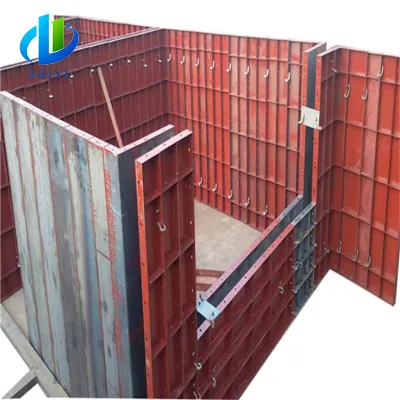
Find 30 Concrete Formwork options from suppliers in China. Buyers can compare steel, wood, and plastic materials with CE and ISO certifications for hotel, wall, and column applications.
Key considerations
Products List

$80.00 - $120.00
MOQ: 999 Square Meters


$80.00 - $120.00
MOQ: 999 Square Meters

$85.00 - $140.00
MOQ: 300 Square Meters


Material Formwork Plastic Concrete Formwork for Concrete Building Construction
$50.00 - $75.00
MOQ: 200 Square Meters



Functional Concrete Plastic Formwork for The Building Construction
$40.00 - $50.00
MOQ: 100 Square Meters


Comprehensive Sourcing Guide
Concrete Formwork Sourcing Guide
Concrete Formwork is a critical temporary structure used in construction to mold and support wet concrete until it achieves sufficient strength. Sourcing the right formwork system requires a deep understanding of material properties, structural capabilities, and supplier reliability. The market offers a diverse range of solutions, from traditional timber and steel systems to modern aluminum and plastic modular setups. Buyers must navigate this variety by focusing on specific project requirements, such as load capacity, reusability, and surface finish quality. This guide provides a structured approach to evaluating suppliers and products, ensuring that procurement decisions are grounded in verified data and practical industry standards.
The procurement process for Concrete Formwork involves more than just selecting a product; it requires a holistic assessment of the supplier’s technical support and after-sales capabilities. Many manufacturers now offer comprehensive project solutions, including graphic design and total project support, which can significantly streamline the construction workflow. Additionally, the availability of online technical support and onsite training indicates a supplier’s commitment to long-term customer success. Buyers should prioritize suppliers who demonstrate these service-oriented attributes, as they often correlate with higher product quality and better problem-solving during complex construction phases.
Product Scope and Observed Listing Signals
The current market for Concrete Formwork displays a wide spectrum of product types, including slab, wall, column, and core tube formwork systems. Listings frequently highlight specific formwork types such as B-Form and slab formwork, indicating a specialization in different structural elements. Materials vary significantly, with steel, aluminum, wood, bamboo plywood, and plastic (such as ABS) being common choices. Each material offers distinct advantages; for instance, steel and aluminum provide high durability and reusability, while timber and bamboo plywood are often used for their cost-effectiveness and ease of customization. Buyers should carefully match the material type to the specific demands of their construction project, considering factors like weight, strength, and environmental conditions.
Observed listing signals reveal important details about product specifications and packaging. Standard dimensions such as 18x12, 18x15, and 18x9 are noted, alongside custom options, suggesting that many suppliers can tailor products to unique project needs. Packaging methods range from pallet packing to sea-worthy bundling, which is crucial for international shipping and product protection. Some listings specify models like GF or ADTO-SF, and accessories such as panel props are commonly included. These details help buyers assess the completeness of the offering and the logistical considerations involved in receiving and storing the formwork components. Understanding these signals allows for more accurate cost estimation and supply chain planning.
Technical Specifications to Verify
When evaluating Concrete Formwork, verifying technical specifications is paramount to ensuring structural integrity and performance. Key attributes to confirm include the frame material, which can be steel or aluminum, and the panel materials, such as bamboo plywood or wood plywood. The thickness of the formwork, observed at 75mm in some listings, is a critical factor for load-bearing capacity. Buyers should also check the average weight per square meter, which impacts handling and installation efficiency. Additionally, the number of reuse times, often cited as more than 80 times for certain plastic or composite systems, is a vital metric for calculating long-term cost efficiency. These specifications directly influence the durability and operational effectiveness of the formwork system.
Load capacity and surface treatment are other essential technical parameters that require verification. Some products specify a load capacity of 50 kN, which must be matched against the concrete pour requirements of the project. Surface treatments can be customized, affecting the final finish of the concrete and the ease of stripping the formwork. Standard dimensions like 30001200 and 4080*200 are common, but buyers must ensure these align with their design plans. Customization availability is a significant advantage, allowing for tailored solutions that fit specific architectural designs. Buyers should request detailed technical datasheets to confirm these specifications and ensure they meet the engineering requirements of the construction project.
Compliance and Safety Documentation
Compliance with international standards and certifications is a non-negotiable aspect of sourcing Concrete Formwork. Common certifications observed in the market include CE, ISO, and ROHS, which indicate adherence to quality and safety regulations. ISO9001 certification is particularly relevant for manufacturers, signifying a robust quality management system. Buyers should verify that the supplier holds these certifications and request valid certificates to ensure product reliability. Compliance with standards such as EN 1065 and EN74, although noted as low-confidence background information, highlights the importance of aligning with recognized European norms for scaffolding and formwork components. These certifications provide a baseline for safety and quality assurance.
Safety documentation extends beyond certifications to include detailed technical manuals and load testing reports. Buyers should ensure that suppliers provide comprehensive documentation on the safe use, assembly, and dismantling of the formwork systems. This includes guidelines on maximum load limits, wind resistance, and proper bracing techniques. For projects in specific regions, local regulatory compliance may also be required, so buyers must verify that the product meets local construction codes. Engaging with suppliers who offer online technical support can be beneficial for clarifying safety protocols and addressing any compliance-related questions. Prioritizing suppliers with strong compliance records reduces the risk of accidents and project delays.
Cost Drivers and Commercial Terms
The cost of Concrete Formwork is influenced by several factors, including material type, customization, and order volume. Observed price ranges vary widely, from $2 to $1400, reflecting the diversity of products from simple components to complete systems. Minimum Order Quantities (MOQs) also vary, ranging from 1 to 2000 units, which impacts the initial investment and inventory management. Buyers should consider the total cost of ownership, including transportation, installation, and maintenance, rather than just the unit price. Customization options, while potentially increasing the initial cost, can lead to significant savings in labor and material waste during construction.
Commercial terms such as packaging and shipping methods also affect the overall cost. Sea-worthy packaging is essential for international orders to prevent damage during transit, while pallet packing is suitable for domestic or regional shipments. Buyers should negotiate clear terms regarding delivery times, payment methods, and warranty coverage. Suppliers offering total solution for projects may provide bundled pricing, which can simplify budgeting and reduce administrative overhead. It is advisable to request detailed quotations that break down costs by component, allowing for a transparent comparison between suppliers. Understanding these cost drivers enables buyers to make informed financial decisions and optimize their procurement strategy.
Supplier Qualification and Quality Control
Supplier qualification is a critical step in ensuring the reliability of the Concrete Formwork supply chain. Buyers should assess the supplier’s place of origin, with Shandong, Jiangsu, and Qingdao in China being common manufacturing hubs. These regions often have established industrial clusters for construction materials, which can indicate a high level of expertise and production capacity. Brand names like Green Formwork may signal a focus on specific market segments or quality standards. Buyers should verify the supplier’s production capabilities, including their ability to handle large orders and maintain consistent quality across batches.
Quality control measures should be rigorously evaluated before finalizing a procurement decision. Suppliers should have documented quality assurance processes, including material inspection, dimensional accuracy checks, and surface finish evaluations. The availability of onsite training and graphic design support suggests a supplier’s commitment to customer success and product application. Buyers should request samples or visit the factory if possible to inspect the manufacturing process firsthand. Additionally, checking the supplier’s reputation through customer reviews and industry references can provide valuable insights into their reliability. Establishing a strong relationship with a qualified supplier ensures a smoother procurement process and better support throughout the project lifecycle.
Long-Term Procurement Checks
Long-term procurement success depends on continuous monitoring of supplier performance and product durability. Buyers should track the reusability of the formwork systems, as products that can be reused more than 80 times offer significant cost savings over multiple projects. Regular inspections of the formwork components for wear and tear are essential to maintain safety and efficiency. Suppliers who provide online technical support can assist with troubleshooting and maintenance advice, extending the lifespan of the equipment. Buyers should also stay updated on industry trends and new technologies that may offer improved performance or cost benefits.
Building a resilient supply chain involves diversifying suppliers and maintaining open communication channels. Buyers should periodically review their supplier base to ensure they remain competitive and reliable. Establishing long-term contracts with preferred suppliers can secure better pricing and priority service. Additionally, providing feedback to suppliers on product performance can drive continuous improvement and innovation. By focusing on long-term relationships and strategic procurement practices, buyers can optimize their Concrete Formwork sourcing and support successful construction outcomes. This proactive approach minimizes risks and maximizes value over the life of the procurement program.
FAQs
What certifications do the Concrete Formwork products have?
The products hold CE, ISO, and ROHS certifications. These standards ensure compliance with international safety and quality requirements for construction materials used in various building projects.
Which materials are used to manufacture the formwork?
Manufacturers use steel, aluminum, timber, and plastic materials. Specific panels may combine steel wood or use bamboo plywood and wood plywood for different structural applications.
Can the formwork be customized for specific projects?
Yes, customization is available for various project needs. Suppliers offer graphic design services and total solution capabilities to tailor the formwork to specific architectural requirements.
What is the typical lead time for delivery?
Lead times vary based on order volume and customization. Standard packages are available, while complex orders may require longer production schedules depending on the factory capacity.
How many times can the formwork be reused?
The formwork can be reused more than 80 times. This durability makes it suitable for repeated use in concrete construction projects requiring long-term structural support.
What after-sale services are provided for the formwork?
Providers offer online technical support and onsite training. These services ensure proper installation and maintenance of the formwork systems throughout the construction lifecycle.