Source Concrete Floor Diamond Grinding Shoes for Terrazzo, Polishing, and Resurfacing
Find 30 listings for Concrete Floor Diamond Grinding Shoes with varying grits, bond types, and connection methods. Buyers can compare specifications for floor grinders and surface grinding wheels from suppliers in China.
Key considerations
Products List


Comprehensive Sourcing Guide
Strategic Sourcing Guide for Concrete Floor Diamond Grinding Shoes
Understanding Product Architecture and Technical Specifications
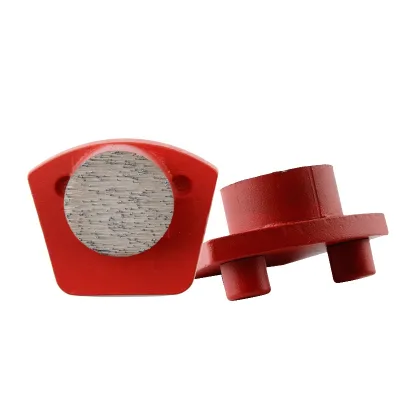
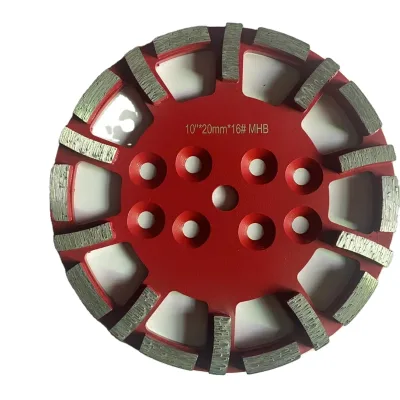
When sourcing Concrete Floor Diamond Grinding Shoes, buyers must first distinguish between the functional architecture of the product and the specific material composition that dictates performance. The core of these tools lies in the segment, which is typically a flat-shaped abrasive element designed for high-impact surface preparation. The manufacturing process is a critical differentiator, with the supplied data indicating two primary methods: brazing and sintering. Brazed segments generally offer a robust bond for heavy-duty removal, while sintered segments provide a controlled wear rate for finer finishing. The material composition is consistently described as a composite of diamond and metal powder, or simply diamond combined with a metal bonding agent, ensuring the abrasive grit remains embedded under extreme pressure.
The physical dimensions of the segments vary significantly based on the intended grinding machine and the desired cut depth. Observed specifications include segment thicknesses ranging from 10mm to 12mm, with some variations noted at 10mm or 15mm. The standard grit range available in the market spans from coarse 6# up to fine 400#, allowing for a complete workflow from aggressive concrete removal to polished terrazzo finishing. Buyers should verify the specific grit availability for their application, as the range 6#-400# covers the broadest spectrum of concrete and terrazzo floor grinding needs. Furthermore, the bond hardness is a vital technical parameter, with options ranging from super soft to super hard. This bond selection determines how quickly the diamond particles are released; a softer bond is required for harder concrete to expose fresh diamonds, while a harder bond suits softer substrates to prevent premature wear.
Application Scenarios and Equipment Compatibility
The utility of Concrete Floor Diamond Grinding Shoes is defined by their specific application environments. These tools are explicitly designed for use on concrete and terrazzo floors, serving as the primary interface for surface grinding equipment. The usage equipment is typically identified as floor grinders, which may operate in either dry or wet conditions depending on the specific shoe configuration and site requirements. The versatility of these tools allows them to be deployed across various stages of floor preparation, from leveling uneven surfaces to achieving a smooth, polished finish.
Compatibility with existing machinery is paramount. The connection types observed in the market include Polar Magnetic, 3 Holes Standard, Redi-Lock, Plug N Go, and Vecro Back systems. This variety indicates that a single shoe model may not fit all grinder brands. Buyers must cross-reference their grinder's attachment mechanism with the shoe's connection type to ensure a secure fit. For instance, the Redi-Lock system offers a quick-change capability, which can significantly reduce downtime during segment replacement. The attachment mechanism, such as the Redi Lock Quick Change, is designed to facilitate rapid swapping of segments, enhancing operational efficiency. Additionally, the segmentation itself, often categorized by segment numbers like 2 or 10 pieces, influences the coverage area and the stability of the grinding head. Understanding the specific requirements of the floor grinder, such as the need for a specific segment count or connection type, is essential before placing an order.
Cost Drivers and Pricing Dynamics
The pricing structure for Concrete Floor Diamond Grinding Shoes is influenced by several tangible factors, including material quality, manufacturing complexity, and order volume. The observed listed price range in the market spans from $0.90 to $30.00 USD. This wide variance reflects differences in grit size, segment thickness, and the quality of the diamond content. Thicker segments, such as those at 12mm, typically command a higher price due to the increased material volume and longer service life. Similarly, finer grits, approaching the 400# end of the spectrum, may be priced differently than coarse 6# segments due to the precision required in diamond distribution.
Minimum Order Quantity (MOQ) is another significant cost driver. The observed MOQ range is between 1 and 50 units. Buyers purchasing small quantities for testing or immediate repair needs may face higher per-unit costs, whereas bulk orders can leverage economies of scale. The customization availability is a key factor in pricing; custom orders for specific dimensions, grits, or connection types often incur additional setup costs compared to standard stock items. The packaging method, whether carton, pallet, or custom customer requirements, also impacts the final landed cost. Buyers should evaluate the total cost of ownership, considering that a slightly higher initial investment in a sintered segment with a super-hard bond might yield a lower cost per square foot over time due to extended durability.
Compliance, Standards, and Quality Verification
Verifying compliance and quality standards is a critical step in the procurement process, particularly for industrial tools that undergo significant stress. The supplied data references several standards and certifications that buyers should look for to ensure product reliability. The product standards mentioned include ISO9001-2000 and SGS, which indicate a commitment to quality management systems and third-party testing. While some background information suggests CE certification, buyers should treat this as a verification point rather than an automatic guarantee, ensuring that the specific supplier provides valid documentation.
The material standards are also crucial. The product specifications list various steel grades such as 35#, 50#, 60#, and 100#, which likely refer to the metal matrix or backing plate composition. These grades determine the structural integrity of the segment under high-load conditions. Buyers must verify that the supplier can provide test results or certificates confirming that the segments meet these specific material standards. The manufacturing process, whether brazing or sintering, must be consistent with the claimed specifications. For example, a sintered segment should demonstrate uniform diamond distribution and bond hardness, which can be verified through visual inspection and performance testing. The presence of OEM acceptance and customization options suggests that suppliers are capable of meeting specific client requirements, but buyers should request samples to validate the quality of these customizations before committing to large orders.
Supplier Evaluation and Procurement Strategy
Selecting the right supplier requires a thorough evaluation of their capabilities, particularly regarding their origin and logistical support. The supplied data indicates that the products originate from China (Mainland), a major hub for abrasive tool manufacturing. Buyers should assess the supplier's ability to handle international logistics, with transportation options including ocean, land, and air freight. The lead times and shipping methods will directly impact project schedules, especially for time-sensitive floor restoration projects.
When evaluating suppliers, buyers should prioritize those who offer OEM services and customization. The data confirms that customization is available, and OEM acceptance is a standard practice. This flexibility allows buyers to tailor the grinding shoes to their specific equipment and application needs. The packaging standards, such as carton boxes for each piece or palletized shipments, should be discussed to ensure safe transport and easy inventory management. Additionally, the supplier's willingness to accept custom requirements, such as specific grit ranges or connection types, is a strong indicator of their technical competence. Buyers should also consider the supplier's track record in handling orders within the observed MOQ range of 1 to 50 units, ensuring they can accommodate both trial orders and bulk procurement needs.
Long-Term Procurement and Quality Control Considerations
Sourcing Concrete Floor Diamond Grinding Shoes is not merely a transactional activity but a strategic partnership that impacts long-term operational efficiency. Quality control should be an ongoing process, involving regular inspections of incoming segments for consistency in grit, bond hardness, and segment thickness. The observed specifications, such as the 10mm-12mm thickness range and the 6#-400# grit range, should be verified against actual received goods to ensure they meet the agreed-upon standards.
Buyers should also consider the lifecycle of the segments. The bond hardness, ranging from super soft to super hard, directly influences the wear rate and the frequency of replacement. A well-matched bond to the concrete hardness can extend the life of the segment, reducing the total cost of ownership. Furthermore, the customization options allow for the development of proprietary grinding solutions that can provide a competitive advantage in the market. By maintaining a close relationship with suppliers who offer OEM services, buyers can ensure a steady supply of high-quality segments tailored to their specific needs. Regular communication regarding performance feedback and market trends will help in adapting the procurement strategy to changing project requirements and technological advancements in abrasive tool manufacturing.
FAQs
What manufacturing processes are used for these grinding shoes?
The grinding shoes are produced using brazing and sintering processes. Brazed segments offer robust bonding for heavy-duty removal, while sintered segments provide controlled wear rates for finer finishing applications on concrete and terrazzo floors.
Which connection types are compatible with floor grinders?
Compatible connection types include Polar Magnetic, 3 Holes Standard, Redi-Lock, Plug N Go, and Vecro Back systems. Buyers must verify their specific grinder model against these options to ensure a secure fit and efficient operation.
What is the available grit range for these abrasive segments?
The available grit range spans from 6# to 400#, covering both coarse removal and fine polishing needs. This spectrum allows users to select the appropriate abrasive size for aggressive concrete leveling or delicate terrazzo finishing tasks.
Can buyers request custom dimensions and specifications for these shoes?
Yes, customization is available for segment thickness, grit, and connection types. Buyers can request specific configurations such as 10mm to 12mm thickness or unique bonding agents to tailor the product to their specific machinery and application requirements.
What is the minimum order quantity for purchasing these segments?
The minimum order quantity ranges from 1 to 50 units depending on the supplier and customization level. Small trial orders are possible, while bulk purchases may leverage economies of scale to reduce the per-unit cost significantly.
Where are these concrete floor grinding shoes manufactured and shipped from?
These products originate from China (Mainland) and are shipped via ocean, land, or air transportation. Buyers should consider the logistics options and potential lead times when planning their procurement schedule for international delivery.