Source Construction Grade Metakaolin for Ceramics, Paper, Refractories
Find 30 verified listings for Construction Grade Metakaolin suitable for ceramics, paper, and refractory applications. Buyers can compare specifications like SiO2 and Al2O3 content, mesh sizes, and pricing from suppliers in China.
Key considerations
Products List


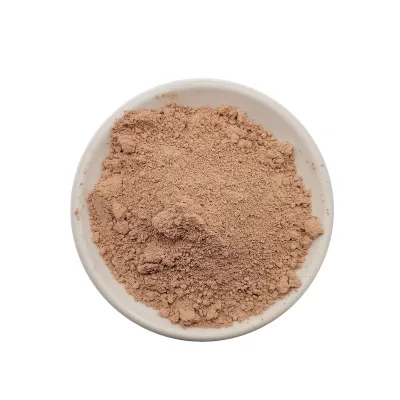
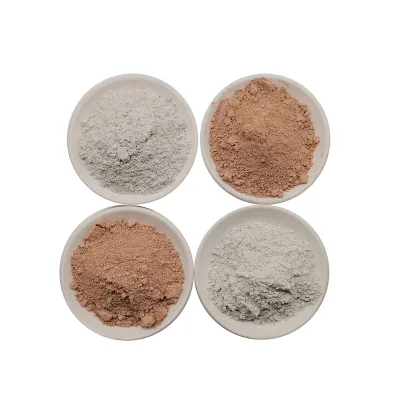


Calcined Ultra White Metakaolin Kaolin Powder for Concrete Building Materials
$230.00 - $236.00
MOQ: 4 Tons

Natural Kaolin Powder for Construction Materials Paint Additives Kaolin Powder
$285.00 - $289.00
MOQ: 3 Tons


Comprehensive Sourcing Guide
Construction Grade Metakaolin Sourcing Guide
Procuring construction-grade metakaolin requires a disciplined approach to verifying chemical purity, particle size distribution, and reactivity indices. Metakaolin, often identified by its other names such as kaolinite or calcined kaolin, serves as a high-performance supplementary cementitious material. Buyers must distinguish between raw kaolin powder and the calcined variant specifically engineered for pozzolanic reactions in concrete and mortar applications. The sourcing process begins with understanding that while the base material is white or yellow in color, its value in construction is derived from its amorphous silica content and its ability to react with calcium hydroxide to form additional cementitious compounds.
This guide focuses on the specific attributes observed in current market listings, including silicon dioxide (SiO2) and aluminum oxide (Al2O3) percentages, mesh sizes, and activity indices. It provides a framework for evaluating suppliers based on technical data sheets, certification status, and commercial terms. By adhering to these verification steps, procurement teams can mitigate the risk of receiving substandard materials that fail to meet structural requirements or durability standards. The following sections detail the scope, technical parameters, compliance needs, cost structures, supplier qualifications, and long-term management strategies for this specialized industrial mineral.
Product Scope and Observed Listing Signals
The market for construction-grade metakaolin presents a wide range of product specifications, primarily categorized by particle size and chemical composition. Observed listings indicate a price range from $0.22 to $550 per unit, reflecting variations in purity, mesh fineness, and packaging volume. The minimum order quantity (MOQ) typically spans from 1 kg for sample testing to 1 ton for bulk industrial procurement. Buyers should note that while some listings offer free samples, the lead time for delivery can vary significantly, ranging from 3-7 days for small quantities to 15-35 days for larger orders. These signals help in budgeting and planning inventory levels, especially when coordinating with just-in-time construction schedules.
Product forms are predominantly observed as powders, with packaging options including 25 kg bags, 50 kg bags, and jumbo bags up to 1000 kg. The standard mesh sizes observed in listings range from 80 mesh to 6000 mesh, with specific models like DRHB-KC251204 and HB-K indicating different grades of fineness. The origin of these products is largely concentrated in regions such as Hebei, China, where calcination techniques are widely applied to transform kaolin into metakaolin. Understanding these listing signals allows buyers to filter suppliers effectively, focusing on those who offer the specific mesh sizes and packaging formats required for their particular concrete mix designs or mortar applications.
Technical Specifications to Verify
Chemical composition is the primary determinant of metakaolin’s performance in construction applications. Buyers must verify that the SiO2 content falls within the 50%-60% range, with some high-grade samples showing values around 51.82%, and Al2O3 content between 30%-40%, with specific listings citing 45.45%. Impurities such as Fe2O3 and TiO2 should be monitored, with observed levels at 0.1% and 0.45% respectively. Additionally, parameters like MGO (0.07), So3 (<0.01), and Chloride (<0.010) are critical for preventing corrosion in reinforced concrete. The ignition loss, observed at 0.92%, indicates the degree of calcination and the absence of residual hydroxyl groups, which is essential for ensuring consistent pozzolanic reactivity.
Particle size and physical properties are equally important for workability and strength development. The product standard often specifies mesh sizes from 200 mesh to 6000 mesh, with finer particles generally offering higher reactivity but potentially requiring more water. The water demand ratio, observed at 108%, and the residue on sieve, at 0.7%, provide insights into the powder’s flowability and fineness. Most critically, buyers should request strength activity index data, with observed values of 90% at 3 days, 101% at 7 days, and 115% at 28 days. These indices confirm the material’s ability to contribute to early and long-term compressive strength, ensuring that the metakaolin meets the structural performance requirements of the project.
Compliance and Safety Documentation
Certification and standard adherence are non-negotiable for construction materials, ensuring that the metakaolin meets international quality and safety benchmarks. Listings frequently cite ISO certification, with some suppliers also holding CE marks, indicating compliance with European health, safety, and environmental protection standards. Buyers should verify that the supplier’s quality management system is certified under ISO 9001 or similar standards, although specific version numbers like ISO 9001:2015 should be confirmed directly with the supplier. These certifications provide assurance that the manufacturing process is controlled and consistent, reducing the risk of batch-to-batch variability in chemical composition and physical properties.
Safety data sheets (SDS) and regulatory compliance documents, such as REACH registration, are essential for handling and storage. While REACH status is mentioned in background contexts, buyers must obtain the current SDS to understand the handling precautions for fine powders, which can pose inhalation risks. The documentation should clearly state the product’s classification, first-aid measures, and disposal methods. Additionally, buyers should ensure that the supplier provides a certificate of analysis (CoA) for each batch, detailing the exact chemical and physical parameters tested. This documentation is crucial for quality audits and for demonstrating compliance to project engineers and regulatory bodies.
Cost Drivers and Commercial Terms
The cost of construction-grade metakaolin is influenced by several factors, including purity, mesh size, and packaging. Finer mesh sizes, such as those approaching 6000 mesh, require more intensive grinding and classification processes, leading to higher prices. Similarly, higher Al2O3 and SiO2 content with lower impurity levels command a premium. Packaging also affects the unit cost, with jumbo bags offering economies of scale for large projects, while smaller 25 kg bags are more suitable for smaller batches or testing. Buyers should analyze the total landed cost, including shipping and handling, rather than focusing solely on the unit price, as logistics can significantly impact the final expense.
Commercial terms such as payment methods, lead times, and customization options play a vital role in procurement planning. Most suppliers accept T/T (Telegraphic Transfer) payments, and many offer OEM services and customization for specific mesh sizes or packaging requirements. The lead time for delivery can range from 3-7 days for samples to 15-35 days for bulk orders, which must be factored into project schedules. Buyers should negotiate clear terms regarding sample availability, as free samples are often offered to allow for preliminary testing. Understanding these commercial dynamics helps in building a reliable supply chain and avoiding delays that could disrupt construction timelines.
Supplier Qualification and Quality Control
Evaluating supplier capability is essential to ensure a consistent supply of high-quality metakaolin. Buyers should assess the supplier’s production capacity, technical expertise, and quality control processes. Suppliers who offer customization and OEM services often have more flexible production lines capable of meeting specific project requirements. It is also important to verify the supplier’s track record in the construction industry, looking for references or case studies that demonstrate successful deliveries. Suppliers located in major industrial hubs, such as Hebei, China, may have better access to raw materials and established logistics networks, which can enhance reliability.
Quality control measures should include regular testing of incoming materials and periodic audits of the supplier’s facilities. Buyers should request detailed test reports for each batch, covering chemical composition, particle size distribution, and strength activity indices. Establishing a clear communication channel with the supplier for addressing any quality issues is crucial. Additionally, buyers should consider implementing a sampling plan for incoming shipments to verify that the delivered product matches the specifications agreed upon in the contract. This proactive approach to quality control helps in maintaining the integrity of the concrete mix and preventing potential structural issues.
Long-Term Procurement Checks
Sustaining a reliable supply of construction-grade metakaolin requires ongoing monitoring and relationship management. Buyers should conduct periodic reviews of supplier performance, focusing on delivery times, product consistency, and responsiveness to issues. Establishing long-term contracts with preferred suppliers can provide stability in pricing and supply, especially during periods of market volatility. It is also important to stay updated on changes in industry standards and regulations that may affect the use of metakaolin in construction. Engaging with technical experts and participating in industry forums can provide insights into best practices and emerging trends in the use of supplementary cementitious materials.
Continuous improvement in the procurement process involves refining specifications based on project feedback and performance data. If certain batches of metakaolin result in unexpected workability or strength issues, buyers should work with suppliers to adjust the specifications or sourcing strategy. Additionally, exploring alternative suppliers or regions can mitigate risks associated with single-source dependency. By maintaining a strategic approach to procurement, buyers can ensure that their construction projects benefit from the enhanced durability, strength, and sustainability that high-quality metakaolin provides. This long-term perspective helps in building a resilient supply chain that supports the successful completion of construction projects.
FAQs
What is the chemical composition of Construction Grade Metakaolin?
The product contains 50% to 60% silica and 30% to 40% alumina with minimal iron oxide. It is available in white and yellow colors with a purity level reaching 99.9% for specialized applications.
How is the product packaged for shipping and delivery?
Packaging options include 25kg bags, 50kg bags, or 1000kg jumbo bags depending on order volume. This flexible packing ensures safe transport while accommodating various industrial logistics requirements.
What is the minimum order quantity for purchasing this material?
The minimum order quantity is 1 kilogram for samples or small batches, while bulk orders typically require 1 ton. This allows buyers to test quality before committing to larger industrial shipments.
Can suppliers provide customization and OEM services for this powder?
Yes, customization and OEM services are available to meet specific client requirements. Buyers can request tailored specifications while maintaining the core chemical properties required for refractory and ceramic applications.
What certifications does the manufacturer hold for this product?
The product holds ISO and CE certifications ensuring compliance with international quality standards. These credentials verify the safety and reliability of the kaolin powder for construction and industrial use.
How long does it take to receive an order after payment?
Standard delivery time ranges from 15 to 35 days depending on order size and logistics. Sample orders can be shipped within 3 to 7 days for faster evaluation and testing purposes.
What are the key physical properties like mesh size and color?
The powder is available in mesh sizes ranging from 80 to 6000 mesh with a white or yellow appearance. These physical attributes ensure suitability for various applications including paper and ceramic manufacturing.