Source Eco Friendly Ceramic Cookie Jar for Kitchen Storage
Find 30 Eco Friendly Ceramic Cookie Jar options for kitchen storage, business gifts, and promotional use. Compare customized sizes, shapes, and logos from Chinese manufacturers to find the right fit for your needs; compare the available evidence and request quotations based on your requirements.
Key considerations
Products List
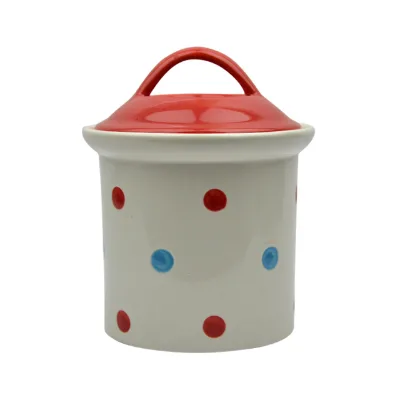
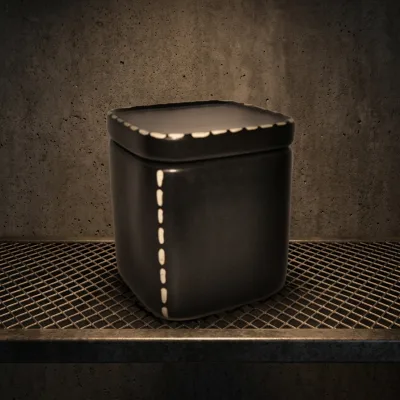
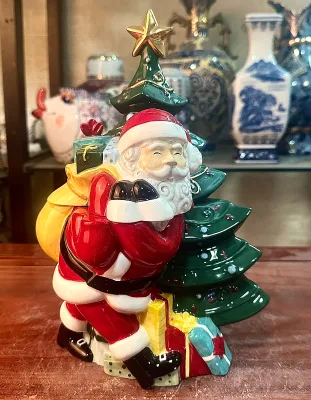
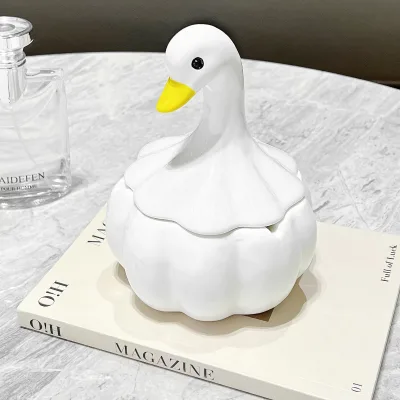
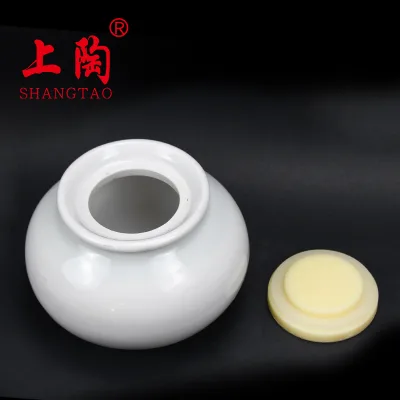

Ceramic Cookie Kitchen Canister Ceramic Porcelain White Unique Canister
$0.90 - $1.38
MOQ: 1000 Pieces


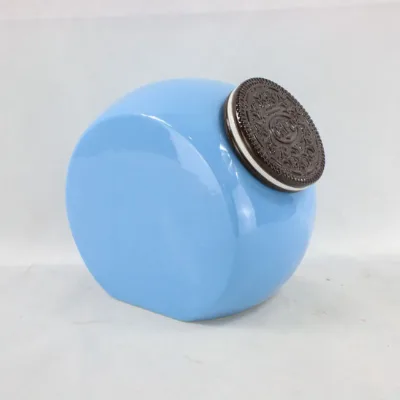
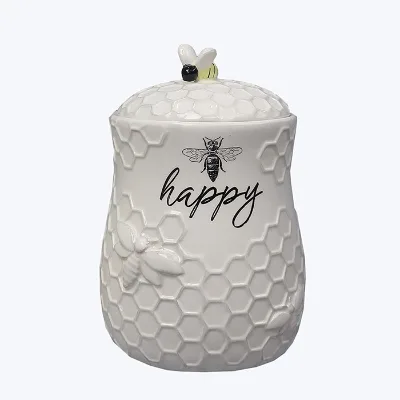

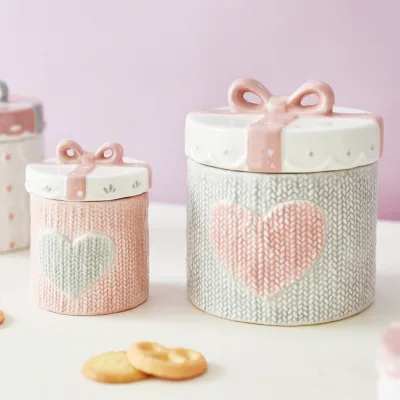


Eco-Friendly Kitchenware Porcelain Sugar Container Custom Ceramic Food Container
$0.50 - $1.50
MOQ: 5000 Pieces


High Quality Ceramic Kitchen Storage Jar Embossed Sugar Jar White Ceramic Spice Jar
$0.80 - $1.50
MOQ: 5000 Pieces


New Arrival Sugar Jar Custom Printing Ceramic Storage Jar for Art Collection
$5.00 - $20.00
MOQ: 5000 Pieces

Ins Style Food Container Jar Simple Ceramic Spice Jar Custom Ceramic Storage Jar
$2.50 - $5.00
MOQ: 5000 Sets
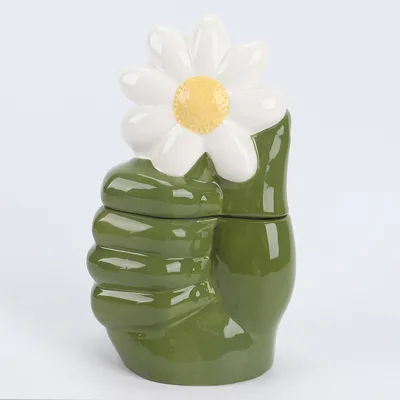
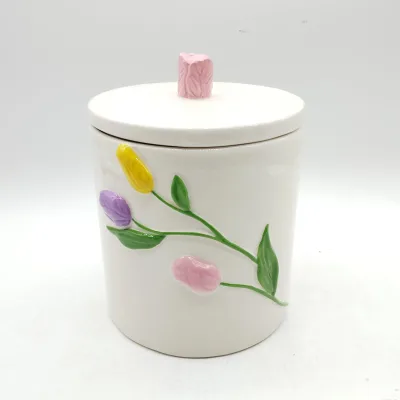
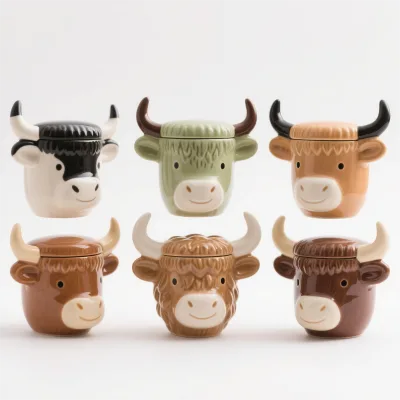
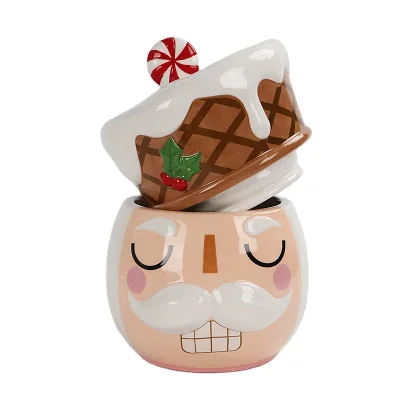
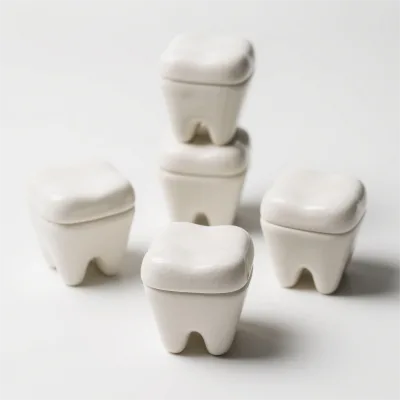


Retro-Style Ceramic Storage Jars Suitable for Home Decoration and Candy Storage
$11.90 - $13.80
MOQ: 50 Pieces

Comprehensive Sourcing Guide
Eco Friendly Ceramic Cookie Jar Sourcing Guide
Procurement teams must first distinguish between general ceramic storage and specialized eco-friendly cookie jars by examining specific material grades and surface treatments. The available market data indicates a prevalence of AB-grade ceramic and zirconia ceramic materials, which offer distinct durability profiles for food storage applications. Buyers should prioritize suppliers who explicitly list "Eco-Friendly" and "Non-toxic" as primary features, ensuring the product aligns with modern sustainability mandates for kitchenware.
Verification of the intended usage is critical, as listings often conflate general kitchen storage with specific applications like cookie preservation or business gifting. While some products are marketed for business gifts with customized logos, others are strictly defined for food use with capacities ranging from 0.5 liters to over 1 liter. Sourcing strategies must align the physical dimensions and capacity with the specific storage needs of the target market, avoiding mismatches between the product's advertised shape and the actual utility required.
Product Scope and Observed Listing Signals
The current market landscape for ceramic cookie jars reveals a wide variance in design aesthetics, ranging from American style round shapes to square configurations suitable for modern kitchens. Listings frequently highlight customization options for color, including white, black, red, and specialized finishes like garlic duck ashtray tones, though these specific color names may indicate niche decorative variations rather than standard inventory. Buyers must carefully parse these visual descriptors to ensure the final product matches the brand's aesthetic requirements without compromising the structural integrity of the ceramic body.
Capacity and size customization are central to the product scope, with observed ranges extending from 200ml to 1000ml and beyond, often requiring specific model numbers like PPL-00111 or TTU-00445 to identify the correct configuration. The presence of "Customized Size" and "Customized Logo" attributes suggests that many suppliers operate on a made-to-order basis, which impacts lead times and minimum order quantities significantly. Procurement teams should verify whether the observed capacity ranges apply to the specific model selected, as some listings indicate capacities under 0.5 liters while others support volumes exceeding 501ml.
Technical Specifications to Verify
Material composition is the primary technical differentiator, with listings specifying both standard ceramic and high-performance zirconia ceramic for grinding jars or heavy-duty storage. Buyers must confirm the specific grade, such as AB grade, and ensure the material is suitable for direct food contact, particularly when the product is marketed with "Eco-Friendly" and "Non-toxic" claims. The density and dimensional tolerance of the ceramic body are also critical, as these factors influence the jar's ability to maintain a seal and resist chipping during transport and daily kitchen use.
Packaging and physical dimensions require precise verification to prevent damage during international shipping, as observed single package sizes can vary from 14x14x13 cm to larger custom dimensions. The gross weight of individual units, often noted around 0.500 kg, directly impacts freight costs and must be accounted for in the total landed cost calculation. Additionally, the printing method, such as heat transfer, and the availability of safety packing must be confirmed to ensure the product arrives in pristine condition, especially for customized logos or specific color finishes.
Compliance and Safety Documentation
Food safety compliance is non-negotiable for ceramic cookie jars intended for direct food contact, requiring suppliers to provide documentation that verifies the absence of harmful substances like lead or cadmium. While specific certification names are not universally listed in the provided data, the "Non-toxic" and "Eco-Friendly" attributes imply adherence to strict safety standards that must be validated through third-party testing reports. Buyers should request proof of compliance with relevant international food contact regulations before finalizing any order, ensuring the ceramic glaze and body material do not leach toxins into stored food items.
Environmental claims regarding the "Eco-Friendly" nature of the product must be substantiated by clear evidence of sustainable manufacturing practices or material sourcing. The presence of "ECO-Friend" in product features suggests a focus on reduced environmental impact, but this should be cross-referenced with the supplier's actual production processes and waste management protocols. Procurement teams should verify that the "Customized Logo" application process does not introduce hazardous chemicals, and that the "White Box" or "Safety Packing" materials are also environmentally responsible to maintain the integrity of the eco-friendly value proposition.
Cost Drivers and Commercial Terms
Minimum Order Quantities (MOQ) represent a significant cost driver, with observed ranges spanning from 1000 pieces to as high as 5000 pieces depending on the specific model and customization level. Buyers must align their order volume with these thresholds to avoid prohibitive per-unit costs, as smaller quantities may not be feasible for standard production runs. The variability in MOQs, such as the distinction between 1000pcs and 5000pcs, often correlates with the complexity of the customization, including specific colors, shapes, or logo placements.
Pricing structures are influenced by the degree of customization, with "Customized Size" and "Customized Logo" typically commanding higher unit costs compared to standard inventory. The observed price range of 0.5 to 932.15 USD reflects the vast difference between basic single-item units and bulk orders with extensive branding. Procurement teams should negotiate based on the total volume and the specific model number, such as ST-1204 or BEST, to secure favorable terms that account for the added costs of heat transfer printing and specialized packaging requirements.
Supplier Qualification and Quality Control
Supplier qualification requires a thorough assessment of their production capabilities, particularly regarding the consistency of ceramic grades and the precision of their heat transfer printing processes. The presence of multiple origin locations, including Fujian and Shanghai, indicates a distributed manufacturing base that may offer different quality control standards. Buyers should verify the supplier's ability to maintain consistent density and dimensional tolerance across large batches, ensuring that every unit meets the specified "Perfect" density and structural requirements.
Quality control protocols must extend beyond the final product to include the integrity of the packaging and the safety of the materials used. The "Safety Packing" and "White Box" attributes suggest a focus on protecting the product during transit, but this must be validated through actual shipping tests. Procurement teams should implement a rigorous inspection regime that checks for defects in the ceramic body, the accuracy of the customized logos, and the overall aesthetic consistency of the color and shape, ensuring the final delivery matches the initial sample specifications.
Long-Term Procurement Checks
Sustaining a reliable supply chain for eco-friendly ceramic cookie jars requires ongoing monitoring of supplier performance and material consistency over time. Buyers should establish regular audits to verify that the "AB" grade ceramic and "Zirconia Ceramic" materials continue to meet the specified density and non-toxic standards without degradation. Long-term partnerships should be built on transparent communication regarding any changes in production processes or material sourcing that could impact the product's eco-friendly status or food safety compliance.
Market trends and consumer expectations for sustainable kitchenware are evolving, necessitating a proactive approach to product development and innovation. Procurement teams should stay informed about new certifications and standards that may emerge, ensuring that the "Eco-Friendly" and "Non-toxic" claims remain valid and competitive. Regular reviews of the product's performance in the field, including customer feedback on durability and functionality, will help identify areas for improvement and ensure the long-term viability of the ceramic cookie jar line in the target market.
FAQs
What materials are used for eco friendly ceramic cookie jars?
These jars are typically made from ceramic or ceramic stoneware. The material is selected for its durability and non-toxic properties. This ensures the storage container is safe for food contact. The ceramic composition supports eco-friendly manufacturing processes while maintaining a sturdy structure for daily kitchen use.
Can I customize the logo on these ceramic jars?
Yes, you can add a custom brand logo to the product. The supplier offers customization services to meet specific branding needs. This allows businesses to create unique packaging for business gifts or promotional items. The logo application is integrated into the production process for a professional finish.
What is the minimum order quantity for these jars?
The minimum order quantity varies by supplier, typically ranging from 1000 to 5000 pieces. Some suppliers may accept lower quantities for specific models. Buyers should confirm the exact MOQ with the manufacturer before placing an order. This ensures the production run aligns with your inventory requirements and budget constraints.
Are these ceramic jars suitable for business gift occasions?
Yes, these jars are suitable for business gifts and commemorative purposes. Their customizable design and eco-friendly features make them ideal for corporate gifting. The professional appearance and practical utility enhance their value as promotional items. Buyers can select specific styles and colors to match their brand identity.
What packaging options are available for these ceramic jars?
Packaging options include white boxes and safety packing to ensure product integrity. The packaging is designed to protect the ceramic material during transit. This helps prevent damage and maintains the quality of the goods upon arrival. Buyers can request specific packaging configurations to meet their logistical and branding requirements.
How can I find suppliers for these ceramic jars in China?
You can identify suppliers by searching for manufacturers in Fujian or Shanghai, China. These regions are known for ceramic production and export capabilities. Use sourcing platforms to filter vendors by their location and product specifications. This approach helps you connect with reliable factories that meet your quality and delivery standards.