Source Construction Plywood for Formwork, Building, and Outdoor Projects
Compare 30 Construction Plywood options featuring various core materials, thicknesses, and glue types. Buyers can evaluate specifications like moisture content, formaldehyde emission grades, and film finishes for formwork, building, and outdoor applications; compare the available evidence and request quotations based on your requirements.
Key considerations
Products List


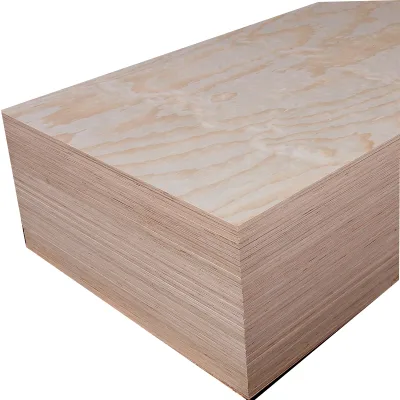
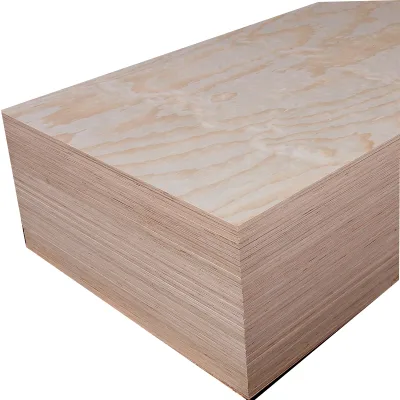


Exterior Plywood, Construction Plywood, Film Faced Plywood, Marine Plywood
$250.00 - $280.00
MOQ: 50 Boxes


Comprehensive Sourcing Guide
Construction Plywood Sourcing Guide
Procuring Construction Plywood requires a disciplined approach to balancing structural integrity, environmental compliance, and cost efficiency. Buyers must navigate a complex landscape of material grades, adhesive types, and surface finishes to ensure the selected panels meet specific project demands. This guide provides evidence-based strategies for evaluating suppliers, verifying technical specifications, and managing commercial risks associated with international timber trade.
The following sections detail the critical decision points for sourcing high-quality formwork and structural plywood. By focusing on verified attributes such as core composition, glue performance, and formaldehyde emissions, procurement teams can mitigate supply chain disruptions and ensure consistent product quality across multiple shipments and project phases.
Product Scope and Observed Listing Signals
Market listings for Construction Plywood reveal a wide spectrum of product configurations, primarily centered around film-faced variants designed for concrete formwork. Common specifications include dimensions such as 1220x2440mm and 1830x1220mm, with thicknesses ranging from 9mm to 24mm or custom requests. The core materials observed include pine, poplar, hardwood, eucalyptus, and birch, each offering distinct density and strength characteristics suitable for different load-bearing requirements.
Surface finishes typically feature black, brown, red, or plastic film coatings to enhance water resistance and release properties during concrete pouring. Buyers should note that product names often highlight keywords like "formwork" or "beam formwork," indicating specialized usage. Observations also show variations in grain patterns, from straight to irregular, which may influence aesthetic or structural performance depending on the application's visibility and stress factors.
Technical Specifications to Verify
Verification of core composition and ply count is essential for ensuring structural reliability. Products are often described as 13-ply or utilizing specific core woods like eucalyptus or birch, which directly impact density and bending strength. Buyers must confirm the moisture content, which typically ranges between 8% and 14%, as excessive moisture can lead to warping or delamination during storage and use in humid construction environments.
Adhesive quality is another critical technical parameter, with exterior-grade glues such as WBP (Weather and Boil Proof) and phenolic resins being standard for outdoor applications. Tolerance levels, often cited as +/-0.5mm, ensure precise fitment in formwork systems. Additionally, surface treatments like smooth, mesh, or anti-slip finishes should be matched to the specific pouring and stripping requirements of the construction project to optimize labor efficiency and panel lifespan.
Compliance and Safety Documentation
Formaldehyde emission standards are a primary compliance concern, with grades ranging from E0 to E1 and higher classifications like E-Grade or Grade One. Buyers must request official test reports to verify that the plywood meets the regulatory requirements of the destination market, particularly for indoor or residential projects where air quality is paramount. Certifications such as CARB P2, CE, and JAS provide additional assurance of environmental and safety compliance.
Quality management certifications like ISO and CE marking indicate that the supplier adheres to standardized production and testing protocols. These documents are crucial for passing customs inspections and project audits. Procurement teams should ensure that all supplied documentation is current and directly corresponds to the specific batch or production run, as standards can vary between manufacturing facilities and product lines.
Cost Drivers and Commercial Terms
Pricing for Construction Plywood is influenced by raw material costs, adhesive type, and surface film quality. Observed price ranges vary significantly, reflecting differences in core wood species and manufacturing complexity. Buyers should analyze cost structures beyond the unit price, considering factors like thickness, size, and whether the product is a standard grade or a customized OEM/ODM solution.
Minimum Order Quantities (MOQs) can range from small trial orders to large bulk purchases, impacting inventory management and cash flow. Packaging options, including standard export packages or customized solutions, also affect logistics costs. Understanding these commercial terms helps buyers negotiate better total landed costs and aligns procurement volumes with project timelines to avoid storage fees or production delays.
Supplier Qualification and Quality Control
Supplier location and manufacturing capability are key indicators of reliability. Major production hubs like Nantong and Linyi in China are known for plywood manufacturing, but buyers should verify specific factory credentials rather than relying solely on regional reputation. Customization capabilities, such as accepting OEM/ODM requests and providing standard or customized specifications, demonstrate a supplier's flexibility and technical competence.
Quality control processes should include checks for hot-pressing techniques, which vary by grade, and rigorous testing for bonding strength and water resistance. Buyers should request samples to evaluate physical attributes like density, surface smoothness, and edge quality before committing to large orders. Establishing clear communication channels for addressing defects or discrepancies ensures that quality issues are resolved promptly without disrupting project schedules.
Long-Term Procurement Checks
Building a resilient supply chain requires ongoing monitoring of supplier performance and product consistency. Regular audits of production facilities and periodic re-testing of samples help maintain quality standards over time. Buyers should track key performance indicators such as on-time delivery rates, defect percentages, and responsiveness to technical queries to identify potential risks early.
Developing long-term relationships with qualified suppliers can lead to better pricing, priority production slots, and improved technical support. However, diversifying the supplier base mitigates the risk of single-source dependency. Continuous evaluation of market trends, material availability, and regulatory changes ensures that procurement strategies remain aligned with evolving project requirements and industry best practices.
FAQs
What sizes and thicknesses are available for Construction Plywood formwork?
Common sheet sizes include 1220x2440mm, 915x1830mm, and 1250x2500mm, with 610x2440mm also listed. Thickness options typically run from 9mm to 30mm, including popular formwork thicknesses such as 12mm, 15mm, 18mm, 21mm, and 24mm. Tolerance is generally around plus or minus 0.5mm, and non-standard dimensions can often be arranged through customization.
Which glue types are used in film faced Construction Plywood?
Film faced plywood is commonly bonded with MR glue, WBP glue, WBP-Melamine, or WBP-Phenolic adhesive. WBP phenolic options provide the best water resistance for repeated concrete formwork use, while MR glue suits lower-exposure applications. Buyers should match glue selection to the number of reuse cycles and site moisture conditions expected during the project.
What film colors and surface finishes can I choose for formwork panels?
Face and back films are typically available in black, brown, or red, with plastic film options also listed. Surface finishes include smooth and mesh anti-slip patterns, and panels can be produced with or without a logo. Smooth film suits finished concrete surfaces, while mesh finishes improve grip on scaffolding and walkway applications.
What core materials are used in Construction Plywood sheets?
Common core options include poplar, hardwood, eucalyptus, and birch, with eucalyptus cores frequently listed for film faced formwork. Poplar cores are lighter in weight, while hardwood and eucalyptus cores offer higher density and strength for concrete forming. Core choice affects panel weight, screw-holding ability, and reuse performance, so confirm the core material before ordering.
What moisture content and density should Construction Plywood have?
Listed moisture content for these panels falls between 8% and 12%, with some products rated at less than 14%. Density is listed around 600 to 580 kilograms per cubic meter depending on the core. Panels delivered within these ranges resist warping and delamination during storage and on-site concrete pouring, especially in humid conditions.
Can Construction Plywood be customized with my brand or specifications?
Yes, customization is available, and OEM and ODM orders are accepted. Buyers can request specific sizes, thicknesses, film colors, logos, and packing arrangements, with standard export packaging or customized packaging both offered. Lead times, minimum order quantities, and customization costs vary by supplier, so confirm these details during quotation before placing a trial order.
What grades are used for film faced plywood face quality?
Listing grades describe press and panel construction: A grade involves two-time hot pressing, B grade uses one-time hot pressing, and C grade corresponds to finger joint construction. Plastic faced plywood is listed as an A+ grade option. More hot pressing passes generally produce a smoother, denser film surface, which supports more concrete pour cycles.
Which standards and certifications apply to Construction Plywood for export?
Formaldehyde emission standards are listed at E1 and E0 levels, and CARB P2, CE, and JAS compliance appears on some listed products. Certification requirements vary by destination market, so buyers should specify the required standard in their inquiry and request documentation. Suppliers in Linyi and Nantong, China commonly serve export orders for these panels.