Source Construction Site Chain Link Fence for Parks, Highways, Farms
Find and compare 30 Construction Site Chain Link Fence options from Hebei Bonkfc Metal Fence Co.,Ltd. Evaluate specifications like wire diameter, mesh opening, and surface treatments including galvanized and PVC coated finishes for various security and decorative applications.
Key considerations
Products List


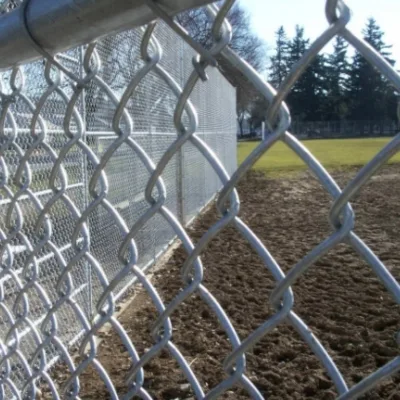


China Factory Manufacturer Chain Link Temporary Fence for Construction Site
$1.05 - $1.19
MOQ: 50 Square Meters


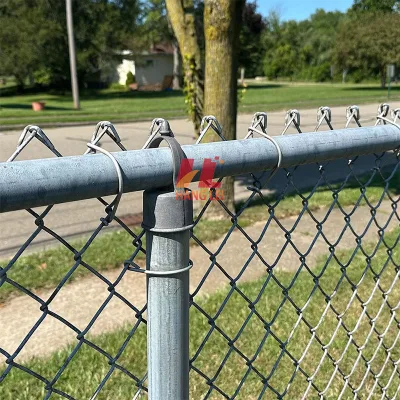

Steel Galvanized Chain Link Security Fence Eco-Friendly for Construction Site
$7.50 - $11.50
MOQ: 300 Meters


Comprehensive Sourcing Guide
Construction Site Chain Link Fence Sourcing Guide
Procuring temporary fencing for construction sites requires a precise understanding of material durability, installation logistics, and regulatory compliance. The market offers a wide array of options, ranging from basic galvanized wire to heavily coated PVC systems, each suited to different project durations and security needs. Buyers must navigate a landscape where product attributes often overlap, making it essential to distinguish between standard inventory items and customizable solutions. This guide provides a structured approach to evaluating suppliers, verifying technical specifications, and ensuring that the selected fencing meets the specific demands of temporary site protection.
The following sections outline the critical factors influencing procurement decisions, from initial product scope analysis to long-term supplier relationship management. By focusing on verified data points and established industry practices, buyers can mitigate risks associated with substandard materials or non-compliant products. The guidance herein is designed to support informed decision-making, ensuring that the final selection balances cost-efficiency with the robust performance required for active construction environments.
Product Scope and Observed Listing Signals
The current market for construction site chain link fencing presents a diverse range of products, with observed price points varying significantly based on material thickness and coating quality. Listings indicate a price range of approximately $0.80 to $38.00 USD, reflecting the disparity between lightweight, short-term solutions and heavy-duty, long-lasting installations. This wide variance underscores the importance of scrutinizing unit specifications rather than relying solely on headline pricing. Buyers should recognize that lower prices may correspond to thinner wire gauges or minimal surface treatments, which could compromise security and longevity on demanding sites.
Minimum Order Quantities (MOQs) typically range from 10 to 1,000 sets, offering flexibility for both small-scale residential projects and large industrial developments. Suppliers often provide customization options, allowing buyers to tailor fence heights, mesh openings, and post dimensions to specific site requirements. Common configurations include standard sizes such as 1.1x2.1m or 1.2x2.5m, but many manufacturers support bespoke designs based on CAD drawings. This adaptability is crucial for projects with unique perimeter needs, ensuring that the fencing integrates seamlessly with existing site infrastructure and security protocols.
Technical Specifications to Verify
Material composition and surface treatment are primary determinants of fence performance and lifespan. The core material is typically low-carbon iron wire, which provides the necessary tensile strength for temporary barriers. Surface treatments vary widely, including galvanization, powder coating, and PVC coating, each offering distinct advantages in terms of corrosion resistance and aesthetic appeal. Buyers must verify the specific finish applied, as galvanized-only fences may be suitable for short-term use, while PVC-coated options provide enhanced durability against harsh weather conditions and chemical exposure common on construction sites.
Wire diameter and mesh opening dimensions are critical technical parameters that influence both security and visibility. Standard wire diameters range from 1.8mm to 4.5mm, with thicker wires offering greater resistance to cutting and impact. Mesh openings, such as 50x50mm or 75x75mm, affect the level of visibility and the ability to prevent small objects or animals from passing through. Additionally, post and rail dimensions, including diameters of 32mm to 89mm and thicknesses up to 5.0mm, must be aligned with the expected wind loads and security requirements of the site. Verifying these specifications ensures that the fence structure is robust enough to withstand environmental stresses.
Compliance and Safety Documentation
Certification status is a key indicator of a supplier’s commitment to quality and regulatory adherence. Many manufacturers hold certifications such as CE, ISO9001, SGS, and BV, which validate their production processes and product consistency. These certifications provide assurance that the fencing meets international standards for quality management and safety. Buyers should request copies of relevant certificates to verify their validity and ensure they cover the specific products being procured. This documentation is particularly important for large-scale projects where compliance with local and international regulations is mandatory.
Safety features and installation ease are also critical considerations for construction site fencing. Products are often designed for easy assembly, reducing labor costs and installation time. Features such as customizable small gates and included accessories like fence feet and top clips enhance the functionality and security of the perimeter. Buyers should verify that the fencing system includes all necessary components for a complete and secure installation. Additionally, the eco-friendly nature of some materials, such as sustainable and renewable properties, may be relevant for projects with environmental sustainability goals.
Cost Drivers and Commercial Terms
Several factors influence the total cost of construction site chain link fencing, including material costs, manufacturing processes, and logistics. The choice of surface treatment, such as PVC coating versus simple galvanization, significantly impacts the price. Thicker wire gauges and larger post dimensions also contribute to higher costs due to increased material usage. Buyers should analyze the cost breakdown to understand the value proposition of each option, ensuring that they are not overpaying for features that are not necessary for their specific application.
Commercial terms, including packaging and supply ability, play a crucial role in the overall procurement strategy. Suppliers typically offer packaging options such as plastic film with iron pallets or wooden pallets, which protect the fencing during transit and facilitate easy handling on-site. Supply abilities, such as 2,000 sets per day, indicate the manufacturer’s capacity to meet large orders within tight deadlines. Buyers should confirm these details to ensure that the supplier can deliver the required quantity within the project timeline, avoiding delays that could impact construction progress.
Supplier Qualification and Quality Control
Evaluating supplier qualifications is essential to ensure the reliability and consistency of the fencing products. Buyers should assess the manufacturer’s production capabilities, including their use of advanced weaving techniques like twill weave, which enhances the strength and flexibility of the mesh. The ability to provide professional customized CAD drawings indicates a supplier’s capacity to handle complex projects and meet specific design requirements. Verifying these capabilities helps buyers select a partner who can deliver high-quality, tailored solutions.
Quality control processes, including inspection and testing, are vital for maintaining product standards. Suppliers with robust quality management systems, as evidenced by ISO9001 certification, are more likely to produce consistent and reliable fencing. Buyers should inquire about the supplier’s quality control procedures, including how they handle defects and ensure that each batch meets the specified technical parameters. Establishing clear quality expectations and communication channels with the supplier can help prevent issues and ensure that the final product meets the project’s requirements.
Long-Term Procurement Checks
Building a long-term relationship with a reliable supplier requires ongoing monitoring and evaluation. Buyers should regularly review supplier performance, including delivery times, product quality, and responsiveness to issues. Establishing key performance indicators (KPIs) can help track these metrics and identify areas for improvement. Regular communication and feedback loops can strengthen the partnership and ensure that the supplier continues to meet the evolving needs of the project.
Sustainability and adaptability are also important considerations for long-term procurement. Suppliers who offer eco-friendly materials and customizable solutions are better positioned to support projects with changing requirements or environmental goals. Buyers should assess the supplier’s ability to innovate and adapt to new market trends, ensuring that they remain a valuable partner in the long run. By focusing on these aspects, buyers can secure a stable supply chain and maintain high standards of quality and compliance throughout the project lifecycle.
FAQs
What are the standard dimensions for Construction Site Chain Link Fence panels?
Standard panel sizes include 1.1 by 2.1 meters, 1.1 by 2.2 meters, 1.1 by 2.5 meters, and 1.2 by 2.5 meters. These dimensions are designed for easy transport and installation on construction sites. Buyers can also request custom sizes to fit specific site layouts or security requirements.
What materials are used in Construction Site Chain Link Fence manufacturing?
The primary material is low-carbon iron wire, which provides the necessary strength for temporary security. The surface is typically treated with galvanization or PVC coating to resist corrosion. This combination ensures durability in outdoor environments while maintaining a lightweight structure for easy handling.
Can Construction Site Chain Link Fence be customized for specific site requirements?
Yes, customization is available for various aspects of the fence. Buyers can specify different mesh openings, such as 50 by 100mm or 75 by 150mm, and choose from colors like silver, yellow, or black. Custom CAD drawings are supported to ensure the design meets specific project needs.
What certifications are available for Construction Site Chain Link Fence products?
Products may hold CE, ISO, and ASTM certifications, indicating compliance with international safety and quality standards. Some suppliers also provide ISO9001, SGS, and BV certifications. These credentials help buyers verify that the fencing meets required regulatory and performance benchmarks for construction use.
How is Construction Site Chain Link Fence packaged for shipping?
The standard packaging involves plastic film wrapping followed by iron pallets to secure the panels during transit. This method protects the surface finish and prevents damage. Suppliers can also accommodate specific packaging requests, such as wooden pallets, to meet different logistics requirements.
What is the typical supply capacity for Construction Site Chain Link Fence?
Suppliers can produce up to 2000 sets per day, allowing for rapid fulfillment of large-scale construction projects. This high production capacity ensures that bulk orders can be delivered within tight project timelines. Buyers should confirm specific lead times based on order volume and customization needs.
What are the common applications for Construction Site Chain Link Fence?
These fences are primarily used for temporary security at construction sites, concerts, and parades. They are also suitable for protective applications in industrial areas and decorative uses in gardens or parks. The modular design allows for quick assembly and disassembly as project phases change.