Source Container Desiccant Silica Gel Packet for Food, Drug, Medicine
Find 30 verified listings for Container Desiccant Silica Gel Packet options tailored for food, drug, and medicine applications. Compare specifications like absorption rates, sizes, and packaging materials from suppliers in China to select the right moisture control solution.
Key considerations
Products List


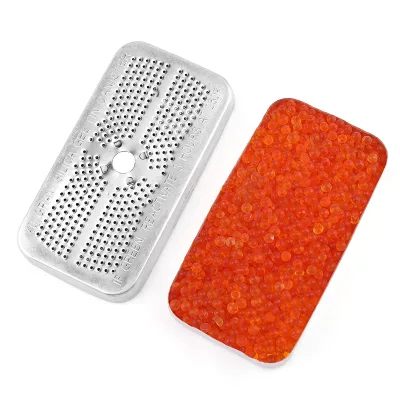


Silica Gel Packets Food Grade Desiccant for Safe Humidity Management Solutions
$0.04 - $0.05
MOQ: 10000 Pieces


Comprehensive Sourcing Guide
Strategic Sourcing Guide for Container Desiccant Silica Gel Packets
Understanding Technical Specifications and Material Composition
When sourcing container desiccant silica gel packets, the primary objective is to secure a product that effectively manages moisture within shipping containers to prevent cargo damage. The core material identified in the market is silica gel, which functions as a physical desiccant. This material is characterized by its high porosity and ability to adsorb water vapor from the surrounding environment. The silica gel is typically manufactured in a bead or spherical form, with specific diameter ranges available to suit different packaging requirements. Common specifications include diameters of 0.5-2mm, 1-3mm, 2-4mm, and 3-5mm. The physical appearance of the desiccant can vary, presenting as either spherical or irregular shapes, and the color is a critical visual indicator of the product's state. Available colors include white, orange, and blue, which often serve as humidity indicators, though transparency and clear variations are also observed in specific grades.
The absorption capacity is a defining technical parameter for buyers. The observed absorption rates for these products generally fall between 30% and 35%, with specific instances noting a 32% rate. This metric indicates the percentage of the desiccant's weight that can be absorbed as moisture before saturation. To ensure the product is dry upon arrival, the initial water content must be strictly controlled, typically requiring values of less than 2%. This low moisture content is often verified through heating tests at 150 degrees Celsius. The manufacturing process for these desiccants is often aligned with Good Manufacturing Practice (GMP) standards, ensuring a consistent and clean product suitable for sensitive applications. The forming function of the final packet involves precise filling, weighing, sealing, and packaging operations to maintain integrity during transit.
Compliance, Certification, and Grade Verification
Compliance is a non-negotiable aspect of sourcing silica gel desiccants, particularly when the cargo involves food, drugs, or medicines. The product must be classified according to its intended use, with distinct grades available for industrial applications versus food-grade requirements. Buyers must verify that the supplier provides documentation confirming the grade, as the material composition must be non-toxic and eco-friendly to meet safety regulations. The primary function of the desiccant is to absorb moisture and prevent mold growth, which is critical for preserving the quality of perishable goods.
While specific certification names are not universally mandated for all silica gel packets, the manufacturing environment and material purity are key compliance indicators. The product is often described as non-toxic, which is a prerequisite for applications in the pharmaceutical and food sectors. Buyers should request evidence that the silica gel beads do not contain harmful impurities. Furthermore, the packaging materials used to enclose the silica gel must also be compliant. Common wrapper materials include plastic paper, composite paper, and Tyvek paper, each offering different levels of breathability and strength. The choice of wrapper material can impact the desiccant's performance and its compatibility with specific cargo types. It is essential to confirm that the packaging material itself does not introduce contaminants into the shipping container.
Cost Drivers and Pricing Dynamics
The cost of container desiccant silica gel packets is influenced by several variables, including the weight of the desiccant, the type of packaging, and the customization level. The weight of individual packets can range significantly, from 0.5g up to 2kg, with a tolerance of +/-10%. This wide range allows buyers to select the exact capacity needed for their specific container size and humidity risk profile. The price range observed in the market spans from 0 to 2000 USD, reflecting the diversity in order volumes, packet sizes, and packaging configurations.
Customization is a significant cost driver. Suppliers offer customization options that allow buyers to tailor the desiccant to their specific needs, which can affect the unit price. The standard packing for bulk orders often involves plastic bags or cartons, with specific weights like 25kg per bag being common for industrial shipments. However, for smaller or specialized orders, non-woven fabric packaging or Tyvek paper wrappers may be used, which can alter the cost structure. The origin of the product, specifically from regions like Foshan or Qingdao in China, also plays a role in pricing due to logistics and manufacturing overheads. Buyers should note that the Minimum Order Quantity (MOQ) can vary widely, ranging from as low as 1 unit to as high as 20,000 units, or even 1 ton for bulk industrial purchases. Understanding these variables is crucial for budgeting and negotiating effective procurement terms.
Typical Applications and Usage Scenarios
Silica gel desiccant packets are versatile and find application across a broad spectrum of industries. The primary usage scenarios include the protection of food, drugs, and medicines during storage and transportation. In these sectors, the desiccant's ability to maintain a dry environment is paramount to preventing spoilage, mold growth, and chemical degradation. The desiccant is also used as an adsorbent in general industrial applications where moisture control is necessary to protect machinery or sensitive electronic components.
The specific application dictates the choice of desiccant size and packaging. For example, smaller packets ranging from 0.5g to 50g are often used for individual product packaging, while larger packets or bulk desiccants are employed for entire shipping containers. The bag size can be customized to include weights such as 1g, 2g, 3g, 5g, 10g, 15g, 20g, 30g, and 50g, allowing for precise moisture control strategies. The desiccant's main function is to absorb moisture and prevent mold, making it an essential component in the supply chain for goods that are sensitive to humidity. Whether the cargo is pharmaceutical, food-related, or industrial, the desiccant serves as a passive yet critical barrier against environmental moisture.
Supplier Evaluation and Operational Capabilities
Evaluating a supplier for silica gel desiccants requires a focus on their production capabilities, delivery reliability, and quality assurance processes. A key indicator of a reliable supplier is their adherence to specific production standards and their ability to meet delivery timelines. The delivery date for these products typically ranges from 10 to 30 days, with some specific instances noting a 15-day lead time. Buyers should verify the supplier's capacity to meet these timelines, especially for urgent orders or large-scale shipments.
The production location is another factor to consider. Suppliers based in China, specifically in regions like Foshan and Qingdao, are common sources for these products. Buyers should assess the logistical advantages of these locations, including proximity to ports and established supply chains. Additionally, the supplier's ability to offer customization is a valuable asset. The availability of customization allows buyers to specify dimensions, such as a bag size of 80*90 mm, or specific model numbers like 10025-TK-TP, 100015-TK-TP, and 10001-TM-TP. These model numbers often correspond to specific product configurations that may be optimized for certain container types or moisture loads. A supplier that can provide a wide range of models and customization options is better positioned to meet diverse procurement needs.
Quality Control and Performance Verification
Maintaining high quality standards is essential for ensuring the effectiveness of silica gel desiccants. Quality control measures should include rigorous testing of the absorption rate, moisture content, and physical integrity of the packets. The absorption rate should consistently meet the observed range of 30-35%, and the moisture content should remain below 2% before use. Buyers should request test results or quality certificates that verify these parameters. The drying method used in production, such as static drying, also impacts the final product quality and should be verified.
Packaging integrity is a critical aspect of quality control. The desiccant must be sealed in materials that prevent premature moisture absorption. Common packaging options include plastic bags, cartons, and non-woven fabric. The combination of non-woven fabric and carton is often used for added protection. Buyers should inspect the sealing process to ensure that the packets are hermetically sealed and that the wrapper material is intact. The shelf life of the product is another quality metric, with a typical storage life of 1 year if kept in a cool, dry location. Proper storage conditions are vital to maintaining the desiccant's efficacy over time.
Long-Term Procurement and Storage Considerations
For long-term procurement strategies, buyers must consider the storage and handling of silica gel desiccants. The product has a defined shelf life of 1 year, provided it is stored in a cool, dry location. Exposure to high humidity or temperature fluctuations can degrade the desiccant's performance before it is even deployed. Therefore, procurement planning should include adequate storage facilities that maintain the required environmental conditions.
The economic implications of long-term sourcing also involve managing inventory levels to balance the shelf life with demand. Given the wide range of MOQs, from 1 unit to 20,000 units or 1 ton, buyers can adjust their ordering frequency to minimize waste and ensure freshness. The ability to customize the product allows for optimized inventory management, as buyers can order specific sizes and weights that match their consumption rates. Additionally, the eco-friendly and non-toxic nature of the product supports sustainability goals, making it a viable long-term solution for moisture control in global supply chains. By focusing on these factors, buyers can establish a reliable and efficient procurement process for container desiccant silica gel packets.
Comparative Analysis of Product Attributes
To facilitate informed decision-making, the following table summarizes key attributes observed in the market for silica gel desiccant packets. This comparison highlights the variability in specifications and helps buyers identify the most suitable options for their specific needs.
| Attribute | Observed Range/Options | Relevance to Procurement |
|---|---|---|
| Sorbent Material | Silica Gel | Core component; determines absorption capacity. |
| Shape | Beads, Spherical, Irregular | Affects flow and packing density in containers. |
| Diameter | 0.5-2mm, 1-3mm, 2-4mm, 3-5mm | Influences surface area and absorption rate. |
| Color | White, Orange, Blue, Clear, Transparent | Visual indicator of humidity status or grade. |
| Absorption Rate | 30-35% (e.g., 32%) | Critical for calculating required quantity. |
| Moisture Content | <2% (at 150°C) | Ensures product is dry upon delivery. |
| Packaging | Plastic Bag, Carton, Tyvek, Non-Woven | Protects desiccant; affects compatibility with cargo. |
| Weight | 0.5g - 2kg (+/-10%) | Determines moisture load capacity per packet. |
| Origin | China (Foshan, Qingdao) | Impacts logistics, lead time, and cost. |
| Lead Time | 10-30 Days | Affects supply chain planning and urgency. |
| MOQ | 1 - 20,000 units or 1 Ton | Influences order volume and inventory strategy. |
| Grade | Industrial, Food Grade | Determines suitability for sensitive applications. |
This comparative overview underscores the importance of aligning product specifications with application requirements. By carefully evaluating these attributes, buyers can select desiccant packets that provide optimal protection for their cargo while maintaining cost efficiency and compliance with industry standards.
FAQs
What is the absorption rate of silica gel desiccant packets?
The absorption rate generally falls between 30% and 35%, with specific products reaching 32%. This capacity indicates the weight percentage of moisture the desiccant can absorb before saturation, ensuring effective moisture control for cargo.
Which silica gel diameters are available for container desiccants?
Available diameters include 0.5-2mm, 1-3mm, 2-4mm, and 3-5mm. These specific bead sizes allow buyers to select the optimal surface area and flow characteristics required for different packaging configurations and moisture loads.
Can I customize the weight and packaging of the desiccant?
Yes, customization is available for weights ranging from 0.5g to 2kg and various bag sizes. Buyers can specify dimensions like 80*90 mm and choose wrappers such as Tyvek paper or non-woven fabric to meet specific shipping needs.
How long is the delivery time for these desiccant packets?
The typical delivery date ranges from 10 to 30 days, with some orders completing in 15 days. Lead times vary based on order volume and customization requirements, so buyers should confirm specific timelines with the supplier.
What are the storage conditions and shelf life for silica gel?
The product has a shelf life of 1 year if stored in a cool, dry location. Initial moisture content must remain below 2%, verified by heating tests, to ensure the desiccant remains effective until deployment.
Which grades of silica gel are suitable for food and medicine?
Industrial and food grades are available, with the material being non-toxic and eco-friendly. These grades ensure safety for applications involving food, drugs, and medicines, preventing mold and moisture damage without introducing contaminants.