Source Container House for Dormitories, Offices, and Hotels
Compare 30 Container House options from verified Chinese manufacturers. These units offer fast installation, wind and seismic resistance, and customization for dormitories, offices, and hotels.
Key considerations
Products List


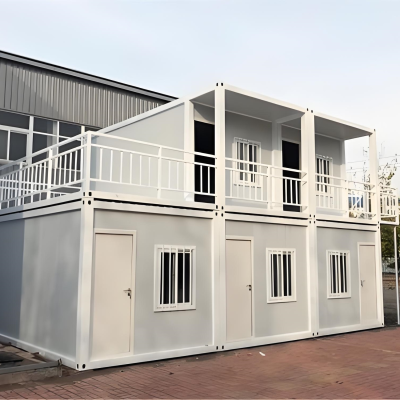


Comprehensive Sourcing Guide
Strategic Sourcing Guide for Container House Procurement
The global demand for modular and prefabricated housing solutions has surged, driven by the need for rapid deployment, cost efficiency, and structural resilience. Among these solutions, the Container House has emerged as a dominant category, offering a versatile alternative to traditional construction. For procurement professionals, navigating this market requires a disciplined approach that distinguishes between marketing assertions and verifiable product attributes. This guide provides a comprehensive framework for sourcing container houses, grounded in observed product specifications, compliance standards, and logistical realities. Buyers must prioritize technical due diligence to ensure that selected units meet specific operational requirements, from seismic safety to thermal insulation.
Technical Specifications and Structural Integrity
Understanding the technical baseline of a Container House is the first step in any procurement process. The core structure typically relies on a galvanized steel frame, which provides the necessary rigidity for stacking and transportation. In observed product data, the framing material is frequently described as galvanized steel with specific coating specifications, such as a weight of 180g and a stoving varnish thickness of 70 units, though buyers should verify these exact figures against the supplier's mill test certificates. The exterior and interior panels often utilize sandwich panel technology, which integrates insulation materials between steel skins to enhance thermal performance and structural strength.
Dimensions are a critical variable in Container House procurement. Standard configurations often align with shipping container metrics, such as 20FT or 40FT lengths, with widths typically standardized at 2.438 meters. Specific model observations indicate dimensions like 2.438m by 6.058m or 2.438m by 12.192m, suggesting that units can be customized or linked to create larger floor areas. The height is another specification to confirm, with some data points indicating a height of 2.620 meters. Buyers must clarify whether the unit is a single module or a multi-unit assembly, as this impacts foundation requirements and interior volume.
Structural resilience is paramount for safety, particularly in regions prone to extreme weather. High-confidence observations note wind resistance capacities exceeding 220 km/h and seismic resistance ratings above Grade 8. These figures represent significant engineering capabilities but should be treated as specific product attributes rather than universal guarantees for all listed units. When evaluating a potential supplier, procurement teams must request engineering drawings that explicitly validate these resistance ratings for the specific model being purchased.
Compliance, Certification, and Regulatory Standards
Navigating the certification landscape is essential for ensuring that container houses meet international safety and quality standards. The most frequently observed certifications in the market include ISO, CE, and BV (Bureau Veritas). Additionally, ISO9001 is a common standard cited, indicating adherence to quality management systems. However, the presence of a certification on a product listing does not automatically guarantee that every unit sold under that brand holds the same status. Buyers must verify the validity of these certificates with the issuing bodies and ensure they cover the specific manufacturing facility.
Standards compliance extends beyond general certifications to specific construction norms. Some product data references standards such as ISO 9001 and BV, while others mention specific product standards related to dimensions or material composition. It is crucial to distinguish between general quality management certifications and product-specific engineering standards. For instance, a unit claiming "ISO" compliance might refer to a general quality standard rather than a specific structural design code. Procurement teams should explicitly ask for the test reports associated with the wind and seismic resistance claims to ensure they align with local building codes in the destination country.
Cost Drivers and Pricing Dynamics
The pricing of container houses is influenced by a complex interplay of factors, including material costs, customization levels, and logistical expenses. Observed price ranges in the market vary significantly, spanning from $35 to $11,900 USD. This wide disparity reflects differences in unit size, material quality, finish levels, and the extent of customization. A basic, flat-packed unit will naturally be priced lower than a fully finished, customized apartment module with advanced insulation and interior fittings.
Material selection is a primary cost driver. Units constructed with sandwich panels generally command a higher price than those with simpler wall assemblies due to the integrated thermal insulation properties. Similarly, the type of steel frame and the quality of the galvanized coating affect the final cost. Customization is another significant variable; while many suppliers offer "customized" options, the scope of these changes—from door and window placement to interior partitioning—directly impacts the unit price. Buyers should be wary of low-cost offers that may compromise on material thickness or insulation R-values.
Logistics also play a substantial role in the total cost of ownership. The method of packing and transportation can either reduce or inflate expenses. Some models are designed for flat packing, allowing four units to be bundled into a single 20-foot container, which optimizes shipping volume and reduces freight costs. In contrast, fully assembled units require more space and may incur higher shipping fees. Procurement teams must calculate the "landed cost," which includes the unit price, freight, insurance, and any duties or taxes, rather than focusing solely on the factory gate price.
Typical Applications and Usage Scenarios
Container houses are highly versatile and serve a wide array of applications, making them suitable for diverse industry needs. Common usage scenarios include dormitories, temporary offices, workshops, and warehouses. The modular nature of these structures allows them to be deployed quickly in remote locations or as temporary housing for construction sites. Beyond industrial uses, they are increasingly utilized for residential purposes, such as mini-camps, hotels, apartments, and schools.
The adaptability of container houses extends to their ability to be combined and reconfigured. Their "easily movable" feature allows for relocation as project needs change, providing a flexible solution for businesses with fluctuating space requirements. For example, a construction company might use container houses as site offices and dormitories during a project and then relocate them to a new site upon completion. Similarly, the hospitality sector utilizes these units for eco-friendly accommodation, leveraging their "eco-friendliness" and rapid assembly capabilities.
Supplier Evaluation and Lead Time Management
Selecting the right supplier requires a thorough evaluation of their capabilities, location, and track record. The origin of the product is a key factor, with major manufacturing hubs identified in Shanghai and Shandong, China. Buyers should verify the specific factory location to assess the supplier's proximity to ports and their logistics network. A supplier based in a major port city may offer more efficient shipping options and better coordination with freight forwarders.
Lead time is another critical consideration in the procurement timeline. Observed delivery times for these units range from 10 to 15 days, but this can vary based on the complexity of the order and the supplier's current production load. Customized orders may require additional time for design approval and manufacturing adjustments. Buyers should establish clear milestones in their contracts, including production start dates, quality inspection points, and delivery deadlines. It is also important to understand the Minimum Order Quantity (MOQ), which can range from 1 set to 200 units depending on the supplier and the specific product model.
Quality Control and Inspection Protocols
Implementing a robust quality control (QC) protocol is essential to mitigate risks associated with purchasing container houses. Given the variation in product quality across the market, buyers should not rely solely on supplier claims. Instead, they should conduct pre-shipment inspections to verify that the units meet the agreed-upon specifications. Key areas of inspection include the structural integrity of the steel frame, the quality of the sandwich panels, and the functionality of doors and windows.
Inspection should also focus on the finishing details, such as the application of stoving varnish and the sealing of joints to ensure waterproof and leak-proof performance. The "waterproof" and "leak-proof" attributes are frequently cited, but their effectiveness depends on the quality of installation and the integrity of the sealing materials. Buyers should request a detailed inspection report that includes photos and measurements of critical components. For large orders, third-party inspection services can provide an unbiased assessment of the product quality before the units leave the factory.
Long-Term Procurement Considerations and Maintenance
Long-term value is determined by the durability and maintainability of the Container House. Warranty terms are a significant indicator of a supplier's confidence in their product. A standard warranty period observed in the market is one year, covering defects in materials and workmanship. However, buyers should negotiate extended warranty options or service agreements if the units are intended for long-term use in harsh environments.
Maintenance requirements should be factored into the total cost of ownership. While container houses are designed to be durable, regular inspections of the roof, walls, and foundation are necessary to prevent issues such as corrosion or water ingress. The "eco-friendliness" of these units is often linked to their ability to be recycled or repurposed at the end of their lifecycle, which can be a strategic advantage for organizations with sustainability goals. Additionally, the "fast installation" feature, which can be as quick as four hours per unit, reduces labor costs and minimizes the disruption to site operations.
Summary of Key Specifications and Comparison
To facilitate decision-making, the following table summarizes the key technical and logistical attributes observed in the market. This comparison highlights the variability in specifications and serves as a checklist for buyers to verify against supplier proposals.
| Attribute Category | Observed Specification / Range | Verification Requirement |
|---|---|---|
| Dimensions | 2.438m width; 6.058m or 12.192m length; 20FT/40FT options | Confirm exact L/W/H and floor plan layout |
| Materials | Galvanized Steel Frame; Sandwich Panels | Request material thickness and coating specs |
| Structural Safety | Wind >220km/h; Seismic >Grade 8 | Verify engineering drawings and test reports |
| Certifications | ISO, CE, BV, ISO9001 | Check certificate validity and scope |
| Packing | Flat Packing (4 units/20gp); Sea Worth Package | Confirm packing method and freight efficiency |
| Lead Time | 10-15 days (observed) | Confirm production schedule and customization impact |
| Warranty | 1 Year (standard) | Negotiate terms for extended coverage |
| Applications | Dormitories, Offices, Hotels, Schools, Warehouses | Ensure design matches intended use case |
In conclusion, sourcing container houses requires a meticulous approach that balances technical specifications, compliance, and cost considerations. By focusing on verified data and maintaining rigorous quality control standards, procurement professionals can secure reliable and efficient modular housing solutions. The flexibility of these units makes them an ideal choice for a wide range of applications, provided that the buyer conducts thorough due diligence on the specific model and supplier selected.
FAQs
How fast can container houses be assembled on site?
Assembly requires just four hours per unit. This rapid installation applies to standard models like SH101, enabling quick deployment for dormitories or temporary offices without extensive labor.
What certifications do these container houses typically hold?
Products often carry ISO, CE, and BV certifications. Buyers should verify specific documents for each model, as standards like ISO9001 indicate quality management but do not guarantee universal compliance for all units.
Can container houses withstand high winds and earthquakes?
Yes, they offer wind resistance exceeding 220 km/h and seismic resistance above Grade 8. These structural capabilities make them suitable for regions prone to extreme weather, though engineering drawings should be requested for validation.
What is the minimum order quantity for purchasing units?
The minimum order quantity ranges from one set to 200 units depending on the supplier. Some vendors accept single sets for customized models, while others may require larger volumes for standard configurations.
How are container houses packed for transportation?
Units are often flat-packed with four units bundled into one 20-foot container. This method optimizes shipping volume and reduces freight costs compared to fully assembled units that require more space.
What are the standard dimensions for these container homes?
Standard sizes include 2.438 meters by 6.058 meters or 2.438 meters by 12.192 meters. Customized options like 20FT or 40FT lengths are also available to meet specific project requirements.
Where are these container houses manufactured?
Manufacturing originates primarily from Shanghai and Shandong, China. Buyers should confirm the specific factory location to assess logistics efficiency and proximity to major shipping ports for international delivery.