Source Container Chassis for Heavy Haulage, Logistics, and Freight
Explore 30 verified Container Chassis options for global freight and logistics operations. Compare specifications including load capacity, suspension types, and axle brands to find the right semi-trailer for your transport needs; compare the available evidence and request quotations based on your requirements.
Key considerations
Products List


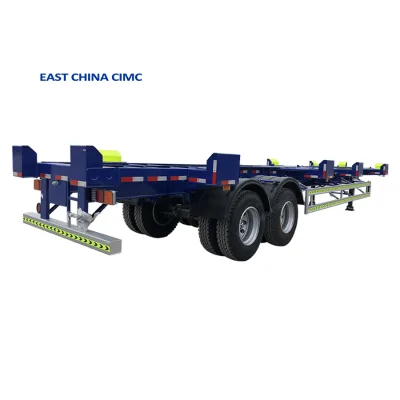


Semitrailer Long Lifespan Container Chassis for Port Hauling Custom Specs
$8000.00 - $14000.00
MOQ: 1 Unit

Semitrailer Long Life Cargo Chassis for Container Operations Standard Specs
$8000.00 - $14000.00
MOQ: 1 Unit


Container Transport Chassis Port Widely Used Terminal Chassis Custom Trailer
$8500.00 - $11700.00
MOQ: 1 Sets

Comprehensive Sourcing Guide
Container Chassis Sourcing Guide
Buyers must first distinguish between the specific chassis configurations available in the current market, as the data indicates a primary focus on 20ft and 40ft Container Chassis designed for heavy-duty transport. The observed listings reveal a clear segmentation where some units are specified as flatbed semi-trailers with a 50-ton load capacity, while others are explicitly defined as Container Chassis with a 40-ton payload limit. This distinction is critical because the structural requirements for a flatbed versus a dedicated Container Chassis differ significantly in terms of locking mechanisms and frame reinforcement.
Procurement teams should also note the variation in suspension systems and axle configurations that directly impact the vehicle's operational suitability. The market data shows options ranging from mechanical spring suspensions to air suspension systems, with axle capacities typically listed as 13-ton units from brands like BPW, FUWA, or CIMC. Understanding whether a supplier offers customizable suspension setups or fixed mechanical systems is essential for matching the chassis to specific road conditions and cargo weight distributions before initiating any purchase order.
Product Scope and Observed Listing Signals
The product scope for Container Chassis in this dataset is defined by specific dimensional standards and material compositions that buyers must verify against their logistical needs. Listings indicate standard dimensions such as 12450mm by 2500mm by 1550mm or 14000mm by 2500mm by 1500mm, constructed primarily from carbon steel or heavy-duty steel grades like Q345B. These physical attributes determine the chassis's ability to accommodate standard ISO containers and must be cross-referenced with the buyer's specific container sizes to ensure a proper fit without requiring costly modifications.
Buyers should also scrutinize the observed listing signals regarding customization and packaging, as these factors influence the final delivery and integration costs. The data confirms that customization is available for features like color and specific component brands, while packaging options range from bulk shipping to container packing. This variability means that a single listing might represent a base model that requires additional specification to meet a buyer's unique operational requirements, necessitating a detailed review of the product description to confirm if the listed attributes are standard or optional upgrades.
Technical Specifications to Verify
Technical verification must begin with the kingpin and landing gear specifications, as these are the primary interface points between the tractor unit and the trailer. The available data highlights kingpin options of 50# (2 inches) or 90# (3.5 inches) from manufacturers like Fuwa, alongside landing gear brands such as JOST, FUWA, or Yahua with a 28-ton capacity. Buyers must confirm that the selected kingpin size matches their existing tractor fleet and that the landing gear is rated for the specific axle load to prevent structural failure during coupling and decoupling operations.
The braking and tire systems represent another critical area for technical validation, particularly regarding the presence or absence of advanced safety features. While some listings specify an Emergency Relay Valve from Wabco, others explicitly state that the ABS Anti-lock Braking System is not included, which is a significant safety consideration for heavy loads. Additionally, tire specifications are listed as 12r22.5 with 12 pieces, but buyers must verify if this is a standard configuration or if other sizes are available, ensuring the tire load rating aligns with the 40-ton or 50-ton payload capacities observed in the product range.
Compliance and Safety Documentation
Compliance verification requires a rigorous check of the certification portfolio, as the market data presents a mix of standards including CCC, ISO, DOT, ECE, and GCC. Buyers must ensure that the specific unit they intend to purchase carries the certifications required for the destination market, as a chassis certified only for domestic Chinese use (CCC) may not be legally operable in regions requiring DOT or ECE approval. The presence of multiple certifications in a single listing suggests a supplier capable of meeting diverse regulatory environments, but the buyer must request the specific certificate for the serial number of the unit being purchased.
Safety documentation must also address the structural integrity and manufacturing standards, which are often implied through the material grades and design specifications. The listings mention heavy-duty I-beams and steel construction, but buyers should demand proof of compliance with relevant safety standards that govern load-bearing capacity and crashworthiness. Without explicit test results or safety reports in the provided data, procurement teams must treat the listed material grades as baseline observations and insist on third-party verification of the chassis's ability to safely handle the maximum payload claims of 40 to 50 tons.
Cost Drivers and Commercial Terms
Cost drivers in the Container Chassis market are heavily influenced by the choice of suspension system and the brand of critical components like axles and landing gear. The data indicates that air suspension is an optional upgrade over mechanical suspension, which typically commands a higher price point due to improved cargo protection and ride quality. Similarly, the selection of axle brands such as BPW or CIMC versus generic alternatives will significantly impact the total cost, requiring buyers to balance their budget constraints against the long-term reliability and maintenance costs associated with premium component brands.
Commercial terms regarding packaging and shipping logistics also play a pivotal role in the final landed cost of the equipment. The observed listings offer both bulk shipping and container packing options, with some units available in customizable configurations. Buyers must calculate the cost implications of these shipping methods, as bulk shipping may be more economical for large orders but requires specialized handling, whereas container packing ensures better protection during transit but incurs higher freight charges. Additionally, the minimum order quantity (MOQ) ranges from 1 to 500 units, allowing flexibility for both single-unit procurement and large fleet expansions.
Supplier Qualification and Quality Control
Supplier qualification should focus on the geographic origin and the specific manufacturing capabilities indicated in the product listings, which point to suppliers in Hunan and Shandong, China. These regions are known for heavy equipment manufacturing, but buyers must verify the specific factory's quality control processes rather than relying solely on the regional reputation. The presence of multiple certifications and the ability to offer customization suggests a mature supply chain, yet the buyer must confirm that the supplier has a dedicated quality assurance team to inspect the welding, painting, and assembly of each chassis before shipment.
Quality control protocols must extend to the verification of component authenticity, as the listings mention specific brands like Wabco, JOST, and Fuwa. Buyers should implement a strict incoming inspection process to ensure that the components installed on the chassis match the brand names and specifications promised in the contract. This is particularly important for safety-critical parts like the emergency relay valve and kingpin, where counterfeit or substandard components could lead to catastrophic failures. Establishing a clear quality agreement that defines acceptable tolerances and brand verification procedures is essential for mitigating these risks.
Long-Term Procurement Checks
Long-term procurement checks must prioritize the availability of spare parts and the supplier's commitment to after-sales support, as the chassis is a high-utilization asset. The data shows that components like tires, axles, and landing gear are available from various brands, but buyers must ensure that the supplier can provide a steady supply of genuine parts for the specific configuration purchased. A lack of support for proprietary or less common components could lead to extended downtime, making it crucial to negotiate service level agreements that guarantee parts availability for a defined period after delivery.
Buyers should also establish a framework for periodic performance reviews and maintenance audits to ensure the chassis continues to meet safety and operational standards over its lifecycle. The initial specifications, such as the 1820mm tread or 9000-10000mm wheelbase, serve as a baseline for maintenance schedules, but real-world wear and tear will dictate the actual service intervals. Regular inspections should verify that the suspension systems, braking mechanisms, and structural beams remain within safe operating limits, allowing the procurement team to make data-driven decisions regarding repairs, upgrades, or eventual replacement of the fleet.
FAQs
What certifications are available for Container Chassis?
Certifications include ISO, TSC, CCC, DOT, ISOCE, GCC, and ECE. These ensure compliance with international safety and quality standards. Buyers should verify specific requirements for their target market to ensure regulatory acceptance and smooth customs clearance during import processes.
What is the load capacity of these trailers?
The load capacity reaches up to 50 tons for heavy-duty models. Some variants support a maximum payload of 40 tons. This high capacity makes them suitable for transporting heavy container loads efficiently while maintaining structural integrity under demanding operational conditions.
Can the suspension system be customized?
Yes, customization is available for suspension systems. Options include mechanical spring suspension or air suspension. Buyers can select the type that best suits their cargo needs and road conditions, ensuring optimal ride quality and protection for sensitive containerized goods during transit.
What materials are used in construction?
Construction primarily uses carbon steel and heavy-duty steel materials. The main beam often features Q345B or ST52-3 grades. These materials provide the necessary strength and durability required for heavy-duty applications, ensuring long-term reliability and resistance to wear and tear.
What are the standard dimensions for these chassis?
Standard dimensions vary, including sizes like 12000mm by 2500mm by 1650mm. Other configurations measure 14000mm by 2500mm by 1500mm. These sizes accommodate standard 20ft and 40ft containers, providing versatile options for different logistics requirements and container types in global shipping operations.
Which axle brands are used in these trailers?
Axle brands include BPW, FUWA, and CIMC, with a capacity of 13 tons per axle. These reputable brands ensure reliable performance and durability. Buyers can often choose specific brands based on availability, cost, and specific performance requirements for their fleet operations.