Source Contemporary Silver Towel Rail for Bathrooms, Hotels, and Villas
Explore 30 listings for the Contemporary Silver Towel Rail suitable for bathrooms, hotels, and villas. Buyers can compare specifications, materials, and prices to find the right single towel bar or rack for their project needs; compare the available evidence and request quotations based on your requirements.
Key considerations
Products List


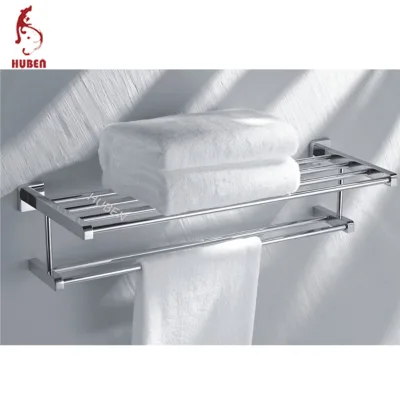


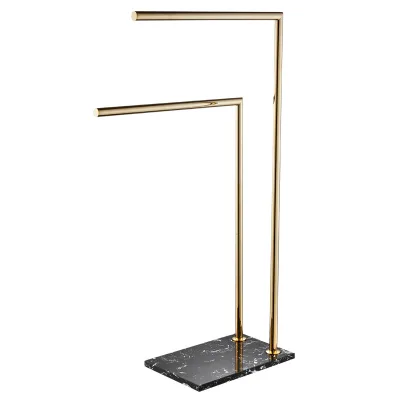


Classic Design Bathroom Accessory Wall Mount Silver Towel Ring Elegant Style
$4.70 - $6.10
MOQ: 20 Pieces


Custom Brass Long Bathroom Kitchen Golden Copper Wall Holder Towel Bar Rail
$15.50 - $18.50
MOQ: 100 Pieces
Comprehensive Sourcing Guide
Contemporary Silver Towel Rail Sourcing Guide
Sourcing contemporary silver towel rails requires a nuanced understanding of material composition, surface finishing, and structural integrity. Buyers must distinguish between stainless steel and brass variants, as both are prevalent in the market and offer distinct durability profiles. The silver finish is typically achieved through chrome plating or specific stainless steel polishing, which directly impacts corrosion resistance and aesthetic longevity. Understanding these material differences is critical for selecting the right product for high-humidity environments like bathrooms or villas.
The design landscape for these fixtures has shifted toward modern, minimalist aesthetics that prioritize clean lines and functional simplicity. Contemporary styles often feature single-bar configurations or integrated soap holders, catering to space-constrained bathrooms in apartments and hotels. Buyers should evaluate the mounting mechanism, whether wall-mounted via screws or fixed below a washbasin, to ensure compatibility with existing infrastructure. This attention to detail ensures that the selected towel rail not only complements the interior design but also meets practical usage demands.
Product Scope and Observed Listing Signals
Market listings for contemporary silver towel rails reveal a diverse range of product attributes that buyers must carefully evaluate. Observed data indicates a price range from $2.10 to $105.00 USD, reflecting significant variation in quality, material thickness, and brand positioning. The minimum order quantity (MOQ) typically spans from 1 to 500 units, offering flexibility for both small-scale renovations and large commercial projects. This wide variance suggests that buyers should align their procurement volume with their specific budget constraints and project scale.
Product specifications often include dimensions such as 1020460mm or 16mm thickness, alongside package sizes like 190109*70mm. These technical details are crucial for ensuring the towel rail fits within the designated bathroom space. Additionally, listings frequently mention available colors including silver, black, grey, and gold, allowing for customization to match existing bathroom fixtures. Buyers should verify these specifications against their design requirements to avoid mismatches in size or color, which can lead to costly returns or installation delays.
Technical Specifications to Verify
Verifying technical specifications is paramount to ensuring the longevity and functionality of contemporary silver towel rails. Buyers should confirm the main material, which is often stainless steel or brass, and check the finishing process, typically chrome plating, for uniformity and thickness. The weight per box, ranging from 0.24 to 0.47 kgs, can indicate the density and quality of the metal used. Thicker, heavier rails generally offer better stability and resistance to bending under load, making them suitable for holding heavier wet towels.
Mounting mechanisms and structural integrity are also critical technical aspects to verify. Listings may specify that the rail is fixed by screws below the washbasin or directly to the wall, which affects installation complexity and load-bearing capacity. Buyers should ensure that the mounting hardware is included and compatible with their wall type, whether tile, plaster, or concrete. Additionally, checking the number of bars and the overall length, often under 50cm, helps determine the rail’s capacity and suitability for the intended application, such as single towel use or multi-item storage.
Compliance and Safety Documentation
Compliance and safety documentation are essential for ensuring that contemporary silver towel rails meet regional regulatory standards. Buyers should request certifications such as CE, ROHS, ISO, GOST, TUV, and EAC, which indicate adherence to quality and safety benchmarks. These certifications are particularly important for commercial projects in hotels and villas, where liability and safety standards are strictly enforced. Verifying these documents helps mitigate risks associated with product failure or non-compliance with local building codes.
Warranty and after-sales service provisions are also key components of the compliance framework. Many suppliers offer a two-year warranty and online technical support, which provides buyers with recourse in case of manufacturing defects or installation issues. Buyers should clarify the terms of the warranty, including coverage for corrosion, finish peeling, or structural failure. Understanding the after-sales service landscape ensures that buyers can rely on supplier support throughout the product’s lifecycle, enhancing overall procurement confidence and reducing long-term maintenance costs.
Cost Drivers and Commercial Terms
Cost drivers for contemporary silver towel rails include material costs, finishing processes, and packaging requirements. Stainless steel and brass materials vary in price based on market fluctuations and purity levels. The chrome finishing process adds to the cost but enhances durability and aesthetic appeal. Packaging, often in cardboard boxes or cartons, also influences the final price, especially when considering bulk shipping and handling. Buyers should analyze these components to understand the true cost structure and negotiate effectively with suppliers.
Commercial terms such as MOQ, lead times, and payment conditions significantly impact procurement strategy. While some suppliers offer low MOQs of 1 unit, others may require orders of 500 units for optimal pricing. Lead times can vary based on production capacity and customization requests, such as specific colors or sizes. Buyers should establish clear communication regarding these terms to avoid delays and ensure timely delivery. Understanding the commercial landscape helps buyers align their procurement plans with project timelines and budget constraints.
Supplier Qualification and Quality Control
Supplier qualification is a critical step in sourcing contemporary silver towel rails, ensuring that partners meet quality and reliability standards. Buyers should verify the supplier’s location, with many originating from Guangdong, Zhongshan, or Fujian in China, regions known for metal fixture manufacturing. Assessing the supplier’s production capabilities, including customization options and design support, helps ensure they can meet specific project requirements. Buyers should also evaluate the supplier’s track record in delivering consistent quality and adhering to agreed-upon specifications.
Quality control measures, such as inspection of finishing uniformity and structural integrity, are essential for maintaining product standards. Buyers should request samples to verify the silver finish’s durability and the rail’s load-bearing capacity. Implementing pre-shipment inspections can help identify defects before products leave the factory, reducing the risk of receiving substandard goods. Establishing a robust quality control process ensures that buyers receive products that meet their expectations and perform reliably in real-world applications, enhancing customer satisfaction and brand reputation.
Long-Term Procurement Checks
Long-term procurement checks involve monitoring supplier performance and product durability over time. Buyers should track warranty claims and after-sales service responsiveness to assess the supplier’s commitment to quality. Regular feedback from end-users in bathrooms, hotels, or villas can provide insights into the towel rail’s performance under varying humidity and usage conditions. This data helps buyers make informed decisions about future orders and supplier relationships, ensuring continued satisfaction and value.
Sustainability and environmental impact are increasingly important factors in long-term procurement strategies. Buyers should inquire about the recyclability of materials and the environmental practices of the supplier. Choosing suppliers who adhere to eco-friendly manufacturing processes can enhance brand image and align with corporate sustainability goals. By integrating these checks into their procurement process, buyers can build resilient supply chains that support both operational efficiency and environmental responsibility, securing long-term success in the competitive bathroom fixture market.
FAQs
What materials are contemporary silver towel rails typically made from?
Contemporary silver towel rails are commonly made from stainless steel or brass with a polished chrome finish, which delivers the bright silver appearance. Stainless steel models resist rust in humid bathrooms, while brass versions offer solid weight and durability. Metal construction with wall-mounted screw fixing is standard, and finish quality varies between listed products, so confirm material details with each supplier.
Which finishes are available besides the standard silver chrome look?
Besides the classic silver chrome finish, listed products come in colors such as black, gold, grey, white, blue, orange, and yellow. Chrome remains the most popular choice for contemporary bathrooms because it matches most fixtures. Availability depends on the individual product and supplier, and some listings offer multi-color options, so request finish samples or photos before committing to a large order.
How are silver towel rails installed on the wall?
Most listed towel rails are fixed to the wall by screws, which provides a stable mount for daily towel use. Installation involves marking drill points, inserting anchors, and tightening the mounting screws beneath or behind the rail. Some models designed for placement below a wash basin are also fixed by screws. Wall-mounted installation keeps the rail secure and saves bathroom floor space.
What is the typical size and packaging of a single towel rail?
Listed single towel bars generally fall under 50 cm in length, suitable for compact bathrooms or placement beside a basin. Example packaging includes a box around 190 by 109 by 70 millimeters with a weight near 0.24 to 0.47 kilograms per box. Cartons typically hold 25 to 40 pieces, and cardboard box packing is common. Confirm exact dimensions per model before ordering.
Can I order a Contemporary Silver Towel Rail in small quantities?
Yes, minimum order quantities in this category range from 1 to 500 pieces depending on the listing, so low-volume and trial orders are possible. A MOQ of 1 piece allows you to evaluate quality before scaling up. Larger carton quantities, such as 25 or 40 pieces per carton, apply once you commit to bulk shipments. Always confirm the MOQ with the specific supplier.
Can contemporary silver towel rails be customized for a project?
Customization is listed as available in this category, and design styles such as modern are supported, with graphic design project solution capability mentioned by some suppliers. Customization may cover color, finish, or packaging, though at least one listing states customization is not allowed, so terms vary by product. Discuss your project requirements directly with the supplier and confirm feasibility in writing before ordering.
Which after-sale support and warranty terms apply to these towel rails?
After-sale service in this category is typically online technical support, which covers installation questions and troubleshooting after delivery. At least one listing offers a 2-year warranty on the towel rack, though warranty coverage differs between products. Because no universal certification is listed across all items, request warranty terms, service scope, and any relevant approvals in writing from each supplier before purchase.
How do I choose between stainless steel and brass towel rails?
Choose stainless steel when corrosion resistance and a lighter weight matter most, since it performs well in steamy bathrooms. Choose brass when you want a heavier, more solid feel and easier reshaping into decorative modern designs. Both are commonly finished in chrome for the silver look. Compare weight per box, finish quality, and wall-fixing hardware across listings to judge overall build quality.