Source Contemporary Single Span Green House for Vegetables Flowers
Explore 30 options for a Contemporary Single Span Green House suitable for vegetable, flower, and seedling cultivation. Buyers can compare steel structures, film covers, and ventilation systems to find the right solution for commercial use.
Key considerations
Products List

Easily Installed Commercial Green House Galvanized Frames Greenhouse Single Span Greenhouse
$4.00 - $7.00
MOQ: 120 Square Meters

Single Tunnel Greenhouse Manufacturingvegetable Garden Backyard Green House
$4.00 - $7.00
MOQ: 120 Square Meters

Good Quality Galvanized Steel Single-Span Greenhouses Tunnel Green House
$4.00 - $7.00
MOQ: 120 Square Meters

Green House Black Single-Span Agricultural Greenhouse with Blackout
$4.00 - $7.00
MOQ: 120 Square Meters

Professional Green Houses Commercial Agricultural Single Span Greenhouse for Sale
$4.00 - $7.00
MOQ: 120 Square Meters

Skillful Manufacture Dependable Performance Convenient and Superb Home Multi Span Greenhouse
$5.00 - $8.00
MOQ: 320 Square Meters


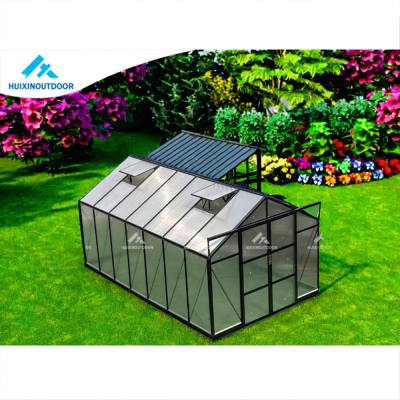


Durable Glass Green House for Sustainable Agricultural Practices
$15.00 - $50.00
MOQ: 200 Square Meters
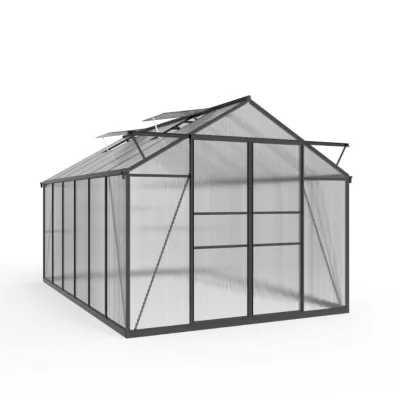
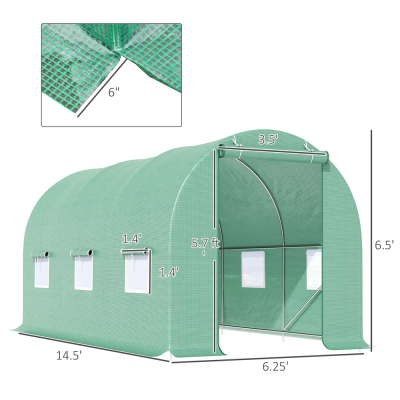

Comprehensive Sourcing Guide
Sourcing Strategy for Contemporary Single Span Greenhouses
Understanding the Single Span Agricultural Greenhouse Configuration
The contemporary single span greenhouse represents a foundational structure in modern agricultural procurement, distinguished by its independent roofline and lack of shared sidewalls with adjacent units. In the current market, these structures are frequently categorized under specific product attributes such as "Single-Span Agricultural Greenhouses" or "Single Span Agricultural Greenhouses." This configuration is particularly advantageous for facilities requiring modular expansion, as each unit operates independently, allowing for precise environmental control within specific zones. The structural footprint typically ranges from 6 to 10 meters in width, with lengths extending from 20 to 200 meters, and can be further customized to meet specific site requirements.
The primary architectural advantage of the single span design lies in its versatility regarding application. These units are engineered to support a diverse range of cultivation methods, including vertical farming and tunnel cultivation. The internal environment is optimized for growing vegetables, flowers, seedlings, and herbal medicines, making them suitable for commercial greenhouse operations that require high adaptability. The roof shape is a critical differentiator; while some contemporary models feature a shaped roof or a triangle molding for efficient water runoff, others may utilize a herringbone roof design depending on the specific manufacturer's engineering approach. The structural integrity is often maintained through a hot galvanized steel frame, which provides the necessary durability against environmental stressors while ensuring a long service life.
Technical Specifications and Material Composition
When evaluating a single span greenhouse, buyers must scrutinize the material composition of both the structural frame and the covering system. The frame material is a primary determinant of longevity and load-bearing capacity. In the observed market, high-confidence specifications indicate the use of hot galvanized steel with a coating of 275g/m², which offers robust protection against corrosion. For alternative configurations, aluminum alloy frames are also available, with aluminum thickness ranging from 1.5mm to 3.0mm. These frames are typically finished with a green, grey, or other powder-coated options to resist UV degradation and maintain aesthetic consistency.
The covering material is equally critical, as it dictates light transmission and thermal retention. The market presents a dichotomy of options: film-based covers and glass panels. Film covers are commonly specified with thicknesses of 150 or 200 microns, providing a cost-effective solution for general agricultural use. Conversely, glass structures utilize 4mm tempered glass panels, offering superior clarity and durability for high-value crop production. The basic components of these greenhouses invariably include the structure and the covering film, though some advanced models integrate air ventilation systems as a standard feature.
| Component | Material Options | Key Specifications |
|---|---|---|
| Frame | Hot Galvanized Steel, Aluminum Alloy | Steel: 275g/m² coating; Aluminum: 1.5-3.0mm thickness |
| Covering | Polyethylene Film, Tempered Glass | Film: 150/200 micron; Glass: 4mm tempered |
| Roofing | Shaped Roof, Herringbone Roof, Triangle Molding | Designed for ventilation and water runoff |
| Doors | Double Sliding Doors | Integrated for access and airflow management |
Environmental Control and Operational Systems
The functionality of a single span greenhouse is heavily dependent on its integrated environmental control systems. While the basic structure provides the shell, the operational efficiency relies on optional systems that can be added during the procurement phase. Buyers should verify the availability of cooling systems, irrigation systems, heaters, and lighting solutions. The heating method is a specific point of differentiation; some units are designed for temporary heating, suitable for seasonal crop protection, while others support continuous heating for year-round production.
Ventilation is another critical operational parameter. Contemporary single span models typically feature side and top ventilation mechanisms to regulate temperature and humidity. The roof molding, often in a triangle shape, facilitates this airflow while maintaining structural rigidity. The wind resistance of these structures is a vital safety metric, with observed specifications indicating a capacity to withstand wind speeds between 130 and 140 km/h. Similarly, the snow load capacity is a crucial factor for regions with heavy winter precipitation, with standard ratings observed at 80 kg/sqm. These numerical thresholds serve as benchmarks for buyers to verify against local climatic data, ensuring the selected structure can withstand regional weather patterns without structural failure.
Compliance, Certification, and Safety Standards
Navigating the compliance landscape for agricultural greenhouses requires a careful review of available certifications and adherence to relevant standards. In the current market, the CE certification is a documented attribute for certain greenhouse models, indicating compliance with European safety, health, and environmental protection requirements. However, buyers must exercise caution and verify that this certification applies to the specific unit being purchased, as it may not be universal across all suppliers or product lines.
While background knowledge may reference standards such as EN 10346, which pertains to cold-rolled steel products, buyers should not assume this standard applies automatically to every greenhouse frame without explicit confirmation from the supplier. Instead, the procurement strategy should focus on verifying the specific material certifications and structural test results provided by the manufacturer. The instruction for use is another compliance-related aspect; reputable suppliers typically provide installation videos and detailed drawings to ensure the structure is assembled correctly, which is essential for maintaining warranty validity and safety compliance.
Cost Drivers and Procurement Economics
The cost of a single span greenhouse is influenced by a complex interplay of factors, including material selection, customization levels, and the scope of optional systems. The observed price range in the market is extensive, spanning from $1.2 to $1500, though this likely reflects unit costs for specific components or varying scales of operation rather than a complete turnkey structure price. The minimum order quantity (MOQ) also varies significantly, ranging from 1 unit to 5000 units, indicating that buyers can source single units for pilot projects or large batches for commercial deployment.
Key cost drivers include the choice between film and glass coverings, the thickness of the aluminum or steel frame, and the inclusion of advanced systems like irrigation or heating. Customization is a major factor; while standard sizes are available, the ability to customize length and width (e.g., 8m to 112m) often incurs additional engineering and manufacturing costs. The advantage of these structures is often cited as "easy installed" and "economic," suggesting that the single span design offers a favorable balance between initial capital expenditure and long-term operational efficiency. Buyers should request detailed quotations that break down the cost of the basic structure versus optional add-ons to make informed financial decisions.
Supplier Evaluation and Quality Assurance
Evaluating suppliers for single span greenhouses requires a focus on their technical capabilities and track record. The manufacturer "Dorisun" is identified in the market data as a source for these products, originating from Henan, China. However, buyers should not limit their search to a single entity but rather evaluate multiple suppliers based on their ability to meet specific technical requirements. Key evaluation criteria include the supplier's ability to provide installation videos and drawings, their responsiveness to customization requests, and their adherence to the specified material standards.
Quality control should be integrated into the procurement process from the outset. Buyers must verify that the "Hot Galvanized Steel" meets the 275g/m² specification and that the "Tempered Glass" is indeed 4mm thick. The frame color, typically green or grey powder-coated, should be inspected for uniformity and resistance to chipping. Furthermore, the supplier's capacity to deliver optional systems like cooling and irrigation should be assessed to ensure compatibility with the main structure. The "Easy Installed" and "Economic" advantages are only realized if the components are manufactured to precise tolerances and the assembly instructions are clear and accurate.
Long-Term Procurement and Maintenance Considerations
Long-term procurement planning for single span greenhouses extends beyond the initial purchase to include maintenance, scalability, and lifecycle management. The "Double Layer" attribute observed in some models suggests potential for enhanced insulation, which can reduce heating costs in colder climates. The "Single Span" configuration allows for future expansion; as a farm grows, additional single units can be added without the structural complexities associated with multi-span designs.
Buyers should consider the durability of the materials in the context of their specific location. The "Outdoor" designation confirms the structure's suitability for external use, but the specific climate of the installation site will dictate the required wind and snow load ratings. Regular maintenance of the covering film or glass panels is essential to maintain light transmission and structural integrity. The availability of replacement parts and the supplier's support for repairs should be factored into the decision-making process. By selecting a structure with high-confidence specifications and verified certifications, buyers can ensure a reliable asset that supports their agricultural operations for years to come.
FAQs
What materials are used for the frame of these greenhouses?
The frame is constructed from hot galvanized steel with a 275g/m² coating or aluminum alloy with thickness between 1.5mm and 3.0mm. These materials ensure durability and resistance to corrosion for long-term outdoor use.
Which covering materials are available for single span greenhouses?
Buyers can choose between polyethylene film with thicknesses of 150 or 200 microns or 4mm tempered glass panels. The selection depends on the specific crop requirements and budget constraints for the commercial operation.
Can these greenhouses be customized for specific site dimensions?
Yes, customization is available for length ranging from 20 to 200 meters and width from 6 to 10 meters or up to 112 meters. This flexibility allows the structure to fit various agricultural plots and expansion plans.
How is ventilation managed in these agricultural structures?
Ventilation is handled through side and top ventilation systems integrated into the shaped or herringbone roof design. This configuration ensures proper airflow and temperature regulation for growing vegetables, flowers, and seedlings.
What is the wind resistance capacity of these greenhouses?
The structures are engineered to withstand wind speeds between 130 and 140 km/h. This high resistance rating ensures safety and structural integrity during severe weather conditions in outdoor commercial farming environments.
Which optional systems can be added to the greenhouse?
Optional systems include cooling systems, irrigation systems, heaters, and lights to enhance operational efficiency. These add-ons allow for precise environmental control suitable for vertical farming or tunnel cultivation methods.