Source Contemporary Square Stopper Faucet Mount for Bathroom, Kitchen, and Commercial Use
Find and compare 30 Contemporary Square Stopper Faucet Mount options for bathroom, kitchen, and commercial applications. Evaluate features like induction functionality, brass construction, and single-handle designs to select the right fixture for your project.
Key considerations
Products List




Comprehensive Sourcing Guide
Contemporary Square Stopper Faucet Mount Sourcing Guide
Sourcing contemporary square stopper faucet mounts requires a careful balance between aesthetic precision and functional reliability. The modern bathroom fixture market has seen a surge in demand for geometric, minimalist designs that complement both residential and commercial interiors. Buyers must navigate a landscape where visual appeal is often prioritized, yet the underlying mechanical integrity remains the primary determinant of product longevity. This guide provides a structured approach to evaluating suppliers, verifying technical specifications, and ensuring compliance with international standards for these specific types of basin faucets.
The procurement process for square stopper faucets involves distinct considerations regarding material composition, surface finishing, and installation requirements. Unlike traditional rounded fixtures, square designs demand tighter manufacturing tolerances to maintain sharp lines and prevent water pooling in corners. Furthermore, the integration of a stopper mechanism adds complexity to the internal structure, requiring robust ceramic valves and precise alignment. This guide outlines the critical steps for buyers to mitigate risk, optimize cost, and secure high-quality supply chains for these specialized bathroom components.
Product Scope and Observed Listing Signals
The current market for contemporary square stopper faucets exhibits a wide range of price points, typically observed between $3 and $161.70 USD, reflecting significant variations in material quality, brand positioning, and manufacturing origin. This broad spectrum indicates that buyers can find options suitable for both budget-conscious projects and premium luxury installations. However, the price disparity often correlates with the thickness of the brass casting, the durability of the surface finish, and the precision of the internal ceramic spool. Understanding these price drivers is essential for aligning procurement budgets with project requirements without compromising on essential performance metrics.
Minimum Order Quantities (MOQs) in this category generally range from 1 to 300 units, offering flexibility for both small-scale retailers and large-scale distributors. Lower MOQs are often available for standard models or those with customizable packaging, while higher volumes may unlock better pricing tiers or dedicated production lines. Buyers should note that many suppliers offer OEM/ODM services, allowing for custom branding, packaging, and even minor design adjustments. This flexibility is particularly valuable for private label brands seeking to differentiate their product lines with unique square designs while maintaining the functional reliability expected by end-users.
Technical Specifications to Verify
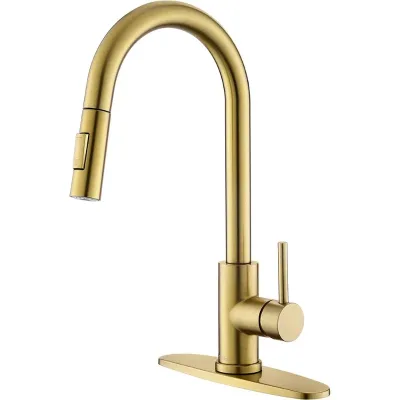
Material composition is the most critical technical factor in selecting a square stopper faucet. High-quality brass casting is the industry standard for durability and corrosion resistance, with many suppliers specifying "High Quality Brass Casting" for the body material. Buyers must verify the specific brass alloy grade, as inferior materials can lead to dezincification and premature failure. Additionally, surface finishing plays a crucial role in both aesthetics and maintenance. Common finishes include chrome, brushed brass, matte black, and brushed gold, each requiring specific care instructions. The choice of finish should align with the intended application, considering factors such as water hardness and cleaning frequency.
The functional design of the faucet must be evaluated for ease of use and water flow efficiency. Single-handle, single-hole installations are prevalent in contemporary designs, offering sleek aesthetics and intuitive temperature control. Buyers should verify the type of spool used, with ceramic spools being the preferred choice for their leak-proof performance and long service life. The effluent effect should provide an even and soothing water flow, which is often achieved through aerator integration. Additionally, the stopper mechanism must operate smoothly, with auger-type or lift-up designs being common. Ensuring that the water outlet style is nonrotatable or appropriately flexible depends on the specific installation needs and user preferences.
Compliance and Safety Documentation
Certification is a non-negotiable aspect of faucet procurement, ensuring that products meet regional safety and performance standards. The CE mark is a common certification observed in listings, indicating compliance with European health, safety, and environmental protection standards. Buyers must verify that the certification is valid and covers the specific models being ordered. Additionally, other regional certifications such as WaterSense in the US or WELS in Australia may be required depending on the target market. These certifications often mandate specific water efficiency standards, which can impact the design of the aerator and internal flow restrictors.
Beyond product certification, documentation related to material safety and environmental impact is increasingly important. Buyers should request test reports that confirm the absence of harmful substances such as lead, ensuring that the faucet is safe for potable water use. While specific numerical limits for lead content are not detailed in the provided context, buyers must adhere to local regulations, such as the Lead-Free Act in the US, which typically requires a weighted average lead content of 0.25% or less. Suppliers should be able to provide material safety data sheets (MSDS) and compliance certificates to substantiate these claims.
Cost Drivers and Commercial Terms
The cost of contemporary square stopper faucets is influenced by several key factors, including material costs, manufacturing complexity, and surface finishing techniques. Brass prices fluctuate based on global market conditions, directly impacting the final product cost. The complexity of the square design, which requires precise machining and polishing, can also add to manufacturing expenses. Surface finishes such as matte black or brushed gold often involve additional coating processes, which can increase costs compared to standard chrome finishes. Buyers should analyze these cost drivers to understand the value proposition of different suppliers and models.
Commercial terms, including payment methods, shipping arrangements, and after-sales support, play a significant role in the overall procurement strategy. Many suppliers offer free spare parts as part of their after-sales service, which can reduce long-term maintenance costs for buyers. Custom packaging options are also available, allowing buyers to optimize shipping volume and protect products during transit. Buyers should negotiate clear terms regarding warranty periods, return policies, and liability for defective products. Establishing a strong relationship with suppliers who offer reliable OEM/ODM services can also provide long-term benefits in terms of product development and market responsiveness.
Supplier Qualification and Quality Control
Supplier qualification is essential to ensure consistent product quality and reliable delivery. Buyers should conduct thorough due diligence on potential suppliers, verifying their manufacturing capabilities, quality control processes, and business history. Factories located in established manufacturing hubs such as Jiangmen, Guangdong, and Zhejiang, China, often have mature supply chains and experienced workforces. However, buyers must verify that the supplier has the specific expertise to produce square stopper faucets with the required precision and finish quality. Requesting samples and conducting third-party inspections can help validate the supplier's claims and capabilities.
Quality control measures should be implemented throughout the production process, from raw material inspection to final packaging. Buyers should require suppliers to adhere to strict quality standards, including checks for surface defects, functional performance, and dimensional accuracy. The use of high-quality brass casting and ceramic spools should be verified through material testing. Additionally, packaging should be robust enough to prevent damage during transit, with options such as inner boxes and card paper packaging being common. Establishing clear quality acceptance criteria and conducting regular audits can help maintain product consistency and reduce the risk of defects.
Long-Term Procurement Checks
Long-term procurement success depends on continuous monitoring of supplier performance and market trends. Buyers should establish key performance indicators (KPIs) to track metrics such as on-time delivery, product quality, and responsiveness to issues. Regular communication with suppliers is essential to address any emerging challenges and to explore opportunities for product improvement. Staying informed about industry trends, such as new finishes or innovative stopper mechanisms, can help buyers remain competitive and meet evolving customer demands.
Sustainability and ethical sourcing are becoming increasingly important considerations in the faucet industry. Buyers should inquire about suppliers' environmental policies, including waste management, energy usage, and responsible sourcing of raw materials. Certifications such as REACH, which regulates the use of hazardous substances in the EU, may be relevant for buyers targeting European markets. By prioritizing sustainable practices, buyers can enhance their brand reputation and contribute to a more responsible supply chain. Regularly reviewing and updating procurement strategies ensures that buyers remain aligned with both business objectives and societal expectations.
FAQs
How is the water flow quality of this faucet?
The faucet delivers an even and soothing water flow for a comfortable experience. This feature is standard across the contemporary square stopper models listed, ensuring consistent performance without splashing or turbulence during daily use.
What material is used for the faucet body?
The body is constructed from high-quality brass casting for durability. Some models also utilize stainless steel or aluminum alloy, providing robust resistance to corrosion and ensuring long-term reliability in bathroom environments.
Can I customize the packaging for this product?
Yes, customization is available for packaging requirements. The standard packing includes one piece per inner box or card paper, but buyers can request specific custom packaging solutions to meet their branding or shipping needs.
Which certification does the product hold?
The product holds CE certification to meet safety standards. This certification indicates compliance with relevant European health, safety, and environmental protection requirements, ensuring the faucet is safe for general basin usage.
How is the faucet installed on the sink?
Installation is deck mounted with a single hole structure. This design allows for easy setup on standard bathroom basins, and the elegant smooth line sense complements contemporary styles while simplifying the mounting process.
What after-sales service is provided for defects?
Free spare parts are provided as part of the after-sales service. This support ensures that any minor component issues can be resolved quickly without additional cost, maintaining the functionality of the faucet over time.
Which surface finishing options are available?
Available finishes include chrome, brushed, and matte black options. These surface treatments are applied to brass or stainless steel bodies to provide aesthetic variety while maintaining resistance to wear and fingerprints in bathroom settings.