Source RF Remote Control Socket for Commercial, Industrial, and Residential Use
Find 30 RF Remote Control Socket options from Mainland China suppliers. Compare specifications like IP ratings, voltage, and remote distance to select the right portable socket-outlet for commercial, industrial, or residential applications.
Key considerations
Products List


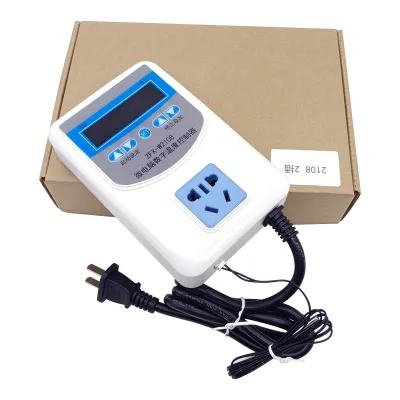
Long Distance RF Remote Control Rechargeable Remote Control 15km Remote Control
$26.00 - $29.00
MOQ: 20 Pieces


Comprehensive Sourcing Guide
Strategic Sourcing Guide for RF Remote Control Socket Solutions
The global demand for intelligent electrical control systems has elevated the RF Remote Control Socket to a critical component in modern infrastructure. For B2B procurement professionals, sourcing these devices requires a nuanced understanding of technical specifications, regulatory compliance, and supply chain reliability. Unlike standard fixed wiring, RF-enabled sockets introduce wireless communication layers that demand rigorous verification of signal integrity, power handling, and environmental durability. This guide provides a structured framework for evaluating suppliers and products, ensuring that procurement decisions are grounded in verifiable data rather than marketing assertions.
Technical Architecture and Operational Specifications
The core functionality of an RF Remote Control Socket relies on the seamless integration of a radio frequency receiver with a standard electrical outlet. The primary technical differentiator in this category is the communication protocol and range. In the current market, the 433.92MHz frequency band is a standard configuration for these devices, offering a balance between signal penetration and regulatory compliance in most regions. Buyers must verify that the specific unit supports a remote distance of at least 30 meters for general residential or light commercial use, while industrial applications may require units capable of operating over distances ranging from 50 to 500 meters.
Power handling capabilities are equally critical. The electrical interface must match the load requirements of the connected appliances. Common specifications include a maximum current rating of 10A or 16A, with a maximum voltage of 220V. These ratings dictate the safety margin for the internal relay and the thermal management of the device. The bulb holder interface, often standardized as E27 for lamp applications, must be compatible with the intended load type. Furthermore, the power source for the remote control unit is typically battery-operated, necessitating a check on battery life and replacement accessibility. The operating temperature range is another vital parameter; devices intended for harsh environments must withstand temperatures from -20°C to 50°C to ensure consistent performance without signal degradation or component failure.
Compliance and Certification Verification
Navigating the regulatory landscape is a non-negotiable aspect of sourcing electrical components. In the context of RF remote control sockets, the presence of CE and RoHS certifications is a baseline requirement for market entry in Europe and many other jurisdictions. These certifications indicate that the product meets specific safety, health, and environmental protection standards. The CE mark confirms conformity with health, safety, and environmental protection standards for products sold within the European Economic Area, while RoHS (Restriction of Hazardous Substances) ensures that the device is free from specific hazardous materials.
Buyers should not rely solely on the presence of a logo on the product packaging. Instead, procurement teams must request valid certification documentation that explicitly lists the product model number. For instance, models such as KA-FRS01B-IP44 or KA-RLH04-4 may carry specific certification claims that need cross-referencing with the official test reports. Additionally, the IP Rating (Ingress Protection) is a crucial indicator of environmental resilience. While some units are rated IP20 for indoor use, others designed for commercial or industrial settings may feature higher ratings like IP44, indicating protection against solid objects larger than 1mm and water splashes. Verifying that the IP rating matches the intended installation environment prevents premature failure due to dust or moisture ingress.
Cost Drivers and Pricing Dynamics
The pricing structure for RF remote control sockets is influenced by a complex interplay of factors, including material composition, feature set, and order volume. The observed price range in the market spans from approximately $0.21 to $29.00 USD, a variance that reflects significant differences in product quality and functionality. The lower end of the spectrum typically corresponds to basic models with standard plastic housing, often made from PC (Polycarbonate) material, which offers good impact resistance and thermal stability. Higher-priced units often incorporate advanced features such as remote control capabilities, enhanced IP ratings, or specialized packaging.
Material costs play a substantial role in the final price. The use of high-grade PC for the housing ensures durability and fire resistance, which is essential for compliance with safety standards. The internal components, including the RF receiver module and the relay mechanism, also contribute to cost variations. Units with a "With Remote Control" feature set inherently cost more than standard sockets due to the added complexity of the wireless module. Furthermore, the packaging style, whether a standard blister package or a customized color box, impacts the unit cost. Customized packaging is often required for private-label projects, adding a premium to the per-unit price but enhancing brand visibility for the end buyer.
Application Scenarios and Usage Contexts
RF remote control sockets are versatile solutions deployed across a wide array of sectors, including commercial, industrial, hospital, and residential environments. In residential settings, these devices offer convenience for controlling lighting and small appliances, allowing users to manage power from a distance. The "Style: Socket-Outlet for Appliances" attribute suggests their suitability for powering a variety of household devices. In commercial and industrial applications, the focus shifts to reliability and safety. The "Standard Grounding" feature is essential in these contexts to prevent electrical shocks and ensure equipment safety.
The "Installation: Portable Socket-Outlet" attribute indicates that many of these units are designed for flexibility, allowing them to be moved or repositioned as needed without permanent wiring changes. This is particularly valuable in hospital settings where equipment layouts may change frequently, or in industrial facilities where temporary power solutions are required for machinery. The "Type: With Remote Control" feature enables centralized management of power distribution, which can be integrated into broader building automation systems. When selecting a socket for a specific application, buyers must ensure that the IP Rating and Operating Temperature range align with the environmental conditions of the site. For example, an outdoor industrial application would require an IP44-rated unit capable of withstanding temperature fluctuations, whereas an indoor office environment might only require an IP20-rated device.
Supplier Evaluation and Supply Chain Reliability
Selecting the right supplier is as important as selecting the right product. The origin of the product, often Mainland China or specifically Guangdong, China, is a key factor in the supply chain dynamics. Suppliers from these regions typically offer competitive pricing and a wide range of customization options. However, buyers must evaluate the supplier's capacity to meet delivery timelines. The observed delivery times for samples are typically within 2 days, while bulk order delivery times can range from 20 to 25 days. These lead times are critical for project planning, especially when inventory levels are tight or when time-sensitive deployments are required.
MOQ (Minimum Order Quantity) is another significant consideration. The market shows an MOQ range from 1 to 3000 units, providing flexibility for both small-scale testing and large-scale production runs. Buyers should verify if the supplier offers customization services, such as customized color boxes or specific branding, which can be crucial for private-label strategies. The "Customization: Available" attribute suggests that suppliers are willing to adapt packaging and potentially product features to meet specific client needs. Additionally, the warranty period, often cited as two years, serves as an indicator of the supplier's confidence in their product quality. A robust warranty policy can mitigate the financial risk associated with product failures and underscores the supplier's commitment to after-sales support.
Quality Control and Long-Term Procurement Considerations
Ensuring consistent quality in RF remote control sockets requires a proactive approach to quality control. Buyers should implement a rigorous inspection protocol that includes verifying the physical integrity of the PC housing, checking the functionality of the RF receiver, and testing the electrical connections for continuity and grounding. The "Standard Grounding" feature must be tested to ensure it provides a safe path for fault currents. Additionally, the RF signal strength and range should be tested in the actual installation environment to confirm that the claimed remote distance is achievable under real-world conditions.
Long-term procurement considerations involve building a sustainable relationship with suppliers who can guarantee consistent quality over time. The "Warranty: Two Years" clause is a standard benchmark, but buyers should also inquire about the supplier's process for handling defective units and their policy on spare parts availability. The ability to source replacement parts or remanufactured units can be crucial for maintaining operations in critical environments like hospitals or industrial plants. Furthermore, buyers should monitor the supplier's adherence to evolving standards and certifications. As regulations change, suppliers must be able to adapt their products to remain compliant, ensuring that the supply chain remains uninterrupted.
In conclusion, sourcing RF remote control sockets requires a meticulous approach that balances technical specifications, regulatory compliance, and supply chain reliability. By focusing on verified attributes such as certification status, IP ratings, and delivery timelines, buyers can make informed decisions that align with their operational needs. The diversity of the market, with options ranging from basic portable sockets to advanced remote-controlled units, offers significant opportunities for customization and optimization. However, the complexity of these products demands a thorough evaluation process to ensure that the selected solutions deliver the performance and safety required for their intended applications.
FAQs
What certifications do these sockets have?
These sockets carry CE and RoHS certifications to ensure compliance with safety and environmental standards. The product documentation explicitly lists these certifications for models like KA-FRS01B-IP44, confirming they meet regulatory requirements for the European Economic Area and restrict hazardous substances.
How long does delivery take for bulk orders?
Bulk order delivery typically occurs within 20 to 25 days from the supplier. While sample delivery is faster, usually within two days, the standard timeline for large quantity shipments is specified as within 20 days, with some variations extending to 25 days depending on order volume.
Can I customize the packaging for these products?
Yes, customization is available for packaging options including color boxes or blister packs. Suppliers offer customized color boxes or heat-sealed blister packages to meet specific branding needs, allowing buyers to adapt the presentation for private-label projects or specific market requirements.
What is the maximum current rating for these sockets?
The maximum current rating varies by model, with options available for 10A and 16A loads. Specific units like the KA-ARS13 support 10A, while others are rated for 16A, ensuring compatibility with different appliance power requirements and providing necessary safety margins for electrical connections.
Which remote control frequency is used for these devices?
These devices operate on the 433.92MHz RF frequency band for reliable wireless communication. This standard frequency allows for a remote distance of up to 30 meters for general use, while other models support extended ranges between 50 to 500 meters for broader industrial applications.
What is the warranty period for these sockets?
The standard warranty period provided is two years for these electrical components. This warranty reflects the supplier's confidence in product durability and offers buyers protection against defects, ensuring long-term reliability for commercial, industrial, and residential installations.
Where are these products manufactured?
These products originate from Mainland China, with specific manufacturing capacity located in Guangdong. The supply chain is established in this region, which supports competitive pricing and a wide range of customization options for international B2B procurement needs.