Source Continuous Gas Oil Bentonite Dryer for clay, minerals, and chemicals
Find 30 verified listings for the Continuous Gas Oil Bentonite Dryer to compare specifications like flow type, drying medium, and capacity. Buyers can evaluate options ranging from 0.8 to 8.1 tons per hour with customizable models and standard export packaging.
Key considerations
Products List


Energy Saving Industrial Drying Machine Equipment Rotary Dryer Bentonite Rotary Dryer
$15000.00 - $58000.00
MOQ: 1 Sets


Advanced Bentonite Rotary Dryer for Efficient Soil and Clay Drying
$30000.00 - $80000.00
MOQ: 1 Pieces

High Performance Wet Clay Soil Drying Machine Bentonite Rotary Drum Dryer
$30000.00 - $80000.00
MOQ: 1 Pieces


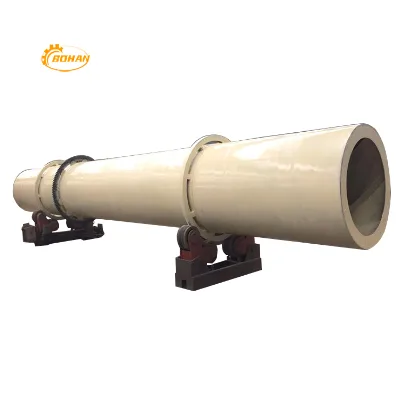


Continuous Belt Dryer for High Moisture Bentonite Clay with Uniform Drying Effect
$52000.00 - $96000.00
MOQ: 1 Sets


Bentonite Dryer for Ceramics and Refractory Materials as Plasticizer and Binder
$58000.00 - $78000.00
MOQ: 1 Sets


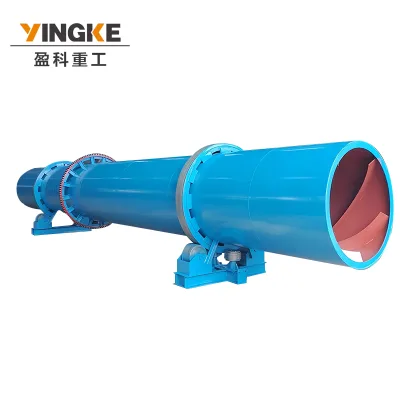
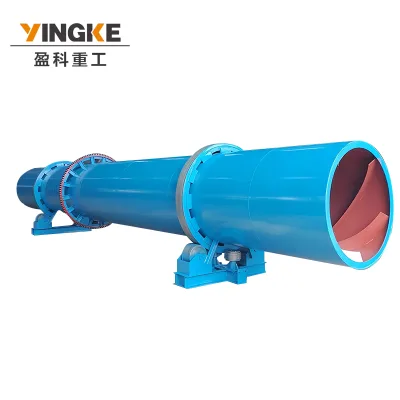


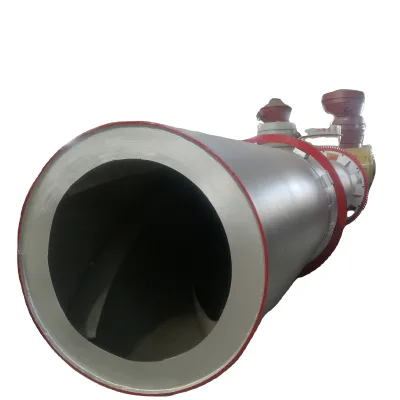
Comprehensive Sourcing Guide
Strategic Sourcing Guide for Continuous Gas Oil Bentonite Dryers
Understanding the Technical Architecture of Rotary Dryers
When sourcing a Continuous Gas Oil Bentonite Dryer, the primary objective is to identify equipment capable of handling the specific thermal and physical properties of bentonite clay while maintaining operational continuity. The core technology for this application typically involves a rotary dryer structure, which is explicitly identified in available product data as a "Rotary Type Drier." This mechanical configuration is essential for processing bulk materials, as it allows for the continuous movement of raw materials through a heated zone. The movement of the material within the dryer is a critical design parameter; observed configurations include combined movement, agitation, and specific flow patterns such as contra-flow, cross-flow, and parallel flow. Each flow pattern dictates the thermal efficiency and the final moisture content of the bentonite.
The heating mechanism for these units often relies on transmission modes, utilizing various drying media to achieve the necessary thermal energy transfer. The available data indicates that these dryers can operate with effluent gas, superheated steam, inactive gas, or air as the drying medium. For gas oil applications, the system must be capable of sustaining high input temperatures, with observed ranges extending from 0 to 700 degrees Celsius. The operational temperature within the drying chamber is frequently maintained between 600 and 750 degrees Celsius to ensure effective moisture removal. The physical dimensions of the dryer are equally significant; standard models observed in the market feature a length of approximately 12 meters and a diameter of 1.8 meters, providing the necessary residence time for the material to dry thoroughly.
The atomization method, while more commonly associated with spray dryers, is also a relevant consideration for the drying medium distribution in certain hybrid systems. Data points suggest the availability of both pressure atomization and rotary atomization technologies. The material status of the bentonite being processed can vary significantly, appearing as bulk, strap, powder, or solution. The dryer must be versatile enough to handle these states, with the final appearance of the dried sample typically resulting in a powder, pellet, or dust form. The structural integrity of the machine is supported by raw materials such as Q235 and Q345 steel, ensuring durability under high-temperature and high-load conditions.
Operational Parameters and Performance Metrics
Evaluating the operational capabilities of a continuous bentonite dryer requires a close examination of its capacity, speed, and power requirements. The throughput of these machines varies based on the specific model and configuration. Observed capacity figures indicate an output range of 0.8 to 2.5 tons per hour for certain models, while others may reach capacities between 6.5 and 8.1 tons per hour. This variance suggests that buyers must align their production volume needs with the specific model selection, as the "DDMG," "DD," "DDRK," and "JT" model designations correspond to different performance tiers.
The rotational dynamics of the dryer are critical for ensuring uniform drying. The inclination of the dryer cylinder is typically set between 3% and 5%, which facilitates the gravity-driven movement of the material from the feed end to the discharge end. The rotation speed is another key variable, with observed operational ranges falling between 3 and 8 revolutions per minute (R/Min). This speed must be synchronized with the feed rate to prevent material accumulation or excessive throughput that could compromise drying quality. The motor power required to drive these systems also varies; specific models are equipped with motors rated at 4 kilowatts, while others may require 18.5 kilowatts depending on the size and load.
Weight is a significant logistical factor for installation and foundation design. The observed weight for a standard unit of this type is approximately 4.5 tons. This substantial mass necessitates a robust foundation and careful planning for site preparation. The operational method is consistently continuous, which is a defining characteristic for high-volume industrial processing. Unlike batch systems, continuous dryers allow for a steady feed of raw material and a steady output of dried product, optimizing labor and energy efficiency. The system is designed to be new upon delivery, ensuring that buyers receive equipment with full operational life and no prior wear, which is crucial for maintaining consistent product quality from the first day of operation.
Compliance, Certification, and Safety Standards
In the B2B procurement of industrial drying equipment, verifying compliance with international and regional standards is non-negotiable. The market data indicates that suppliers often adhere to specific quality management and safety standards. The most frequently cited standard for these units is ISO9001:2008, which certifies that the manufacturer has a quality management system in place to ensure consistent product quality. Additionally, the CE mark is a critical certification, indicating that the product meets the health, safety, and environmental protection standards for products sold within the European Economic Area. Buyers must verify that the specific unit they are purchasing carries these certifications, as they are often prerequisites for importing machinery into many global markets.
The production standards for these dryers are often flexible, described as "as Customers' Required." This implies that while the manufacturer adheres to baseline standards like ISO and CE, they are also capable of customizing the equipment to meet specific client mandates. However, this flexibility requires a rigorous review of the technical specifications to ensure that customizations do not compromise safety or performance. The origin of the equipment is primarily China, with specific manufacturing hubs noted in Henan. While the origin is a known fact, buyers should not assume that all products from this region automatically meet Western safety standards without explicit verification of the CE and ISO documentation provided by the supplier.
Safety in operation is further enhanced by the design of the drying medium and the heating mode. The use of superheated steam or air as a drying medium requires careful monitoring to prevent overheating or pressure build-up. The equipment is designed with a standard export package, which includes protection suitable for sea shipping, ensuring that the machinery arrives at the destination without damage. The "Standard Export Package" and "Container" packing options suggest that the equipment is built to withstand the rigors of international logistics. Buyers should request detailed packing lists and inspection reports to confirm that the packaging meets the necessary standards for long-distance transport.
Cost Drivers and Pricing Structures
The pricing of continuous gas oil bentonite dryers is influenced by a complex array of factors, including capacity, customization level, and material specifications. The observed price range in the market is extensive, spanning from 1,000 to 30,000,000 USD. This wide variance indicates that the cost is not fixed but is highly dependent on the specific configuration and scale of the dryer. A basic model with a lower capacity and standard specifications will fall at the lower end of this spectrum, while a fully customized, high-capacity unit with advanced features will command a premium price.
Material costs are a significant driver of the final price. The use of high-grade steel, such as Q235 and Q345, adds to the manufacturing cost but ensures the longevity and safety of the equipment. The motor power also plays a role; units with 18.5 kW motors will generally cost more than those with 4 kW motors due to the higher quality components and energy efficiency. Additionally, the complexity of the drying medium system, whether it involves pressure atomization, rotary atomization, or complex steam generation, will impact the overall cost.
The Minimum Order Quantity (MOQ) for these industrial machines is typically 1 unit, reflecting the custom nature of the equipment. This low MOQ allows buyers to procure a single unit tailored to their specific needs without the burden of purchasing a large batch. However, the lead time and shipping costs can be substantial, especially given the weight of the equipment (4.5 tons) and the need for specialized packaging. Buyers should also consider the cost of installation and commissioning, which may require specialized engineers from the supplier. The "Production Line: We Design for You" attribute suggests that some suppliers offer turnkey solutions, which can increase the initial cost but may reduce long-term integration expenses.
Supplier Evaluation and Selection Criteria
Selecting the right supplier for a continuous bentonite dryer requires a thorough evaluation of their technical capabilities, reputation, and service offerings. The supplier's ability to provide customization is a key differentiator. The market data confirms that customization is available, allowing buyers to tailor the dryer to their specific process requirements. Suppliers should be able to demonstrate their experience in designing and manufacturing rotary dryers for bentonite clay, a material with unique physical properties that require precise handling.
The supplier's location, specifically in Henan, China, is a known fact, but buyers should verify the specific factory capabilities and quality control processes. A reputable supplier will provide detailed documentation regarding the manufacturing process, including material certifications and assembly procedures. The "Standard Export Package" and "Suitable for Sea Shipping" attributes indicate that the supplier has experience in international logistics, but buyers should still inquire about their track record in delivering equipment to their specific region.
The supplier's willingness to design the production line according to the buyer's needs is another critical factor. The "We Design for You" service suggests a collaborative approach, where the supplier works closely with the buyer to optimize the dryer for their specific application. This level of engagement can lead to better performance and lower operating costs. Buyers should also evaluate the supplier's after-sales support, including the availability of spare parts, technical assistance, and maintenance services. The "New" condition of the equipment is a baseline requirement, but buyers should also verify the warranty terms and the supplier's commitment to long-term support.
Quality Control and Long-Term Procurement Considerations
Ensuring the quality of the continuous bentonite dryer involves a multi-stage verification process. The quality control measures should begin at the raw material stage, where the use of Q235 and Q345 steel must be verified. The manufacturing process should be monitored to ensure that the dimensions, such as the 12-meter length and 1.8-meter diameter, are precise. The operational parameters, including the rotation speed and inclination, must be calibrated to meet the specified ranges of 3-8 R/Min and 3-5% inclination, respectively.
Long-term procurement considerations extend beyond the initial purchase. The durability of the equipment is paramount, and the use of high-quality materials and robust design ensures a long service life. The "Standard Export Package" and "Container" packing options help protect the equipment during transit, but buyers should also plan for regular maintenance and inspection. The continuous nature of the dryer means that it will operate for extended periods, and any downtime can be costly. Therefore, buyers should consider the availability of spare parts and the ease of maintenance when selecting a supplier.
The environmental impact of the dryer is another consideration. The use of superheated steam or air as a drying medium can be more environmentally friendly than other methods, but the efficiency of the system must be optimized to minimize energy consumption. The "As Customers' Required" standard allows for the integration of energy-saving features, which can reduce long-term operating costs. Buyers should also consider the disposal of the dried product and any by-products, ensuring that the system complies with local environmental regulations.
Application Scenarios and Market Fit
The Continuous Gas Oil Bentonite Dryer is designed for a variety of industrial applications, primarily in the processing of bentonite clay. The versatility of the dryer allows it to handle different material statuses, including bulk, strap, powder, and solution. The final appearance of the dried sample, whether powder, pellet, or dust, depends on the specific process requirements and the configuration of the dryer. This flexibility makes the equipment suitable for a wide range of industries, including construction, agriculture, and chemical processing.
The high input temperature range of 0 to 700 degrees Celsius and the operational temperature of 600 to 750 degrees Celsius make the dryer ideal for applications requiring intense drying. The continuous operation mode ensures a steady supply of dried product, which is essential for high-volume production lines. The "Production Line: We Design for You" service allows suppliers to tailor the dryer to the specific needs of the buyer, ensuring that the equipment fits seamlessly into their existing production process.
The market for these dryers is global, with a significant presence in China. The ability to customize the equipment to meet international standards like ISO9001:2008 and CE ensures that the product can be sold and used in various markets. The wide price range and the availability of different models, such as DDMG, DD, DDRK, and JT, provide buyers with options to suit their budget and production needs. By carefully evaluating the technical specifications, compliance, and supplier capabilities, buyers can make informed decisions that ensure the successful implementation of a Continuous Gas Oil Bentonite Dryer in their operations.
Comparative Analysis of Key Specifications
To assist buyers in making informed decisions, the following table summarizes the key specifications observed in the market for continuous gas oil bentonite dryers. This comparison highlights the variability in capacity, power, and design features, allowing buyers to identify the model that best fits their requirements.
| Specification | Model DDMG | Model DD | Model DDRK | Model JT |
|---|---|---|---|---|
| Capacity (T/H) | 6.5-8.1 | - | - | 0.8-2.5 |
| Length | 12m | - | - | - |
| Diameter | 1.8m | - | - | - |
| Motor Power | 18.5kw | - | - | 4kw |
| Weight | 4.5T | - | - | - |
| Rotation Speed | 3-8 R/Min | - | - | - |
| Inclination | 3-5% | - | - | - |
| Input Temp | 0-700°C | - | - | - |
| Drying Medium | Effluent Gas, Steam | Air | Superheated Steam | Superheated Steam |
| Flow Pattern | Combined | Parallel | Cross | Contra-Flow |
| Material Status | Bulk, Strap, Powder | Bulk, Powder | Bulk, Strap, Solution, Powder | Bulk, Strap, Powder |
| Origin | China | China | China | Henan, China |
This table illustrates the diversity in the market, with different models optimized for specific capacities and material types. Buyers should use this data as a starting point for further inquiry, ensuring that the selected model meets their specific production needs and operational constraints.
FAQs
What customization options are available for the dryer?
Customization is available for the Continuous Gas Oil Bentonite Dryer to meet specific client requirements. The production standard is flexible and can be adjusted as customers require, allowing for tailored specifications in materials and design.
Which drying media can the rotary dryer utilize?
The dryer can operate using effluent gas, superheated steam, inactive gas, or air as the drying medium. This versatility allows the system to adapt to different thermal energy sources while maintaining the required operational temperature range.
How is the material moved inside the dryer unit?
The movement way is combined, utilizing agitation and specific flow patterns like contra-flow, cross-flow, or parallel flow. This mechanical configuration ensures the bulk, strap, or powder material moves continuously through the heated zone for uniform drying.
What is the typical capacity range for these dryers?
The output capacity ranges from 0.8 to 2.5 tons per hour for some models and up to 6.5 to 8.1 tons per hour for others. Buyers must select the specific model based on their required production volume and throughput needs.
Can the equipment be shipped internationally in standard packaging?
Yes, the product comes in a standard export package suitable for sea shipping or container transport. This packaging ensures the machinery is protected during international logistics from the origin in China to the destination.
What certifications do the manufacturers typically hold?
The equipment often adheres to ISO9001:2008 and CE standards to ensure quality and safety compliance. These certifications verify that the manufacturer maintains a quality management system and meets health and environmental protection requirements.
What is the minimum order quantity for a single unit?
The minimum order quantity is one unit, allowing buyers to procure a single machine tailored to their needs. This low MOQ supports custom procurement without requiring a large batch purchase for initial deployment.