Source Continuous Indirect Steam Tube Dryer for Powder, Medicine, Chemicals
Find 30 listings for the Continuous Indirect Steam Tube Dryer suitable for powder, medicine, and chemical processing. Buyers can compare specifications like heating area, steam pressure, and material options to select the right equipment for their production needs.
Key considerations
Products List

Horizontal Indirect Tube Bundle Dryer for Efficient Continuous Processing
$15000.00 - $700000.00
MOQ: 1 unit

Versatile Continuous Tube Bundle Dryer with Rotary and Indirect Heating
$25000.00 - $700000.00
MOQ: 1 unit

Superior Steam Tube Dryer Transfer for Coal Moisture Control & Chemical Drying
$25000.00 - $700000.00
MOQ: 1 unit

Factory Price Continuous Operation Steam Tube Dryer for Coal Moisture Control
$25000.00 - $700000.00
MOQ: 1 unit

Indirect Heating Stainless Steel Tube Bundle Dryer for Continuous Applications
$25000.00 - $700000.00
MOQ: 1 unit


High Drying Efficiency Steam Tube Bundle Dryer for The Production of Carob Powder
$48000.00 - $50000.00
MOQ: 1 Sets

Factory Price ASME Certification Customized Style Rotary Steam Tube Dryer
$4800.00 - $5000.00
MOQ: 1 Pieces


Professional Rotary Steam Drying Equipment Customized Tube Bundle Dryer
$48000.00 - $50000.00
MOQ: 1 Sets

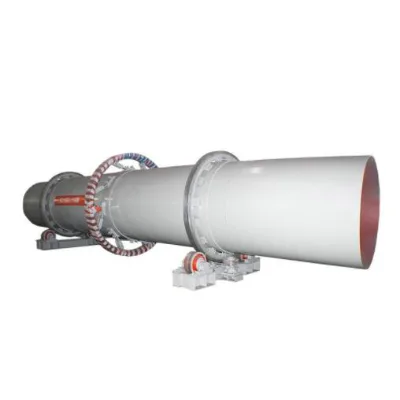
China Manufacture High Quality Steam Tube Dryer Industrial Rotary Steam Tube Dryer
$8143.00 - $10523.00
MOQ: 1 sets


Environmental Condition Steam Tube Rotary Dryer Commercial Steam Dryer
$5300.00 - $35000.00
MOQ: 1 set




Comprehensive Sourcing Guide
Strategic Sourcing Guide for Continuous Indirect Steam Tube Dryers
Understanding the Technical Architecture of Continuous Indirect Systems
When sourcing a Continuous Indirect Steam Tube Dryer, buyers must first distinguish the specific operational mechanics that define this equipment class. Unlike direct contact dryers where hot air mixes with the product, the Continuous Indirect Steam Tube Dryer utilizes a heat transfer medium—specifically steam—that flows through internal tubes or jackets. This design ensures that the heating source never contacts the product directly, a critical feature for maintaining purity in sensitive industries. The supplied data indicates that the technology employed is rotary, often characterized by a single drum or tube bundle configuration. The movement way is typically agitation, ensuring uniform exposure of the material to the heated surfaces.
The physical form of the dryer is often cylindrical, designed to facilitate a continuous flow process rather than a batch operation. This continuous nature is a primary differentiator, allowing for high throughput and consistent product quality over extended periods. The drying medium is identified as superheated steam in specific configurations, which enhances thermal efficiency. The heating area for these units can vary significantly, with observed ranges extending from 50 square meters up to 4000 square meters, depending on the specific model and capacity requirements. The construction material is a vital consideration; the equipment is typically fabricated from either carbon steel or stainless steel, with the latter being preferred for applications requiring higher corrosion resistance or hygiene standards.
The operational pressure is a key technical parameter. While some variations operate under atmospheric pressure, the supplied context also highlights vacuum drying capabilities, suggesting that these units can be configured for low-pressure environments to lower the boiling point of solvents. The steam pressure supplied to the system is generally capped at 1.0 MPa, with corresponding steam temperatures not exceeding 185 degrees Celsius. This limitation is crucial for process safety and material compatibility. The voltage requirements are flexible, often accommodating 220V, 380V, or 440V, or being designed per specific customer requirements to match local grid standards.
Compliance, Certification, and Regulatory Verification
Navigating the regulatory landscape is essential for any industrial procurement. The supplied product facts list several certifications that serve as benchmarks for quality and safety, including CE, ISO, ASME, and ISO9001. These certifications indicate that the manufacturing process adheres to international standards for safety, quality management, and pressure vessel design. However, buyers must treat these as observed attributes of specific listings rather than universal guarantees for every unit in the market. Verification of the current validity of these certificates for the specific supplier and model is a mandatory step before finalizing a contract.
The standard for the equipment often references specific dimensions or custom requirements. One observed standard is listed as ">200150100cm," which likely refers to minimum dimensional constraints or a specific model series, while another standard is noted as "GSD-100." In many cases, the standard is "as per requirement," highlighting the highly customized nature of these industrial dryers. Buyers should verify that the pressure vessel components comply with ASME standards if the equipment is intended for use in jurisdictions requiring such compliance. The core components, which include bearings, motors, gearboxes, and pressure vessels, must be sourced from reputable manufacturers to ensure longevity and safety. The motor brand is often specified as ABB, Siemens, or a top domestic brand, which serves as a proxy for reliability in the drive system.
Safety standards regarding the heating source are also paramount. Since the heating mode is indirect and utilizes steam, the integrity of the pressure vessel is critical. The equipment must be designed to withstand the maximum operating steam pressure of 1.0 MPa without failure. Additionally, the "Automatic Grade" of the equipment suggests a high level of automation, which requires adherence to electrical safety standards and control system protocols. Buyers should request documentation proving that the electrical systems meet the voltage requirements of their facility and that the control logic complies with local industrial safety regulations.
Cost Drivers and Economic Evaluation Factors
The pricing for continuous indirect steam tube dryers is highly variable, influenced by the complexity of the design, the materials used, and the level of customization. The observed price range in the market spans from 1 USD to 2,000,000 USD, reflecting the vast difference between small-scale laboratory units and large-scale industrial processing lines. This wide range underscores the importance of defining precise requirements before soliciting quotes. The primary cost drivers include the heating area, which can range from 50 to 4000 square meters, and the construction material. Stainless steel units will inherently cost more than carbon steel equivalents due to material costs and fabrication complexity.
Customization is a significant factor in the total cost of ownership. The product attributes indicate that customization is available, and the model is often "as per requirement." This means that the base price may not include specific modifications such as unique agitation mechanisms, specialized control interfaces, or custom dimensions. The evaporation capacity, observed at 400 Kg/H in specific listings, is another critical cost determinant. Higher capacity units require larger heat transfer areas, more robust motors, and more complex piping systems, all of which increase the initial capital expenditure.
The power consumption is another economic consideration. The observed power rating is 90 kW, but this can vary based on the agitation speed and the viscosity of the material being processed. Buyers should calculate the total energy cost over the lifecycle of the equipment, considering the efficiency of the steam generation system. The packing standard is listed as "Standard Export Package," which implies that shipping costs will be a separate line item and that the equipment is designed for safe international transport. The minimum order quantity (MOQ) is observed as 1, suggesting that these units are often sold as individual projects rather than mass-produced commodities, which can affect negotiation leverage on unit price.
Typical Applications and Material Compatibility
The versatility of continuous indirect steam tube dryers makes them suitable for a wide array of industries. The primary applications identified include medicine processing and chemicals processing. In the pharmaceutical sector, the indirect heating method is preferred to prevent contamination, ensuring that the product remains pure and free from combustion byproducts. The material status is consistently listed as "Powder," indicating that these dryers are optimized for drying powdery substances. The application is further specified as suitable for powder processing, which aligns with the continuous flow and agitation mechanisms.
The equipment is also associated with reactor functions, suggesting that it can be integrated into a broader processing line where drying and reaction occur simultaneously or sequentially. This multifunctional capability is a key selling point, allowing for compact plant layouts and reduced processing time. The flow type is described as parallel flow, which is effective for maintaining a consistent temperature gradient across the drying zone. The movement way, characterized by agitation, ensures that the powder is continuously mixed, preventing hot spots and ensuring uniform drying.
For chemical processing, the ability to handle various solvents under vacuum or atmospheric pressure is a significant advantage. The vacuum drying capability allows for the removal of volatile organic compounds at lower temperatures, which is essential for heat-sensitive chemical products. The construction material, whether carbon steel or stainless steel, must be selected based on the corrosiveness of the chemical being processed. The heating source, steam, is a clean and efficient medium that can be easily controlled, making it ideal for applications requiring precise temperature management.
Supplier Evaluation and Technical Due Diligence
Evaluating suppliers for continuous indirect steam tube dryers requires a rigorous due diligence process. Buyers should verify the supplier's origin, with the supplied data indicating a concentration of manufacturers in Jiangsu, China. While this region is a hub for industrial machinery, buyers must assess the specific capabilities of the supplier rather than relying on regional generalizations. The presence of core components from brands like ABB or Siemens is a positive indicator, but buyers should request proof of purchase or serial numbers to verify the authenticity of these components.
The condition of the equipment is listed as "New," but buyers must clarify the manufacturing timeline and the extent of any testing performed prior to shipment. The "Standard Export Package" suggests that the equipment is prepared for shipping, but buyers should inspect the packaging details to ensure that sensitive components are protected during transit. The customization capability is a critical factor; suppliers must demonstrate a track record of delivering custom solutions that meet specific technical requirements. Buyers should request case studies or references from previous clients who have purchased similar customized units.
The supplier's ability to provide after-sales support is equally important. Given the complexity of the equipment, which includes pressure vessels and automated control systems, the availability of technical support, spare parts, and maintenance services is crucial. Buyers should inquire about the lead time for spare parts and the availability of on-site service engineers. The "Key Selling Points" listed as "Multifunctional" should be validated through technical discussions to ensure that the supplier can deliver on the promised capabilities.
Quality Control and Long-Term Procurement Considerations
Ensuring the quality of the Continuous Indirect Steam Tube Dryer involves a multi-stage verification process. Buyers should implement a quality control plan that includes factory acceptance testing (FAT) and site acceptance testing (SAT). The FAT should verify that the equipment meets the specified technical parameters, such as the heating area, steam pressure, and temperature limits. The SAT should confirm that the equipment performs as expected in the actual operating environment. The "Automatic Grade" of the equipment requires that the control systems be thoroughly tested for reliability and safety.
Long-term procurement considerations include the lifecycle cost of the equipment. While the initial purchase price is a significant factor, the operational costs, including energy consumption and maintenance, play a larger role in the total cost of ownership. Buyers should evaluate the efficiency of the steam usage and the durability of the core components. The "Condition: New" status is a starting point, but the long-term performance will depend on the quality of the materials and the design of the agitation system. The "Standard Export Package" should be reviewed to ensure that the equipment is protected against corrosion and damage during storage and transport.
The customization aspect of the equipment means that the buyer must be involved in the design process to ensure that the final product meets their specific needs. The "as per requirement" standard highlights the need for clear communication between the buyer and the supplier regarding dimensions, capacities, and material specifications. The "High-confidence facts" regarding the equipment's attributes should be used as a baseline for negotiation, but buyers must remain flexible to accommodate specific project requirements. By focusing on technical specifications, compliance, and long-term value, buyers can secure a Continuous Indirect Steam Tube Dryer that delivers optimal performance and reliability.
FAQs
What is the maximum steam pressure for this dryer?
The maximum steam pressure is 1.0 MPa or less. This limit ensures safety and material compatibility during the indirect heating process using superheated steam.
Can the equipment be customized for specific needs?
Yes, customization is available for this continuous dryer. Buyers can request specific models, dimensions, and heating areas tailored to their unique production requirements.
Which certifications does the equipment typically hold?
The equipment typically holds CE, ISO, ASME, and ISO9001 certifications. These indicate compliance with international safety and quality standards for pressure vessels and manufacturing processes.
How is the material moved inside the dryer?
The material moves via an agitation movement way within the unit. This ensures uniform exposure to the heated surfaces for consistent drying of powder materials.
What is the evaporation capacity of the unit?
The observed evaporation capacity is 400 Kg per hour. This capacity varies based on the specific model and the required heating area for the application.
Which materials are used for construction?
Construction materials include carbon steel or stainless steel. Stainless steel is preferred for applications requiring higher corrosion resistance or hygiene standards in medicine and chemicals.