Source Continuous Production Bitumen Emulsion Machine for Pavement, Roads, and Maintenance
Explore 30 listings for the Continuous Production Bitumen Emulsion Machine designed for asphalt concrete pavement and road construction. Buyers can compare specifications including mixing methods, tank capacities, and automation levels to find the right equipment for their projects.
Key considerations
Products List

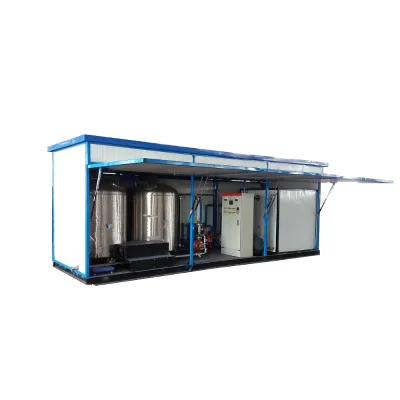
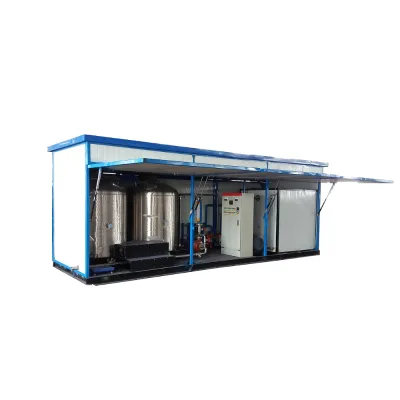
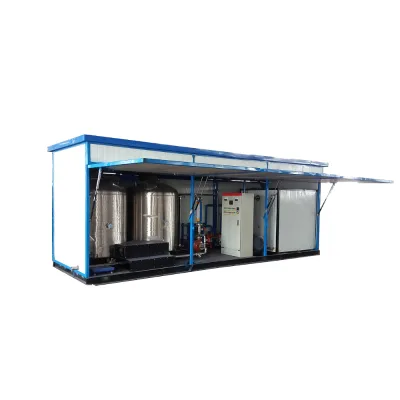
Continuous Working Emulsified Bitumen Equipment Bitumen Emulsion Manufacturing Machine
$35000.00 - $45000.00
MOQ: 1 Pieces

Emulsified Asphalt Production Equipment Bitumen Emulsion Manufacturing Plant
$35000.00 - $45000.00
MOQ: 1 Pieces

Industrial Grade Emulsified Asphalt Production Line Bitumen Emulsion Processing Machine
$35000.00 - $45000.00
MOQ: 1 Pieces

Automatic Emulsified Bitumen Making Machine Asphalt Emulsion Equipment
$35000.00 - $45000.00
MOQ: 1 Pieces

Fully Automatic Emulsified Asphalt Equipment PLC Controlled Bitumen Emulsion Plant
$35000.00 - $45000.00
MOQ: 1 Pieces

Road Construction Emulsified Asphalt Equipment Bitumen Emulsion Plant
$35000.00 - $45000.00
MOQ: 1 Pieces

New Type Better Insulation Continuous Production Bitumen Emulsion Machine
$2100.00 - $65000.00
MOQ: 1 Sets




Comprehensive Sourcing Guide
Strategic Sourcing Guide for Continuous Production Bitumen Emulsion Machines
The global infrastructure sector relies heavily on the efficiency and reliability of asphalt emulsion production. For procurement professionals seeking a Continuous Production Bitumen Emulsion Machine, the market presents a complex array of options ranging from mobile distributors to stationary mixing plants. This guide provides a disciplined, evidence-based framework for evaluating suppliers and selecting equipment that aligns with specific operational requirements. The focus remains strictly on verified product attributes, technical specifications, and compliance standards derived from current market data, ensuring that procurement decisions are grounded in observable facts rather than speculative claims.
Technical Specifications and Production Capabilities
When evaluating a Continuous Production Bitumen Emulsion Machine, the primary differentiator is the mixing method and the core emulsification technology. The market data indicates a strong prevalence of the Continuous Drum mixing method, which is essential for maintaining a steady flow of production without the downtime associated with batch processing. This continuous approach is critical for large-scale road construction projects where material consistency and volume are paramount.
The heart of these machines is the Colloid Mill Emulsifier. This component is responsible for reducing the bitumen droplet size to a microscopic level, ensuring a stable emulsion. Buyers must verify that the selected unit features a robust colloid mill capable of handling the specific Bitumen Ratio requirements of their project, which typically ranges from 30% to 70% adjustable. This adjustability allows the machine to produce various grades of emulsion, including Cationic, Anionic, and Non-Ionic types, depending on the aggregate and climate conditions of the application site.
Capacity and power are other vital technical metrics. Observed specifications for high-performance units often include a Mill Power rating of 18.5kW or 22kW, which drives the emulsification process efficiently. The production capacity is generally categorized under standards such as 6-10t/h, with some advanced configurations capable of reaching under 40t/h. The system's automation level is another key specification; modern units are increasingly Full Automatic, utilizing a PLC Automatic Control system paired with a Touch Screen interface. This level of automation minimizes human error and ensures precise control over the mixing ratios and heating parameters.
Compliance, Certification, and Safety Standards
In the international procurement of heavy industrial machinery, compliance with safety and quality certifications is non-negotiable. The supplied product data highlights that reputable units typically carry CE and ISO9001 certifications. These marks indicate that the manufacturer adheres to European safety standards and maintains a certified quality management system, respectively. Buyers should explicitly request proof of these certifications before finalizing any purchase, as they are fundamental indicators of a supplier's commitment to quality.
Beyond general manufacturing standards, specific components within the machine may require additional verification. For instance, the Stainless Steel construction of tanks and pipes is a common attribute in high-end models, offering resistance to corrosion and ensuring the purity of the emulsion. Some units are designed with Cryogenic Tank capabilities, featuring a Test Pressure of 1.84MPa, which is critical for handling specific chemical or temperature-sensitive applications.
It is important to note that while some listings mention certifications like ISOCCC or RoHS, these are often associated with specific sub-components or auxiliary systems rather than the entire machine. Procurement teams must verify the scope of each certification to ensure it applies to the core machinery. Additionally, the Product Standard for production output is often cited as 6-10t/h, but buyers should confirm if this standard applies to the specific model being considered, as capacity can vary based on the configuration of the heating and mixing systems.
Cost Drivers and Pricing Variables
The pricing of continuous production bitumen emulsion machines is influenced by a complex interplay of factors, including capacity, automation level, and material composition. The observed price range in the market is extensive, spanning from 1 to 250,000 USD. This wide variance reflects the difference between basic mobile units and fully automated, high-capacity stationary plants.
Several specific attributes drive the cost upward. The inclusion of a PLC Automatic Control system and a Touch Screen interface adds significant value by reducing labor costs and improving operational precision. Similarly, the use of Stainless Steel for the Emulsion Tank and Water Tank (typically 3m³/5m³ and 2.4m³/3.6m³ respectively) increases the initial investment but offers long-term durability and reduced maintenance.
The heating method is another critical cost driver. Machines utilizing Thermal Oil or high-efficiency Burner systems for heating the bitumen will generally command a higher price than those with simpler heating elements. Furthermore, the Energy Saving features, such as low consumption designs, often come with a premium but result in lower operational costs over the machine's lifecycle. Buyers should also consider the prod_packing requirements; units shipped in Standard Container or 40hq configurations may incur additional logistics costs depending on the destination.
Typical Applications and Operational Flexibility
Understanding the intended application is crucial for selecting the right machine. The primary Object for these machines is Asphalt Concrete Pavement, making them indispensable for road construction, maintenance, and resurfacing projects. The Moving Type of the equipment varies, with many units designed as Mobile Asphalt Distributors. This mobility allows for on-site production, reducing the need for transportation of the finished emulsion and minimizing the risk of the material setting before application.
The Usage of these machines extends beyond simple pavement application. They are utilized in Industry settings for various Surfactants applications, particularly when the Other Names for the product include Bitumen Emulsifier. The Level of the product often refers to Primer applications, where the emulsion is used to prepare the base layer for asphalt. The Appearance of the final product is typically Liquid, and the Method of application is often Spray, requiring the machine to be equipped with appropriate spray bars and nozzles.
The Drying Method is another consideration; while the primary function is emulsification, some integrated systems include Drying capabilities to prepare aggregates simultaneously. This integration can significantly streamline the production process for large-scale projects. The Unique Selling Point of many modern units is their High Operating Efficiency, which translates to faster project completion times and reduced downtime.
Supplier Evaluation and Verification Protocols
Selecting a reliable supplier requires a rigorous evaluation process that goes beyond the initial product listing. The prod_origin of the machinery is predominantly China, with specific manufacturing hubs identified in Shandong, China. While this indicates a mature manufacturing ecosystem, buyers must verify the specific capabilities of the supplier within this region.
Key verification steps include checking the After-Sales support structure. The market data confirms that Overseas on-Site Installation is available for many units, a critical service for international buyers who may lack the technical expertise to set up complex machinery. Additionally, the Warranty Period is typically 1year, and After Warranty Service often includes Video Technical Support. Buyers should negotiate these terms explicitly to ensure long-term support availability.
The Core Components of the machine, such as the PLC and Gearbox, are vital for longevity. Suppliers should provide detailed specifications for these components, including the brand and origin, as these parts determine the machine's reliability. The Video Outgoing-Inspection service is a valuable tool for buyers, allowing them to verify the condition and functionality of the machine before shipment. This step is particularly important given the high value of the equipment and the potential for damage during transit.
Quality Control and Long-Term Procurement Considerations
Quality control in the production of bitumen emulsion machines involves rigorous testing of the Main Raw Material, which is often Polyurethane for seals and hoses, and Stainless Steel for tanks. The Solid Content of the emulsion produced by the machine is a critical quality metric, typically required to be ≤65%. Buyers should ensure that the machine's control systems can accurately monitor and adjust this parameter to meet project specifications.
Long-term procurement considerations extend beyond the initial purchase price. The Energy Saving capabilities of the machine, such as Low Consumption designs, contribute to significant cost savings over time. The Automation level, specifically Full Automatic systems, reduces the dependency on skilled labor and minimizes the risk of human error. Furthermore, the Advantage of Warming up Faster can reduce idle time and increase the overall productivity of the equipment.
Buyers must also consider the prod_packing standards, which are typically Standard Container or 40hq. Proper packing ensures that the machine arrives at the destination in pristine condition, reducing the risk of damage and subsequent repair costs. The Material grade, such as Stainless Steel, ensures resistance to corrosion, which is essential for the longevity of the equipment in harsh environments.
Comparative Analysis of Machine Configurations
To assist buyers in making informed decisions, the following table compares key configurations based on the observed market data. This comparison highlights the trade-offs between different specifications and helps identify the most suitable option for specific project needs.
| Feature | Configuration A (Mobile/Standard) | Configuration B (Stationary/High-Capacity) | Configuration C (Specialized/Stainless) |
|---|---|---|---|
| Moving Type | Mobile | Stationary | Mobile/Stationary Hybrid |
| Mixing Method | Continuous Drum | Continuous Drum | Continuous Drum |
| Mill Power | 18.5kW | 22kW | 22kW |
| Tank Capacity | 3m³ Water / 2.4m³ Emulsion | 5m³ Water / 3.6m³ Emulsion | 5m³ Water / 3.6m³ Emulsion |
| Material | Standard Steel | Standard Steel | Stainless Steel |
| Control System | PLC / Touch Screen | PLC / Touch Screen | PLC / Touch Screen |
| Certification | CE, ISO9001 | CE, ISO9001 | CE, ISO9001, ISOCCC |
| Warranty | 1 Year | 1 Year | 1 Year |
| After-Sales | Overseas Installation | Overseas Installation | Overseas Installation |
| Primary Use | Road Maintenance | Large Scale Pavement | High Purity/Corrosive Env. |
This table illustrates that while the core technology remains consistent across configurations, the choice of material and capacity significantly impacts the machine's suitability for different applications. Configuration B offers higher capacity for large projects, while Configuration C provides enhanced durability for specialized environments.
Final Procurement Recommendations
In conclusion, sourcing a Continuous Production Bitumen Emulsion Machine requires a meticulous approach that balances technical specifications, compliance, and long-term operational needs. Buyers must prioritize machines with Continuous Drum mixing methods, Colloid Mill Emulsifiers, and PLC Automatic Control systems to ensure efficiency and reliability. Verification of CE and ISO9001 certifications is essential, as is a thorough review of the After-Sales support and Warranty terms.
By focusing on the observed facts and avoiding unverified claims, procurement professionals can make informed decisions that align with their project requirements. The wide range of available configurations, from mobile units to high-capacity stationary plants, offers flexibility for diverse applications. Ultimately, the success of the procurement lies in a detailed evaluation of the machine's core components, material quality, and the supplier's ability to provide comprehensive support throughout the equipment's lifecycle.
FAQs
What mixing method does the machine use?
The machine uses a Continuous Drum mixing method for steady production flow. This approach ensures material consistency without the downtime associated with batch processing, which is essential for large-scale road construction projects.
Which certifications are required for this equipment?
Reputable units typically carry CE and ISO9001 certifications. These marks indicate adherence to European safety standards and a certified quality management system, which are fundamental indicators of a supplier's commitment to quality and safety.
Can the bitumen ratio be adjusted on the machine?
Yes, the bitumen ratio is adjustable between 30% and 70%. This flexibility allows the machine to produce various grades of emulsion, including Cationic, Anionic, and Non-Ionic types, depending on specific aggregate and climate conditions.
What is the standard production capacity of the plant?
The standard production capacity is generally categorized as 6-10t/h. Some advanced configurations are capable of reaching under 40t/h, depending on the specific heating and mixing system configuration selected for the project.
Where are these machines typically manufactured?
These machines are predominantly manufactured in China, with specific hubs identified in Shandong. Buyers should verify the specific capabilities of the supplier within this region to ensure they meet the required technical and logistical standards.
What warranty and after-sales support are provided?
The standard warranty period is 1 year with overseas on-site installation available. After the warranty, video technical support is typically provided to assist with troubleshooting and maintenance without requiring immediate physical travel.
How is the emulsion heated during production?
The system is heated by Thermal Oil or a high-efficiency Burner. This heating method is a critical cost driver and ensures the bitumen reaches the necessary temperature for effective emulsification within the colloid mill.