Source Cooling Convertible Memory Foam Mattress for Hotels, Homes, and Schools
Explore 30 listings for the Cooling Convertible Memory Foam Mattress designed for hotels, homes, and schools. Buyers can compare specifications like thickness, hardness, and packing methods to find the right fit for their needs.
Key considerations
Products List


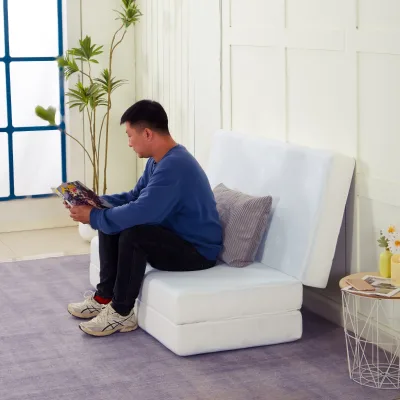
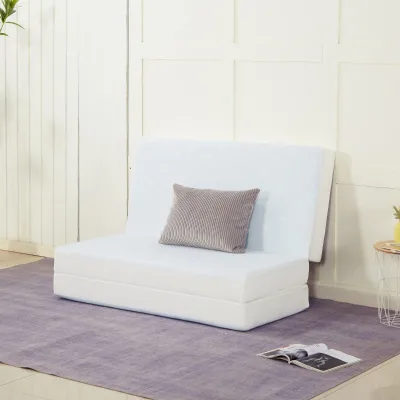
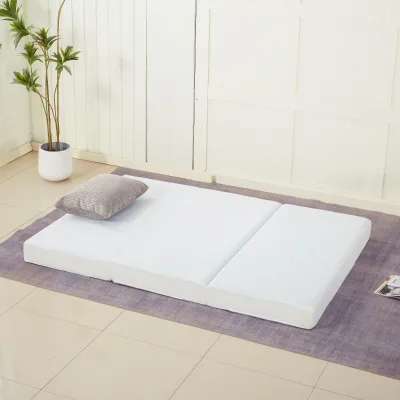


3" Gel Memory Foam All Season Reversible Cooling Mattress for Sleeping
$53.50 - $56.00
MOQ: 100 Pieces


Comprehensive Sourcing Guide
Strategic Sourcing Guide for Cooling Convertible Memory Foam Mattresses
Understanding the Product Category and Core Specifications
The market for cooling convertible memory foam mattresses presents a unique intersection of comfort technology and logistical efficiency. When sourcing this specific category, buyers must first distinguish between standard foam products and those engineered with cooling properties, often utilizing gel-infused layers or breathable covers. The core material composition is critical; high-density foam serves as the primary support structure, ensuring durability while memory foam layers provide the necessary contouring and pressure relief. The "convertible" aspect of the product often implies a design that can be rolled or compressed for shipping, a feature that significantly impacts logistics costs and inventory management.
Technical specifications vary widely across suppliers, requiring careful verification of dimensions and density. Observed data indicates that mattress sizes are not uniform, with options ranging from standard single and full sizes to larger configurations like King and Queen. Specific dimensions such as 1.52.0m and 1.82.0m are common, though buyers should also anticipate "Various Size Options" or custom standard sizes like Twin XL. The thickness of the mattress is another pivotal specification. While some listings indicate a "Medium" thickness, others specify "Thick" or provide precise measurements for topper layers, such as 4 inches, 8 inches, or 12 inches. This variance suggests that the "convertible" nature may apply to toppers or specific mattress models designed for layering.
The shape of the product is predominantly rectangular, aligning with standard bed frames, though some specialized offerings may feature a round shape. The hardness level is a subjective but measurable attribute, with options ranging from "Soft" to "Medium." Buyers must align these hardness profiles with their target demographic, as the "Adults" age group is the primary consumer base for these products. The surface finish often includes a "Gel Top" to enhance thermal regulation, paired with covers made from materials like Bamboo Fiber or Terry Towel, which contribute to the cooling effect and moisture-wicking capabilities.
Compliance, Certification, and Quality Standards
In the B2B procurement of mattresses, compliance with international safety and quality standards is non-negotiable. The supply chain for foam products is heavily regulated due to the chemical composition of the materials used. Buyers must verify that suppliers adhere to recognized certification frameworks. Available data points to certifications such as CE and SGS, which are essential indicators of product safety and manufacturing quality. These certifications typically cover fire retardancy, chemical emissions, and structural integrity.
The origin of the product is a significant factor in compliance. The majority of the observed supply originates from China, specifically the Zhejiang region and China Mainland. This geographic concentration suggests a mature manufacturing ecosystem but also necessitates rigorous due diligence regarding export regulations and environmental standards. When evaluating a supplier, procurement teams should request current copies of CE and SGS certificates, ensuring they are valid and applicable to the specific model being purchased.
Furthermore, the "Standard" attribute for these products often references size classifications like King, Queen, Single, Full, or Twin XL. However, compliance extends beyond size to the manufacturing process itself. The "OEM/ODM Customization Available" flag indicates that suppliers are capable of adapting products to meet specific regional safety codes. Buyers should explicitly confirm that the customization process maintains the integrity of the original certifications. For instance, changing the cover material or foam density during an OEM run could alter fire safety ratings, requiring re-certification. Therefore, the verification process must include a check for updated documentation whenever custom specifications are requested.
Cost Drivers and Pricing Dynamics
The pricing structure for cooling convertible memory foam mattresses is influenced by a complex array of factors, including material density, cooling technology integration, and packaging methods. The observed price range in the market spans from 12 to 260 USD, a variance that reflects differences in quality, size, and feature sets. Lower-priced items typically correspond to basic foam constructions with minimal cooling features or smaller dimensions, while higher-priced units likely incorporate advanced gel-infusion technologies, thicker profiles, and premium cover materials.
Material costs are a primary driver. High-density foam is more expensive than standard polyurethane foam, and the inclusion of cooling gels adds to the raw material expense. The "Topper Thickness" is another critical cost variable; a 12-inch mattress will inherently cost more than a 4-inch topper due to the volume of material used. Additionally, the "Cooling" aspect often requires specialized manufacturing processes, such as the integration of bamboo fiber covers or specific ventilation patterns in the foam, which can increase production costs.
Packaging and logistics also play a substantial role in the final landed cost. The data indicates multiple packaging methods, including "Carton Box," "Rolled Compress Package Into PP Bag and Carton Box," and "Vacuum Pack." Vacuum compression and rolling are essential for the "Space-Saving" feature, allowing for reduced shipping volumes. However, this process adds a step to the manufacturing line and requires specific machinery, which can influence the unit price. The "Compression Method" being "Vacuum Compressed" suggests a higher level of automation and quality control in the packaging phase.
Minimum Order Quantity (MOQ) is another financial consideration. The observed MOQ range is 1 to 500 units. Suppliers with lower MOQs may charge a premium per unit due to the lack of economies of scale, whereas larger orders can negotiate better rates. Buyers must balance their inventory needs against the per-unit cost, considering that customizations like specific colors or sizes may increase the MOQ threshold. The "Service" attribute highlighting OEM/ODM availability often comes with a higher MOQ requirement, as custom runs require dedicated production lines.
Typical Applications and Market Segmentation
The versatility of cooling convertible memory foam mattresses allows them to serve a diverse range of applications. The primary usage sectors identified include Hotels, Homes, and Schools. In the hospitality industry, the "Hotel" application is particularly significant. Hotels require bedding that offers comfort for a wide range of guests while being durable enough for high turnover. The "10 Years" warranty observed in some listings is a strong selling point for hotel procurement, indicating a long-term investment in guest satisfaction and reduced replacement costs.
The "Home" segment is equally robust, driven by the growing consumer demand for sleep quality and temperature regulation. The "Summer" and "Spring" seasonal attributes suggest that these mattresses are marketed as solutions for warmer climates or specific seasons where overheating is a concern. The "Cooling" feature is a direct response to the common complaint of sleeping hot, making these products highly relevant for residential buyers in tropical or subtropical regions.
In the educational sector, the "School" application presents unique requirements. Dormitories and student housing often require space-saving solutions, making the "Rolled Compress Package" and "Vacuum Pack" options ideal. The ability to ship these mattresses in a compact form reduces shipping costs and simplifies delivery to high-density living spaces. The "Reduce Noise" feature is also beneficial in shared living environments, where motion isolation is crucial to prevent disturbances between roommates.
The "Customized" nature of the product allows for tailored solutions for specific market segments. For example, a hotel chain might require a specific hardness level to match their brand standards, while a school district might prioritize the "Space-Saving" aspect for efficient dormitory management. The "Style" being "Customized" further supports the ability to align the product with specific branding or interior design requirements.
Supplier Evaluation and Operational Capabilities
Evaluating suppliers for cooling convertible memory foam mattresses requires a holistic approach that goes beyond price and specifications. The "Service" attribute indicating "OEM/ODM Customization Available for Colors, Sizes" is a key indicator of a supplier's flexibility and technical capability. Buyers should assess the supplier's ability to manage custom orders without compromising on quality or lead times. The presence of specific model numbers, such as M015, KFT-M076, KFT-TM803, MYY, and YH017-B, suggests that suppliers have established product lines, which can be a proxy for their experience and stability.
Quality control processes are paramount. The "Condition" of the product is listed as "New," but this is a baseline requirement. Buyers must inquire about the supplier's internal quality assurance protocols, particularly regarding the consistency of foam density and the effectiveness of the cooling technology. The "Warranty" of 10 years is a strong signal of confidence in product durability, but it is essential to understand the terms and conditions of this warranty. Does it cover sagging, material breakdown, or only specific defects?
Logistical capabilities are another critical evaluation point. The "prod_packing" methods, ranging from simple carton boxes to complex vacuum-compressed rolls, indicate the supplier's capacity to handle different shipping requirements. Buyers should verify the supplier's experience with international shipping, particularly regarding the "Vacuum Compressed" method, which requires careful handling to ensure the mattress expands correctly upon arrival. The "Location" of the supplier in Zhejiang, China, places them in a major manufacturing hub, but buyers should still verify the specific factory's proximity to ports and their logistics partners.
Quality Control and Long-Term Procurement Considerations
Implementing a robust quality control (QC) strategy is essential for mitigating risks in the procurement of memory foam mattresses. Given the variability in "Hardness" and "Thickness," buyers should establish clear acceptance criteria before production begins. This includes defining the acceptable range for foam density, the exact dimensions of the mattress, and the performance of the cooling features. Third-party inspection services can be valuable for verifying that the "High Density Foam" and "Gel Top" meet the specified standards before shipment.
Long-term procurement considerations involve building a sustainable supply chain. The "Customization" availability suggests that buyers may need to iterate on product designs over time. A supplier that offers flexible OEM/ODM services can adapt to changing market trends, such as new cooling technologies or evolving size standards. The "10 Years" warranty is a significant factor in long-term planning, as it reduces the total cost of ownership. However, buyers must ensure that the supplier has the financial stability and operational capacity to honor these warranties over the long term.
Environmental and ethical considerations are also becoming increasingly important. Buyers should inquire about the environmental impact of the foam production process and the sustainability of the materials used, such as the "Bamboo Fiber" covers. While specific certifications like "SGS" cover safety, they may not fully address environmental sustainability. Therefore, buyers should request additional documentation regarding the sourcing of raw materials and the manufacturing practices employed.
Finally, the "Features" listed, such as "Reduce Noise" and "Space-Saving," should be validated through testing or customer feedback. These claims can significantly impact the product's market success. By maintaining a rigorous approach to quality control and supplier evaluation, buyers can ensure that the cooling convertible memory foam mattresses they procure meet the high standards required for their specific applications, whether in hotels, homes, or schools. The ability to navigate the complex landscape of specifications, certifications, and customization options is key to successful procurement in this dynamic market.
FAQs
What certifications do these memory foam mattresses hold?
These mattresses hold CE and SGS certifications to ensure safety and quality standards. Buyers should verify that the specific model, such as M015 or KFT-M076, has valid documentation before placing orders for bulk procurement.
How can I customize the size and color of the mattress?
Customization for colors and sizes is available through OEM and ODM services. Suppliers offer options like King, Queen, or Twin XL sizes, allowing buyers to tailor the product to specific hotel or home requirements.
What is the typical warranty period for these foam mattresses?
The typical warranty period for these mattresses is ten years. This long-term coverage indicates high durability, making them suitable for heavy-use environments like hotels and schools where replacement costs need to be minimized.
Can the mattress be compressed for easier shipping and storage?
Yes, the mattress can be vacuum compressed and rolled into a carton box. This space-saving feature reduces shipping volume and is ideal for dormitories or locations with limited storage space for large bedding items.
Which materials are used for the cooling top layer of the mattress?
The cooling top layer often features a gel top combined with bamboo fiber or terry towel covers. These materials enhance thermal regulation and moisture-wicking capabilities to keep sleepers cool during summer or spring seasons.
What is the minimum order quantity for purchasing these mattresses?
The minimum order quantity ranges from one unit to five hundred units depending on the supplier. Buyers should check specific model requirements, as custom orders may have higher thresholds than standard stock items.
Where are these memory foam mattresses manufactured?
These mattresses are manufactured in China, specifically in the Zhejiang region and China Mainland. This location places them within a major manufacturing hub known for producing high-density foam products with established export capabilities.