Find Cooling Bus Air Conditioner for transit, school, and tour vehicles
Source 30 verified Cooling Bus Air Conditioner units tailored for transit, school, and tour applications. Buyers can compare specifications like voltage, cooling capacity, and installation types to find the right fit for their fleet needs.
Key considerations
Products List


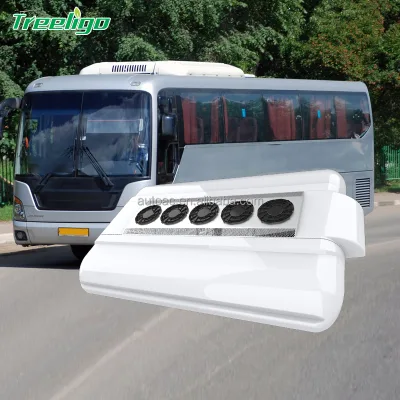
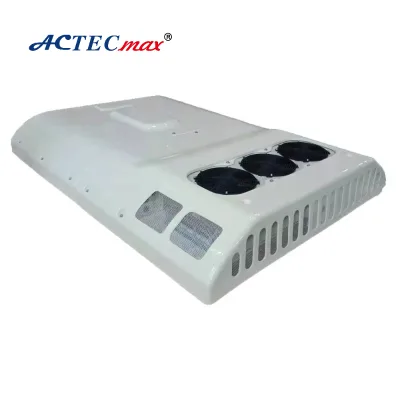
Intercity Coach Bus Ac Travellers Cooling and Heater air Conditioning for Ac Buses Conditioner
$8258.21 - $8723.09
MOQ: 5 pieces


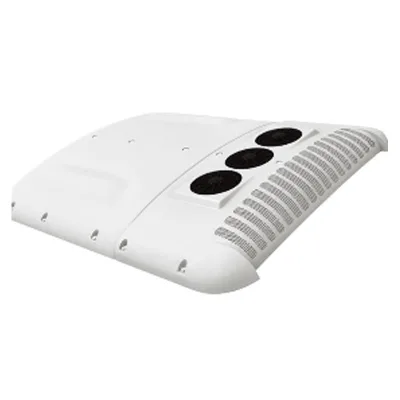


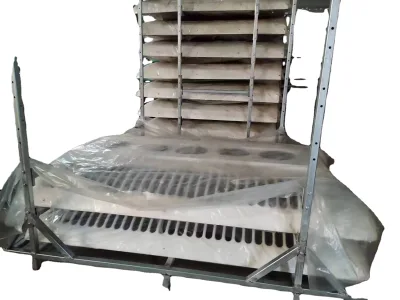
Bus Air Conditioner --- Better Solution of Air Conditioner for 9--12m Buses
$1000.00 - $3000.00
MOQ: 20 Pieces

Bus Air Conditioning System --- Cheapest New Solution for 9--12m Buses
$1000.00 - $3000.00
MOQ: 20 Pieces
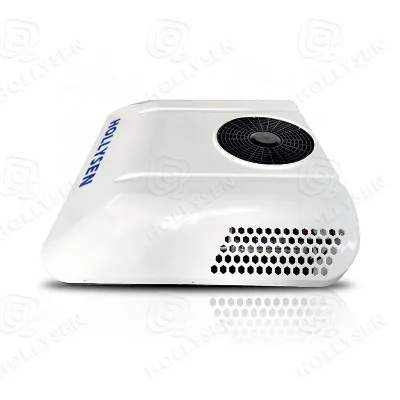

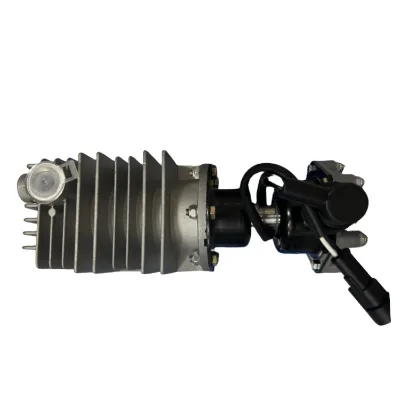


Comprehensive Sourcing Guide
Strategic Sourcing Guide for Cooling Bus Air Conditioners
The global demand for reliable thermal management in public and private transit has elevated the procurement of bus air conditioning systems from a simple component purchase to a critical operational strategy. For buyers specializing in the Cooling Bus Air Conditioner sector, the supply chain presents a complex landscape of technical variations, regulatory requirements, and logistical considerations. This guide provides a disciplined framework for evaluating potential suppliers and products, ensuring that procurement decisions are grounded in verifiable data rather than marketing assertions. The focus remains on understanding the specific attributes of available units, such as the HCO series models and specialized retrofit solutions, while maintaining strict adherence to the facts provided in current market listings.
Technical Specifications and System Architecture
When evaluating cooling bus air conditioners, the primary differentiator lies in the technical architecture and specific performance metrics. The market currently features distinct product lines, including models identified by codes such as HCO18, HCO36, and HCO15, alongside specialized units like the RU001-09-400-HC. These models often cater to different vehicle classes, ranging from minibus configurations to larger truck and bus applications. A critical observation in the current inventory is the variation in power sources; while some units operate on electricity with voltage requirements of 12V or 24V, others are designed for gasoline engines, adhering to Euro fuel standards.
The physical dimensions and weight of the unit are paramount for installation feasibility. Buyers must scrutinize specifications such as the host size of 940x790x170mm or the single package size of 2410x2050x71 cm, which indicates the logistical footprint required for shipping. The payload capacity of the supporting vehicle is another technical constraint; for instance, certain listings note a payload of 20T, which dictates the maximum weight the vehicle can carry, including the air conditioning unit itself. Furthermore, the transmission type, typically manual in many heavy-duty contexts, influences the integration of the cooling system with the vehicle's powertrain.
| Feature Category | Observed Specifications | Verification Requirement |
|---|---|---|
| Model Series | HCO18, HCO36, HCO15, RU001-09-400-HC | Confirm compatibility with specific bus chassis |
| Power Source | Electricity (12V/24V), Gasoline | Verify voltage match with vehicle electrical system |
| Dimensions | 44351902195 mm, 940x790x170 mm | Check clearance for roof or under-floor mounting |
| Weight | 30kg, Single Gross Weight 100kg | Calculate impact on vehicle payload limits |
| Refrigerant | R134A | Ensure compliance with local environmental regulations |
Compliance and Certification Verification
Navigating the regulatory landscape is essential for international procurement. The supplied data indicates a diverse array of certifications, including ISO, CE, CCC, UR, and RoHS. It is imperative for buyers to distinguish between general certifications and those specific to the region of operation. For example, the presence of CCC certification is crucial for products intended for the Chinese market, while CE and ISO are often required for European and international standards. The emission standard "Euro Fuel:Gasoline" suggests compliance with specific exhaust regulations, which must be cross-referenced with the destination country's environmental laws.
Buyers should not assume that a product listing a broad certification like "ISO/CE" automatically satisfies all local mandates. The specific certification status must be verified against the actual product documentation. Additionally, the "Bearing Capacity: Small" attribute observed in some listings requires careful interpretation; it may refer to the mechanical load the unit can withstand during operation or the structural capacity of the mounting points. In the context of bus air conditioners, the "OE NO.: school bus air conditioner" designation implies that certain units are designed to meet Original Equipment standards, which often carry stricter safety and performance benchmarks than aftermarket replacements.
Cost Drivers and Pricing Dynamics
The pricing for cooling bus air conditioners exhibits a significant range, observed between 10 USD and 8723.09 USD. This wide disparity is driven by several factors, including the complexity of the cooling system, the brand reputation, and the level of customization available. High-end units with advanced features such as "Four Areas" of temperature control and "Electronically Controlled Pneumatic Adjusting" command higher price points compared to basic models. The "Independent" heating type is another cost driver, as it adds complexity to the unit's design and manufacturing process.
Minimum Order Quantity (MOQ) is a critical financial consideration, with observed ranges spanning from 1 to 500 units. Buyers seeking to test a new supplier or replace a single unit may find suppliers with an MOQ of 1, whereas bulk procurement for fleet upgrades might require adherence to higher MOQ thresholds. The "Selling Units: Single item" attribute suggests flexibility for smaller orders, but buyers must account for the potential increase in per-unit cost when ordering in small quantities. Packaging also influences cost; options like "Wooden Case and Carton" versus simple "Carton" packaging can affect shipping expenses and the risk of damage during transit.
Typical Applications and Retrofit Scenarios
The versatility of modern bus air conditioners allows for a wide range of applications, from new vehicle manufacturing to the retrofitting of existing fleets. The "Purpose: for retrofit/upgrade" attribute highlights a significant market segment where older buses are being equipped with modern cooling solutions to extend their operational lifespan. These retrofit projects often require units that are compatible with specific truck types, such as vans or minibus configurations, and must fit within the spatial constraints of the vehicle's roof or undercarriage.
The "Type: bus air conditioner" and "Keywords: Truck Air Conditioner" indicate that these systems are designed for heavy-duty environments. The "Compatible Truck Type: Van" suggests that some units are adaptable for smaller commercial vehicles, while others are tailored for larger buses. The "Function: Air Filtering, Ventilating, Cooling & Heating" demonstrates that modern units are multi-functional, providing comprehensive climate control rather than just cooling. This is particularly important for vehicles operating in diverse climates, where the ability to switch between cooling and heating modes is essential for passenger comfort and driver safety.
Supplier Evaluation and Origin Analysis
Identifying reliable suppliers requires a thorough analysis of the product origin and the supplier's track record. The data indicates that products originate from specific regions in China, including Guangdong and Hangzhou. While these regions are known for manufacturing capabilities, buyers must verify the specific capabilities of the supplier rather than relying solely on the region. The "Brand Name: TREELIGO" is one example of a specific brand observed in the market, but buyers should not limit their search to a single name. Instead, they should evaluate suppliers based on their ability to provide the required certifications and their history of delivering products that meet the specified technical standards.
Customization is a key factor in supplier selection, with "Customization: Available" being a common attribute. This allows buyers to tailor the air conditioning system to the specific needs of their fleet, such as adjusting the "Temperature Adjustable Area" or modifying the "Control Mode." However, buyers must ensure that the customization process does not compromise the integrity of the product or the validity of its certifications. The "Warranty: 1 Year" or "2 Years" terms are also critical indicators of supplier confidence; longer warranty periods often suggest a higher quality of manufacturing and a commitment to after-sales support.
Quality Control and Long-Term Procurement
Ensuring the long-term reliability of cooling bus air conditioners requires a robust quality control strategy. Buyers should verify that the products undergo rigorous testing to confirm their performance under various conditions. The "Noise Level: 65dB" is a specific metric that should be monitored, as excessive noise can impact passenger comfort and driver concentration. Additionally, the "Condition: New" attribute ensures that buyers receive brand-new units, but they must verify that the manufacturing process adheres to the stated standards and that the products are free from defects.
Long-term procurement considerations include the availability of spare parts and the ease of maintenance. The "Installation Type: Roof-mounted" is a common configuration, but buyers must ensure that the design allows for easy access for repairs and servicing. The "Single gross weight: 100.000 kg" and "Single package size" are logistical factors that affect the long-term cost of ownership, as they influence shipping and handling expenses. Finally, the "Color: White" and other aesthetic attributes, while secondary to performance, can be important for fleet uniformity and brand identity.
In conclusion, sourcing cooling bus air conditioners requires a meticulous approach that balances technical specifications, regulatory compliance, cost efficiency, and supplier reliability. By focusing on the verified attributes of the products and maintaining a disciplined evaluation process, buyers can secure high-quality solutions that meet the demanding requirements of modern transportation fleets. The observed data provides a solid foundation for making informed decisions, but continuous verification and due diligence remain essential to navigating the complexities of the global supply chain.
FAQs
What certifications are available for cooling bus air conditioners?
Available certifications include ISO, CE, CCC, UR, and RoHS. Buyers must verify specific certification documents for each unit, as listings show varying combinations like ISO/CE or CCC with CE and ISO depending on the model and origin.
Which power sources support these cooling bus air conditioners?
Units operate on electricity with 12V or 24V voltage or gasoline engines. The gasoline models adhere to Euro fuel standards, while electric models require compatible vehicle electrical systems for proper installation and function.
Can buyers customize the temperature control areas on these units?
Customization is available for specific configurations including temperature adjustable areas. Some models offer four distinct temperature zones with electronically controlled pneumatic adjusting, allowing tailored climate control for different vehicle sections.
What is the minimum order quantity for purchasing these units?
Minimum order quantities range from 1 to 500 units depending on the supplier. Single item selling is possible for small orders, while bulk fleet upgrades may require adherence to higher quantity thresholds set by the manufacturer.
Where are these cooling bus air conditioners manufactured?
Products originate from specific regions in China, including Guangdong and Hangzhou. Buyers should verify the exact place of origin for each supplier to ensure alignment with logistical requirements and regional manufacturing capabilities.
How long is the warranty period for these cooling bus air conditioners?
Warranty periods typically range from 1 to 2 years depending on the specific model and supplier. Longer warranty terms often indicate higher manufacturing confidence and commitment to after-sales support for the purchased units.
What packaging options are provided for shipping these units?
Packaging options include wooden cases, cartons, or a combination of both. The choice affects shipping costs and damage risk, with some listings specifying single package sizes and gross weights for logistical planning.