Source Cooling Eye Care Patch for Anti-Puffiness, Moisturizing, and Anti-Aging
Find 30 verified listings for the Cooling Eye Care Patch designed for anti-puffiness, moisturizing, and anti-aging needs. Buyers can compare specifications, materials like cotton and spandex, and customization options from suppliers in China.
Key considerations
Products List


Refreshing Eye Gel Patch Cooling and Relaxing Cooling Eye Mask Heat Relief
$0.60 - $0.80
MOQ: 100 Pieces


Ingredient Cooling Eye Patch Cooling Gel Mask and Eye Pads for Quick Heat Relief
$0.60 - $0.80
MOQ: 50000 Pieces

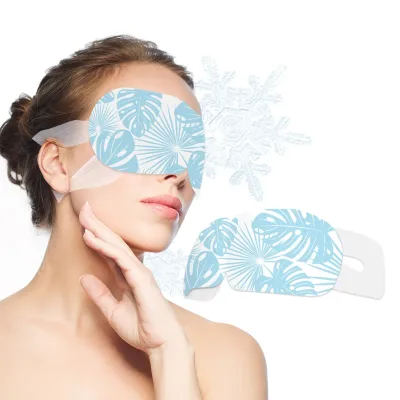


Care Hydrogel Cooling Eye Patch Eye Health Effective Protection Vision
$0.11 - $0.15
MOQ: 10000 pieces


Eye Care Gel Patch Anti Puffiness Brightening Cooling Cold Compress Eye Pad
$0.11 - $0.15
MOQ: 10000 pieces

Keep Your Eyes Healthy Self-Heating Steam Eye Mask Sleeping Eye Mask Patch
$0.12 - $0.18
MOQ: 10000 pieces
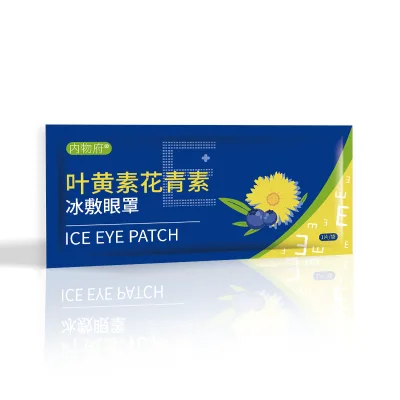


Comprehensive Sourcing Guide
Strategic Sourcing Guide for Cooling Eye Care Patches
Understanding Product Categories and Technical Specifications
The market for cooling eye care patches encompasses a diverse range of products designed for specific therapeutic and cosmetic outcomes. When sourcing these items, buyers must first distinguish between the primary functional categories observed in current supply chains. The data indicates a clear bifurcation between products designed for general muscle relief and those specifically engineered for ocular care. One category is explicitly defined by the attribute "Cold Therapy" and is utilized for applications such as muscle strain, sprain, and sciatic strain relief. These products often feature dimensions such as 175*60mm and are constructed from materials like a blend of 95% cotton and 5% spandex.
In contrast, the specific "Cooling Eye Care Patch" segment is characterized by distinct functional claims, including anti-puffiness and shading light capabilities. These products are tailored for all skin types and often carry model numbers such as CEM20250815 or CP010102. The physical specifications for these eye-specific units differ significantly from the broader muscle therapy category, with single package sizes recorded around 18.5x8x0.5 cm and a travel size designation. The material composition for these patches is frequently noted as cotton, and they are often marketed with features like anti-aging and moisturizing functions.
Buyers must carefully align their procurement needs with these technical realities. A product listed for "Cold Hot Dressing Application" targeting muscle strains may not be suitable for direct ocular application unless explicitly verified for eye safety. The "Cool Eye mask" product line, for instance, is distinct in its intended use for eye care, whereas other entries in the same supply pool are labeled for external use on muscles. Understanding these dimensional and functional variances is the first step in ensuring the correct product is sourced for the intended application.
Compliance, Certification, and Regulatory Verification
Navigating the regulatory landscape for medical and therapeutic devices is critical for B2B procurement. The supplied product data highlights specific certifications that serve as indicators of compliance, specifically mentioning FDA and CE marks. These certifications are essential for products intended for health-related applications, as they suggest adherence to safety and performance standards in major markets. However, the presence of these certifications in the general product pool does not guarantee that every specific SKU, such as the "Cool Eye mask" or the muscle strain patches, holds active, valid status.
Buyers must verify that the specific batch or model number they intend to purchase carries the relevant certification for their target market. For instance, while the data lists FDA and CE as observed attributes, the verification process should include checking the validity of these marks against the specific product model, such as CP010102 or cool-4. Additionally, the "Nature" attribute is listed as "Yes," which may imply a natural composition, but this should be cross-referenced with material safety data sheets to ensure no allergens are present, especially for products applied near the eyes.
The "Eco-friendly" feature is another compliance-related attribute that buyers should investigate. While listed as a product feature, this claim requires substantiation through recognized environmental standards or material sourcing documentation. Similarly, the "Disposable" nature of the product necessitates compliance with waste disposal regulations in the destination country. Buyers should request proof of compliance documents for each specific model, ensuring that the FDA and CE certifications apply to the exact item being ordered, rather than assuming they cover the entire product line.
Cost Drivers and Pricing Dynamics
The pricing structure for cooling eye care patches is influenced by several variable factors, including customization levels, packaging requirements, and order volume. The observed price range in the market spans from $0.02 to $3.00 USD. This wide disparity suggests that the base unit cost is highly sensitive to the complexity of the product and the value-added services provided. Lower-priced items typically correspond to standard, non-customized units with minimal packaging, such as those sold in simple boxes or without boxes.
Conversely, the upper end of the price spectrum is driven by customization and specialized packaging. The data indicates that "Customized" options are available, including the ability to provide customized bags and boxes. These value-added services significantly increase the unit cost. Furthermore, the "Supply Type" is listed as OEM/ODM, which implies that buyers can request custom branding and formulation changes. These services incur additional costs that are reflected in the higher price points.
Order volume is another critical cost driver. The Minimum Order Quantity (MOQ) ranges from 3 to 50,000 units. Buyers purchasing small quantities, such as the 3-unit minimum, will likely face a higher per-unit cost compared to those ordering at the 50,000-unit level. The "Available Quantity" of 10,000 units for certain models also suggests that stock availability can impact pricing stability. Buyers should negotiate based on their specific volume requirements, understanding that larger orders may unlock lower price tiers but require a higher upfront commitment.
Typical Applications and Usage Scenarios
The application of cooling eye care patches extends beyond simple relaxation, serving multiple therapeutic and cosmetic functions. The primary usage mode is defined as "For External Use," which encompasses a broad range of scenarios. For the specific eye care segment, the applications include addressing puffiness, providing anti-aging benefits, and moisturizing the delicate skin around the eyes. The "Anti-Puffiness" and "shading light" features suggest these products are designed for users seeking immediate relief from fatigue or cosmetic enhancement.
In the broader context of the supply pool, similar cooling technologies are applied to muscle relief and physical therapy. The "Cold Hot Dressing Application" is noted for treating muscle strains, sprains, and sciatic strains. While these are distinct from eye care, the underlying technology of cold therapy is shared. Buyers should be aware that while the mechanism of action (cold therapy) is consistent, the specific formulation and safety profile for eye application differ from those intended for muscle use.
The "Operational Environment" is listed as "All," indicating that these products are versatile and can be used in various settings, from home recovery to professional physical therapy clinics. The "Waterproofness" attribute, described as "Good Waterproof and Weather Resistance," suggests durability in different environmental conditions, which is beneficial for athletes or individuals using the patches during travel. The "Age Group" is specified as "Adult," confirming that these products are not intended for pediatric use without specific medical supervision.
Supplier Evaluation and Sourcing Channels
Evaluating suppliers for cooling eye care patches requires a rigorous assessment of their capabilities and track record. The data indicates that suppliers offer OEM and ODM services, allowing for significant customization. This flexibility is a key indicator of a supplier's ability to meet specific buyer requirements, such as custom branding or unique packaging designs. Buyers should verify the supplier's capacity to handle the "Customized" requests, including the provision of customized bags and boxes.
The geographical origin of the products is another critical factor in supplier evaluation. The data lists multiple origins, including Xinghua, Taizhou, Jiangsu; Qingdao; and Hebei, China. Each region may have different strengths in manufacturing, logistics, and quality control. Buyers should assess the logistical implications of sourcing from these different locations, considering lead times and shipping costs. The "Shef Life" (Shelf Life) of the products varies, with some listed as 3 years and others as two years, which can impact inventory management and storage requirements.
When evaluating suppliers, buyers should also consider the "Samples" availability. The data mentions that 10 free samples are available for certain products, which is an excellent opportunity for buyers to test product quality before committing to a large order. This trial phase is essential for verifying the "Feature" claims, such as the eco-friendly nature or the specific cooling performance. Buyers should also check the "Selling Units," which are listed as single items, indicating flexibility in purchasing small quantities for testing or immediate needs.
Quality Control and Long-Term Procurement Considerations
Ensuring consistent quality is paramount in the procurement of cooling eye care patches. The "Standard" attributes provide a baseline for material composition, such as the 95% cotton and 5% spandex blend for certain models, or the 3 PCS/box and 3 tablets/box packaging standards. Buyers must verify that the production process consistently adheres to these standards. The "Style" is noted as "New Design," which suggests that the market is evolving, and buyers should ensure that the designs they source are not only aesthetically pleasing but also functionally superior.
Long-term procurement considerations include the stability of the supply chain and the reliability of the "Available Quantity." With an observed available quantity of 10,000 units for some models, buyers should plan their inventory to avoid stockouts. The "Disposable" nature of the product means that repeat orders are necessary, making the relationship with the supplier crucial for maintaining a steady supply. Buyers should also consider the "Packaging" options, such as "with Box and Without Box," and select the option that best aligns with their distribution strategy and cost objectives.
Quality control should extend to the "Single gross weight" and "Single package size" specifications. These metrics are vital for logistics planning and cost estimation. For example, a single gross weight of 0.200 kg and a package size of 18.5x8x0.5 cm must be consistent across all batches to ensure efficient shipping and storage. Buyers should implement a quality assurance protocol that includes random sampling and testing of the "Cool Eye mask" and other related products to ensure they meet the "Anti-Puffiness" and "Moisturizing" claims.
Comparative Analysis of Product Attributes
To facilitate informed decision-making, the following table compares key attributes of the different product types observed in the supply pool. This comparison highlights the distinctions between muscle relief patches and eye care patches, aiding buyers in selecting the appropriate product for their needs.
| Attribute | Muscle Relief / Cold Therapy Patch | Cooling Eye Care Patch |
|---|---|---|
| Primary Application | Muscle Strain, Sprain, Sciatic Strain | Anti-Puffiness, Shading Light, Anti-Aging |
| Typical Size | 175*60mm | 18.5x8x0.5 cm (Travel Size) |
| Material Composition | 95% Cotton, 5% Spandex | Cotton |
| Key Features | Cold Hot Dressing, Waterproof | Anti-Puffiness, Moisturizing |
| Shelf Life | 3 Years | Two Years |
| Packaging Standard | 3 PCS/box | 3 tablets/box |
| Model Examples | cool-4, CP010102 | CEM20250815, CP010102-02 |
| Target Age Group | Adult | Adult |
This comparison underscores the importance of matching the product specifications to the intended use case. While both categories utilize cold therapy, their specific formulations, sizes, and functional claims differ significantly. Buyers must ensure that the product they select aligns with their specific requirements, whether for physical therapy or cosmetic eye care. By carefully analyzing these attributes, buyers can optimize their procurement strategy and ensure customer satisfaction.
FAQs
Can I find cooling eye care patches with FDA and CE certifications?
Yes, some cooling eye care patches in the supply pool hold FDA and CE certifications. Buyers must verify that these specific marks apply to the exact model number, such as CP010102, rather than assuming they cover the entire product line. Always request proof of compliance documents for the specific batch before ordering.
What is the minimum order quantity for cooling eye care patches?
The minimum order quantity ranges from 3 to 50,000 units depending on the supplier and customization level. Smaller orders typically incur higher per-unit costs, while larger volumes may unlock lower price tiers. Buyers should negotiate based on their specific volume requirements to optimize the unit cost effectively.
How long is the shelf life of these cooling eye care patches?
The shelf life varies between two years and three years depending on the specific product model. This difference impacts inventory management and storage requirements for buyers. Ensure you confirm the exact shelf life for the batch you intend to purchase to avoid stock expiration issues.
Which materials are used to make cooling eye care patches?
Materials often include cotton blends, such as 95% cotton and 5% spandex, or pure cotton for specific models. Some products are also described as eco-friendly and disposable. Buyers should cross-reference material safety data sheets to ensure no allergens are present, especially for items applied near the eyes.
Can suppliers provide customized packaging for cooling eye care patches?
Yes, suppliers offer customized bags and boxes as part of their OEM and ODM services. These value-added services significantly increase the unit cost compared to standard packaging options. Buyers should verify the supplier's capacity to handle custom branding and unique packaging designs before committing to a large order.
What is the price range for cooling eye care patches in USD?
The observed price range spans from 0.02 to 3.00 USD per unit. This wide disparity reflects differences in customization, packaging, and order volume. Lower prices usually correspond to standard, non-customized units, while the upper end is driven by specialized features and bulk ordering discounts.
Where are cooling eye care patches manufactured?
Products originate from various locations in China, including Xinghua, Taizhou, Jiangsu; Qingdao; and Hebei. Each region may have different strengths in manufacturing, logistics, and quality control. Buyers should assess the logistical implications of sourcing from these different locations to determine lead times and shipping costs.