Source Cordyceps Capsules for Health, Energy, and Immunity
Compare 30 listings of Cordyceps Capsules from verified Chinese manufacturers offering OEM services and custom formulations. Buyers can review specifications like extraction type, dosage form, and packaging options to find suitable health food supplements.
Key considerations
Products List


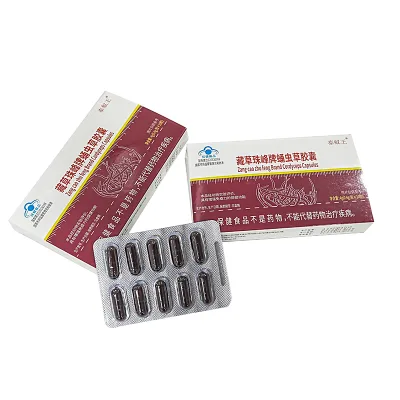
Factory OEM Provides Energy Support Immune Endurance Cordyceps Sinensis Capsules
$2.20 - $2.80
MOQ: 100 Bottle


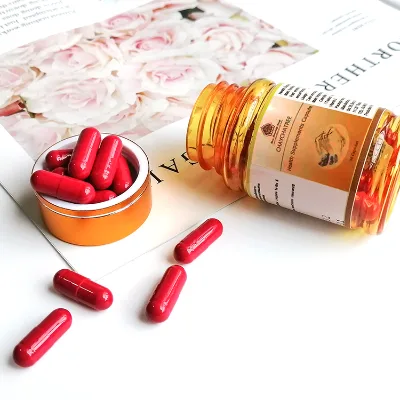
Cordyceps Capsules Supplement for Energy Stamina Endurance Cordyceps Mushroom
$2.49 - $3.19
MOQ: 100 bottle
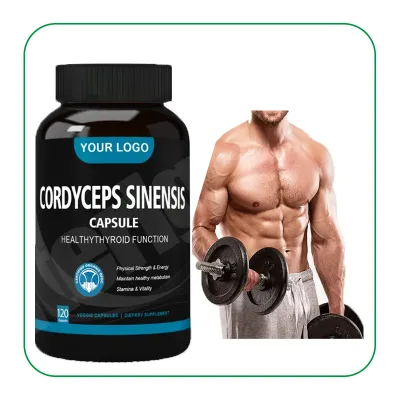
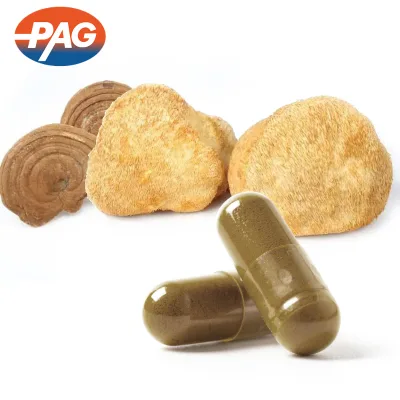
Private Label Cordyceps Sinensis Mushroom Herbal Cordyceps Sinensis Extract Capsules
$2.23 - $3.86
MOQ: 100 Minimum







Comprehensive Sourcing Guide
Strategic Sourcing Guide for Cordyceps Capsules
Understanding Product Specifications and Formulations
When initiating a procurement process for Cordyceps Capsules, the first critical step involves a granular analysis of the product's technical specifications. The market offers a diverse range of formulations, primarily distinguished by the physical state of the raw material and the final dosage form. Based on available industry data, the core active ingredient is frequently identified as Cordyceps Sinensis extract. This extract is typically derived through solvent extraction methods, a process that isolates specific bioactive compounds from the fruit body of the herb. Buyers must recognize that while the final product is marketed as a capsule, the intermediate material often exists as a powder before being encapsulated.
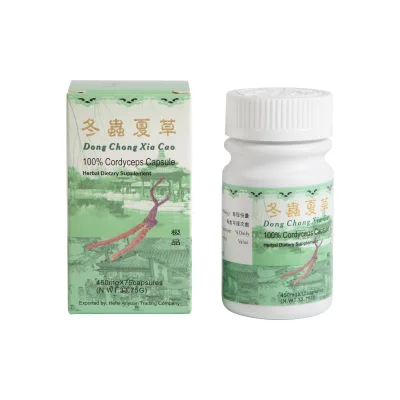
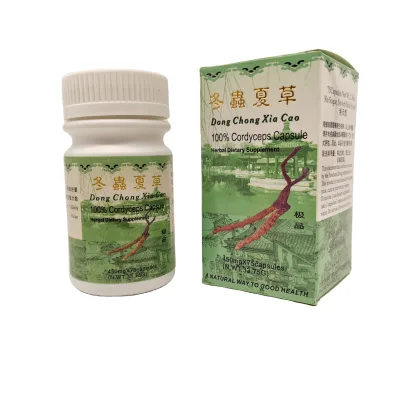
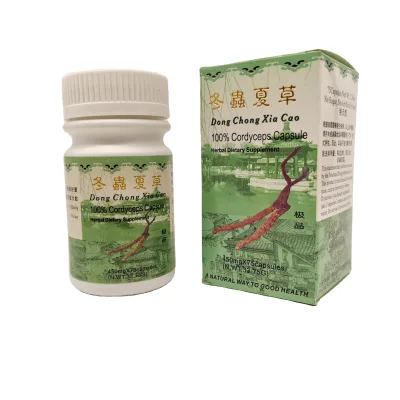
The physical characteristics of the product are vital for logistics and storage planning. Observed data indicates that single gross weights can vary significantly depending on the packaging configuration, ranging from 0.500kg to 1.500kg per unit. This variance suggests that the weight is heavily influenced by the container type and the quantity of capsules within. Regarding the packaging itself, suppliers may utilize various containers, including bottles, drum glass containers, and Mason jars, often encased in cartons for secondary protection. The standard packaging configuration for individual units often adheres to a specific count, such as 75 capsules per bottle, though this should be verified against the specific supplier's capability.
Dimensional specifications are equally important for freight optimization. The single package size for finished goods can range from approximately 15.00x20.00x30.00 cm to 18x9.5x12 cm, depending on the bottle diameter and carton dimensions. These dimensions directly impact the volume of goods that can be loaded into shipping containers, affecting the overall landed cost. Furthermore, the shelf-life is a critical parameter, with standard industry observations pointing to a 24-month duration from the date of manufacture. This timeline necessitates a procurement strategy that accounts for lead times and inventory turnover to ensure product efficacy is maintained upon arrival.
Compliance Framework and Certification Verification
Navigating the regulatory landscape is perhaps the most complex aspect of sourcing health supplements. For Cordyceps Capsules intended for the global market, particularly in regions with stringent food safety laws, verifying supplier certifications is non-negotiable. The supply chain data highlights several key certifications that serve as indicators of a manufacturer's commitment to quality and safety. These include Good Manufacturing Practice (GMP) and ISO standards, specifically ISO22000, which addresses food safety management systems. The presence of these certifications suggests that the facility adheres to rigorous hygiene and process control protocols.
However, buyers must exercise caution and not assume that every listed product automatically possesses these credentials. The verification process requires direct inquiry and the request for valid, up-to-date certificates. In addition to general manufacturing standards, the grade of the raw material is a crucial compliance factor. The product is often classified as "Food Grade," which distinguishes it from industrial or pharmaceutical-grade extracts. This classification dictates the permissible usage and regulatory clearance required in the destination market.
Another layer of compliance involves the cultivation method. The data indicates that the source material is often derived from artificial planting rather than wild harvesting. This distinction is significant for sustainability claims and supply chain stability. Artificial planting ensures a consistent supply of the fruit body, mitigating the risks associated with over-harvesting wild populations. Buyers should also verify if the product carries "Organic" certification if that is a specific requirement for their target demographic. The absence of such a claim in general listings means it must be explicitly confirmed with the supplier, as it is not a universal attribute of all Cordyceps Capsules.
Cost Drivers and Pricing Structures
The pricing of Cordyceps Capsules is influenced by a multitude of variables, making it difficult to establish a single universal price point. The observed market range is extensive, spanning from $0.01 to $6,500. This broad spectrum reflects the difference between raw material costs, packaging choices, order volumes, and the level of customization required. A unit price at the lower end of this spectrum likely corresponds to bulk raw powder or minimal packaging, whereas the higher end may reflect finished, branded, custom-formulated products with premium packaging.
A primary cost driver is the Minimum Order Quantity (MOQ). The market data reveals an MOQ range from 1 unit to 300,000 units. Suppliers often employ tiered pricing models where the unit cost decreases significantly as the order volume increases. For buyers with high demand, negotiating a lower MOQ for the first order to test the market, followed by a commitment to larger volumes, can be a strategic approach. Conversely, buyers seeking small batches may face higher per-unit costs due to the fixed overheads of production setup and packaging.
Customization is another significant factor affecting the final price. The ability to customize the dosage form, flavor, and logo printing adds value but also incurs additional costs. The supply chain supports OEM (Original Equipment Manufacturer) and ODM (Original Design Manufacturer) services, allowing buyers to create private label products. This service includes the ability to customize the extraction type and the specific blend of ingredients, such as ensuring the product is "Pure Herbal." The inclusion of logo printing and specific packaging designs, such as custom bottles or cartons, will further influence the total cost. Buyers should request a detailed breakdown of costs to understand the premium paid for these value-added services.
Typical Applications and Target Demographics
Cordyceps Capsules are primarily positioned within the health food and dietary supplement sectors. The product is designed for adult consumption, with a standard dosage recommendation of two capsules per day. The application is broad, targeting individuals seeking to support overall wellness, energy levels, and immune function. The "Unisex" classification indicates that the product is suitable for a wide demographic, without specific gender-based restrictions.
The versatility of the product allows for various applications in the market. It can be marketed as a general health supplement, a specific herbal remedy, or a functional food ingredient. The "Active Ingredient" being Cordyceps Sinensis extract suggests a focus on the traditional medicinal properties of the herb, which are often associated with vitality and endurance. The "Food Grade" status ensures that the product can be legally sold as a dietary supplement in most jurisdictions, provided it meets local labeling and safety regulations.
Buyers should consider the specific needs of their target market when selecting a supplier. For instance, if the target audience is health-conscious consumers looking for natural products, emphasizing the "Organic" feature and "Pure Herbal" ingredients is essential. If the market is more focused on performance and energy, highlighting the extraction method and the concentration of the active ingredient becomes more relevant. The "Flavor" being customizable allows suppliers to tailor the product to regional taste preferences, which can be a significant competitive advantage in diverse markets.
Supplier Evaluation and Selection Criteria
Selecting the right supplier requires a comprehensive evaluation beyond just price and product specifications. The supply chain data indicates that the primary production origin is China, with specific manufacturing hubs noted in Fujian and Shanxi provinces. While these regions are known for their herbal production capabilities, buyers should verify the specific location of the manufacturing facility to assess logistical efficiency and potential trade barriers.
A critical evaluation metric is the supplier's production capacity. The observed supply ability is listed as 3,000,000 kilograms per year, which indicates a large-scale operation capable of meeting high-volume demands. However, buyers must confirm if this capacity is dedicated to their specific order or if it is shared across multiple clients. The availability of samples is another positive indicator, suggesting that the supplier is confident in their product quality and willing to facilitate the testing process.
The supplier's service model is also a key differentiator. The availability of OEM, ODM, and private label services demonstrates flexibility and a customer-centric approach. Buyers should assess the supplier's responsiveness to customization requests, such as adjusting the dosage form or packaging details. The ability to provide "Ask Customer Service" for effectiveness customization implies a collaborative approach to product development. Additionally, the supplier's adherence to storage requirements, such as keeping products in a cool, dry place with insect prevention measures, reflects their attention to quality control throughout the supply chain.
Quality Control and Long-Term Procurement Strategy
Ensuring consistent quality is paramount in the supplement industry. The shelf-life of 24 months sets a clear timeline for inventory management, requiring buyers to implement a First-In, First-Out (FIFO) system to prevent product degradation. Storage methods must be strictly followed, with specific attention to temperature and humidity control to maintain the integrity of the cordyceps extract. The "Storage Note" regarding insect prevention highlights the need for robust packaging and warehouse conditions.
For long-term procurement, establishing a strong relationship with a reliable supplier is essential. This involves regular communication, quality audits, and perhaps third-party testing to verify the active ingredient content and the absence of contaminants. The supplier's ability to provide detailed packaging details, such as the specific type of bottle or carton, allows for better planning of the supply chain. Furthermore, the flexibility to adjust the dosage form and ingredients based on market feedback ensures that the product remains competitive over time.
Buyers should also consider the environmental and ethical implications of their sourcing. The use of artificial planting methods supports sustainability, and verifying the "Organic" status can enhance the brand's reputation. Finally, maintaining a buffer stock to account for potential lead time variations is a prudent strategy. By combining technical knowledge, rigorous supplier evaluation, and a proactive quality control strategy, buyers can successfully navigate the complex market for Cordyceps Capsules and build a resilient supply chain.
Comparative Analysis of Product Attributes
To facilitate a clearer understanding of the diverse options available in the market, the following table summarizes key product attributes observed in the supply chain. This comparison helps buyers identify the specific features that align with their procurement needs.
| Attribute Category | Observed Options | Key Considerations for Buyers |
|---|---|---|
| Dosage Form | Capsules, Powder | Verify the final form required; powder may need encapsulation. |
| Active Ingredient | Cordyceps Sinensis Extract | Confirm extraction method (Solvent Extraction) and purity. |
| Packaging Type | Bottle, Drum Glass, Mason Jar, Carton | Assess durability and suitability for target market. |
| Certification | GMP, ISO, ISO22000 | Request valid certificates; verify scope and validity dates. |
| Origin | China (Fujian, Shanxi) | Check specific facility location for logistics and compliance. |
| MOQ Range | 1 - 300,000 Units | Negotiate based on volume; lower MOQs may have higher unit costs. |
| Customization | Flavor, Logo, Dosage, Packaging | Confirm feasibility and cost implications of custom requests. |
| Shelf-Life | 24 Months | Plan inventory turnover to ensure product freshness. |
| Grade | Food Grade | Ensure compliance with local food safety regulations. |
| Cultivation | Artificial Planting | Verify sustainability claims and supply stability. |
This structured approach to evaluating product attributes ensures that buyers make informed decisions based on verified data rather than assumptions. By focusing on these critical factors, procurement professionals can secure high-quality Cordyceps Capsules that meet both regulatory standards and market demands.
FAQs
Can I customize the flavor and dosage form of Cordyceps Capsules?
Yes, customization is available for both flavor and dosage form. You can request specific adjustments by contacting customer service to discuss your requirements for the final product.
What certifications do the manufacturers hold for these supplements?
Manufacturers typically hold GMP, ISO, and ISO22000 certifications. These credentials indicate adherence to strict food safety management systems and good manufacturing practices for health supplements.
How long is the shelf life of the finished Cordyceps Capsules?
The standard shelf life is 24 months from the date of manufacture. Proper storage in a cool, dry place with insect prevention measures is required to maintain this duration.
Which packaging options are available for bulk orders of capsules?
Available packaging includes bottles, drum glass containers, and Mason jars, often packed in cartons. Specific configurations like 75 capsules per bottle are standard but can be customized.
Can I order samples before committing to a large production run?
Yes, samples are available for evaluation before placing a large order. This allows you to verify the quality of the pure herbal ingredients and the extraction process.
What is the minimum order quantity for private label services?
The minimum order quantity ranges from 1 unit up to 300,000 units depending on the supplier and customization level. Smaller batches may incur higher per-unit costs due to setup fees.
How is the cordyceps extract derived from the fruit body?
The extract is derived using solvent extraction methods from the fruit body of the herb. This process isolates the active ingredients while maintaining the food-grade quality of the final supplement.