Source Cork Leather for Bags, Shoes, and Furniture
Explore 30 listings of Cork Leather available for industrial and household applications. Buyers can compare features like waterproofing, anti-static properties, and customization options across multiple suppliers in China.
Key considerations
Products List


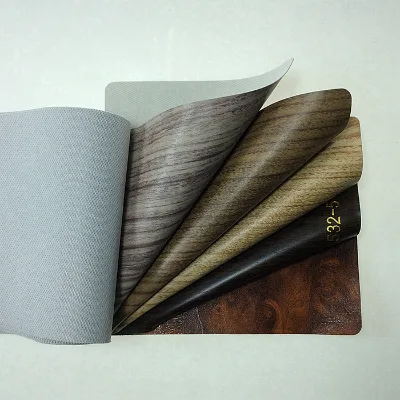
Cork Fabric Natural Eco Friendly Custom Design for Decoration and Crafts
$4.30 - $4.50
MOQ: 5000 Yards



Comprehensive Sourcing Guide
Strategic Sourcing Guide for Cork Leather Materials
The global shift toward sustainable alternatives in the manufacturing sector has elevated Cork Leather to a prominent position within the B2B procurement landscape. This material, derived from the bark of the cork oak tree, offers a unique blend of natural resilience, aesthetic versatility, and environmental benefits. For procurement professionals, sourcing Cork Leather requires a nuanced understanding of its technical specifications, compliance frameworks, and application-specific performance. This guide provides a disciplined approach to evaluating suppliers and selecting materials that align with rigorous quality standards and operational needs.
Technical Specifications and Material Composition
Understanding the physical and chemical properties of Cork Leather is the foundational step in any sourcing strategy. Unlike traditional leather or synthetic PU alternatives, Cork Leather is a composite material. The supplied data indicates that the core material is cork, often processed into sheets or gaskets with specific moisture content ranges. For instance, observed specifications for cork-based products list a moisture content between 7% and 9%, a critical parameter for dimensional stability and resistance to warping in varying climates.
The physical form of the material varies significantly based on the intended application. Procurement teams should verify the width specifications, as standard widths for similar textile-based leather alternatives often fall within the 54/55" range, though cork sheets may differ based on the cutting process. The surface finish is another key attribute; data points suggest a "Finished" pattern type, indicating that the material is ready for downstream manufacturing without requiring additional surface treatments.
When evaluating the structural integrity, buyers must consider the density and flexibility. The material is often categorized by its level, such as "Split Leather" in broader contexts, though Cork Leather specifically relies on the natural cellular structure of the bark. The material is noted for being eco-friendly and, in some configurations, super absorbent or lint-free, which dictates its suitability for specific industrial or consumer goods. The customization options are extensive, with suppliers offering various shapes and designs, including contemporary styles suitable for board decorations or specialized industrial components.
Compliance, Certification, and Regulatory Standards
In the international B2B market, regulatory compliance is non-negotiable. When sourcing Cork Leather, procurement officers must rigorously verify that suppliers adhere to recognized international standards. The supplied context highlights several critical certifications and standards that should be present in a compliant supplier's documentation. These include RoHS (Restriction of Hazardous Substances), REACH (Registration, Evaluation, Authorisation and Restriction of Chemicals), and SGS testing reports.
The presence of ISO9001 certification is also a strong indicator of a supplier's commitment to quality management systems. While some suppliers may offer "Customized" standards based on specific client requests, the baseline expectation for reputable manufacturers involves adherence to these global benchmarks. It is essential to distinguish between general certifications and specific product testing results. For example, while OEKO-TEX is a recognized standard in the textile industry, its specific application to Cork Leather must be confirmed on a per-shipment basis rather than assumed.
Buyers should request a Certificate of Analysis (CoA) for every batch, ensuring that the moisture content remains within the 7-9% range and that no restricted substances are present. The origin of the material also plays a role in compliance; products originating from regions like Ningbo or Guangzhou in China must still meet the destination country's import regulations. Verifying that the supplier's quality control processes are aligned with these standards is more important than relying on a supplier's general reputation.
Cost Drivers and Pricing Dynamics
The pricing of Cork Leather is influenced by a complex matrix of factors, including raw material sourcing, processing complexity, and order volume. The observed price range in the market spans from $1 to $28 per unit, reflecting the diversity of product types, from simple gaskets to finished fashion materials. This wide variance suggests that buyers must look beyond the unit price and analyze the total cost of ownership.
Several key drivers impact the final cost. First, the customization level is a primary factor. Products with "Customized" shapes, colors, or specific functional attributes like thermal insulation or soundproofing command a premium. The supplied data lists a vast array of available colors, including Army Green, Beige, Black, Navy, and various shades of blue and green, which may require specific dyeing processes that increase costs.
Second, the Minimum Order Quantity (MOQ) significantly affects unit pricing. The observed MOQ range extends from 1 to 5,000 units. Suppliers offering lower MOQs often charge higher per-unit rates to cover setup and handling costs, whereas bulk orders of 5,000 units typically benefit from economies of scale. Additionally, the packaging method influences cost; options range from simple PE Film Bags to more robust Wooden Cases or OPP Color Bags with PVC/PE components. The choice of packaging must balance protection needs with cost efficiency.
Typical Applications and Functional Performance
Cork Leather is a versatile material with applications spanning multiple industries. The supplied data identifies usage in sectors such as household, outdoor, commercial, industrial, and decorative arts. Specific product models, such as those designated with codes like SMH-KJ-K464 or SUNWELL 1720, are tailored for distinct functions.
In the fashion and accessory sector, Cork Leather is utilized for shoes, bags, and belts. Its durability and abrasion resistance make it an ideal substitute for traditional leather in footwear and handbags. The material's "Waterproof" and "Anti-Mildew" properties are particularly valuable in these applications, ensuring longevity in humid environments.
For the furniture and interior design industry, the material serves as a premium upholstery option for sofas and decorative elements. Its "Insulating" and "Thermal Insulation" capabilities add functional value beyond aesthetics. In industrial settings, Cork Leather is employed for gaskets, seals, and soundproofing applications, leveraging its natural elasticity and resistance to compression. The "Soundproof" and "Anti-Static" features are critical for environments requiring noise reduction or electrostatic discharge protection.
The versatility of the material is further demonstrated by its use in notebook covers and home textiles. The "Eco-Friendly" attribute appeals to brands targeting environmentally conscious consumers, while the "Stocked" availability of certain models allows for rapid deployment in supply chains.
Supplier Evaluation and Sourcing Strategy
Selecting the right supplier requires a systematic evaluation process that goes beyond price comparisons. Buyers should prioritize suppliers who demonstrate transparency in their production processes and provide verifiable documentation. The origin of the product is a critical data point; suppliers located in Ningbo, Guangzhou, or other manufacturing hubs in China often have established logistics networks, but the specific facility's capability must be assessed.
When evaluating a potential partner, procurement teams should request samples that match the specific technical requirements of their project. This includes verifying the color consistency across the "Assorted" or specific color palettes, checking the moisture content, and testing the physical properties like abrasion resistance and waterproofing. The supplier's ability to offer "Customization" is also a key differentiator. Suppliers who can adapt the product model, such as changing the width or adding specific functional layers, provide greater value for specialized applications.
It is also vital to assess the supplier's quality control infrastructure. The presence of standards like SGS and ISO9001 suggests a structured approach to quality, but buyers should inquire about their internal testing protocols. The packaging methods, whether "PE Film Bag Inside, Plastic Woven Bag Outside" or "Wooden Case," should be evaluated for their ability to protect the product during transit. A supplier that invests in robust packaging demonstrates a commitment to product integrity.
Quality Control and Long-Term Procurement Considerations
Maintaining consistent quality over time is a challenge in any sourcing relationship, particularly with natural materials like cork. Long-term procurement strategies should include regular quality audits and clear communication channels for addressing defects. The "Customized" nature of many Cork Leather products means that specifications can drift if not closely monitored. Buyers should establish clear acceptance criteria based on the initial samples and technical specifications.
For long-term partnerships, flexibility in the supply chain is essential. Suppliers that offer a range of MOQs, from small batches for prototyping to large volumes for mass production, provide the agility needed to respond to market fluctuations. The ability to source different models, such as the HS-CNT series or the SMH-KJ series, allows buyers to diversify their product lines without switching suppliers.
Sustainability is another long-term consideration. As the market demand for eco-friendly materials grows, suppliers who can provide verifiable data on the sustainability of their cork sourcing will have a competitive advantage. Buyers should look for suppliers who are transparent about their raw material origins and processing methods. The "Eco-Friendly" label should be backed by concrete evidence, such as third-party testing or sustainable forestry certifications, to ensure it aligns with the buyer's corporate social responsibility goals.
In conclusion, sourcing Cork Leather requires a balanced approach that combines technical diligence with strategic supplier management. By focusing on verified specifications, robust compliance checks, and clear communication regarding customization and quality, procurement professionals can secure a reliable supply of this innovative material. The wide range of applications, from fashion to industrial components, underscores the material's value, making it a strategic asset for forward-thinking manufacturers.
| Feature Category | Key Attributes to Verify | Relevance to Procurement |
|---|---|---|
| Material Composition | Cork, Moisture Content (7-9%), Split Level | Ensures dimensional stability and natural origin. |
| Functional Properties | Waterproof, Anti-Mildew, Insulating, Soundproof | Determines suitability for specific environments (e.g., outdoor, industrial). |
| Compliance Standards | RoHS, REACH, SGS, ISO9001 | Mandatory for market access and regulatory adherence. |
| Customization Options | Shapes, Colors (Assorted/Specific), Width | Allows for brand differentiation and specific product design needs. |
| Packaging & Logistics | PE Film, Wooden Case, OPP Bag | Impacts product protection and shipping costs. |
| Supplier Origin | Ningbo, Guangzhou, China | Influences lead times, logistics, and potential tariffs. |
FAQs
What certifications do Cork Leather suppliers typically hold?
Suppliers often hold RoHS, REACH, and SGS standards, with some offering ISO9001 certification. While specific requests can be customized, these benchmarks ensure compliance with international safety and quality regulations for the material.
How is Cork Leather typically packaged for shipping?
Packaging varies by product type, ranging from PE film bags inside plastic woven bags to wooden cases or OPP color bags. The specific method depends on the product model and whether the order requires robust protection for industrial or fashion applications.
Which applications are suitable for Cork Leather materials?
The material is used for shoes, bags, furniture, belts, and industrial gaskets. Its waterproof and anti-mildew properties make it ideal for household, outdoor, and commercial settings, while its insulating features suit industrial components.
Can buyers customize the shape and color of Cork Leather?
Yes, customization is available for shapes, colors, and functional attributes like thermal insulation. Suppliers offer a wide color palette including navy, green, and beige, allowing for tailored designs to meet specific aesthetic or technical requirements.
What is the typical moisture content range for Cork Leather?
The moisture content typically ranges between 7% and 9% to ensure dimensional stability. This specific parameter is critical for preventing warping and maintaining the structural integrity of the material during processing and final application.
Where are Cork Leather products commonly manufactured?
Products are primarily manufactured in China, with specific origins noted in Ningbo and Guangzhou. These locations host established manufacturing hubs capable of producing various models ranging from simple gaskets to finished fashion materials.