Source Corn Cob Cutting Segmentation Machine for factories, restaurants, and retail
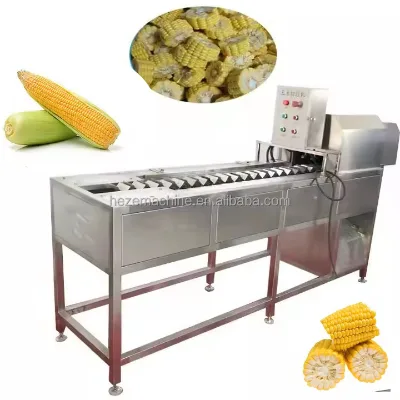
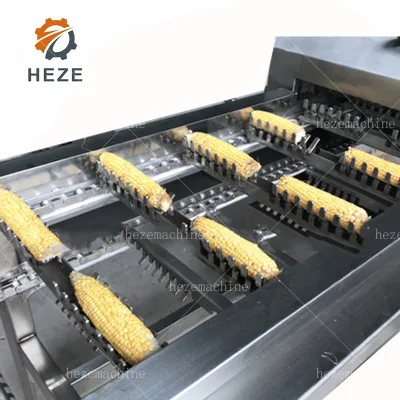
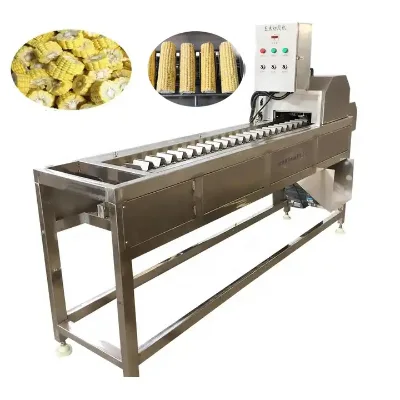
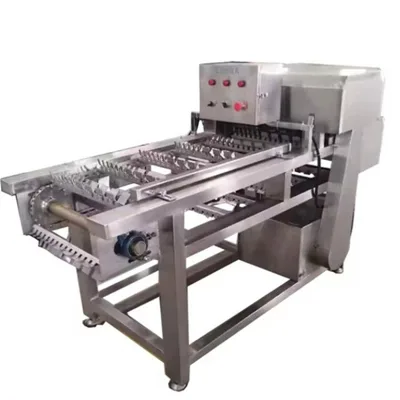
Compare 30 Corn Cob Cutting Segmentation Machine options from verified Chinese suppliers. Buyers can evaluate capacity, material, and warranty terms for fresh or frozen corn processing needs.
Key considerations
Products List
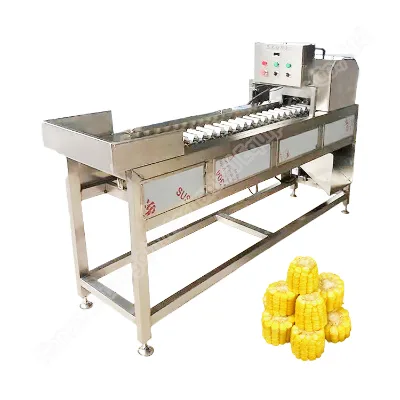
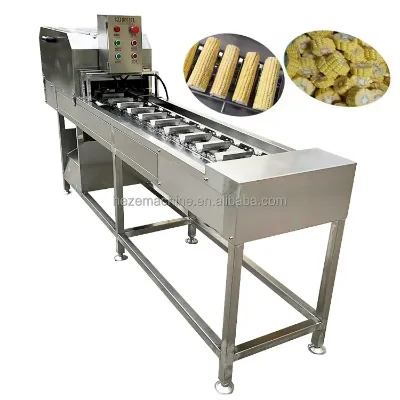
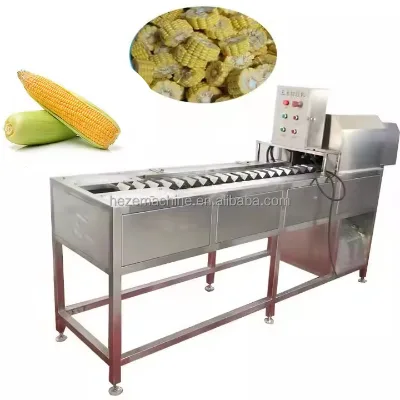
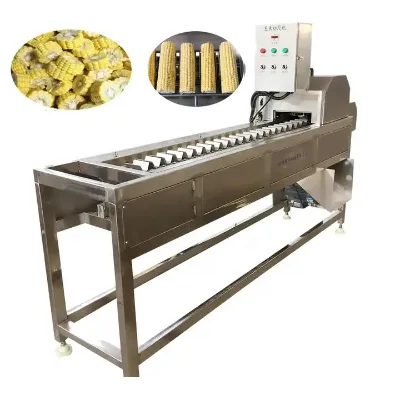
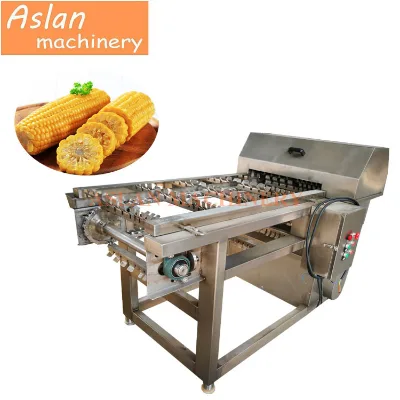
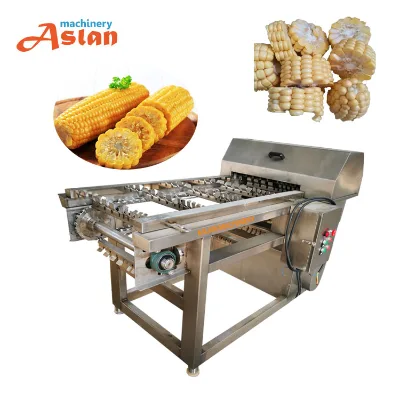

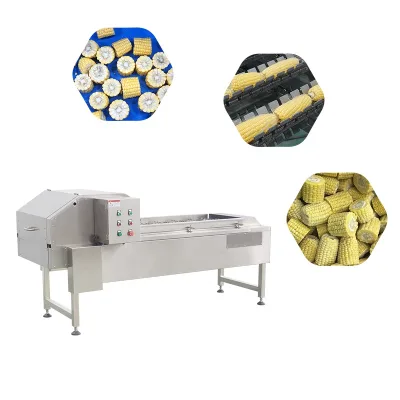


Corn Color Sorter Machine Corn Processing Machine Agricultural Machine
$11000.00 - $12000.00
MOQ: 1 Pieces


Corn Color Sorter Machine Corn Sorter Machine Corn Processing Machine
$13000.00 - $14000.00
MOQ: 1 Pieces

Optical Corn Color Sorter High Capacity Corn Sorting Processing Machine
$21000.00 - $25000.00
MOQ: 1 Pieces

Maize Corn Color Sorter Machine Maize Selector Corn Processing Machine
$15000.00 - $16000.00
MOQ: 1 Pieces


Automatic Corn Peeling Machine Corn Peeling Machine Corn Machine Corn Separator
$1938.00 - $2100.00
MOQ: 1 Pieces


Non-Peeling Corn Threshing Machine
$45.00 - $50.00
MOQ: 10 Pieces
Hunan Dongfanghong Electromechanical Manufacturing Co., Ltd.

Comprehensive Sourcing Guide
Strategic Sourcing Guide for Corn Cob Cutting and Segmentation Equipment
Procuring industrial-grade corn cob cutting and segmentation machines requires a rigorous approach to technical verification, supplier evaluation, and operational alignment. The market for equipment designed to process fresh and frozen corn, as well as vegetable blocks, is populated by manufacturers offering varying capacities, power ratings, and material constructions. Buyers must navigate a landscape where specifications such as cutting length, throughput capacity, and core component quality vary significantly between models. This guide outlines the critical factors for sourcing these machines, focusing on the evidence provided by current market listings and standard industry practices for food processing equipment.
Technical Specifications and Operational Capabilities
The primary technical differentiator in corn cob cutting segmentation machines is the balance between throughput capacity and processing precision. Current market data indicates that machines in this category typically offer a capacity range of 500kg/h to 800kg/h. This variance suggests that buyers must align the machine's output with their specific production line volume. For instance, a facility processing 500kg/h may require a unit with a 1.5kW power rating, whereas higher-volume operations might necessitate equipment rated at 3kW to maintain efficiency. The power source is predominantly electric, with voltage configurations often supporting both 220V and 380V standards to accommodate different regional electrical infrastructures.
Precision in segmentation is another critical technical parameter. The cutting length for these machines is adjustable, typically ranging from 30mm to 150mm. This flexibility allows processors to customize the final product size for various applications, whether for canned corn, frozen kernels, or fresh vegetable blocks. The physical dimensions of the machinery also vary; observed unit sizes range from approximately 1600mm in length to over 2300mm, with corresponding widths and heights that must be accounted for in factory floor planning. Material construction is a non-negotiable aspect of food safety; the industry standard for contact parts is 304 Stainless Steel, ensuring resistance to corrosion and ease of cleaning. Non-contact components are often constructed from durable stainless steel as well, though specific grades should be verified against the supplier's material declaration.
Core Components and Mechanical Reliability
The longevity and reliability of a corn cob cutting machine depend heavily on its core components. Market observations highlight that engines, motors, bearings, and gearboxes are the critical mechanical elements that drive performance. Some models explicitly list the engine as a core component, while others emphasize the motor and gearbox. The presence of a gearbox is particularly important for managing torque and ensuring smooth operation during high-load cutting cycles. Buyers should verify the quality and brand of these components, as they directly influence the machine's ability to handle continuous operation without overheating or mechanical failure.
Furthermore, the condition of the machinery is a vital consideration. All observed listings indicate that the equipment is sold as "New," which implies that the buyer is receiving a unit with a full operational lifespan ahead. However, the warranty period varies, with some suppliers offering one year of coverage and others providing two years. This discrepancy suggests that the warranty terms are not uniform across the market and should be treated as a specific negotiation point rather than a standard industry guarantee. The inclusion of video outgoing-inspection services by suppliers provides a layer of transparency, allowing buyers to visually verify the assembly and functionality of the machine before shipment.
Compliance, Safety, and Material Standards
While specific certification documents are not universally listed in the provided data, the material composition offers a baseline for compliance. The use of 304 Stainless Steel for contact surfaces aligns with general food safety standards required for equipment processing edible goods. However, buyers must independently verify that the electrical components meet the safety standards of their destination country, such as CE, UL, or local equivalents. The voltage flexibility (220V/380V) indicates that the electrical systems are designed for adaptability, but the specific wiring and safety switches must be confirmed to ensure they meet local regulatory requirements.
Compliance also extends to the operational environment. The machines are designed for use in Food & Beverage Factories, Restaurants, Retail settings, and Food Shops. This versatility implies that the equipment must meet hygiene standards suitable for both industrial and smaller-scale commercial environments. Buyers should request documentation regarding the machine's adherence to food safety regulations, such as HACCP principles, even if not explicitly stated in the initial product listing. The absence of specific certification claims in the source data necessitates a proactive approach where the buyer requests proof of compliance from the supplier prior to finalizing the purchase.
Cost Drivers and Procurement Economics
The cost of corn cob cutting segmentation machines is influenced by several factors, including capacity, power rating, and the quality of core components. The observed price range in the market spans from $1 to $25,000, a wide spectrum that reflects the diversity of machine sizes and capabilities. Lower-cost units may be smaller, lower-capacity models intended for home use or small retail operations, while higher-priced units likely represent industrial-grade machines with advanced features like adjustable thermostats and higher throughput.
The Minimum Order Quantity (MOQ) is another economic factor to consider. Listings indicate an MOQ range of 1 to 50 units, with some suppliers offering a single set as the minimum purchase. This flexibility is beneficial for buyers testing the market or those with smaller production needs. However, bulk purchasing may offer economies of scale, though specific discount structures are not detailed in the available data. Buyers should also consider the total cost of ownership, which includes energy consumption, maintenance costs for bearings and gearboxes, and potential downtime. The weight of the machines, ranging from 240kg to 300kg gross, also impacts shipping costs, which can be a significant variable in the overall procurement budget.
Supplier Evaluation and Verification Protocols
Evaluating suppliers for corn cob cutting machines requires a focus on transparency and verification capabilities. The presence of video outgoing-inspection services is a strong indicator of a supplier's confidence in their product quality. Buyers should utilize this feature to inspect the machine's assembly, weld quality, and component installation. Additionally, the brand names associated with these machines, such as CQ, HZ, and Kellen, suggest a competitive market with multiple manufacturers. Buyers should not assume that all brands offer the same level of quality or support; instead, they should conduct due diligence on each brand's reputation and after-sales service history.
When evaluating a supplier, buyers should verify the "Place of Origin," which is listed as Henan, China, for the observed units. This location is a known hub for food processing machinery, but it does not guarantee uniform quality. Buyers should request detailed information about the manufacturing facility, including its capacity, quality control processes, and history. The availability of spare parts is another critical factor; since core components like motors and gearboxes are subject to wear, the supplier's ability to provide timely replacements is essential for minimizing operational downtime.
Quality Control and Long-Term Procurement Strategy
Implementing a robust quality control strategy is essential for ensuring the longevity of corn cob cutting equipment. Buyers should establish clear acceptance criteria based on the machine's specifications, such as cutting length accuracy, throughput capacity, and material integrity. The observed weight variations (e.g., 250kg vs. 270kg) highlight the importance of verifying the actual weight and dimensions upon delivery to ensure they match the contract specifications. The inclusion of a warranty, whether one or two years, should be accompanied by a clear service agreement outlining the scope of coverage and response times for repairs.
For long-term procurement, buyers should consider the scalability of the equipment. As production volumes increase, the ability to upgrade or expand the processing line becomes crucial. Machines with adjustable features, such as the adjustable thermostat and variable cutting lengths, offer greater flexibility for adapting to changing market demands. Additionally, the versatility of the machines to handle fresh corn, frozen corn, and vegetable blocks makes them a valuable asset for diversified food processing operations. Buyers should plan for regular maintenance schedules, focusing on the lubrication of bearings and the inspection of cutting blades to prevent premature wear.
Application Versatility and Market Alignment
The applications for corn cob cutting segmentation machines extend beyond simple cob removal. These units are designed for the segmentation of corn sticks, the cutting of vegetable blocks, and the processing of both fresh and frozen corn. This versatility makes them suitable for a wide range of industries, from large-scale food factories to smaller retail operations. The ability to process frozen corn is particularly valuable, as it allows for year-round production regardless of seasonal availability of fresh produce.
The specific model numbers, such as CQ-C500, HZ-GZ552, and HZ-GM590, indicate a structured product line with distinct capabilities. Buyers should match the model number to their specific needs, considering factors like the required cutting length, capacity, and power requirements. The "Key Selling Points" of high productivity suggest that these machines are optimized for efficiency, but buyers should verify these claims through performance testing or references from existing users. Ultimately, the selection of the right machine depends on a careful analysis of the buyer's production requirements, budget constraints, and long-term operational goals.
Conclusion
Sourcing corn cob cutting segmentation machines involves a detailed examination of technical specifications, supplier reliability, and cost factors. The market offers a diverse range of options, from small-scale units to high-capacity industrial machines, each with unique features and capabilities. By focusing on core components, material standards, and verification protocols, buyers can make informed decisions that ensure the quality and efficiency of their food processing operations. The wide price range and varying MOQs provide flexibility, but they also require careful evaluation to avoid pitfalls associated with lower-quality equipment. Ultimately, a strategic approach to procurement, grounded in thorough due diligence and clear technical requirements, will lead to successful integration of these essential machines into the buyer's production workflow.
FAQs
What core components drive the Corn Cob Cutting Segmentation Machine?
The machine relies on engines, motors, bearings, and gearboxes as its core components. Some models specifically highlight the engine, while others emphasize the motor and gearbox to ensure smooth high-load operation and torque management during continuous cutting cycles.
Which materials ensure food safety for the cutting machine?
Contact parts are constructed from 304 Stainless Steel to ensure corrosion resistance and ease of cleaning. Non-contact components are also made from durable stainless steel, aligning with general food safety standards required for processing edible goods like fresh and frozen corn.
How is the cutting length adjusted on this equipment?
The cutting length is adjustable, typically ranging from 30mm to 150mm to customize product size. This flexibility allows processors to meet specific requirements for canned corn, frozen kernels, or fresh vegetable blocks without changing the machine hardware.
Can the machine process both fresh and frozen corn?
Yes, the equipment is suitable for processing fresh corn, frozen corn, and vegetable block cutting. This versatility makes it a valuable asset for diversified food processing operations that need to handle seasonal produce and year-round frozen inventory.
What capacity range do these machines typically offer?
Machines in this category typically offer a capacity range of 500kg/h to 800kg/h. Buyers must align the machine's output with their specific production line volume, as higher-volume operations may require units with higher power ratings to maintain efficiency.
Which warranty periods are available for the corn cutter?
Warranty periods vary between one year and two years depending on the supplier. This discrepancy suggests that warranty terms are not uniform across the market and should be treated as a specific negotiation point rather than a standard industry guarantee.
What voltage configurations support the electric power source?
The machines support both 220V and 380V voltage configurations to accommodate different regional electrical infrastructures. While the electrical systems are designed for adaptability, the specific wiring and safety switches must be confirmed to ensure they meet local regulatory requirements.