Source Cosmetic Grade Petroleum Jelly for Skincare, Medical, and Industrial Uses
Find 30 verified suppliers of cosmetic grade petroleum jelly suitable for skincare formulations, medical applications, and industrial lubrication. Compare specifications, grades, and packaging options to identify the right petrolatum for your manufacturing needs.
Key considerations
Products List


Factory Best Price Industry and cosmetic Grade 100% Pure Petroleum Jelly Original
$1000.00 - $1500.00
MOQ: 1 Tons


Factory Lowest Price Cosmetic Grade White Petroleum Jelly in Bulk Skin Care
$900.00 - $2000.00
MOQ: 5 Tons

Cosmetic Grade Supplier in Bulk White Petroleum Jelly Petrolatum for Skin Care
$1300.00 - $1470.00
MOQ: 20 Tons


Factory Lowest Price Cosmetic Grade White Petroleum Jelly in Bulk Skin Care
$1.25 - $1.41
MOQ: 13000 Bags


High Quality Cosmetics Grade Petroleum Jelly White /Petrolatum/Petroleum Jelly
$950.00 - $1350.00
MOQ: 10 Tons
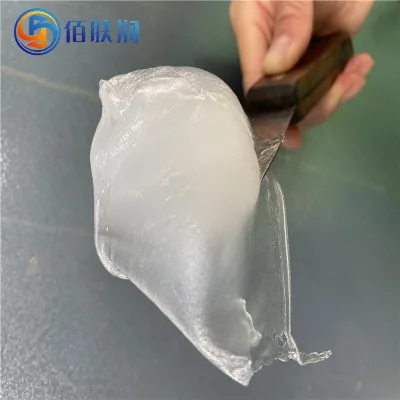


Cosmetic/Grade White Vaseline Petroleum Jelly White Vaseline/Vaseline Lotion
$780.00 - $1080.00
MOQ: 1 Tons


Wholesale Price White Petrolatum CAS 8009-03-8 Petroleum Jelly in Cosmetic Grade
$1033.00 - $1183.00
MOQ: 8 Tons


Comprehensive Sourcing Guide
Cosmetic Grade Petroleum Jelly Petrolatum Sourcing Guide
Sourcing cosmetic grade petroleum jelly requires a disciplined approach to distinguishing between industrial lubricants and formulations intended for direct skin contact. The market presents a wide array of listings where the same chemical base, often identified by its CAS number or generic name, is marketed under varying grades such as cosmetic, medical, or industrial. Buyers must navigate these distinctions carefully, as the production refinement process and subsequent testing protocols determine whether a batch is safe for topical application or restricted to heavy machinery and construction use.
The primary challenge in this category lies in the variability of product attributes listed across different supplier profiles. While some listings explicitly state "Cosmetic Grade" or "Medical Grade," others may only specify "Industrial Grade" or "Food and Industry," creating ambiguity about the final product's suitability. A robust sourcing strategy begins with verifying the specific grade designation against the intended application, ensuring that the product's refinement level and purity meet the stringent safety requirements for personal care formulations rather than general mechanical lubrication.
Product Scope and Observed Listing Signals
The observed product landscape for petroleum jelly includes significant variations in physical appearance and texture, ranging from smooth white creams to yellowish, stringy, or buttery formulations. Listings frequently describe the product as "White" or "Yellow/White," with some entries noting a "Bleeding" appearance or a "Texture: Stringy" characteristic, which may indicate different levels of refinement or the presence of specific additives. Buyers should treat these descriptive attributes as observations of specific batches rather than universal standards, recognizing that cosmetic grade products typically require a refined, smooth, and consistent white appearance to meet consumer expectations.
Packaging and physical specifications also vary widely, with observed options including 25kg bags, 165kg iron drums, and 180kg containers. Some suppliers list a standard of "165kg" or "Good quality," while others specify a melting point range of 45-60℃, which is a critical parameter for processing and stability. The presence of "Sample: Available" or "Sample: Yes" across multiple listings suggests that buyers should prioritize obtaining physical samples to verify texture, color, and melting behavior before committing to bulk orders, as visual descriptions alone are insufficient to confirm cosmetic suitability.
Technical Specifications to Verify
Verifying the technical specifications of petroleum jelly is essential to ensure the product meets the functional requirements of cosmetic manufacturing. The melting point is a key indicator of stability and texture, with observed ranges falling between 45-60℃, which influences how the jelly behaves during emulsion formation and storage. Buyers must confirm that the specific batch they intend to purchase maintains this melting range, as deviations can lead to separation in final formulations or an undesirable consistency in the finished cosmetic product.
The grade and refinement level are equally critical, with listings distinguishing between "Refined" products and those intended for heavy industrial use. While some entries mention a "Grade: Cosmetic/Industrial/Medical Grade," others specify "Industrial Grade" or "Cosmetic Grade" exclusively. It is imperative to verify that the product has undergone the necessary purification steps to remove impurities, as the "Refined" status is a prerequisite for cosmetic applications. Additionally, the base oil type and NLGI grade, often described as "Texture: Buttery" or "Texture: Stringy," must align with the rheological properties required for the specific cosmetic application, such as ointments or moisturizers.
Compliance and Safety Documentation
Compliance and safety documentation serve as the primary gatekeepers for entering the cosmetic supply chain, requiring suppliers to provide specific certificates of analysis and safety data sheets. The observed listings frequently mention "COA" (Certificate of Analysis) and "MSDS" (Material Safety Data Sheet) as available certifications, which are non-negotiable for verifying the purity and safety of the petroleum jelly. Buyers must ensure that these documents are current and specifically reference the cosmetic or medical grade of the product, rather than generic industrial standards, to confirm that the material is free from harmful contaminants.
Beyond standard documentation, the origin and production standards of the supplier play a vital role in establishing trust and regulatory compliance. Most observed products originate from China, and while some listings cite a standard of "min 99%" or "Good quality," these claims must be backed by third-party testing results. The HS Code 3403990000 is commonly associated with these lubricants and greases, but buyers should verify that the specific product classification aligns with cosmetic raw material regulations in their target market. Without explicit documentation confirming the absence of polycyclic aromatic hydrocarbons (PAHs) and other impurities, the product cannot be legally or safely used in cosmetics.
Cost Drivers and Commercial Terms
The cost of cosmetic grade petroleum jelly is influenced by a complex interplay of refinement levels, packaging formats, and order volumes, with observed price ranges spanning from $0.1 to $2000 per unit. This wide variance often reflects differences in packaging size, such as small sample quantities versus bulk 165kg iron drums, rather than a direct correlation to unit price. Buyers should analyze the cost per kilogram rather than the total listing price to make accurate comparisons, as the "165kg Iron Drum" format typically offers a more economical unit cost compared to smaller 25kg or 180kg containers.
Commercial terms and minimum order quantities (MOQ) are significant factors in the procurement strategy, with observed MOQs ranging from 1 unit to 20,000 units. The flexibility of the MOQ allows small startups to order samples or small batches, while larger manufacturers can leverage bulk purchasing power. However, buyers must be aware that the "Load: 20mt/20FCL" specification indicates that full container loads are often the most efficient shipping method for large volumes. Understanding these volume thresholds helps in negotiating better terms and managing inventory costs effectively.
Supplier Qualification and Quality Control
Supplier qualification in the petroleum jelly market requires a rigorous assessment of production capacity and quality control systems, as the distinction between cosmetic and industrial grades is often a matter of process control. Observed production capacities, such as "6000ton/Year," suggest that suppliers have the infrastructure to handle large-scale orders, but buyers must verify that their quality control protocols specifically address cosmetic-grade purity. The availability of customization and samples indicates a willingness to engage with buyers, but this should not replace the need for a formal audit of the supplier's manufacturing and testing facilities.
Quality control checks should extend beyond the initial sample to include ongoing verification of product consistency and adherence to specifications. The "Shelf Life: 2 Years" observed in listings is a critical parameter for inventory management, but buyers must confirm that this shelf life applies to the specific packaging and storage conditions they intend to use. Regular testing for texture, color, and melting point is necessary to ensure that the product remains stable over time. Additionally, verifying the supplier's ability to provide consistent "Good quality" batches is essential, as fluctuations in refinement can lead to significant issues in final cosmetic formulations.
Long-Term Procurement Checks
Establishing a long-term procurement relationship for cosmetic grade petroleum jelly involves continuous monitoring of supply chain stability and regulatory compliance. The "Application" fields observed in listings, which include "Industrial Machinery," "Food Processing," "Construction," and "Automotive," highlight the versatility of the product but also the risk of cross-contamination if the same production lines are used for non-cosmetic grades. Buyers should implement strict segregation protocols or require dedicated production runs to ensure that the cosmetic grade remains pure and free from industrial contaminants.
Future-proofing the supply chain requires staying informed about changes in global standards and regional regulations regarding petroleum-based ingredients. As the market evolves, suppliers may need to update their certifications or refine their processes to meet new safety requirements. Buyers should maintain open communication with suppliers regarding any changes in the "Other Name" or "Product Name" that might indicate a shift in formulation or grade. Regular reviews of the supplier's performance, including adherence to lead times and quality consistency, will ensure a reliable supply of high-quality petroleum jelly for long-term cosmetic production.
FAQs
What grades of petroleum jelly are available for cosmetic use?
Cosmetic grade petroleum jelly is available in refined forms suitable for skin care applications. The product is offered in white or yellow colors with a smooth, buttery texture. It meets industrial and medical grade standards, ensuring safety for topical use. Buyers can request customization to meet specific formulation needs for lotions or balms.
Can I request samples before placing a bulk order?
Samples are available for evaluation prior to committing to large purchases. This allows buyers to verify the texture, color, and purity of the white petrolatum. The supplier confirms sample availability to ensure the product meets quality expectations. This step helps mitigate risk for industrial machinery or food processing applications requiring high-purity inputs.
What packaging options are provided for wholesale purchases?
Products are packed in 165kg iron drums or 180kg containers for industrial stability. Smaller 25kg packages are also available for varied logistical needs. The drum packaging ensures the white cream remains protected during transit. This standard packing supports efficient loading for 20mt loads or 20FCL shipments from the origin location.
What certifications confirm the quality of this petrolatum?
Quality is verified through COA and MSDS documentation provided with each batch. These certificates confirm the product meets the stated 99% standard and refinement levels. The documentation supports compliance for cosmetic and industrial applications. Buyers can rely on these records to validate the product's suitability for sensitive manufacturing processes.
What is the shelf life and storage requirement?
The product has a shelf life of 2 years when stored correctly. It is a refined white petroleum jelly with a melting point between 45-60℃. The smooth, stringy texture remains stable under proper conditions. This longevity ensures consistent performance for lubrication or plasticizer uses in automotive and construction sectors.
Which industries utilize this cosmetic grade petroleum jelly?
This refined petrolatum serves industrial machinery, food processing, construction, and automotive sectors. It acts as a lubricant or plasticizer in various mechanical applications. The cosmetic grade variant is also used in personal care formulations. Its versatility allows it to function effectively across marine, agriculture, and general industrial environments.