Source Cosmetic Grade Macleaya Cordata Extract for Medicine,Health Care,Food
Find 30 verified options for Cosmetic Grade Macleaya Cordata Extract suitable for medicine, health care products, and food applications. Compare specifications, certifications, and packaging details from multiple suppliers to identify the best fit for your production needs.
Key considerations
Products List


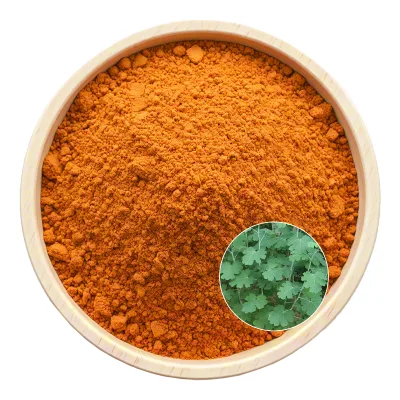
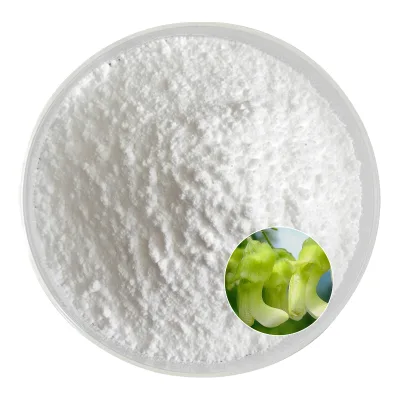
Pharma Ingredients 40% 60% Sanguinarine 60% 70% Alkaloids Macleaya Cordata Extract
$50.00 - $300.00
MOQ: 25 kg








Comprehensive Sourcing Guide
Strategic Sourcing Guide for Cosmetic Grade Macleaya Cordata Extract
Understanding the Product Profile and Technical Specifications
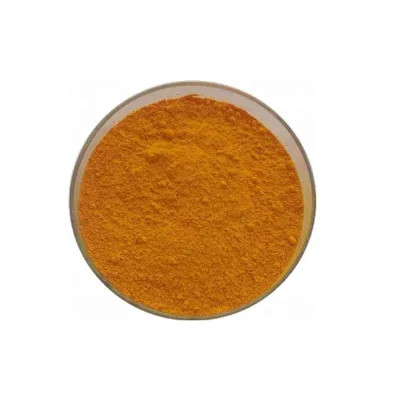
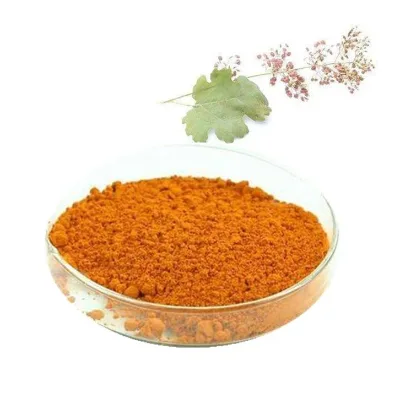
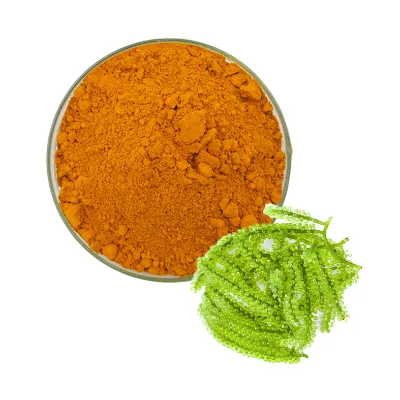
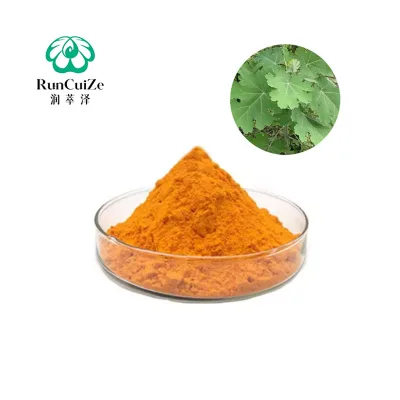
When sourcing Macleaya Cordata extract for cosmetic applications, buyers must first establish a clear understanding of the physical and chemical characteristics that define the raw material. The core product, often identified by its botanical source, Macleaya Cordata (also known as Plume Poppy), is primarily available in a solid state. Market observations indicate that the appearance of this extract typically ranges from a yellow powder to a brown fine powder, depending on the specific extraction process and the concentration of active alkaloids. The material is fundamentally a herbal extract, classified as a synthesis material intermediate in some industrial contexts, yet it is widely utilized for its bioactive properties in personal care formulations.
The technical specifications of Macleaya Cordata extract are defined by its alkaloid content, specifically Sanguinarine. Buyers should note that the concentration of this active ingredient varies significantly across different product grades. Observed specifications include models with 60% Sanguinarine, while other listings reference broader ranges such as 40% to 60% Sanguinarine or total alkaloid contents between 60% and 70%. The extraction type is predominantly solvent extraction, which influences the purity and solvent residue levels that must be verified. The assay methods used to verify these concentrations are critical; standard testing protocols include UV spectroscopy, High-Performance Liquid Chromatography (HPLC), and HPLC-MS for more detailed analysis. For cosmetic applications, the form of the extract is often a fine powder, though it may be processed into capsule or tablet forms for internal health products, which are distinct from topical cosmetic uses.
Regulatory Compliance and Certification Verification
Navigating the regulatory landscape is paramount when sourcing ingredients for the cosmetic industry. The Macleaya Cordata extract is often associated with a robust set of certifications that indicate compliance with international safety and quality standards. Commonly observed certifications include HACCP, FDA, ISO, BRC, and RoHS. For cosmetic manufacturing, the presence of ISO 9001 certification is a strong indicator of a supplier's quality management system, while BRC (British Retail Consortium) standards often signal adherence to high safety requirements suitable for food and cosmetic supply chains.
However, buyers must exercise caution when interpreting certification claims. While some product listings explicitly state "ISO Customized" or list specific certificates like COA (Certificate of Analysis) and MSDS (Material Safety Data Sheet), these are often product-specific rather than universal guarantees for all inventory. The "Food Grade" designation is frequently mentioned, which is beneficial for cosmetic applications but requires verification that the specific batch meets cosmetic-grade purity thresholds. The origin of the product is predominantly China, a major hub for botanical extraction, but this necessitates rigorous due diligence regarding the supplier's ability to maintain consistent quality across different batches. Buyers should verify that the supplier can provide valid, up-to-date certificates for every shipment, rather than relying on generic certification claims found on a general product page.
Cost Drivers and Pricing Dynamics
The pricing structure for Macleaya Cordata extract is influenced by several variables, including the concentration of active ingredients, the purity level, and the scale of the order. The observed price range in the market is extensive, spanning from $1 to $30,000 USD. This wide variance is not indicative of a single product but rather reflects the difference between small sample quantities, bulk industrial grades, and high-purity cosmetic grades. The Minimum Order Quantity (MOQ) is a significant cost driver, with observed ranges starting as low as 1 unit and extending up to 25 units, though specific product listings often cite an MOQ of 1kg.
Buyers should anticipate that higher concentrations of Sanguinarine, such as the 60% specification, will command a premium over lower-grade extracts. Additionally, the packaging requirements impact the final cost. Standard packaging includes 25kg drums, often with an inner aluminum foil bag for moisture protection, but smaller quantities like 100g, 1kg, or 25g are available for sampling or smaller production runs. The customization of the product, such as specific ratios ranging from 4:1 to 20:1, also adds to the cost structure. It is essential for procurement teams to request detailed quotations that break down the cost per kilogram based on the desired purity and packaging, rather than relying on a single listed price point.
Typical Applications in Cosmetic Formulations
Macleaya Cordata extract finds its primary utility in the cosmetic and personal care sectors due to its bioactive alkaloid profile. The product is suitable for adult use and is often formulated into various delivery systems. While the raw extract is a powder, it is frequently processed into capsule, tablet, or paste forms for internal health products. For cosmetic applications, the extract is typically incorporated into topical formulations where its properties are leveraged for skin health. The application scope extends to medicine and health care products, but the cosmetic industry utilizes it for its potential antimicrobial and anti-inflammatory effects, which are characteristic of Sanguinarine-rich extracts.
The versatility of the extract allows it to be used in a wide array of cosmetic products, from serums and creams to lotions and masks. The "Brown Fine Powder" appearance suggests it may require specific solubilization techniques or emulsification to ensure homogeneity in the final cosmetic product. Buyers should consider the stability of the extract in different pH environments and its compatibility with other cosmetic ingredients. The "Cool Dry Area" storage requirement is a critical factor for formulators, as improper storage can degrade the active alkaloids, rendering the ingredient ineffective in the final cosmetic product.
Supplier Evaluation and Supply Chain Reliability
Selecting a reliable supplier for Macleaya Cordata extract requires a multi-faceted evaluation process. The supply type is often listed as OEM/ODM, indicating that many suppliers offer customization services, which is advantageous for brands seeking proprietary formulations. However, the presence of customization options does not guarantee quality; buyers must verify the supplier's capacity to maintain consistency. The lead time for delivery is a critical operational metric, with some suppliers offering rapid delivery windows of 3-5 days, while others may have longer timelines depending on the order volume and customization requirements.
When evaluating potential suppliers, buyers should prioritize those who provide free samples, typically ranging from 10-20g, to conduct internal testing before committing to bulk orders. The ability to provide a Certificate of Analysis (COA) and Material Safety Data Sheet (MSDS) for every batch is non-negotiable. Furthermore, the supplier's origin in China should be managed with a clear understanding of logistics and import regulations. Buyers should assess the supplier's responsiveness to quality inquiries and their willingness to adhere to specific cosmetic industry standards that may exceed the baseline certifications listed on their product pages.
Quality Control and Testing Protocols
Quality control is the backbone of successful procurement for botanical extracts. The assay methods employed, such as UV, HPLC, and HPLC-MS, are the primary tools for verifying the identity and potency of the Macleaya Cordata extract. Buyers must ensure that the supplier uses these standardized methods for every batch produced. The "CP Standard" and "99%" purity claims observed in some listings are specific to certain product models and should not be assumed for all inventory. Instead, buyers should verify the specific assay results for the batch they intend to purchase.
The storage conditions, specifically "Cool Dry Area," are a critical component of quality maintenance. Any deviation from these conditions during shipping or storage can compromise the integrity of the extract. The packaging, whether it is a 25kg drum or smaller units, must be designed to protect the product from moisture, light, and oxidation. The "Test Method: HPLC" is frequently cited, and buyers should request detailed chromatograms as part of the quality documentation. For cosmetic applications, the absence of heavy metals, pesticide residues, and microbial contamination must be confirmed through third-party testing if the supplier's internal COA is insufficient for the brand's quality standards.
Long-Term Procurement Considerations
Sourcing Macleaya Cordata extract for long-term cosmetic production involves more than just securing a single batch. It requires building a sustainable supply chain that can adapt to changing market demands and regulatory landscapes. The "Customization: Available" attribute suggests that suppliers can tailor the extract to specific needs, such as adjusting the ratio of extraction or the particle size. However, buyers should establish clear quality agreements that define acceptable ranges for these customizations to ensure product consistency.
The "Free Sample" availability is a valuable tool for long-term relationship building, allowing buyers to test the supplier's product quality over time. As the cosmetic industry evolves, the demand for natural and plant-based ingredients like Macleaya Cordata is likely to increase. Buyers should monitor the supplier's ability to scale production while maintaining the high standards of ISO, BRC, and FDA compliance. Additionally, the "Industrial" and "Technical" quality grades observed in the market highlight the need for buyers to clearly distinguish between industrial-grade and cosmetic-grade requirements to avoid formulation failures. By focusing on continuous quality verification and maintaining open communication with suppliers, buyers can secure a reliable source of Macleaya Cordata extract for their cosmetic product lines.
FAQs
What certifications does Cosmetic Grade Macleaya Cordata Extract have?
The extract typically holds HACCP, FDA, ISO, BRC, and RoHS certifications. Some listings also specify ISO 9001 or customized ISO standards, ensuring compliance with international safety and quality requirements for cosmetic applications.
Which specifications are available for Sanguinarine content?
Specifications vary, including models with 60% Sanguinarine or ranges of 40% to 60% Sanguinarine. Other options list total alkaloid contents between 60% and 70%, allowing buyers to select based on their specific formulation needs.
Can buyers request free samples before placing bulk orders?
Yes, free samples of 10 to 20 grams are often available for testing. This allows procurement teams to verify quality and purity through HPLC or UV methods before committing to larger quantities like 1kg or 25kg drums.
How is the product packaged for shipping and storage?
Standard packaging includes 25kg drums with an inner aluminum foil bag. Smaller units like 100g, 1kg, or 25g are also available. Products must be stored in a cool, dry area to maintain stability.
What is the typical lead time for delivery?
Some suppliers offer rapid delivery windows of 3 to 5 days. However, lead times may vary depending on order volume, customization requirements, and the specific manufacturing capacity of the supplier in China.
Which assay methods are used to verify product quality?
Quality is verified using UV, HPLC, and HPLC-MS assay methods. These standard protocols ensure accurate measurement of alkaloid concentrations and purity levels, often supported by a Certificate of Analysis (COA) for each batch.