Source Cosmetic Grade Organic Argan Oil for hair skin and face
Find 30 listings for Cosmetic Grade Organic Argan Oil suitable for hair care, skin moisturizing, and anti-aging treatments. Compare specifications, grades, and packaging options from verified suppliers in China.
Key considerations
Products List


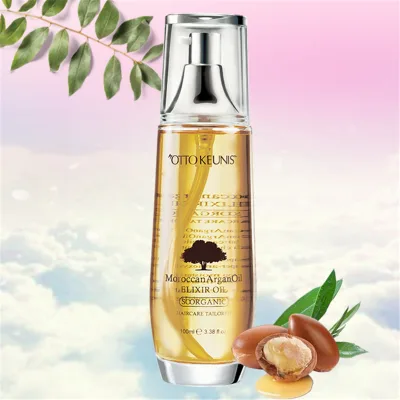


World Best Selling Nature Products Cosmetic Argan Oil for Dairy Hair Care
$1.75 - $1.80
MOQ: 100 Pieces


Advanced Natural Formula Hair Growth Essence Oil Reduce Hair Loss Hair Growth
$1.35 - $1.92
MOQ: 3000 Pieces


Beauty Cosmetics Hair Care Organic Coconut Oil Organic Natural Growth Hair Oil
$2.00 - $3.50
MOQ: 100 Pieces

Beauty Cosmetics Skin Care Control of Oil Anti-Hair Loss Hair Growth Oil
$2.20 - $3.00
MOQ: 100 Pieces


Comprehensive Sourcing Guide
Cosmetic Grade Organic Argan Oil Sourcing Guide
Sourcing high-quality Cosmetic Grade Organic Argan Oil requires a disciplined approach to verifying raw material integrity, processing methods, and supplier transparency. The market for argan oil in the personal care sector is diverse, ranging from cold-pressed culinary-grade oils to highly refined cosmetic ingredients designed for specific dermatological functions. Buyers must navigate a landscape where claims of "organic" and "pure" are common but require rigorous validation through documentation and physical inspection. This guide provides a structured framework for evaluating suppliers, ensuring that the procured oil meets the stringent quality standards required for cosmetic formulations, whether for hair care, skin moisturizing, or anti-aging treatments.
The procurement process begins with a clear definition of the desired product specification, as argan oil is available in various grades and forms. Observations from current market listings indicate a wide range of product attributes, including liquid and powder forms, varying colors from yellow to white, and different purity levels. While liquid argan oil is the standard for cosmetic applications, some suppliers offer powdered variants or specialized extracts. Understanding these variations is critical, as the physical state and color of the oil can indicate the degree of refinement and the presence of impurities. Buyers should align their technical requirements with the supplier’s capabilities, ensuring that the selected product matches the intended end-use, such as hair repair, skin firming, or anti-wrinkle formulations.
Product Scope and Observed Listing Signals
The current market for argan oil exhibits significant variability in product presentation and claimed attributes. Listings frequently describe the oil as having a yellow or white appearance, with some products specified as refined or pure grade. The presence of both liquid and powder forms suggests that suppliers may offer different processing stages or derivative products. For cosmetic applications, the liquid form is typically preferred for its direct usability in emulsions and serums. Buyers should pay close attention to the stated appearance and color, as these visual cues can reflect the extraction method and the extent of filtration. A yellow hue often indicates a less refined oil with more natural pigments, while a white appearance may suggest a higher degree of refinement or bleaching, which could impact the oil’s natural antioxidant profile.
Supplier listings also highlight various functional benefits, such as hair repair, moisturizing, anti-aging, and skin firming. These claims are often associated with specific product models or grades, such as "Pure Essential Oil Grade A" or "Food Grade B." It is essential to distinguish between the inherent properties of argan oil and the marketing claims made by individual suppliers. While argan oil is widely recognized for its nourishing and reparative qualities, the specific efficacy depends on the oil’s purity and the presence of active compounds like vitamin E and fatty acids. Buyers should verify these functional claims against the supplier’s technical data sheets and request sample testing to confirm that the product delivers the promised benefits for their specific formulation needs.
Technical Specifications to Verify
Technical verification is paramount when sourcing argan oil for cosmetic use, with purity and grade being the most critical parameters. Market data indicates that many suppliers claim a purity level of 99%, which should be validated through independent laboratory analysis. The grade of the oil, whether it is classified as cosmetic grade, perfume grade, or food grade, directly impacts its suitability for different applications. For instance, "Perfume Grade C" or "Pure Essential Oil Grade A" may have different impurity limits and aromatic profiles compared to standard cosmetic grades. Buyers must ensure that the specified grade aligns with their formulation requirements, particularly if the oil is intended for use in sensitive skin products or high-end cosmetic lines where consistency and purity are non-negotiable.
The extraction method and raw material source are also key technical specifications that influence the final product quality. Listings often mention "Cold Press" extraction, which is preferred for preserving the oil’s natural nutrients and antioxidants. The origin of the argan nuts, such as those from Morocco, is a significant factor in determining the oil’s quality and authenticity. Additionally, the processing location, whether in China, France, or other regions, can affect the supply chain dynamics and the consistency of the product. Buyers should request detailed information on the extraction process, including temperature controls and filtration methods, to ensure that the oil retains its beneficial properties. Verifying the raw material source and processing history helps mitigate the risk of adulteration and ensures that the procured oil meets the desired quality standards.
Compliance and Safety Documentation
Compliance with safety and regulatory standards is a fundamental requirement for sourcing cosmetic ingredients. Suppliers are expected to provide comprehensive documentation, including Material Safety Data Sheets (MSDS) and Certificates of Analysis (COA). These documents are essential for verifying the chemical composition, purity, and safety of the argan oil. The MSDS provides critical information on handling, storage, and emergency measures, while the COA confirms that the product meets the specified quality parameters, such as purity and absence of contaminants. Buyers should carefully review these documents to ensure that the oil complies with relevant cosmetic regulations in their target markets, including restrictions on heavy metals, pesticides, and microbial contamination.
In addition to MSDS and COA, buyers should inquire about other certifications that may be relevant to their procurement strategy. Some suppliers may offer additional certifications, such as organic certification or ISO standards, which can enhance the product’s marketability and trustworthiness. However, it is important to verify the validity of these certifications through the issuing bodies and ensure that they apply to the specific batch of oil being procured. Buyers should also confirm that the supplier adheres to Good Manufacturing Practices (GMP) and has a robust quality management system in place. This ensures that the production process is controlled and consistent, reducing the risk of quality variations between batches.
Cost Drivers and Commercial Terms
The cost of cosmetic grade argan oil is influenced by several factors, including the grade of the oil, the extraction method, and the supplier’s location. Listings show a wide price range, reflecting the diversity of products and quality levels available in the market. Buyers should be cautious of prices that seem unusually low, as they may indicate inferior quality or adulterated products. The cost is also affected by the minimum order quantity (MOQ), which can range from small quantities for sampling to large volumes for bulk procurement. Understanding the MOQ requirements is essential for planning inventory and managing cash flow, especially for small to medium-sized businesses.
Commercial terms, such as payment methods, shipping options, and lead times, also play a significant role in the procurement process. Suppliers may offer various payment terms, including advance payment, letter of credit, or open account, depending on the buyer’s creditworthiness and the order size. Shipping methods, such as ordinary goods truck transport, should be evaluated for their suitability and cost-effectiveness. Buyers should negotiate clear terms regarding delivery schedules, packaging, and liability for damages or losses during transit. Establishing a transparent and mutually beneficial commercial agreement helps build a strong supplier relationship and ensures a smooth procurement process.
Supplier Qualification and Quality Control
Supplier qualification is a critical step in ensuring the reliability and consistency of the argan oil supply. Buyers should conduct a thorough assessment of the supplier’s capabilities, including their production facilities, quality control processes, and track record. This may involve on-site audits, review of past performance, and verification of business licenses and certifications. Suppliers with a strong reputation for quality and reliability are more likely to deliver products that meet the buyer’s specifications. Buyers should also evaluate the supplier’s ability to provide customization services, such as private labeling or specific packaging options, if required for their brand.
Quality control measures should be implemented throughout the procurement process, from sample approval to final delivery. Buyers should request pre-shipment samples for testing and approval before placing large orders. During production, regular quality checks should be conducted to monitor key parameters such as purity, color, and odor. Buyers should also establish a clear protocol for handling non-conforming products, including procedures for returns, replacements, or compensation. Implementing a robust quality control system helps minimize the risk of receiving substandard products and ensures that the argan oil meets the required quality standards for cosmetic applications.
Long-Term Procurement Checks
Long-term procurement success depends on continuous monitoring and evaluation of supplier performance. Buyers should establish key performance indicators (KPIs) to track metrics such as delivery times, product quality, and responsiveness to issues. Regular reviews of these metrics help identify potential problems early and allow for corrective actions to be taken. Buyers should also maintain open communication with their suppliers, providing feedback on product performance and discussing any changes in requirements or market conditions. This collaborative approach fosters a strong partnership and ensures that the supplier remains aligned with the buyer’s needs.
As the market for cosmetic ingredients evolves, buyers should stay informed about new trends, technologies, and regulatory changes. This includes monitoring developments in argan oil sourcing, such as new extraction methods or sustainability initiatives. Buyers should also consider diversifying their supplier base to mitigate risks associated with single-source dependency. By maintaining a proactive and strategic approach to procurement, buyers can ensure a stable and high-quality supply of Cosmetic Grade Organic Argan Oil, supporting the success of their cosmetic products in the competitive market.
FAQs
What is the purity level of the Cosmetic Grade Organic Argan Oil?
The product offers a purity level of 99 percent as stated in the specifications. This high-grade material is suitable for cosmetic raw materials and is available in refined forms with certifications like MSDS and COA for quality assurance.
Can I customize the packaging for bulk orders of argan oil?
Customization is available for this product line to meet specific buyer requirements. The standard packing options include 1kg bags and 25kg drums, allowing flexibility for different order volumes and storage needs in cool dry places.
Which certifications are provided for the argan oil raw materials?
The product comes with MSDS and COA certifications to ensure safety and quality compliance. These documents verify the grade separation as pure grade and confirm the raw material origin from argan sources for reliable sourcing.
How is the argan oil extracted and what is its shelf life?
The oil is extracted using standard methods and has a self-life of 2 years when stored correctly. It is typically transported via ordinary goods trucks and requires storage in a cool dry place to maintain its integrity.
What is the minimum order quantity for purchasing argan oil?
The minimum order quantity starts at 25kg for this specific product listing. Buyers can find options ranging from 1 to 3000 units depending on the specific supplier configuration and packaging requirements for bulk transactions.
Where is the Cosmetic Grade Organic Argan Oil manufactured?
The product originates from Jiangsu, China, with some variants sourced from Guangdong. These locations supply the raw materials and finished goods, ensuring a consistent supply chain for international buyers seeking cosmetic grade ingredients.