Source Cosmetic Grade Zinc Citrate Powder for Skincare
Find 30 listings for Cosmetic Grade Zinc Citrate Powder from China. Compare suppliers offering food-grade and refined variants with high purity levels. Evaluate packaging options and specifications for your formulation needs; compare the available evidence and request quotations based on your requirements.
Key considerations
Products List


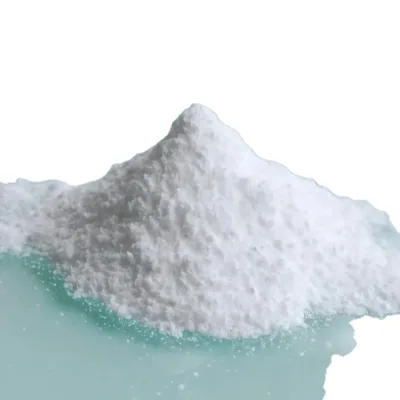
Manufacturer White Powder Zinc Citrate with Reasonable Price for Zinc Supplement
$3500.00 - $4800.00
MOQ: 1 Tons



Comprehensive Sourcing Guide
Cosmetic Grade Zinc Citrate Powder Sourcing Guide
Procurement professionals must first distinguish between general agricultural zinc citrate and formulations specifically refined for cosmetic applications. The available market data indicates a wide spectrum of product models, ranging from standard food-grade additives to specialized complexing nutrients, yet only a subset meets the stringent purity and safety requirements for topical use. Buyers should scrutinize the "Product Name" and "Active Ingredient" fields to confirm the specific chemical identity, as listings often conflate zinc citrate with other zinc salts like zinc PCA or zinc ricinoleate, which possess distinct functional profiles in skincare formulations.
Verification of the "Grade" designation is the initial critical step in this sourcing process, as the observed listings include both "Food Grade" and unspecified industrial variants. While food-grade materials often imply high purity, cosmetic applications demand specific compliance with dermatological safety standards that may exceed general food additive regulations. Sourcing teams must ensure the supplier explicitly validates the material for cosmetic use, rather than relying on the assumption that food-grade certification automatically satisfies cosmetic regulatory frameworks, which often require additional toxicological assessments and specific impurity limits.
Product Scope and Observed Listing Signals
The observed product listings reveal a diverse range of physical attributes, including white powder appearances and varying particle characteristics that influence solubility and texture in final cosmetic products. Buyers should note that while some entries specify a "Characteristic" odor and "Chemical Alkaline" nature, others describe the substance as "Physiological Neutral" regarding soil interaction, a distinction that may indicate different processing methods or intended end-uses. Understanding these physical signals is essential for formulators who require precise control over the pH and texture of their emulsions, as the wrong physical profile can lead to formulation instability or undesirable sensory experiences on the skin.
Commercial signals in the market also vary significantly, with observed minimum order quantities ranging from single units to thousands of kilograms, reflecting the difference between sample acquisition and bulk industrial procurement. The presence of "Free" sample options in the data suggests a competitive market where suppliers encourage initial testing, yet buyers must remain cautious about the consistency between sample batches and mass-produced inventory. It is vital to verify that the "Packaging Material," whether paper, plastic, or specific bag configurations, aligns with the hygienic requirements of cosmetic manufacturing to prevent contamination during storage and transport.
Technical Specifications to Verify
Formulators must rigorously verify the "Content" and "Purity" specifications, as the data shows active substance content ranging from 15% to over 90%, with some listings claiming 99% minimum purity. For cosmetic applications, the specific concentration of the active zinc citrate is paramount, as lower purity levels may introduce unwanted impurities that could irritate sensitive skin or alter the efficacy of the final product. Buyers should request detailed assay reports that confirm the exact percentage of the active ingredient, ensuring it matches the precise dosage requirements of their specific formulation rather than accepting generic purity claims found in broad market listings.
The "Water Insoluble" content and pH range are equally critical technical parameters that dictate the solubility and stability of the ingredient within aqueous cosmetic systems. The observed data indicates a water-insoluble limit of less than or equal to 0.1% and a pH range of 3.0-5.0, which are favorable for many cosmetic formulations but must be validated against the specific batch being sourced. Procurement teams should demand batch-specific certificates of analysis that confirm these values, as variations in the "Chemical Character" or "Release Type" can significantly impact the performance of the ingredient in complex matrices like serums, creams, or lotions.
Compliance and Safety Documentation
Regulatory compliance in the cosmetic sector requires more than just a general "ISO" certification; it necessitates specific documentation proving the material's safety for human topical application. While the observed listings mention ISO certification and USP standards, these are broad indicators that must be cross-referenced with region-specific regulations such as the EU Cosmetic Regulation or the US FDA guidelines. Buyers must ensure that the supplier provides a Certificate of Analysis (CoA) that explicitly addresses heavy metal limits, microbial counts, and residual solvents, as these are the primary safety concerns for cosmetic ingredients derived from chemical synthesis.
The "Nutritional Value" designation of "Non-nutritional" in some listings highlights the importance of distinguishing between food-grade and cosmetic-grade safety profiles, even when the chemical structure is identical. Cosmetic safety assessments often require specific toxicological data that is not mandatory for food additives, meaning that a product labeled as "Food Grade" may lack the necessary dermatological safety data for cosmetic use. Procurement professionals should insist on a full safety dossier, including a Material Safety Data Sheet (MSDS) and a Cosmetic Product Safety Report (CPSR) support document, to ensure the ingredient meets all legal and safety obligations for the target market.
Cost Drivers and Commercial Terms
The price range observed in the market, spanning from $0.60 to $4800, reflects significant variations in purity, packaging, and order volume, making cost analysis a complex exercise for buyers. The primary cost drivers include the level of refinement, the specific "Grade" designation, and the complexity of the "Packaging" required to maintain product integrity during shipping. Buyers should understand that the lowest unit price often corresponds to bulk industrial grades or larger packaging units, whereas cosmetic-grade materials with smaller, sterile packaging and higher purity certifications will command a premium price point that reflects the additional quality control measures involved.
Commercial terms such as Minimum Order Quantity (MOQ) and lead times are critical factors that influence the total cost of ownership and supply chain reliability. The observed MOQ range of 1 to 1000 units suggests flexibility for small-scale startups but may present challenges for larger manufacturers seeking consistent supply at competitive rates. Procurement teams must negotiate terms that balance cost efficiency with supply security, ensuring that the supplier can meet the "Shelf Life" requirements of over 12 months without compromising the product's stability, and that the "Storage Method" aligns with the buyer's logistical capabilities to prevent degradation before use.
Supplier Qualification and Quality Control
Supplier qualification for cosmetic ingredients requires a deep dive into their manufacturing capabilities and quality assurance protocols beyond simple certification checks. The data indicates origins in specific Chinese regions like Jiangsu and Lianyungang, which are known for chemical production, but buyers must verify the specific facility's adherence to Good Manufacturing Practices (GMP) for cosmetic ingredients. It is essential to audit the supplier's process for maintaining the "Quality" designation of "Refined" and ensuring that the "Appearance" remains consistent as a white powder across different production batches, as visual inconsistencies can signal contamination or processing errors.
Quality control procedures must be robust enough to detect variations in the "Active Ingredient" concentration and ensure the "Product Standard" is met for every shipment. Buyers should implement a rigorous incoming inspection protocol that includes verifying the "Standard" claims, such as USP or 99% minimum purity, against independent third-party testing results. Establishing a clear communication channel for quality disputes and requiring a detailed traceability system for each batch is crucial, as the "Product Model" and "Specification" details must be accurately recorded to ensure that the correct grade of zinc citrate is delivered for each specific cosmetic application.
Long-Term Procurement Checks
Sustaining a reliable supply chain for cosmetic-grade zinc citrate requires ongoing monitoring of the supplier's ability to maintain consistent quality and regulatory compliance over time. Buyers should schedule regular audits and request updated Certificates of Analysis to ensure that the "Content" and "Purity" levels remain within the specified ranges, as manufacturing processes can drift without continuous oversight. Long-term partnerships should be built on a foundation of transparent data sharing, where the supplier proactively communicates any changes in raw material sources or production methods that could impact the final product's performance or safety profile.
Future-proofing the procurement strategy involves staying informed about evolving regulatory landscapes and emerging industry standards for cosmetic ingredients. As regulations tighten regarding heavy metals and impurities in personal care products, buyers must ensure their suppliers are prepared to adapt their quality control measures accordingly. Establishing a contingency plan that includes qualified backup suppliers and maintaining a strategic inventory buffer can mitigate risks associated with supply disruptions, ensuring that the cosmetic production line remains operational even when market conditions or supplier capabilities fluctuate.
FAQs
What is the typical appearance of Cosmetic Grade Zinc Citrate Powder?
It typically appears as a white powder with a characteristic odor. The product is refined and maintains a chemical alkaline character. This physical form ensures easy integration into various cosmetic formulations while providing consistent quality for end-users.
Can Cosmetic Grade Zinc Citrate Powder be customized for specific needs?
Yes, customization is available for this product. Buyers can request specific packaging options or tailored specifications to meet unique formulation requirements. This flexibility allows manufacturers to adapt the ingredient to their precise cosmetic production processes effectively.
What is the shelf life of zinc citrate powder?
The shelf life exceeds twelve months when stored under normal conditions. Proper storage ensures the ingredient retains its efficacy and stability over time. This long duration supports inventory management and reduces waste for cosmetic manufacturers using this raw material.
What packaging materials are used for zinc citrate powder?
Packaging materials include paper and plastic options. Standard packing often involves bags with weights of 25 kilograms or drums. These materials protect the powder from moisture and contamination, ensuring the product remains pure and effective until it reaches the formulation stage.
Is zinc citrate powder suitable for food grade applications?
Yes, food grade zinc citrate is available. It meets specific purity standards and is produced in locations like Lianyungang, China. This variant ensures safety and compliance for nutritional supplements or food additives requiring high-purity zinc sources for human consumption.
What is the minimum order quantity for zinc citrate powder?
The minimum order quantity ranges from one to one thousand units. This flexibility accommodates both small-scale testing and large-scale industrial production. Buyers can select quantities that align with their budget and inventory needs without committing to excessive initial stock levels.
What certifications are associated with zinc citrate powder suppliers?
Suppliers often hold ISO certifications for their manufacturing processes. These certifications indicate adherence to quality management standards and consistent production practices. Buyers can rely on these credentials to ensure the ingredient meets international safety and quality requirements for cosmetic or food applications.