Source Cosmetic Ingredients Yeast Beta Glucan for Medicine, Food, and Health Care
Find 30 verified Cosmetic Ingredients Yeast Beta Glucan options from Chinese manufacturers. Buyers can compare specifications like 90% grade, particle size, and certifications including HACCP and ISO for medicine, food, and health care applications.
Key considerations
Products List


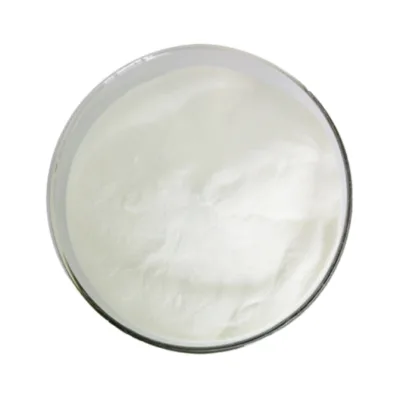
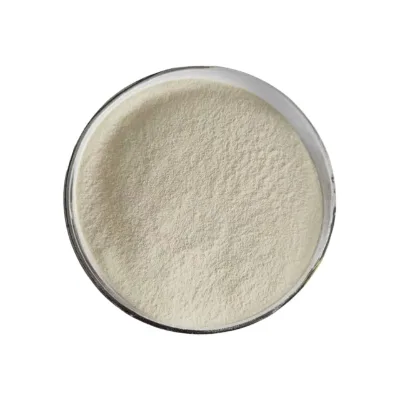
Factory Supply High Quality Yeast Extract 70% Beta Glucan Beta-Glucan Powder
$31.00 - $36.00
MOQ: 1 kilograms


Factory Supply High Quality Natural Food Grade Raw Yeast Beta Glucan Powder
$45.00 - $60.00
MOQ: 1 kilograms

Wellgreen Factory Supply Food Grade 100% Nature Beta-Glucan 80% Yeast Beta Glucan 70%
$35.00 - $45.00
MOQ: 1 kilogram


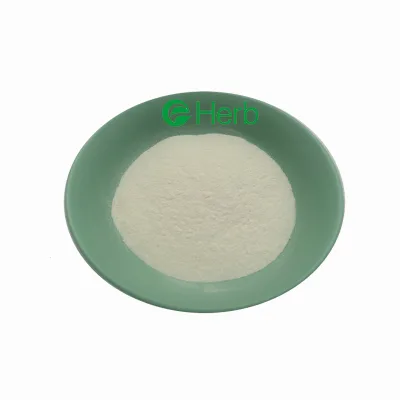
High Quality Beta Glucan Powder Cell Wall Powder 70% 80% 90% Yeast Beta Glucan
$49.16 - $69.64
MOQ: 1 kilograms
Comprehensive Sourcing Guide
Strategic Sourcing Guide for Cosmetic Ingredients: Yeast Beta Glucan
Understanding the Technical Profile of Yeast Beta Glucan
When sourcing yeast beta glucan for cosmetic applications, the primary objective is to secure a raw material with consistent physicochemical properties that align with formulation stability and efficacy requirements. The core product is identified by its specific chemical identity, often referenced by the CAS number 9012-72-0. This substance is fundamentally a polysaccharide derived from yeast cell walls, distinguished by its high molecular weight and specific glycosidic linkages that provide biological activity.
In terms of physical appearance, the market presents variations that require careful verification. While some listings describe the material as a brown fine powder, others indicate a white powder appearance. This discrepancy suggests that the final color may depend on the specific extraction method, the purity grade, or the degree of processing applied by the manufacturer. Buyers must treat these observations as product-specific attributes rather than universal standards. The particle size is a critical technical specification, with 80 mesh being a documented standard for this material. This granularity ensures optimal dispersion in cosmetic bases, whether they are water-based serums, oil-in-water emulsions, or anhydrous formulations.
The grade of the material is equally significant. Specifications frequently cite purity levels ranging from 70% to 90%, with 90% being a common benchmark for high-grade yeast beta glucan. The extraction type is typically solvent extraction, a process that influences the solubility profile and the retention of bioactive components. For cosmetic formulators, the state of the material is consistently powder, which necessitates specific handling protocols to prevent clumping and ensure accurate dosing. The resource classification is noted as natural, appealing to brands seeking clean-label ingredients. However, the distinction between "natural" and the specific cultivation method, such as artificial planting or fermentation processes, should be clarified with the supplier to ensure alignment with brand values.
Compliance Framework and Certification Verification
Navigating the regulatory landscape for cosmetic ingredients requires a rigorous verification of certifications and standards. The supply chain for yeast beta glucan often involves multiple layers of compliance, including food safety and pharmaceutical-grade standards, which are frequently leveraged to assure cosmetic quality. A comprehensive certification profile typically includes HACCP, FDA, ISO, BRC, and RoHS. These certifications indicate that the manufacturing facility adheres to strict hygiene, quality management, and environmental safety protocols.
Specific documentation is essential for import and export clearance. Certificates of Analysis (COA) and Material Safety Data Sheets (MSDS) are standard requirements that provide batch-specific data on purity, heavy metals, and microbial limits. Furthermore, certifications such as ISO22000, HACCP, and HALAL are frequently observed, suggesting that the ingredient meets international food safety standards and specific religious dietary requirements, which can be a value-add for global cosmetic brands.
It is crucial to distinguish between product standards and certification bodies. The product standard is often defined simply as "Beta Glucan" or "99%" purity, though the latter figure may refer to a specific grade rather than the general material. Buyers must verify that the supplier's stated standard matches the regulatory requirements of the target market. For instance, while some listings mention a 99% standard, others specify 90% or 80% grades. This variance implies that the "99%" claim may apply to a specific, highly refined batch or a different product variant. Consequently, procurement teams should not assume a universal purity level but must request the COA for each batch to confirm the actual assay results, typically determined via HPLC (High-Performance Liquid Chromatography) or TLC (Thin Layer Chromatography) methods.
Cost Drivers and Pricing Dynamics
The pricing of yeast beta glucan is influenced by a complex interplay of factors, including purity grade, packaging format, and order volume. The observed price range in the market spans from $1 to $235 USD, a wide variance that reflects differences in product specifications, brand positioning, and order quantities. This range indicates that a single kilogram of low-grade material may cost significantly less than a bulk drum of high-purity, certified product.
Minimum Order Quantity (MOQ) is a primary driver of unit cost. Listings show MOQs ranging from 1 kg to 25 kg. Smaller quantities, such as 1 kg or 25 kg, often carry a higher per-unit price due to the fixed costs of packaging, handling, and logistics. Conversely, larger orders may benefit from economies of scale, though the specific discount structure is not universally standardized. The packaging format also impacts cost; options include 1 kg bags, 25 kg drums, aluminum foil bags, and plastic containers. Premium packaging, such as vacuum-sealed aluminum foil bags or specialized drums, adds to the overall cost but is essential for maintaining product integrity during transit and storage.
Additional cost factors include the availability of customization services and the origin of the product. Products originating from specific regions like Shanxi or Shaanxi in China may have different logistical costs compared to those from other locations. The inclusion of services such as free samples, customized labeling, or specific extraction methods can also influence the final price. Buyers should note that while some suppliers offer free samples, the cost of shipping these samples is often borne by the buyer. Furthermore, the "on sale" status of certain listings suggests that market fluctuations and promotional periods can temporarily alter pricing structures, requiring buyers to remain agile in their procurement strategy.
Typical Applications in Cosmetic Formulations
Yeast beta glucan is a versatile ingredient with applications extending beyond traditional food and medicine sectors into the robust field of cosmetics. Its primary utility in personal care stems from its ability to provide hydration, soothe skin, and enhance the skin barrier function. The material is suitable for various application forms, including capsules and tablets in the supplement sector, but in cosmetics, it is predominantly incorporated into topical formulations.
The ingredient is compatible with a wide range of cosmetic product types, from health food supplements to direct skin care products. Its application in health food sectors often overlaps with cosmetic benefits, as oral consumption of beta glucan can support immune health, which indirectly benefits skin condition. However, for topical use, the powder form allows for easy integration into creams, lotions, serums, and masks. The particle size of 80 mesh ensures that the ingredient disperses well without leaving a gritty texture, which is critical for consumer acceptance.
The "natural" resource classification of yeast beta glucan makes it particularly attractive for brands focusing on clean beauty and sustainable sourcing. The ability to customize the product, such as adjusting the grade or extraction method, allows formulators to tailor the ingredient to specific product needs. For example, a higher purity grade (90% or above) might be preferred for high-end anti-aging serums, while a lower grade might suffice for mass-market moisturizers. The shelf life of approximately two years provides a reasonable window for inventory management, provided the storage conditions are strictly maintained.
Supplier Evaluation and Quality Control Protocols
Selecting a reliable supplier for yeast beta glucan requires a multi-faceted evaluation process that goes beyond simple price comparison. The brand name, such as "Sentian" or "GRHERB," can serve as an initial indicator of market presence, but it should not be the sole criterion for selection. Buyers must prioritize suppliers who demonstrate transparency in their manufacturing processes and provide comprehensive documentation.
Quality control is paramount. The assay method, typically HPLC, is the gold standard for verifying the purity and potency of the ingredient. Buyers should insist on batch-specific COAs that detail the results of these tests. Additionally, the presence of a Certificate of Origin and MSDS is non-negotiable for international trade. The supplier's location, whether in Shanxi, Shaanxi, or elsewhere in China, should be verified to ensure it aligns with the buyer's logistics strategy and any potential trade tariffs.
The stock status is another critical factor. Listings indicating "in stock" suggest a supplier with immediate availability, which can reduce lead times and mitigate supply chain disruptions. However, buyers should also assess the supplier's capacity to handle larger orders if demand scales. The availability of customized services, such as tailored packaging or specific extraction types, indicates a supplier's flexibility and commitment to meeting client needs. Finally, the payment terms, including options like PayPal, Western Union, TT, and Trade Assurance, offer varying levels of security. Trade Assurance, in particular, provides a layer of protection for buyers by ensuring that funds are released only upon fulfillment of agreed-upon terms.
Long-Term Procurement Considerations and Storage
Sourcing yeast beta glucan is not merely a transactional activity but a strategic partnership that requires long-term planning. Storage conditions are critical to maintaining the quality of the ingredient over time. The recommended storage environment is a cool, dry place. Exposure to moisture, heat, or direct sunlight can degrade the polysaccharide structure, reducing its efficacy and potentially leading to microbial growth. Buyers must ensure that their own storage facilities or those of their contract manufacturers meet these stringent requirements.
Packaging integrity is equally important. The use of drums, aluminum foil bags, or plastic containers must be robust enough to protect the product during shipping and storage. The single gross weight of approximately 1.200 kg for smaller packages and the dimensions of the single package size (e.g., 20x30x6 cm) are essential data points for logistics planning and warehouse management. Buyers should verify that the packaging is sealed properly to prevent contamination and moisture ingress.
Seasonality is another consideration, although the product is generally available across all seasons. This consistency simplifies procurement planning, as there are no significant seasonal disruptions expected. However, buyers should remain vigilant regarding potential supply chain bottlenecks that could arise from global events or regulatory changes. The ability to source free samples allows for thorough testing before committing to large orders, a practice that minimizes risk and ensures product compatibility with existing formulations.
In conclusion, successful procurement of yeast beta glucan for cosmetic applications demands a deep understanding of its technical specifications, a rigorous approach to compliance verification, and a strategic evaluation of supplier capabilities. By focusing on quality control, storage requirements, and long-term partnership potential, buyers can secure a reliable supply of this valuable ingredient that meets the highest standards of safety and efficacy.
FAQs
What is the appearance of Cosmetic Ingredients Yeast Beta Glucan?
The material typically appears as a brown or white fine powder. The specific color depends on the extraction method and purity grade, with 80 mesh particle size being a documented standard for optimal dispersion in formulations.
Which certifications verify the quality of yeast beta glucan?
Common certifications include HACCP, FDA, ISO, BRC, RoHS, and HALAL. Buyers should also request batch-specific Certificates of Analysis and Material Safety Data Sheets to confirm purity and safety for cosmetic applications.
How is the purity of yeast beta glucan determined?
Purity is determined using assay methods like HPLC or TLC. Specifications often cite grades ranging from 70% to 90%, with 90% being a common benchmark for high-grade material suitable for premium cosmetic products.
What are the minimum order quantities for yeast beta glucan?
Minimum order quantities typically range from 1 kg to 25 kg. Smaller quantities like 1 kg are often available for sampling, while bulk orders may utilize 25 kg drums or aluminum foil bags for shipping.
Can suppliers provide customized yeast beta glucan for cosmetics?
Yes, customized services are available for adjusting grades or extraction types. Suppliers can tailor the product to specific formulation needs, such as adjusting purity levels or packaging formats to match brand requirements.
Where are Cosmetic Ingredients Yeast Beta Glucan typically sourced from?
Products are primarily sourced from regions like Shanxi and Shaanxi in China. Buyers should verify the specific origin to align with logistics strategies and ensure the supplier meets regional trade and regulatory requirements.
How should yeast beta glucan be stored to maintain quality?
The ingredient must be stored in a cool, dry place to prevent degradation. Exposure to moisture or heat can compromise the polysaccharide structure, so robust packaging like drums or foil bags is essential for integrity.