Source Cotton Gin Saw Blade for Cotton Ginning, Delinting, and Seed Removal
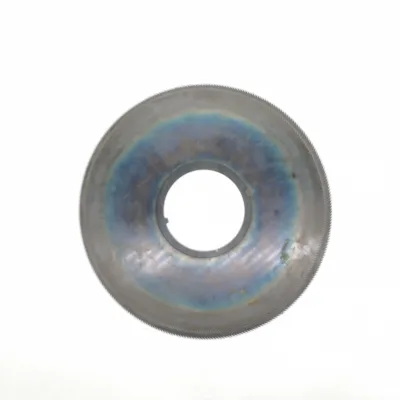
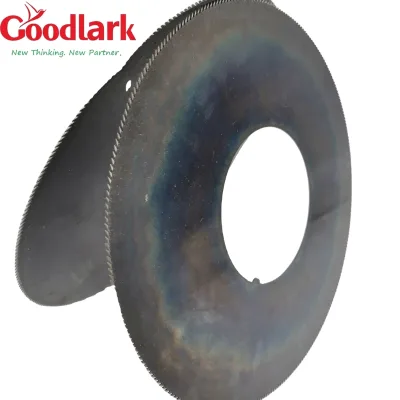
Find 30 Cotton Gin Saw Blade options for cotton ginning, delinting, and seed removal. Compare specifications like 12-inch and 18-inch models, hardness ratings, and customization availability from Jiangsu suppliers to match your machinery needs; compare the available evidence and request quotations based on your requirements.
Key considerations
Products List



$1.00 - $100.00
MOQ: 1 Pieces


Comprehensive Sourcing Guide
Cotton Gin Saw Blade Sourcing Guide
Buyers must first distinguish between generic agricultural rakes and specialized cotton gin saw blades, as the supplied data reveals a mix of product types under a single search term. While some listings describe components for harvester and farmland infrastructure, the core procurement focus for this keyword is on precision cutting elements designed specifically for cotton ginning and seed removal machinery. Understanding this distinction prevents the accidental ordering of incompatible agricultural tools that lack the necessary hardness and geometry for high-speed ginning operations.
The observed market signals indicate a wide variance in product models, ranging from specific dimensions like 12 inches to customized configurations and standard sizes such as 320 by 100 millimeters. Procurement teams should verify that the listed product model matches the specific requirements of their existing ginning or delinting machines, as the data shows compatibility with various automatic grades and machine types. Failing to align the physical specifications with the machinery's operational parameters can lead to immediate production stoppages and inefficient seed separation.
Product Scope and Observed Listing Signals
The product scope for cotton gin saw blades encompasses specialized components used in the cleaning, drying, and threshing of grain, alongside dedicated cotton gin stands. Listings frequently highlight the use of these blades in raw cotton processing, where they serve as critical cutting surfaces for separating lint from seeds. Buyers should note that while some entries mention general harvesting applications, the primary function remains the precise mechanical processing required to maintain the quality of the cotton fiber during the ginning stage.
Observed listing signals reveal that customization is a standard feature, with many suppliers offering tailored dimensions and processing levels to match specific client needs. The data indicates that products are often marketed as ordinary goods but may include advanced features like super precision finishing or specific mechanical processes such as grinding and stamping. Procurement teams must carefully review the product name and key words to ensure the item is explicitly a gin saw blade rather than a generic agricultural tool or a different type of separator machine component.
Technical Specifications to Verify
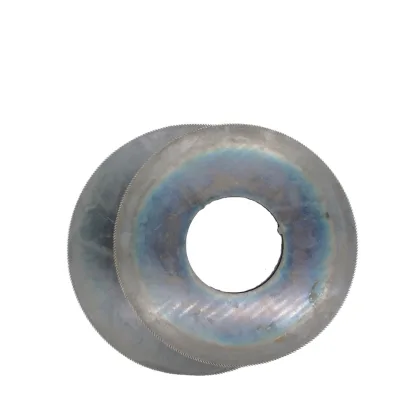
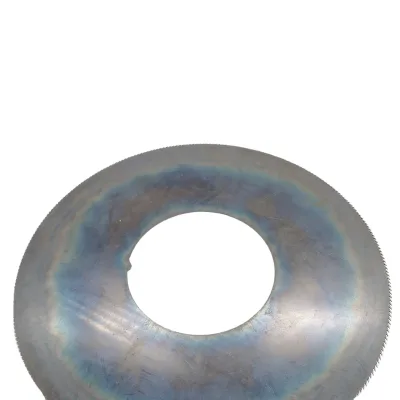
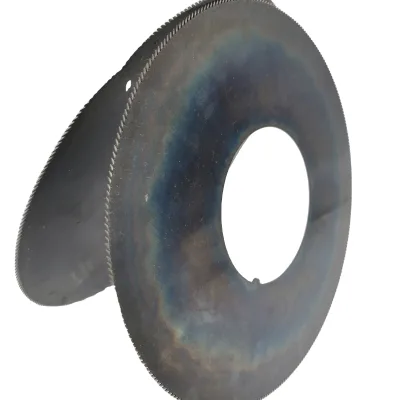
Technical verification begins with confirming the exact dimensions and material composition, as the data lists standards ranging from 12 inches by 4-3/4 inches to 305 by 87 by 0.92 millimeters. Buyers must ensure the blade material meets the required hardness, typically falling within the HRC38-45 range for 65MN steel, to withstand the abrasive nature of cotton processing without premature wear. Verifying the specific model number, such as GL01-GL19 or customized variants, is essential to guarantee compatibility with the specific ginning machine or delinting unit in operation.
The processing type and level are equally critical, with listings citing mechanical processes like grinding, stamping, and super precision finishing. Procurement teams should validate that the blade undergoes the correct finishing level to ensure a sharp, consistent edge that minimizes fiber damage during separation. Additionally, the weight of the component, observed at approximately 0.5 kilograms for certain models, should be cross-referenced with the machine's load requirements to prevent mechanical imbalance or excessive vibration during high-speed operation.
Compliance and Safety Documentation
Compliance documentation for cotton gin saw blades often includes ISO9001 certification, which signals a commitment to quality management systems in the manufacturing process. Buyers should request proof of this certification to ensure the supplier adheres to recognized standards for production consistency and defect reduction. While some listings mention CE certification, it is vital to verify that the specific blade model carries the appropriate safety marks for the target market, as regulatory requirements for industrial machinery components can vary significantly by region.
Safety documentation also extends to the video outgoing-inspection services provided by many suppliers, which allow buyers to visually verify the condition and finish of the product before shipment. This visual confirmation is a crucial step in mitigating the risk of receiving damaged or substandard components that could compromise the safety of the ginning operation. Procurement teams should ensure that the video inspection covers critical areas such as the cutting edge and the mounting holes to confirm that the product meets the specified mechanical process and finishing standards.
Cost Drivers and Commercial Terms
Cost drivers for cotton gin saw blades are heavily influenced by the level of customization and the precision of the mechanical processing required. Customized models and those featuring super precision finishing typically command higher prices due to the additional labor and specialized equipment needed to achieve the exact dimensions and hardness specifications. Buyers should anticipate that the observed price range of 0 to 1600 USD reflects this variability, with costs scaling based on the complexity of the order and the specific material grade selected.
Commercial terms such as the minimum order quantity (MOQ) and delivery time are significant factors in the total cost of ownership. The data indicates an MOQ of 1000 pieces for some listings, while others may offer lower quantities, requiring buyers to negotiate based on their production volume. Furthermore, the standard delivery time of 20 days must be factored into the supply chain planning, as delays in receiving these critical components can halt the entire ginning process and result in significant operational losses.
Supplier Qualification and Quality Control
Supplier qualification should prioritize manufacturers located in established industrial hubs like Jiangsu Yancheng, which are known for producing high-quality agricultural machinery components. Buyers must verify the supplier's ability to provide video technical support after the warranty period, as this indicates a commitment to long-term customer service and troubleshooting capabilities. The presence of a "New" condition status and the availability of samples further suggest that the supplier maintains a robust quality control system capable of delivering consistent, defect-free products.
Quality control processes should include a rigorous check of the mechanical process and finishing levels to ensure the blades meet the specified hardness and dimensional standards. Suppliers offering grinding and stamping processes should demonstrate their capability to maintain tight tolerances, as even minor deviations can affect the efficiency of the cotton gin. Buyers should also confirm that the supplier provides a video outgoing-inspection to validate the product's condition before it leaves the factory, ensuring that the final delivered goods match the agreed-upon specifications.
Long-Term Procurement Checks
Long-term procurement checks must focus on the consistency of the product's performance and the reliability of the supplier's after-warranty support. Buyers should establish a feedback loop to monitor the wear rate of the saw blades in actual ginning operations, comparing the observed lifespan against the expected performance of the 65MN steel and HRC38-45 hardness rating. This data-driven approach allows for proactive replacement scheduling and helps identify any systemic quality issues that may arise from a specific batch or supplier.
Sustainability and supply chain resilience are also critical considerations for long-term partnerships. Procurement teams should verify the supplier's capacity to handle fluctuating order volumes, given the observed range of MOQs and the potential for customized orders. Ensuring that the supplier can maintain a steady supply of high-quality blades, supported by their established production processes and certifications, is essential for maintaining uninterrupted cotton ginning operations and protecting the overall efficiency of the agricultural infrastructure.
FAQs
What specifications are available for cotton gin saw blades?
Available specifications include models such as 12 inches by 4-3/4 inches with 0.037-inch thickness, 18-inch variants, and 320 by 100 millimeter dimensions. Customized sizes are also supported to meet specific machinery requirements. These blades are designed for precision fitting within cotton ginning equipment, ensuring optimal performance during the seed removal and delinting processes for raw cotton.
Can I customize cotton gin saw blades for my machine?
Yes, customization is available for these cotton gin saw blades. Buyers can request specific dimensions and processing levels to match their existing cotton ginning machinery or delinting machines. The supplier offers tailored solutions to ensure the blades fit precisely, supporting efficient cotton seed separation and maintaining high operational standards for agricultural processing equipment.
What is the minimum order quantity for these blades?
The standard minimum order quantity is 1000 pieces. This MOQ applies to the new condition cotton gin saw blades supplied from Jiangsu, China. Buyers should consider this threshold when planning procurement, as it ensures efficient production and shipping logistics. Sample availability is also noted for quality verification before committing to larger bulk orders.
How long is the delivery time for orders?
The typical delivery time is 20 days after order confirmation. This lead time applies to the manufacturing and preparation of cotton gin saw blades, which are packed in wooden cases or pallets for safe transport. Buyers should account for this duration when scheduling their cotton ginning operations to ensure timely availability of replacement parts.
What certifications do these cotton gin saw blades have?
These cotton gin saw blades hold ISO9001 certification, indicating adherence to quality management standards. Some listings also mention CE certification for specific components. These certifications verify that the manufacturing processes, including stamping and grinding, meet recognized industrial standards for safety and quality in agricultural machinery parts production.
What material is used to make these saw blades?
The blades are manufactured using 65MN steel, which provides the necessary hardness and durability for cotton ginning applications. The hardness ranges from HRC38 to HRC45, ensuring effective cutting performance during the seed removal process. This material choice supports the structural integrity of the blades under the mechanical stresses of continuous agricultural processing operations.