Source Cotton Head Bands for Yoga, Running, and Sports
Find 30 Cotton Head Bands for Yoga, running, and promotional use. Compare adjustable, breathable options in various colors and sizes from Chinese manufacturers. Request quotes for custom embroidery and eco-friendly materials.
Key considerations
Products List

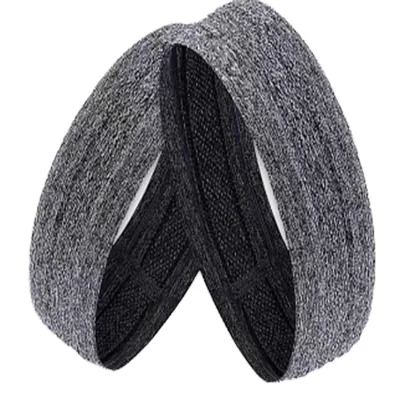


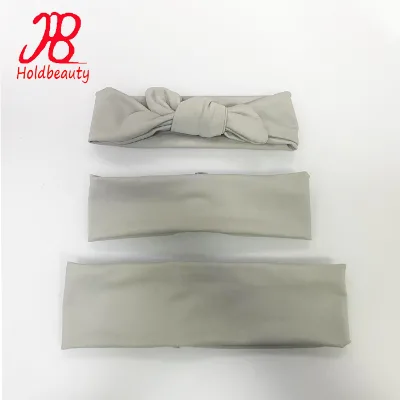
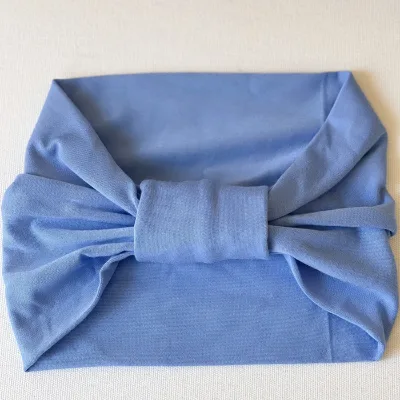


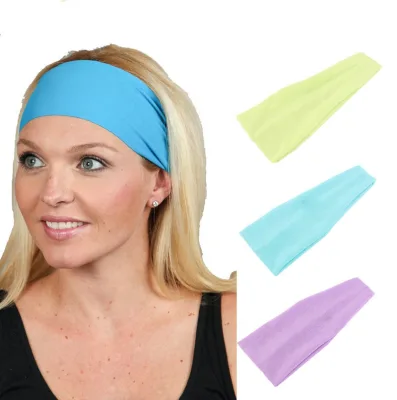
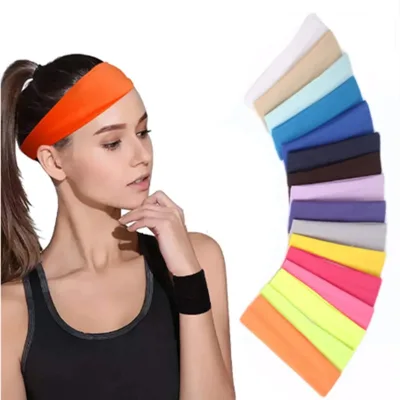
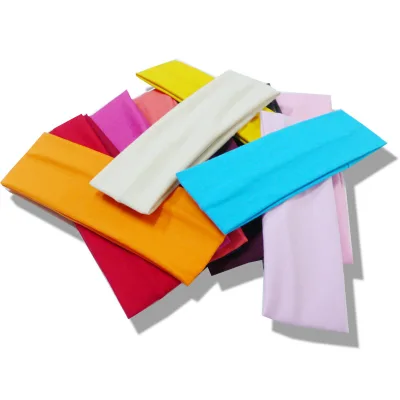


Comprehensive Sourcing Guide
Cotton Head Bands for Yoga Sourcing Guide
The market for cotton head bands designed for yoga and athletic activities presents a diverse range of options, primarily characterized by their material composition and functional versatility. While the core keyword emphasizes cotton, observed listings reveal a complex supply landscape where products often blend cotton with synthetic fibers like spandex to achieve necessary elasticity and sweat-wicking properties. Buyers must navigate this distinction carefully, as pure cotton options may lack the durability required for high-intensity movement, whereas blends offer a balance of comfort and performance. The observed product data indicates that materials range from 100% cotton to specific blends such as 85% polyester and 15% spandex, or cotton mixed with spandex, suggesting that "cotton" in a product title may refer to the primary aesthetic or tactile feel rather than the exclusive fiber content.
Procurement decisions for these items are heavily influenced by the intended application, which extends beyond simple yoga practice to include running, general sports, and promotional events. The observed usage tags highlight that these headbands serve dual purposes as functional athletic gear and as customizable promotional gifts, often featuring logos via embroidery. This duality requires buyers to evaluate whether the product's primary value lies in its performance attributes, such as being non-slip and breathable, or in its branding potential. The availability of customization options, including adjustable closures and various color palettes like blue, red, gold, and white, allows for tailored solutions that meet specific brand identity requirements while maintaining the comfort essential for yoga practitioners.
Product Scope and Observed Listing Signals
The product scope for cotton head bands in the current market is defined by a wide array of specifications that cater to different user needs and aesthetic preferences. Listings frequently describe these items as unisex, suitable for adults, and available in tube shapes with dimensions ranging from 18cm x 5cm to 23.5cm x 5cm. The observed data shows that while some products are marketed strictly as sports headbands, others are categorized as promotional sweat wristbands, indicating a potential overlap in manufacturing lines where the same base product can be repurposed for different marketing angles. Buyers should verify the exact dimensions and shape, as the "tube" shape and specific length measurements are critical for ensuring a secure fit during dynamic movements like yoga poses or running.
Listing signals also reveal significant variation in packaging and presentation, which can impact the perceived value and readiness for retail or gifting. Some suppliers offer individual packing in polybags or OPP bags, while others provide more elaborate individual packaging suitable for direct-to-consumer sales. The observed price range of $0.11 to $2.25 USD reflects this variability, likely driven by differences in material quality, customization complexity, and packaging standards. Additionally, the presence of features like "eco-friendly" and "biodegradable" attributes suggests a growing segment of the market focused on sustainability, though buyers must confirm these claims against the actual material composition, as many listed items are polyester-spandex blends rather than purely natural fibers.
Technical Specifications to Verify
When evaluating technical specifications, the most critical factor is the material composition and its impact on performance during physical activity. Although the search term focuses on cotton, the observed data indicates that many high-performance headbands utilize a blend of 85% polyester and 15% spandex or cotton mixed with spandex to ensure the product remains adjustable and breathable. Buyers must verify the exact percentage of cotton versus synthetic fibers, as pure cotton may absorb too much moisture and lose shape, while higher synthetic content improves elasticity and sweat management. The presence of "adjustable elasticity" and "non-slip" features in the product attributes confirms that the mechanical properties of the fabric are as important as the fiber type for ensuring the headband stays in place during yoga or running.
Dimensional consistency and closure mechanisms are the next essential technical parameters to validate before placing an order. The observed listings show specific size variations, such as 18cm x 5cm and 23.5cm x 5cm, alongside a "medium long" length classification, which suggests that a single size may not fit all adult users comfortably. The closure type is consistently noted as "string," which implies a drawstring or tie mechanism that allows for a customized fit, a feature that is particularly valuable for users with different head circumferences. Buyers should request physical samples to test the tension of the string closure and the stretch recovery of the fabric to ensure that the headband provides adequate compression without causing discomfort or restricting blood flow during extended wear.
Compliance and Safety Documentation
Compliance and safety documentation for cotton head bands often revolve around material safety and environmental claims, given the product's direct contact with skin and its frequent marketing as an eco-friendly item. While the observed data mentions "eco-friendly" and "biodegradable" as product features, these claims require rigorous verification through third-party testing, as the presence of synthetic fibers like polyester and spandex in many listed blends can complicate biodegradability assertions. Buyers should request specific test reports that confirm the absence of harmful substances, particularly if the product is marketed to sensitive demographics or in regions with strict chemical regulations. The mention of OEKO-TEX in background knowledge suggests that such certifications are relevant benchmarks for ensuring the fabric is free from allergens and toxic dyes, even if not explicitly confirmed in every listing.
Safety standards also extend to the manufacturing process and the durability of the product under stress. Since these headbands are used for protection projects like yoga and running, they must withstand repeated stretching and washing without degrading or losing their shape. Buyers should inquire about the quality control measures taken to ensure that the embroidery, which is a common customization method, does not compromise the structural integrity of the fabric or cause skin irritation. Additionally, verifying that the product meets general textile safety standards for the target market is essential, as this ensures that the headbands are safe for prolonged skin contact and do not release harmful particles during use.
Cost Drivers and Commercial Terms
Cost drivers for cotton head bands are primarily influenced by material composition, customization complexity, and order volume. The observed minimum order quantity (MOQ) ranges from 10 to 500 pieces, with a specific listing noting an MOQ of 20 pieces, indicating that suppliers are flexible for smaller orders but may offer better unit pricing for larger volumes. The price range of $0.11 to $2.25 USD reflects the significant cost difference between basic, unbranded items and those featuring custom embroidery, specific color combinations, or eco-friendly certifications. Buyers should anticipate that adding custom logos or selecting specific color palettes like gold or multi-color options will increase the unit cost, as these processes require additional setup and labor.
Commercial terms such as lead times and packaging requirements also play a crucial role in the total cost of ownership. The observed delivery time of 5-7 working days suggests a relatively quick turnaround for standard orders, but this may vary depending on the extent of customization and the supplier's current production capacity. Packaging is another variable cost factor, with options ranging from simple polybags to individual packing, which can add to the per-unit expense but may be necessary for retail presentation. Buyers should negotiate clear terms regarding payment schedules, shipping responsibilities, and potential penalties for delays, ensuring that the commercial agreement aligns with their inventory planning and market launch timelines.
Supplier Qualification and Quality Control
Supplier qualification for cotton head bands requires a thorough assessment of their production capabilities and quality control systems, particularly given the diverse range of materials and customization options available. The observed data indicates that suppliers are located in regions like China and Zhenjiang, which are known for textile manufacturing, but buyers must verify the specific factory's capacity to handle the required material blends and customization techniques. It is essential to confirm that the supplier has experience with both cotton and synthetic blends, as well as the ability to perform precise embroidery without damaging the fabric. Requesting a factory audit or video tour can provide insight into their production environment and the consistency of their quality control processes.
Quality control measures should be explicitly defined in the procurement agreement to ensure that the final products meet the buyer's standards for durability and appearance. Buyers should establish clear acceptance criteria for color consistency, stitching quality, and the functionality of the adjustable string closure. Since the product is intended for sports and yoga, testing for elasticity and non-slip performance is critical to prevent returns and maintain brand reputation. Implementing a pre-shipment inspection protocol, where a random sample of the order is tested against the agreed specifications, can help identify and rectify any defects before the goods are shipped, ensuring that the delivered headbands are fit for their intended use.
Long-Term Procurement Checks
Long-term procurement checks for cotton head bands involve monitoring the consistency of material quality and the reliability of the supply chain over time. As market trends shift towards more sustainable and performance-oriented products, buyers should regularly review their suppliers' ability to adapt to new material innovations, such as improved eco-friendly blends or advanced moisture-wicking technologies. Maintaining a relationship with a supplier who can consistently deliver on the "eco-friendly" and "biodegradable" claims, if these are part of the product strategy, is vital for long-term brand integrity. Buyers should also stay informed about changes in international trade regulations and textile standards that could impact the sourcing of these items.
Regular performance reviews of the supplier's delivery times and responsiveness to customization requests are essential for maintaining a smooth procurement process. The observed lead times of 5-7 working days are a good baseline, but buyers should track actual delivery performance to identify any potential bottlenecks or delays that could disrupt inventory levels. Additionally, conducting periodic quality audits and gathering feedback from end-users can help identify areas for improvement in the product design or manufacturing process. By establishing a continuous improvement loop with the supplier, buyers can ensure that the cotton head bands remain competitive in the market and continue to meet the evolving needs of yoga practitioners and sports enthusiasts.
FAQs
What materials are used for these sports headbands?
The products are primarily made from cotton or a blend of 85% polyester and 15% spandex. Some items also feature cotton and spandex combinations to ensure comfort and durability during various physical activities.
Can these headbands be customized with logos?
Yes, customization is available for these products. Buyers can request embroidery for logos, and the standard allows for customized specifications to meet specific branding or design requirements for promotional events.
What is the minimum order quantity for these items?
The minimum order quantity varies by supplier but typically ranges from 10 to 500 pieces. Specific listings indicate a starting point of 20 pieces, allowing flexibility for small to medium bulk orders.
How are these headbands packaged for shipment?
Packaging options include individual OPP bags or polybags for each piece. Some suppliers offer individual packing to ensure the product remains clean and protected during transit to the destination market.
Which sports are these headbands suitable for?
These headbands are designed for usage in yoga, running, and general sports activities. They are also suitable for racing, entertainment, and outdoor leisure, providing protection and sweat absorption for adults.
What colors are available for these headbands?
Available colors include blue, red, gold, white, and black. Some listings also offer multi-color options, allowing buyers to select specific shades that match their team or promotional branding needs.
Where are these products manufactured?
The products originate from China, with specific manufacturing locations noted as Zhenjiang. This origin ensures access to established supply chains for promotional and sports-related textile goods.
What is the typical delivery time for orders?
The delivery time is generally 5 to 7 working days after order confirmation. This lead time applies to standard production runs and may vary depending on the specific customization and volume requested.